
1. 🚦 The Short Answer
Recreational drone flying is legally allowed for tourists visiting Singapore, but it is highly regulated. While micro-drones under 250g can be flown relatively easily with basic safety rules, any drone weighing over 250g requires mandatory registration, basic training, and a digital identifier before you can legally take flight.
2. 🛃 Customs & Importation Rules
- Bringing it in: Tourists can legally bring a recreational drone into Singapore through airport customs without issue.
- Declarations: There are no special customs declarations required upon arrival simply to import a drone.
- Border Confiscation: Your drone will not be confiscated at the border if you lack flight paperwork. However, physical possession does not grant you the right to fly; you must complete all local aviation requirements before launching the device.
3. 📝 Registration & Permit Process for Tourists
- Sub-250g Drones: No registration or permit is required for basic recreational use.
- Drones Over 250g: Foreign tourists MUST register their drone with the Civil Aviation Authority of Singapore (CAAS) BEFORE flying.
- The Process: You must apply online via the official CAAS UA Portal. This requires completing a short online training module to earn a Basic Training Certificate (UABTC), and paying a fee of approximately $25 SGD to receive a registration label that must be affixed to the drone.
- B-RID Requirement: All drones over 250g must be equipped with Broadcast Remote Identification (B-RID) modules, acting as a digital license plate to transmit flight data.
- Permits: As long as your drone weighs under 7kg and you fly strictly within standard recreational limits, an Activity Permit is not required. Allow at least a few weeks before your trip to complete the online portal requirements.
4. 🚫 Key Flight Rules & Restrictions
- Maximum Altitude: Flights are strictly capped at 200 feet (approximately 60 meters) above mean sea level.
- Visual Line of Sight: Pilots must maintain clear, unaided visual line of sight (VLOS) with the drone at all times.
- Weight Classes: Drones under 250g (such as the DJI Mini series) are completely exempt from CAAS registration and the B-RID mandate. They are the most hassle-free option for travelers, though standard safety rules apply.
- Operating Conditions: You may only fly during daylight hours, in good weather, and never directly over crowds or moving vehicles.
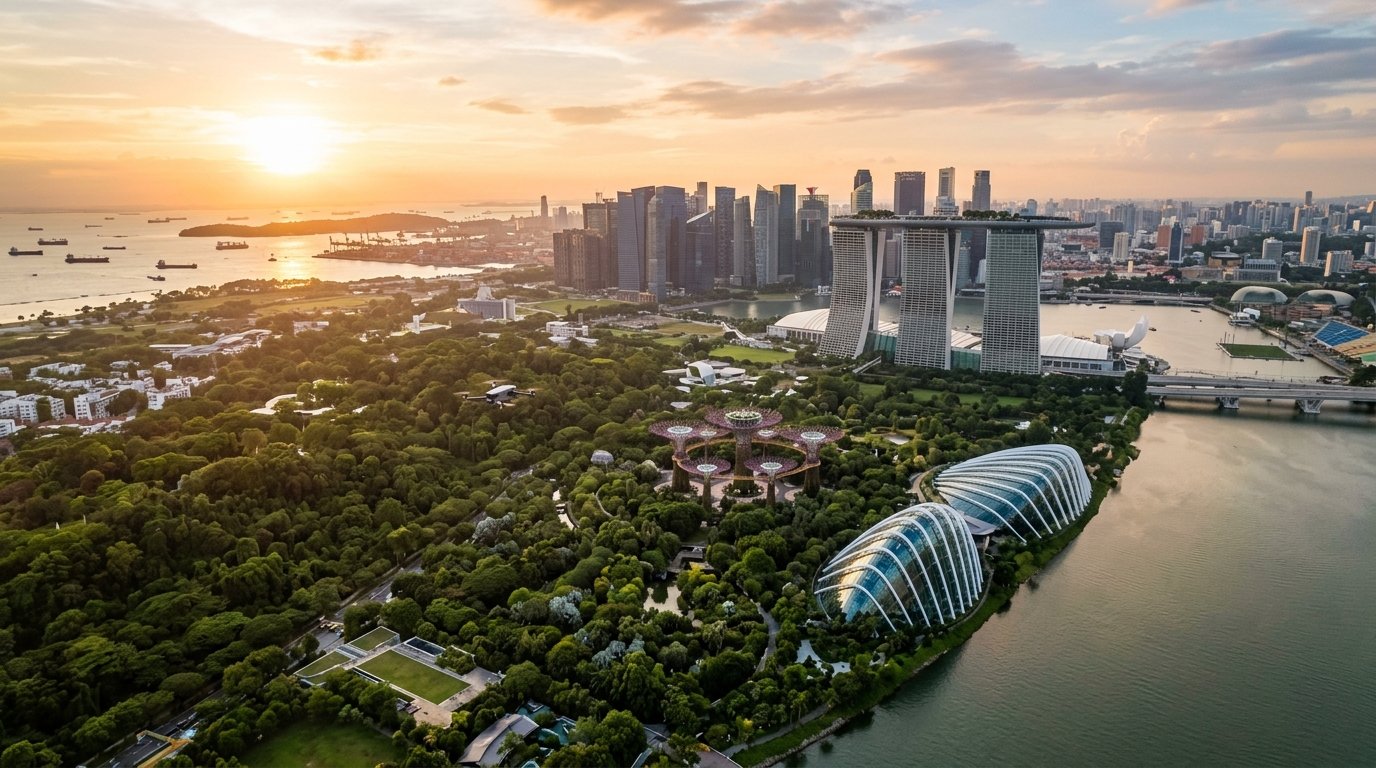
- No-Fly Zones: Singapore’s airspace is densely restricted. You cannot fly within 5km of airports (such as Changi or Seletar), military bases, or government installations. Many iconic tourist spots, including Marina Bay, Sentosa, and national parks managed by NParks, are designated No-Fly Zones.
5. 🔗 Official Sources & Links
Always map your legal flight zones using the OneMap Singapore UA Flying Areas and handle all official registrations securely via the Civil Aviation Authority of Singapore (CAAS).
Disclaimer: Aviation laws change frequently. Travelers should always double-check official regulatory sources and update their drone’s firmware geo-fencing maps immediately prior to their trip to ensure full compliance.
Adrenaline junkie with a passion for exploring off-the-beaten-path destinations and finding unique ways to stay active. Expect stunning scenery, challenging workouts, awesome travel tips and a whole lot of fun. Let’s get sweaty and explore the world together!