1. 🚦 The Short Answer
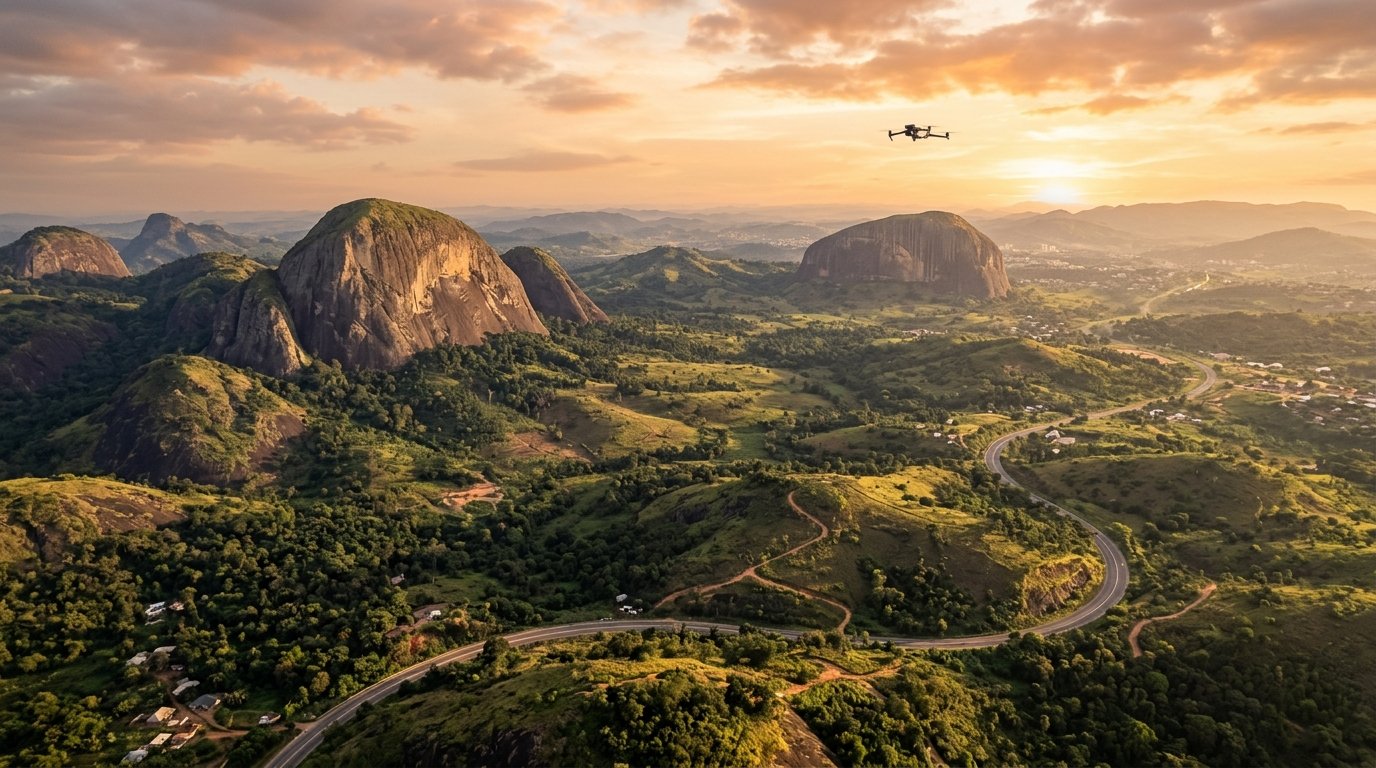
While recreational drones are technically permitted in Nigeria, they are heavily restricted by severe national security and importation laws. Unless you secure mandatory security clearances and aviation permits months in advance, tourists are strongly advised against bringing a drone, as it will likely be confiscated at the border.
2. 🛃 Customs & Importation Rules
- Can a tourist legally bring a drone? Yes, but only with pre-approved paperwork. In Nigeria, drones of any size are classified as security-relevant technology.
- Specific declarations: You must declare your drone upon arrival and present a pre-approved End-User Certificate (EUC) issued by the Nigerian Office of the National Security Adviser (ONSA).
- Risk of confiscation: Extremely high. The Nigeria Customs Service routinely intercepts and confiscates drones at international airports (such as Lagos and Abuja) if the traveler cannot produce an EUC.
3. 📝 Registration & Permit Process for Tourists
- Do you need a permit BEFORE arriving? Absolutely. You cannot simply show up with a drone. The bureaucratic burden for tourists is extremely heavy.
- The Process: First, you must obtain security clearance and an EUC from ONSA. After acquiring the EUC, you must register your drone on the Nigeria Civil Aviation Authority (NCAA) digital RPAS portal. Before any actual flight, specific flight plans must be submitted to the NCAA for authorization.
- Fees and Timeline: While basic hobbyist registration fees are relatively low (around ₦20,000), the overarching process of obtaining ONSA clearance and NCAA approval can take several weeks to months to complete.
4. 🚫 Key Flight Rules & Restrictions
- Standard operational rules: If approved, you must fly during daylight hours, keep the drone within your visual line of sight at all times, and never exceed a maximum altitude of 400 feet (120 meters).
- Weight restrictions: Drones weighing between 250g and 25kg fall under the standard recreational category and require full NCAA registration. Sub-250g drones (like a DJI Mini) are still subject to strict EUC importation requirements, meaning there are no automatic border exemptions for micro-drones.
- No-Fly Zones: It is strictly forbidden to fly near airports, military bases, government buildings, crowded areas, sports stadiums, or over emergency response efforts.
5. 🔗 Official Sources & Links
For the most current registration processes and official guidance, visit the NCAA Digital RPAS Portal or the official Nigeria Civil Aviation Authority website.
Disclaimer: Aviation laws and national security policies change frequently. Travelers should always double-check with official Nigerian authorities or a local legal expert before planning a trip with a drone.

Adrenaline junkie with a passion for exploring off-the-beaten-path destinations and finding unique ways to stay active. Expect stunning scenery, challenging workouts, awesome travel tips and a whole lot of fun. Let’s get sweaty and explore the world together!