
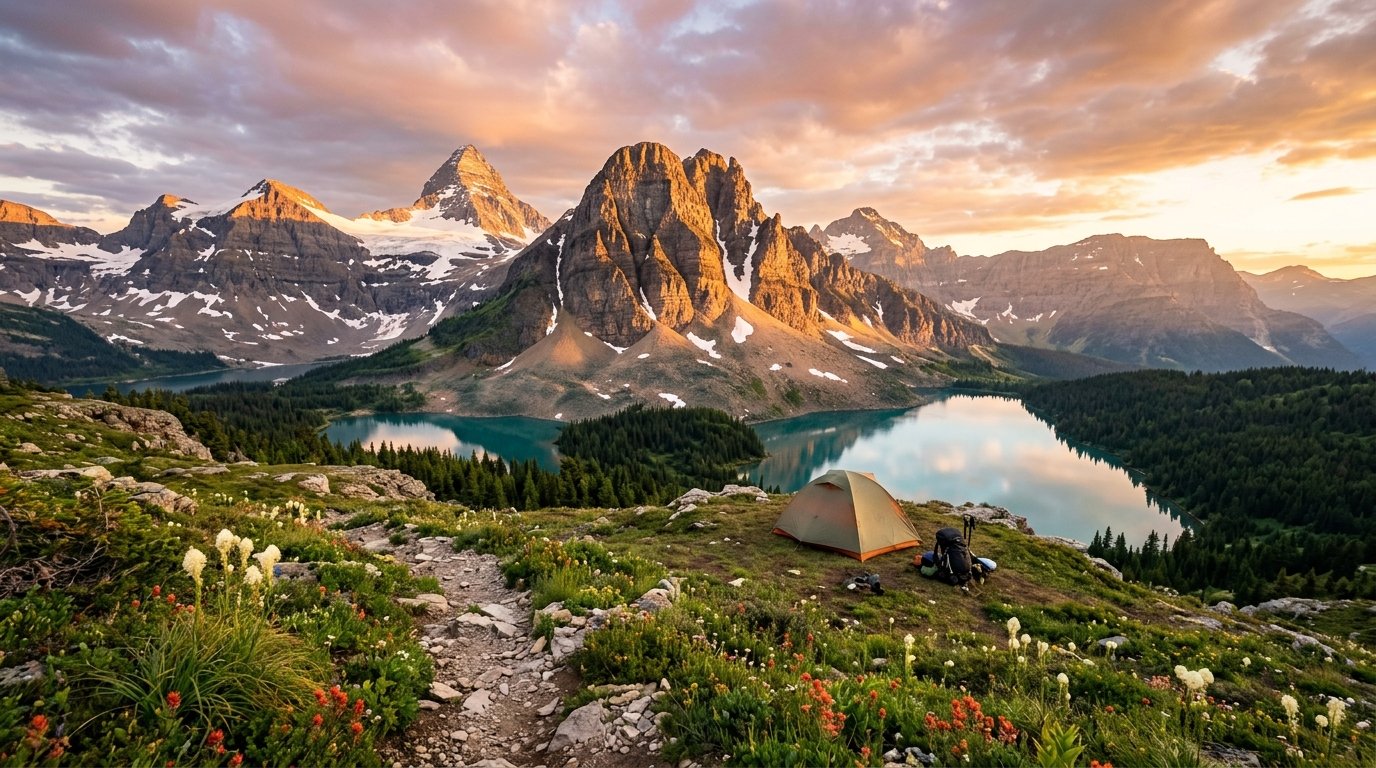
1. 🏕️ The Short Answer
In the United States, wild or “dispersed” camping is highly legal, free, and openly encouraged on millions of acres of federally managed public lands, predominantly located in the Western states. However, it is strictly forbidden on private property, within city limits, and along most highways, meaning foreign tourists must understand exactly who owns the land to camp safely and legally.
2. 🌲 Wild & Dispersed Camping Rules
- Is it legal? Yes, for tourists and locals alike, free dispersed camping is completely legal on public land managed by the Bureau of Land Management (BLM) and the US Forest Service (USFS). Crucial tip for tourists: These public lands are mostly concentrated in the Western USA. Finding wild camping in the Eastern US or Texas is extremely difficult due to vast private land ownership.
- Duration and Distance Limits: The golden rule across federal lands is the “14-day limit”. You may camp in one spot for up to 14 days within a 28-to-30-day period. After that, you must move a minimum distance (usually 5 to 25 miles away). You must also set up camp at least 100 to 200 feet away from any water source, road, or developed trail.
- Enforcement: These rules are actively enforced by federal Park Rangers and local county sheriffs. Fines for overstaying, littering, or driving off-road to create a new campsite are common.
3. 🏞️ National Park & Protected Area Rules
- Separate Permit Systems: National Parks (managed by the NPS) operate under entirely different, much stricter rules than BLM or USFS lands. Wild camping is generally not allowed without a specific, pre-approved permit.
- Designated Sites & Booking: To camp in a US National Park, you must either book a spot in a developed campground or obtain a “backcountry permit” to camp in the wilderness. Competition for these spots is notoriously fierce. Tourists must book months in advance via the central government portal, Recreation.gov.
- Seasonal Closures: Unpredictable closures are very common. Many parks close sections for heavy winter snows, summer extreme heat, bear/wildlife mating seasons, or peak wildfire danger (late summer/autumn).
4. 🚐 Van Life & Overnight Vehicle Sleeping
- Public Parking & City Rules: Sleeping in a vehicle on city streets is banned by local ordinance in most major US cities (often cited as “no overnight camping” or “no sleeping in vehicles”). You are also strictly prohibited from sleeping in your vehicle in National Park or trailhead parking lots.
- Commercial Lots: Many van lifers rely on commercial parking lots. While not guaranteed, many Walmarts, Cracker Barrels, and large truck stops (Pilot, Flying J, Love’s) tolerate 1-night stays if local city laws allow it. You should always park out of the way and ask the store manager for permission.
- Highway Rest Areas: Rest areas along interstate highways are meant for safety and driver fatigue, not camping. Many states legally permit sleeping in your vehicle for 4 to 8 hours to rest, but setting up camp (using chairs, cooking equipment, or rolling out awnings) is strictly illegal.
5. 🔥 Campfires & Practical Restrictions
- Campfire Bans: While campfires are a classic part of US camping, strict seasonal fire bans are incredibly common, especially in the Western US from June through November. When permitted, fires must be kept in existing fire rings. Some states, like California, require you to obtain a free, online “Campfire Permit” even to use a portable gas cooking stove.
- No-Camp Zones: Tourists must strictly avoid setting up camp on Native American Reservations (unless a specific tribal permit is purchased), active military bases (which often border public lands in the desert Southwest), and any land marked with “No Trespassing” signs or purple paint on trees (which legally signifies private property in many US states).
6. 🔗 Official Sources & Links
Because the USA features a patchwork of state, federal, and local laws, tourists should rely on official federal agency websites to verify rules, check maps, and make bookings:
- Recreation.gov – The official centralized booking system for all National Park campgrounds, backcountry permits, and federal tours.
- Bureau of Land Management (BLM) – Official rules, maps, and updates for free dispersed camping on public lands.
- National Park Service (NPS) – Specific alerts, trail closures, and wilderness regulations for every National Park.
Disclaimer: Land-use laws, fire restrictions, and local city ordinances change frequently in the United States. Always verify current conditions with local ranger stations, official websites, or local authorities before your trip.

Adrenaline junkie with a passion for exploring off-the-beaten-path destinations and finding unique ways to stay active. Expect stunning scenery, challenging workouts, awesome travel tips and a whole lot of fun. Let’s get sweaty and explore the world together!