
1. 🏕️ The Short Answer
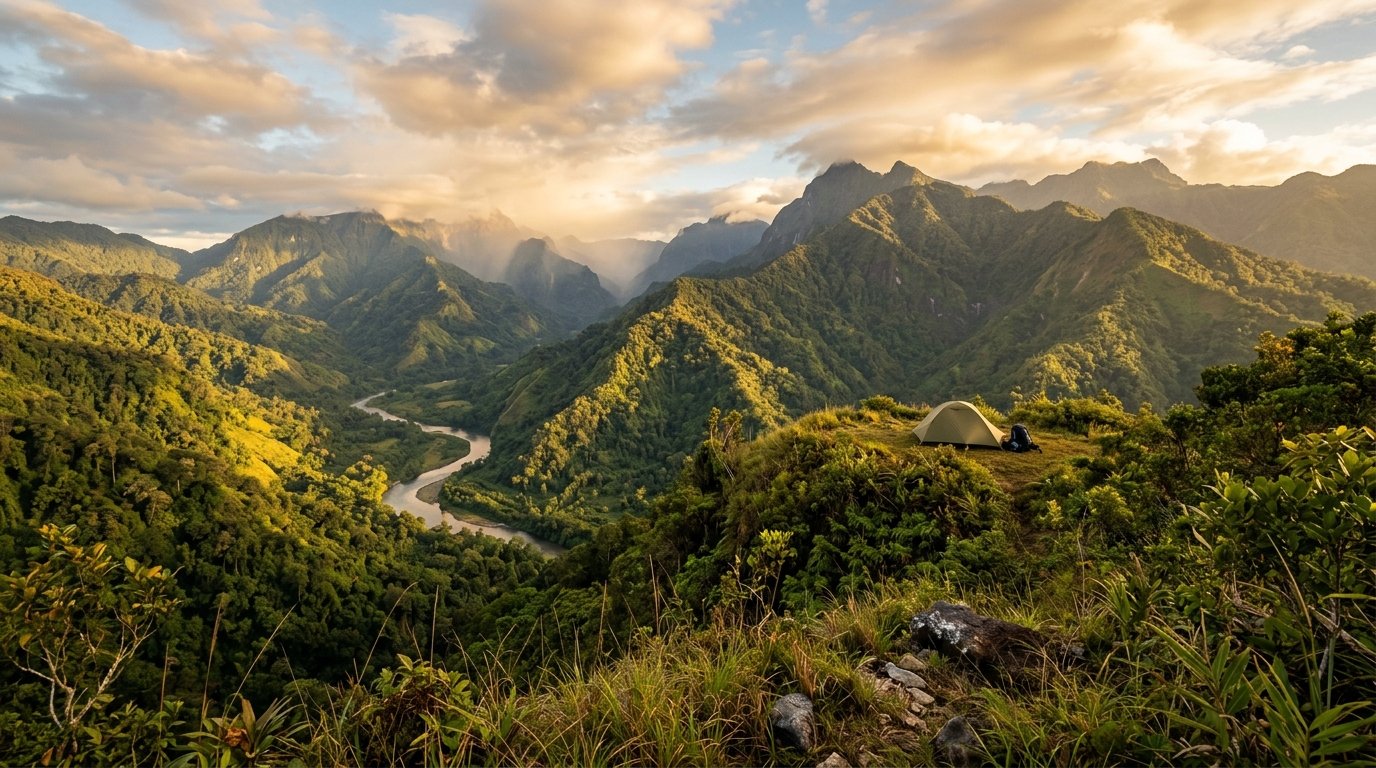
Wild and dispersed camping is effectively illegal and highly dangerous for independent tourists in Papua New Guinea. Because approximately 97% of the country is customary land owned by indigenous clans, pitching a tent anywhere without explicit face-to-face permission and a local guide is considered trespassing and a serious breach of local customs.
2. 🌲 Wild & Dispersed Camping Rules
- Public land rarely exists: You cannot legally camp outside official sites because almost all land—including remote jungle, mountains, and beaches—belongs to local tribes. True “wild camping” without permission on this customary land is forbidden.
- Permissions and custom fees: If you wish to camp, you must seek out the local village leader or “big man” to ask for permission. You will almost always be expected to pay a “custom fee” (a negotiated access payment). There are no standard distance rules from roads or water; your boundaries are dictated entirely by the landowner’s wishes.
- Enforcement by locals: Enforcement is not typically handled by state police or rangers, but by the landowners themselves. Under Papua New Guinea’s customary justice system, trespassing or camping uninvited will result in immediate demands for financial compensation. If you refuse, the situation can escalate into a severe safety risk.
3. 🏞️ National Park & Protected Area Rules
- Permits and authorities: Protected areas and famous routes (such as Varirata National Park or the Kokoda Track) require specific permits and fees. These are managed by entities like the Conservation and Environment Protection Authority (CEPA) or the Kokoda Track Authority.
- Designated sites only: Independent camping is strongly discouraged even in national parks. Tourists are expected to camp at designated village clearings, stay in traditional guesthouses, and must hire local guides or join registered tour expeditions.
- Seasonal closures: While hard legal closures aren’t always strictly policed by the state, camping and trekking during the wet season (November to May) become virtually impossible due to flooding, mudslides, and impassable terrain.
4. 🚐 Van Life & Overnight Vehicle Sleeping
- Highly dangerous and essentially non-existent: Van life is not a recognized, viable, or safe way to travel in Papua New Guinea. Sleeping overnight in a vehicle on roadsides, rest stops, or public car parks is exceptionally dangerous due to high rates of violent crime, carjackings, and armed roadblocks.
- Parking vs. Camping: The legal distinction is moot; pulling off the side of a highway to park and sleep means you are trespassing on someone’s customary land. Locals will notice, and you will quickly be approached for compensation or face potential hostility.
- No designated facilities: There are no RV parks, aires, or overnight vehicle rest areas in the country. Tourists renting vehicles should only park overnight in secure, fenced, and guarded hotel compounds.
5. 🔥 Campfires & Practical Restrictions
- Campfire rules: Open campfires are commonly used, but you must only build one if your local guide or the landowner gives explicit permission. Foraging for firewood without asking is considered theft of private property and will result in compensation demands.
- No-camp zones to avoid: Tourists must completely avoid independent travel and camping in the porous border region with Indonesia (West Papua), the Highlands provinces (due to frequent, active tribal violence), and the immediate outskirts of major cities like Port Moresby and Lae where crime rates are highest.
6. 🔗 Official Sources & Links
For more information on authorized treks, tours, and current safety advice, consult the following sources:
- Papua New Guinea Tourism Promotion Authority – The official tourism board for finding registered tour operators, cultural protocols, and trekking guides.
- U.S. Department of State: Papua New Guinea Travel Advisory – Critical up-to-date safety and security information for independent travelers.
Disclaimer: Land-use laws, tribal boundaries, and safety conditions in Papua New Guinea change frequently and present unique challenges. Foreign travelers should never attempt independent backcountry camping or van life here, and must always verify plans with accredited local guides and official tourism sources before their trip.

Adrenaline junkie with a passion for exploring off-the-beaten-path destinations and finding unique ways to stay active. Expect stunning scenery, challenging workouts, awesome travel tips and a whole lot of fun. Let’s get sweaty and explore the world together!