
1. 🏕️ The Short Answer
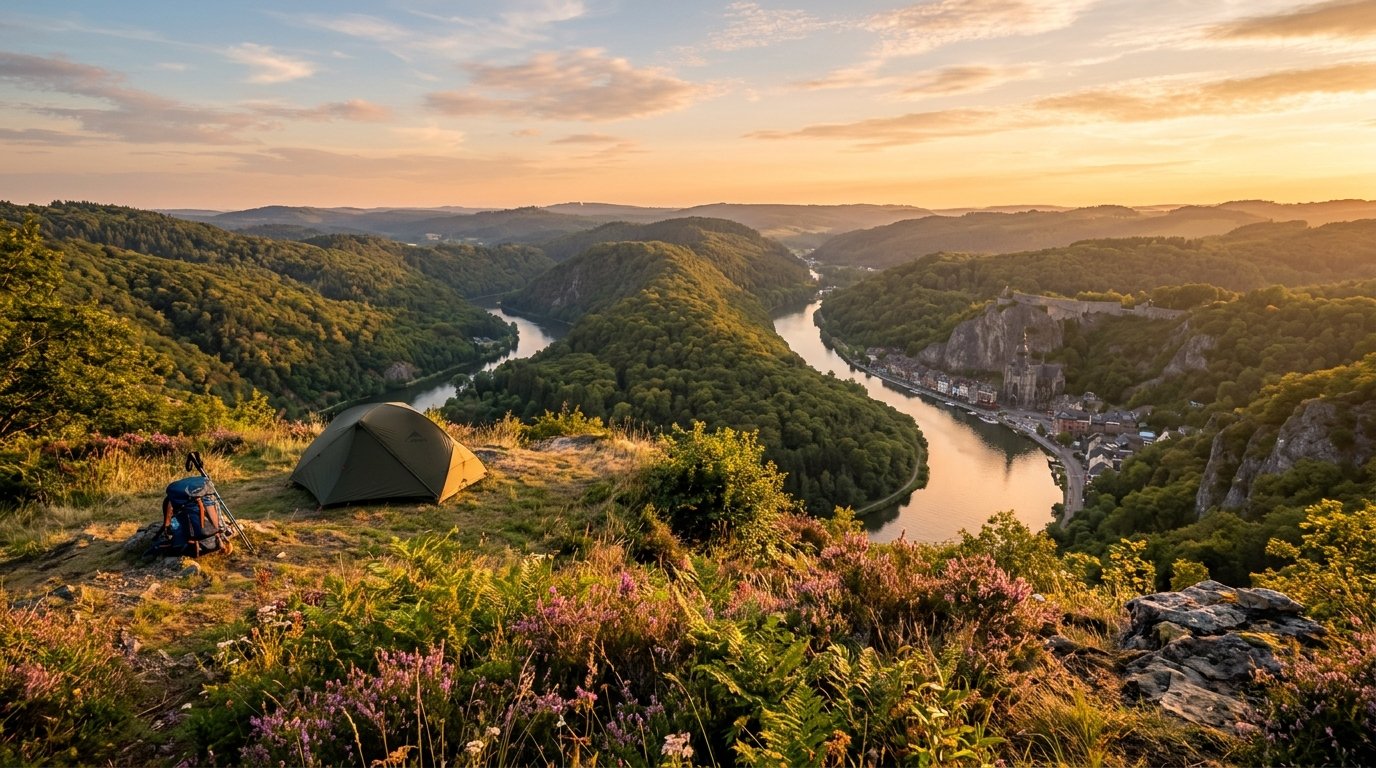
Wild camping in nature, public parks, or random countryside spots is officially illegal in Belgium and actively penalized. However, tourists can enjoy a fully legal, free backcountry camping experience by using the country’s network of designated “bivouac zones” (bivakzones or aires de bivouac).
2. 🌲 Wild & Dispersed Camping Rules
- Legality on Public Land: True dispersed camping outside of official campsites or authorized zones is strictly forbidden. Pitching a tent in a random forest or field can result in immediate eviction and a fine.
- The Bivouac Zone Exception: You are legally allowed to camp at designated bivouac zones (often known as pole camping). You must pitch your tent within a specific radius, usually 10 meters, of the central wooden pole.
- Duration and Distance Limits: At a bivouac zone, you may only stay for a maximum of 1 night. You are expected to arrive late (after sunset) and leave early. Spots are strictly limited, usually to a maximum of 3 small tents and 10 people at a time. Vehicles like campervans are strictly forbidden in these zones.
- Enforcement: Enforcement is actively carried out by local police, forest rangers, and nature inspectors. Fines for illegal wild camping typically range up to €350.
3. 🏞️ National Park & Protected Area Rules
- Permits and Booking: Camping in protected areas is highly restricted. In Flanders (such as the Hoge Kempen National Park), many official bivouac zones now require mandatory advance booking online to prevent overcrowding. In Wallonia (the Ardennes), some zones remain first-come, first-served, but availability is limited.
- Designated Sites Only: You cannot hike off-trail and camp anywhere in national parks. You must use the official campsites or recognized pole camping sites.
- Seasonal Closures: Access to forests and bivouac zones can be abruptly closed during the autumn/winter hunting season (especially in the Ardennes) or during spring/summer droughts and fire seasons, often marked by a Code Orange or Code Red warning.
4. 🚐 Van Life & Overnight Vehicle Sleeping
- Sleeping in Vehicles: According to federal rules, you may park and sleep in your vehicle for up to 24 hours in standard public parking spots, provided local municipal signs do not forbid it. However, major tourist areas like the Belgian coast, Brussels, and the region of Antwerp have strict local bans on overnight vehicle sleeping outside of official campsites.
- Parking vs. Camping: Belgian authorities strictly distinguish between “parking” and “camping”. While you might sleep inside a legally parked van, deploying an awning, setting up outdoor chairs, using stabilizing blocks, or cooking outside constitutes illegal camping on public roads and will result in fines.
- Designated Overnight Areas: Campervan travelers should rely on official motorhome rest areas known as aires de camping-car or camperplaatsen. These are dedicated spots that often provide waste disposal and water.
5. 🔥 Campfires & Practical Restrictions
- Campfire Regulations: Open fires in nature are strictly prohibited throughout Belgium. You may only light a fire if the bivouac zone or campsite has a purpose-built, designated fire pit. If the region issues a drought warning (Code Orange or Red), all fires are instantly banned.
- Key No-Camp Zones: Avoid attempting to wild camp in the sensitive High Fens (Hautes Fagnes) nature reserve, military zones, the highly regulated North Sea coastline, and active hunting areas.
6. 🔗 Official Sources & Links
To verify locations, hunting closures, and current regulations, please consult the following trusted sources:
- Bivakzone.be – The official mapping portal for all legal bivouac camping zones in Belgium, including booking requirements and local rules.
- Natuurenbos.be (Agency for Nature and Forests) – The official Flemish government site for nature regulations, camping guidelines, and forest accessibility.
Disclaimer: Camping and land-use laws are subject to change due to environmental conditions, regional politics, and seasonal restrictions. Always verify current rules, fire bans, and hunting season closures with local authorities or official tourism boards just prior to your trip.

Adrenaline junkie with a passion for exploring off-the-beaten-path destinations and finding unique ways to stay active. Expect stunning scenery, challenging workouts, awesome travel tips and a whole lot of fun. Let’s get sweaty and explore the world together!