
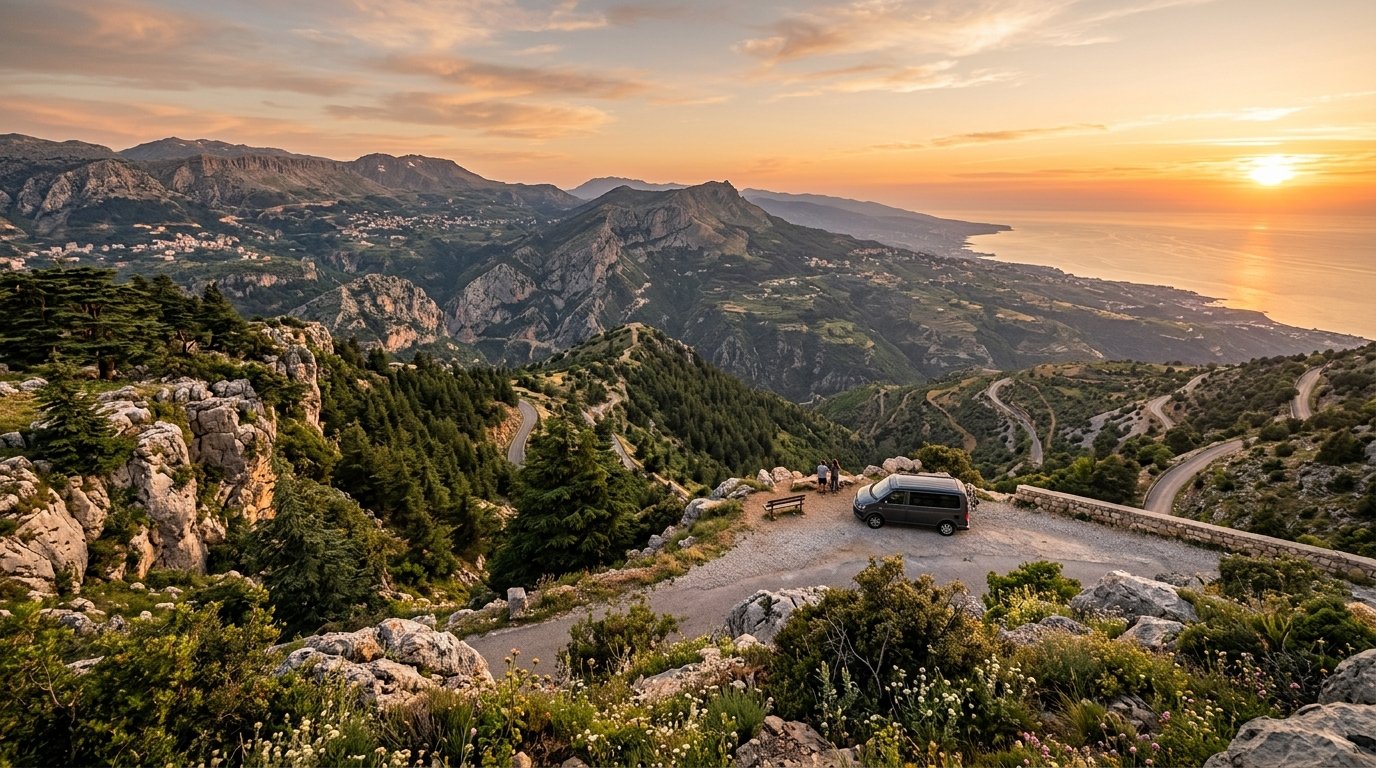
1. 🏕️ The Short Answer
Wild camping in Lebanon operates in a legal grey area, and there is no universal right to dispersed camping on public land. For foreign tourists, setting up a tent or parking a van in the wild without explicit municipal or landowner permission is highly discouraged due to strict local land-use practices and severe regional security concerns. Tourists should stick to Lebanon’s network of private eco-camps and designated campsites.
2. 🌲 Wild & Dispersed Camping Rules
- Is it legal? There is no equivalent to “Everyman’s Right” in Lebanon. Most natural land is either privately owned, managed by local municipalities, or protected by the state. Wild camping without prior permission from the landowner or local municipality is technically not permitted and is culturally uncommon for foreign visitors.
- Rules and Limits: Because dispersed camping is not officially recognized, there are no statutory distance or duration limits. If you do secure local municipal permission to camp on the outskirts of a village, you are expected to stay off agricultural terraces, respect local privacy, and leave absolutely no trace.
- Enforcement: In popular mountainous areas, local police and forest rangers (ma’mour ahrash) actively patrol. If caught wild camping without permission, you will likely be asked to leave and could face fines. More importantly, an unexpected tourist tent in a rural area can easily trigger security suspicions among locals and military personnel.
3. 🏞️ National Park & Protected Area Rules
- Permits and Rules: Major protected areas, such as the Al Shouf Cedar Nature Reserve, Horsh Ehden, and Tannourine Nature Reserve, have strict conservation mandates. Wild camping inside these reserves is strictly prohibited.
- Designated Sites: Camping is only allowed in specific designated eco-campsites or glamping spots located on the periphery of these reserves. These sites are usually privately managed, require an entrance or nightly fee, and must be booked in advance.
- Seasonal Closures: Access to certain hiking trails and adjacent camping zones may be restricted during the peak dry season (late summer and early autumn) due to extreme fire risks, or during heavy winter snowfalls in the high mountains.
4. 🚐 Van Life & Overnight Vehicle Sleeping
- Vehicle Sleeping Legality: Sleeping in a van or car on public roadsides, in rest stops, or in city car parks is not explicitly regulated, but it is highly likely to draw attention from military checkpoints, local police, or concerned residents. It is not recommended for tourists.
- Parking vs. Camping: Local law does not clearly distinguish between parking and camping for recreational purposes. However, security forces view unannounced overnight vehicles with high suspicion, making stealth camping a bad idea.
- Designated Areas: True “van life” culture is a small but growing niche in Lebanon. Tourists traveling in campervans should rely on private campsites, eco-villages, or rural guesthouses that allow vans to park on their property for a fee (popular areas for this include Batroun, Jezzine, and the Chouf mountains).
5. 🔥 Campfires & Practical Restrictions
- Campfires: Lebanon suffers from devastating seasonal forest fires. Open campfires are strictly banned in all nature reserves and pine forests. Even in designated private campsites, fires are heavily regulated, often restricted to raised, pre-approved fire pits, and may be entirely banned during the dry summer months.
- No-Camp Zones (Critical): For safety and security, foreign tourists must completely avoid camping in or near the following areas:
- Southern Lebanon: High risks of conflict, military zones, and unexploded ordnance.
- Border Regions: The Syrian border regions, particularly in the northern Akkar district and the northeastern Bekaa Valley, due to volatility and armed group presence.
- Sensitive Areas: Any Palestinian refugee camps or military installations.
6. 🔗 Official Sources & Links
Because the security and regulatory situation in Lebanon changes rapidly, travelers should always consult up-to-date sources:
- Al Shouf Cedar Nature Reserve – Official rules and acceptable activities for Lebanon’s largest protected area.
- UK FCDO Travel Advice for Lebanon – Crucial for mapping out safe vs. high-risk geographic zones before planning any outdoor recreation.
Disclaimer: Land-use laws, environmental regulations, and security advisories change frequently. Always verify current rules with local municipalities, official nature reserve boards, and your government’s travel advisories prior to your trip.

Adrenaline junkie with a passion for exploring off-the-beaten-path destinations and finding unique ways to stay active. Expect stunning scenery, challenging workouts, awesome travel tips and a whole lot of fun. Let’s get sweaty and explore the world together!