
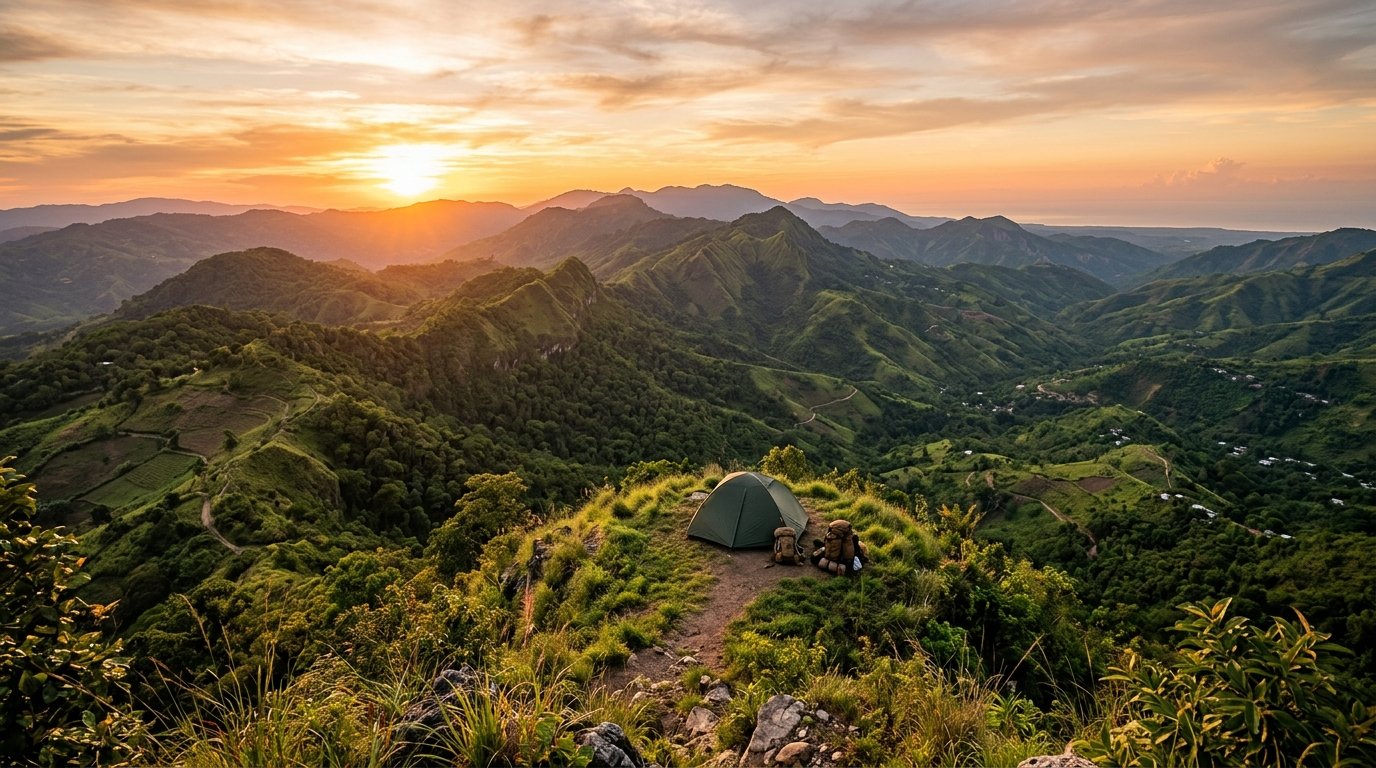
1. 🏕️ The Short Answer
Recreational camping and van life are effectively non-existent for tourists in Haiti, and while not strictly legislated against, they are practically impossible due to a total lack of infrastructure and an extreme nationwide security crisis. All major foreign governments have issued strict “Level 4: Do Not Travel” advisories due to widespread gang violence, meaning wild camping is an incredibly dangerous activity that travelers must actively avoid.
2. 🌲 Wild & Dispersed Camping Rules
- Is camping outside official campsites legal for tourists on public land? There is no legal framework regulating tourist wild camping in Haiti because the concept is not practiced. The vast majority of land is either privately owned, utilized for agriculture, or unmanaged public land with no clear zoning for recreation.
- Are there duration limits or distance rules? No formal regulations exist regarding distance from roads, water sources, or duration of stay for recreational campers.
- Is this actively enforced by rangers/police? You will not encounter park rangers or local police enforcing recreational camping regulations. However, land in Haiti is fiercely protected by locals, and many regions are currently controlled by armed gangs. Pitching a tent anywhere in the country puts you at immediate risk of kidnapping or violent crime.
3. 🏞️ National Park & Protected Area Rules
- Do national parks or protected areas have a separate camping permit system? Haiti’s national parks, such as Parc National La Visite and Parc National Pic Macaya, are primarily ecological reserves facing severe challenges with deforestation and lack of funding. They do not have formal visitor centers, tourist management, or camping permit systems.
- Is camping restricted to designated sites only? There are no designated tourist campsites, facilities, or advance booking systems within these protected areas.
- Are there seasonal closures? While the parks do not officially close for specific tourist seasons, the rugged mountain roads leading to them frequently become impassable during the hurricane and rainy seasons (June to November), and travel is heavily restricted year-round by unpredictable security blockades.
4. 🚐 Van Life & Overnight Vehicle Sleeping
- Is it legal to sleep overnight in a vehicle in public car parks or roadsides? While there is no specific traffic code outlawing sleeping in a parked car, doing so is universally advised against by security experts. Carjackings, armed robberies, and kidnappings targeting vehicles are highly common, especially at night.
- Does local law distinguish between “parking” and “camping”? Haitian law does not legally distinguish between parking and camping for tourists, simply because “van life” culture and recreational RV travel do not exist there.
- Are there designated overnight areas? There are absolutely no designated rest areas, “aires,” or safe overnight public car parks for tourists. Any necessary vehicle travel should be done during daylight hours, ideally in secured convoys.
5. 🔥 Campfires & Practical Restrictions
- Are open campfires generally allowed? Rural locals frequently use open fires and charcoal for daily cooking, and there are no specific recreational fire bans enforced on tourists. However, extreme deforestation is a severe environmental crisis in Haiti, so burning local wood is highly discouraged from an ethical and ecological standpoint.
- Key no-camp zones tourists should avoid: The entire country should currently be considered a no-camp zone for foreign tourists. Travelers must absolutely avoid Port-au-Prince and its surrounding neighborhoods (which are heavily gang-controlled), the border regions with the Dominican Republic, and any isolated rural areas where emergency and medical services cannot reach you.
6. 🔗 Official Sources & Links
Due to the current security crisis, travelers must consult official government safety advisories rather than standard tourism boards to verify the reality on the ground. Please review the current situation here:
- U.S. Department of State – Haiti Travel Advisory
- Government of Canada – Travel Advice and Advisories for Haiti
Disclaimer: Camping and land-use laws change frequently. Furthermore, the political and security situation in Haiti is highly volatile. Travelers should always verify current laws and strict travel advisories with official local and government sources before planning any trip.

Adrenaline junkie with a passion for exploring off-the-beaten-path destinations and finding unique ways to stay active. Expect stunning scenery, challenging workouts, awesome travel tips and a whole lot of fun. Let’s get sweaty and explore the world together!