
1. 🏕️ The Short Answer
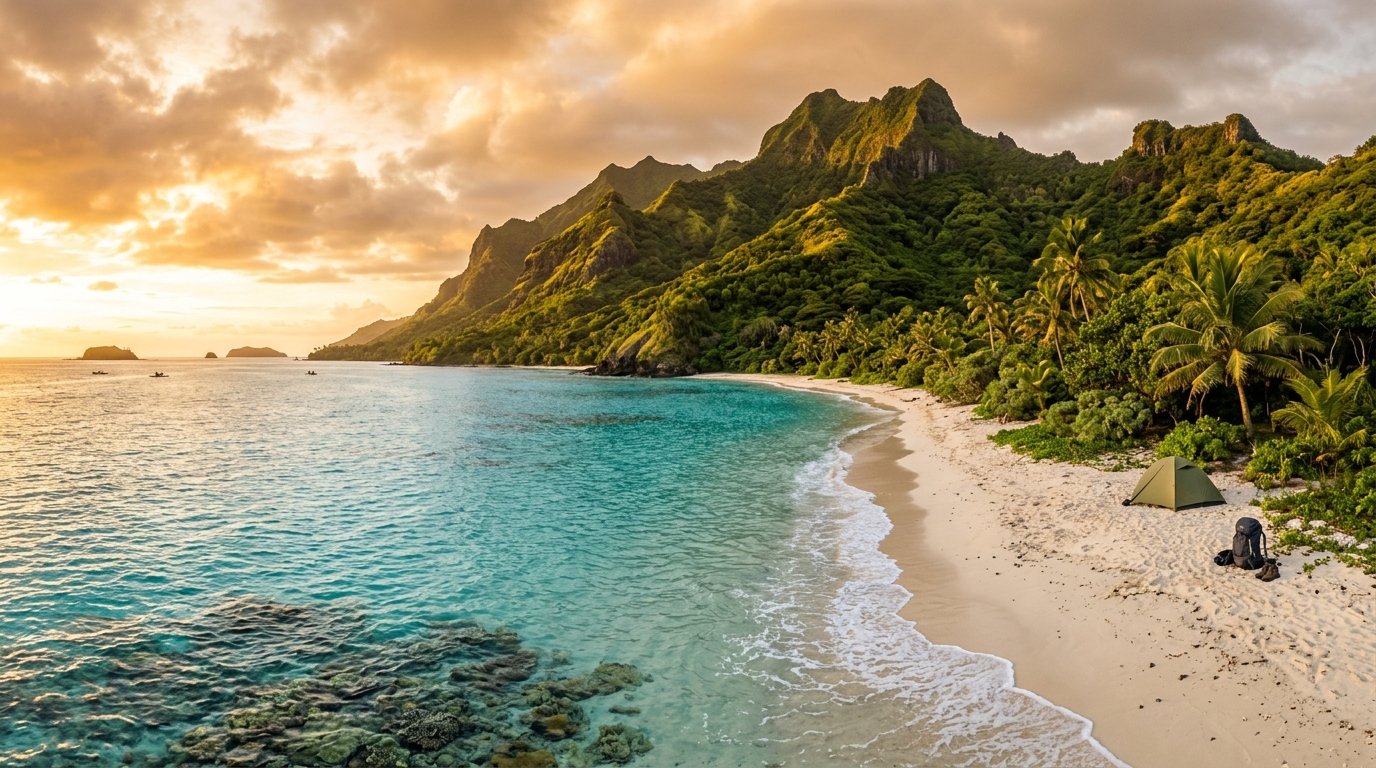
Wild camping in Fiji is effectively illegal and highly culturally inappropriate for tourists. Because approximately 87% of the country’s land is communally owned by indigenous Fijian clans (iTaukei land), pitching a tent anywhere without explicit permission from a village chief is considered trespassing on family property.
2. 🌲 Wild & Dispersed Camping Rules
- Legality on Public Land: The concept of “public wilderness” does not apply in Fiji the way it does in North America or Europe. Dispersed camping outside of official sites or without local clearance is illegal.
- Rules and Protocols: If you wish to camp in rural areas, you must visit the local village and present a sevusevu (a traditional gift of kava root) to the village chief. If the chief grants permission, they will dictate the duration of your stay and exactly where you can set up, keeping you a safe distance from village infrastructure or crops. Expect to pay a modest fee of $10 to $30 FJD.
- Enforcement: This is strictly enforced socially by local communities. Arriving and setting up camp without a sevusevu is deeply disrespectful, akin to camping in a stranger’s backyard, and you will be asked to leave immediately.
3. 🏞️ National Park & Protected Area Rules
- Permit Systems: Fiji’s national parks and protected areas (such as Koroyanitu National Heritage Park or Colo-i-Suva Forest Park) do not use centralized online permitting systems. Instead, they are managed in partnership with local villages. You pay your entry and camping fees directly to the managing village (for example, Abaca Village for Koroyanitu).
- Designated Sites: Camping is strictly limited to basic, designated eco-sites or grounds around village lodges. Certain heritage sites, most notably the Sigatoka Sand Dunes, ban camping entirely to protect archaeological artifacts.
- Seasonal Closures: While specific fire-season closures are rare, the wet and cyclone season (November to April) makes backcountry camping practically impossible and highly dangerous due to extreme mud, flooding, and severe weather.
4. 🚐 Van Life & Overnight Vehicle Sleeping
- Sleeping in Vehicles: Sleeping overnight in a rental car or campervan by the roadside, in public car parks, or at beach pull-offs is not legally permitted or culturally tolerated.
- Parking vs. Camping: Fiji does not legally distinguish between parking and camping for tourists in the way European countries do. If you are sleeping in a vehicle overnight on community land without permission, you are trespassing.
- Overnight Infrastructure: The “van life” or “freedom camping” infrastructure does not exist in Fiji. There are no designated aires, motorhome rest stops, or public overnight zones. Tourists must rely on formal accommodation or arrange authorized village stays.
5. 🔥 Campfires & Practical Restrictions
- Campfire Rules: Open campfires are heavily restricted. They must never be lit without explicit permission from the local village headman or landowner. Many rural areas are highly sensitive to fire risk, particularly near mahogany forests, agricultural plantations, and dry-zone regions.
- No-Camp Zones: Tourists must completely avoid setting up camp near tabu (sacred or restricted) areas, village burial grounds, agricultural plots (like cassava fields), and the Sigatoka Sand Dunes.
- Health Restrictions: Due to the prevalence of mosquitoes that can carry dengue fever, sleeping without a high-quality, intact mosquito net and DEET repellent is a major health risk.
6. 🔗 Official Sources & Links
To verify current guidelines, eco-tourism options, and cultural protocols, consult the following official resources:
Disclaimer: Camping regulations, land-use laws, and cultural protocols change frequently. Always verify the latest information with official government sources, the National Trust of Fiji, or your local village hosts before undertaking any camping or backcountry travel.

Adrenaline junkie with a passion for exploring off-the-beaten-path destinations and finding unique ways to stay active. Expect stunning scenery, challenging workouts, awesome travel tips and a whole lot of fun. Let’s get sweaty and explore the world together!