
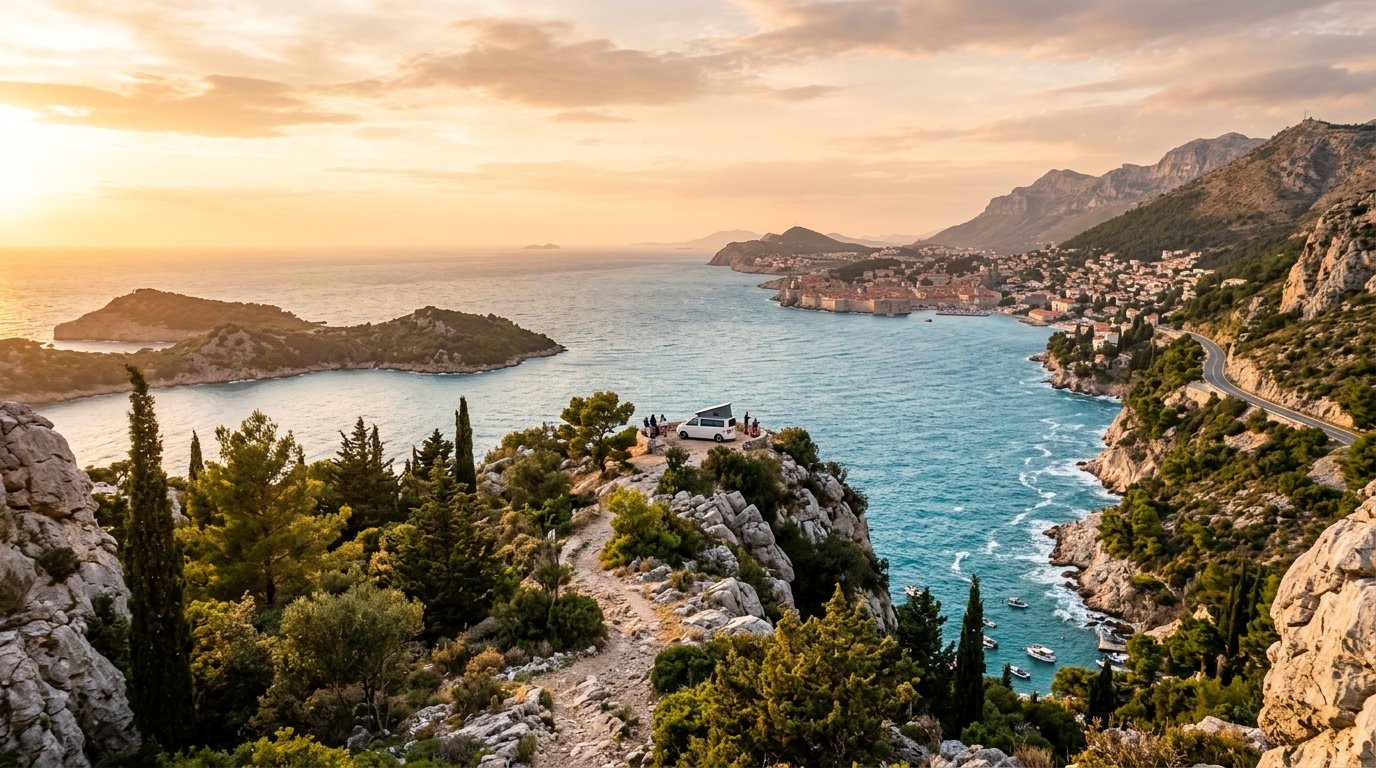
1. 🏕️ The Short Answer
In Croatia, wild and dispersed camping is strictly illegal and actively enforced against tourists. Whether you are pitching a tent or sleeping in a campervan, you are legally required to stay overnight only in registered campsites or officially designated motorhome rest areas.
2. 🌲 Wild & Dispersed Camping Rules
- Complete Ban on Public Land: Under the Croatian Hospitality and Catering Industry Act, camping outside of official, registered campsites is strictly prohibited. This applies to beaches, forests, mountains, and all public lands.
- No “Grey Area” for Tourists: Unlike some European countries with generous “right to roam” laws, Croatia does not tolerate free camping. Setting up tents, awnings, or bivouacs on unauthorized land is illegal.
- Strict Enforcement & Fines: This law is actively enforced by local police, tourism inspectors, and municipal wardens, especially during the summer peak season (June to September). Fines for illegal camping are frequently issued on the spot and typically range from €150 to over €600 per person.
- Private Land Restrictions: You cannot legally camp on private land even with the owner’s permission, unless the land is officially registered with the government as a commercial campsite.
3. 🏞️ National Park & Protected Area Rules
- Zero Tolerance in Protected Zones: Wild camping in Croatia’s famous national parks (such as Plitvice Lakes, Krka, and Paklenica) and nature reserves is completely forbidden. Park rangers patrol these areas heavily.
- Designated Sites Only: You must use the official, commercial campsites located near or sometimes within the park boundaries. There is no backcountry “wilderness permit” system for dispersed camping in Croatia’s national parks.
- Advance Booking Essential: Because wild camping is banned, official campsites near major national parks fill up months in advance during the summer. Advance booking is highly recommended.
4. 🚐 Van Life & Overnight Vehicle Sleeping
- Sleeping in Vehicles is Illegal: Croatian law does not just ban tents; merely sleeping overnight in your vehicle (motorhome, campervan, or car) in a public car park, lay-by, or roadside is classified as illegal camping.
- Parking vs. Camping: You may legally park your campervan in standard parking bays during the day (subject to local size and weight limits), but you cannot inhabit or sleep in the vehicle overnight. Extending awnings, setting out chairs, or placing leveling blocks instantly classifies you as illegally “camping” rather than parking.
- Designated Overnight Areas: Tourists must use registered campsites (often called Autocamps) or designated motorhome transit areas (similar to European aires or Stellplätze). These are legally sanctioned, paid areas for overnight van life.
5. 🔥 Campfires & Practical Restrictions
- Strict Fire Bans: Due to severe wildfire risks, particularly on the Dalmatian coast and islands, open fires and outdoor BBQs are strictly banned by law from June 1st to October 31st. Fines for breaking fire regulations are severe, reaching up to €2,000, and can result in criminal prosecution.
- Year-Round Fire Rules: Even outside the summer season, open fires are prohibited outside of officially designated and built fire pits at registered campsites. Gas cooking stoves are generally permitted on legal campsites but must be used with extreme caution.
- No-Camp Zones to Avoid: Tourists must completely avoid setting up anywhere near the coastline, national borders (due to border security patrols), and inland forested areas (such as parts of the Lika or Karlovac regions) which may still possess leftover, unmarked landmine risks from the 1990s conflict. Always stick to well-trodden paths and official sites.
6. 🔗 Official Sources & Links
For the most current information, verify the rules and search for legally registered campsites through Croatia’s official tourism and camping boards:
Disclaimer: Travel, camping, and land-use laws change frequently. Always verify current regulations, local ordinances, and seasonal fire bans with official local authorities or your country’s travel advisory before your trip.

Adrenaline junkie with a passion for exploring off-the-beaten-path destinations and finding unique ways to stay active. Expect stunning scenery, challenging workouts, awesome travel tips and a whole lot of fun. Let’s get sweaty and explore the world together!