
1. 🏕️ The Short Answer
For foreign tourists visiting the Democratic Republic of the Congo (DRC), wild and dispersed camping is effectively illegal and extremely dangerous. Due to severe ongoing security risks, armed conflict, and strict government regulations, independent wild camping is practically non-existent. All camping must take place in officially designated, secure areas—usually inside national parks under the strict supervision of armed rangers, or within guarded compounds for overlanders.
2. 🌲 Wild & Dispersed Camping Rules
- Legality on Public Land: Pitching a tent outside of official campsites or guarded areas is strictly prohibited for foreign tourists. While rural land is technically owned by the state and managed by local chiefs, setting up a tent independently is not tolerated by authorities.
- Distance and Duration Limits: Because wild camping is banned for tourists, there are no specific legal distance or duration limits. If you must stop in a rural village during an emergency overland transit, you must seek direct permission from the local village chief and the local police, though this is heavily discouraged due to safety risks.
- Enforcement: Enforcement is immediate and strict. Wandering into the wilderness or setting up an unauthorized camp will likely result in detention by the military, police, or local authorities, who view unauthorized foreigners with high suspicion. Furthermore, armed militia groups operate in many rural areas, making independent camping a critical life-safety threat.
3. 🏞️ National Park & Protected Area Rules
- Strict Permit Systems: National Parks in the DRC, such as Virunga, Kahuzi-Biega, and Garamba, are managed by the Institut Congolais pour la Conservation de la Nature (ICCN). You cannot enter or camp in these parks independently. You must purchase a permit in advance through the official park website or a registered tour operator.
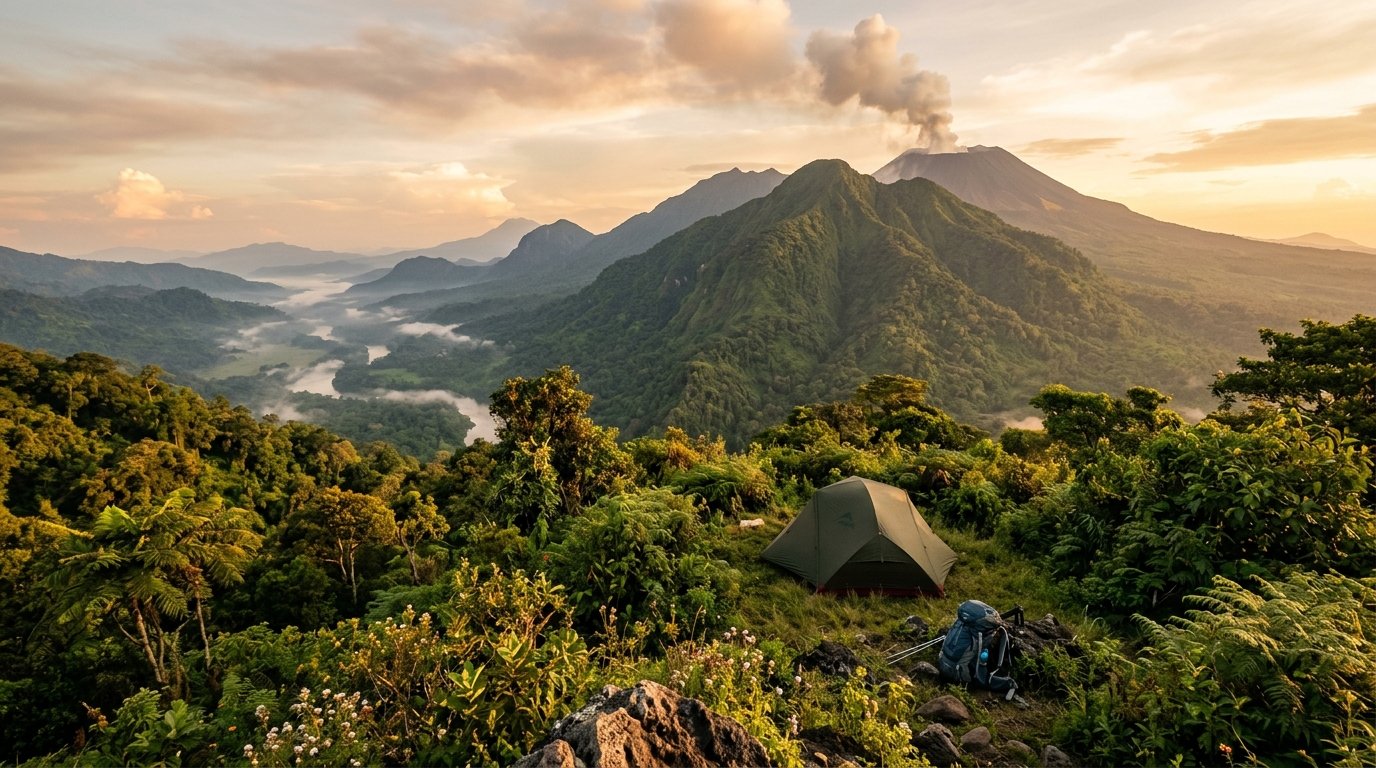
- Designated Sites and Armed Escorts: Camping within protected areas is strictly confined to designated zones, such as the summit shelters on Mount Nyiragongo or specific tented camps like Kibumba or Bukima. You must be accompanied by armed ICCN rangers at all times due to the risk of poaching syndicates and rebel groups.
- Unpredictable Closures: Parks in the DRC are subject to sudden, indefinite closures due to rebel activity (such as the M23 group in North Kivu) or disease outbreaks. Always check the park’s current operational status before booking.
4. 🚐 Van Life & Overnight Vehicle Sleeping
- Roadside Sleeping is Banned: Sleeping in a vehicle on public roadsides, rest stops, or public car parks is illegal and highly unsafe due to the high risk of carjacking, banditry, and kidnapping. The DRC is not a destination for casual “van life”.
- Parking vs. Camping: The law does not protect “sleeping in your car” as a form of parking. Any attempt to overnight in a vehicle on public land will draw immediate attention from police or military forces, likely resulting in extortion, fines, or arrest.
- Where Overlanders Sleep: For those doing the grueling Trans-Africa overland route, overnighting in a vehicle is done exclusively in secure, walled environments. Overlanders must negotiate to park and sleep inside guarded Catholic missions, secure hotel parking lots, NGO compounds, or police/military stations for a negotiated fee.
5. 🔥 Campfires & Practical Restrictions
- Campfire Rules: Since independent camping is illegal, campfire laws are dictated by the specific lodges or ICCN-managed camps you stay in. At designated park campsites, fires are managed entirely by park staff or local porters. Never light an independent open fire.
- Military and Sensitive Zones: You must strictly avoid camping or stopping near military bases, border regions, government buildings, or mining operations. Taking photographs or lingering near these sensitive infrastructure zones can lead to immediate arrest and imprisonment on espionage charges.
- No-Go Zones: Most foreign governments have a strict “Do Not Travel” advisory for the eastern provinces (North Kivu, South Kivu, and Ituri) due to active war zones, armed militias, and terrorism. Camping anywhere near these regions is a severe threat to your life.
6. 🔗 Official Sources & Links
Because the situation in the DRC is highly volatile, always rely on official and current information from the authorities and international advisories:
- Virunga National Park Official Website – For the latest updates on park closures, camping permits, and guided treks.
- US State Department Travel Advisory for the DRC – Critical for up-to-date security information and restricted zones.
Disclaimer: Travel regulations, security conditions, and land-use laws in the Democratic Republic of the Congo change frequently and unpredictably. The information provided is for educational purposes and should not be taken as legal advice. Always verify current laws, mandatory guide requirements, and safety advisories with official local authorities and your country’s embassy before planning any trip.

Adrenaline junkie with a passion for exploring off-the-beaten-path destinations and finding unique ways to stay active. Expect stunning scenery, challenging workouts, awesome travel tips and a whole lot of fun. Let’s get sweaty and explore the world together!