
1. 🏕️ The Short Answer
For foreign tourists, wild and dispersed camping in Brazil is effectively illegal in most desirable areas (like beaches and national parks) and exists in a legal grey area elsewhere. While a grassroots overlanding culture exists, the country lacks a “right to roam.” Due to strict environmental laws and significant security concerns, most travelers should rely on official private campsites, eco-lodges, or 24-hour gas stations for overnight stays.
2. 🌲 Wild & Dispersed Camping Rules
- Legality on Public Land: Brazil does not have a legal framework that permits dispersed camping on public land. Wild camping on beaches is strictly illegal nationwide unless you are in a designated, paid campsite.
- Distance and Location Rules: Because dispersed camping isn’t officially recognized, there are no standard setback rules. Setting up a tent on private land requires explicit permission from the landowner, while camping in unauthorized public forests violates environmental protection codes.
- Enforcement and Safety: In tourist hot spots, coastal areas, and national parks, environmental police (IBAMA) and local authorities actively enforce camping bans. In remote areas (such as the Amazon interior), enforcement may be rare, but extreme safety risks—including crime, dangerous wildlife, and trespassing on guarded indigenous lands—make true wild camping highly unadvisable for tourists.
3. 🏞️ National Park & Protected Area Rules
- Permits and Infrastructure: Brazilian national parks are managed by the Chico Mendes Institute for Biodiversity Conservation (ICMBio). Infrastructure is often minimal compared to North America or Europe. You cannot camp wherever you want; you must use designated campsites. Some popular trekking routes (like in Chapada Diamantina or Serra dos Órgãos) require advance booking, guided tours, or specific trail permits.
- Strict Designated Zones: A strict “leave no trace” policy is enforced. Camping outside of designated cement pads or cleared areas is considered an environmental crime.
- Seasonal Closures: Parks frequently restrict access or close entirely during the dry winter season (generally May to September in the southeast/central regions) due to extreme wildfire risks. Heavy rainy seasons in the Amazon or Pantanal can also wash out roads and close parks.
4. 🚐 Van Life & Overnight Vehicle Sleeping
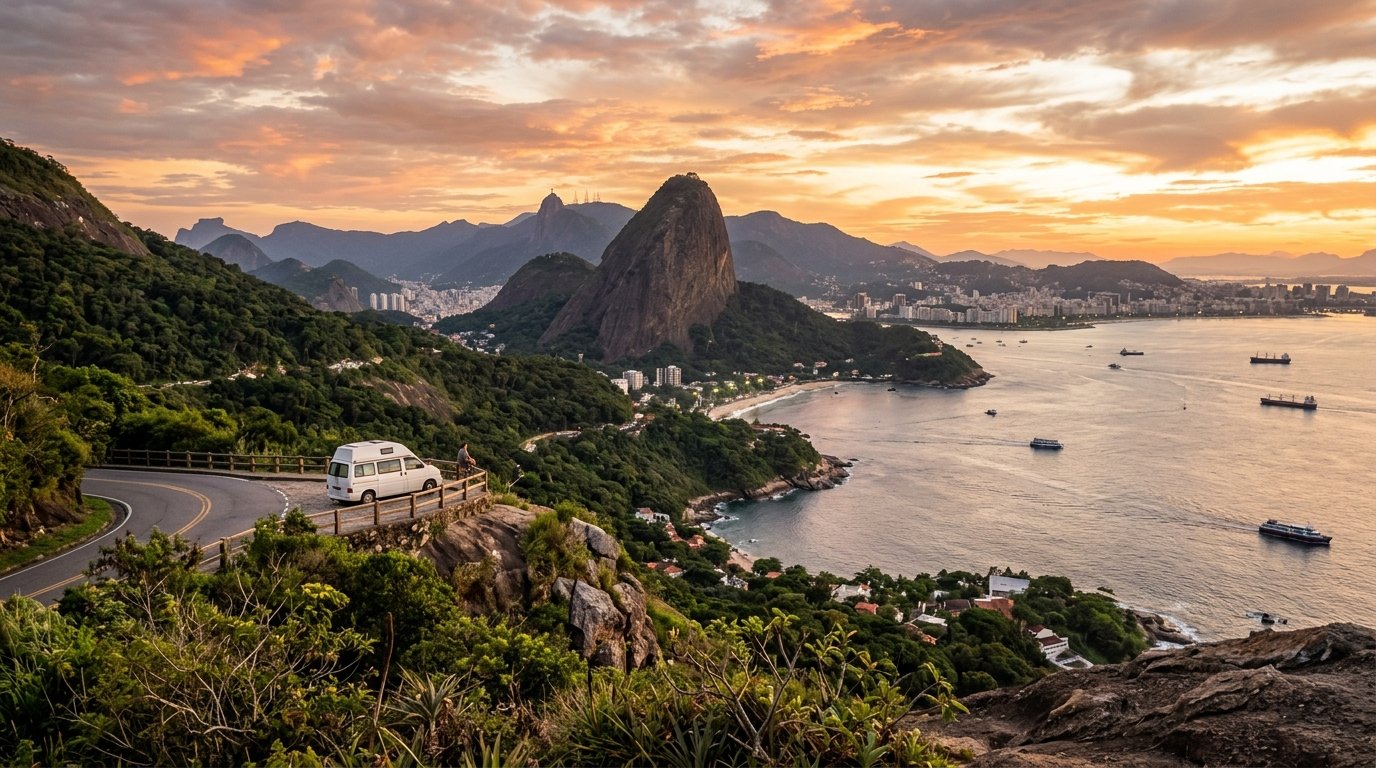
- Gas Station Camping: The backbone of Brazilian van life is the 24-hour gas station (posto de gasolina). It is heavily utilized by truckers and overlanders to sleep in their vehicles. These stations offer safety, cheap meals, and paid showers.
- City and Street Parking: Sleeping in your van on the streets of major cities (like Rio de Janeiro or São Paulo) is highly discouraged due to high crime rates. Local municipalities in prime coastal towns also increasingly enforce ordinances against overnight vehicle habitation.
- Designated Areas: Tourists are advised to use overlanding apps to find safe, reviewed spots. When visiting cities, overland travelers often pay for secure, gated parking lots or designated RV parks (campings) located on the outskirts.
5. 🔥 Campfires & Practical Restrictions
- Campfire Laws: Open campfires are broadly prohibited across Brazil under federal environmental laws (Lei de Crimes Ambientais) due to the severe threat of wildfires. Lighting a fire on a beach, in a forest, or in a national park outside of a permanent, designated fire pit is illegal and carries heavy fines or potential jail time. Always rely on a portable gas stove for cooking.
- Indigenous Reserves: Never attempt to camp in or near indigenous territories (demarcated by FUNAI). Access by foreigners is strictly prohibited without federal authorization, and trespassing can result in severe legal consequences or physical danger.
- Border Regions and Favelas: Avoid stopping overnight near international borders (often hotspots for smuggling) or near unmapped urban areas and favelas.
6. 🔗 Official Sources & Links
To verify up-to-date rules, trail closures, and permit requirements for national parks, visit the Chico Mendes Institute for Biodiversity Conservation (ICMBio).
For general travel advisories, regional guidelines, and approved tourism operators, consult Visit Brasil, the official tourism board.
Disclaimer: Camping regulations, land-use laws, and security conditions in Brazil change frequently. Always verify current rules, fire bans, and safety advisories with official local authorities, park rangers, or a trusted local guide before embarking on your trip.

Adrenaline junkie with a passion for exploring off-the-beaten-path destinations and finding unique ways to stay active. Expect stunning scenery, challenging workouts, awesome travel tips and a whole lot of fun. Let’s get sweaty and explore the world together!