1. 🏕️ The Short Answer
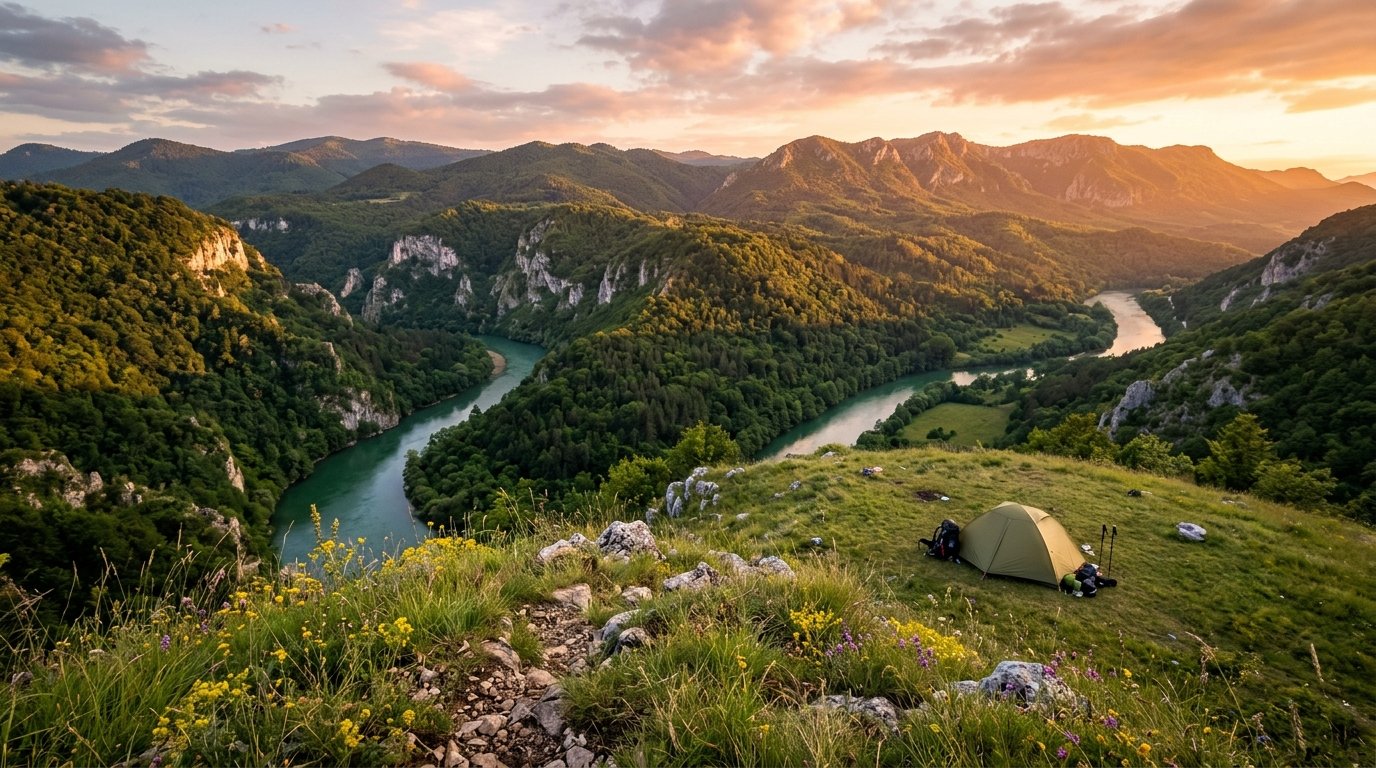
In Bosnia and Herzegovina, wild camping is officially prohibited by national and regional hospitality laws, but in practice, it is widely tolerated by authorities in rural areas. However, for foreign tourists, the greatest barrier to wild camping is not law enforcement, but extreme safety risks: the country still has a significant number of unexploded landmines from the 1990s conflict, making off-trail wilderness camping highly dangerous.
2. 🌲 Wild & Dispersed Camping Rules
- Legality on Public Land: According to local hospitality acts, camping outside of registered campsites is technically a finable offense. However, enforcement is incredibly relaxed, and rural wild camping is widely tolerated by locals and police alike as long as you are respectful.
- Duration and Proximity: Because wild camping exists in a legal grey area, there are no official dispersed camping limits. Unwritten rules dictate staying no more than 1 to 2 nights, staying well out of sight of roads, and asking permission before pitching a tent on private farmland.
- Enforcement and Safety: Police and rangers rarely enforce the wild camping ban unless you are setting up camp in a tourist hotspot, near state buildings, or leaving trash. CRITICAL SAFETY WARNING: You must never camp on overgrown, unmaintained, or abandoned land due to the severe threat of landmines. If you cannot confirm an area is cleared or frequently used by locals, do not camp there.
3. 🏞️ National Park & Protected Area Rules
- Permits and Zones: In national parks like Sutjeska and Una, wild camping is strictly forbidden and actively enforced by park rangers. You cannot camp freely in the backcountry.
- Designated Sites: You must use official, designated campgrounds (often called “Autokamps” or eco-camps) located within or near the park borders. Advance booking is highly recommended during the peak summer months (July and August).
- Seasonal Rules: Due to heavy snowfall, many mountainous park facilities close from late autumn to early spring. During the summer, strict fire bans are implemented across all protected areas to prevent forest fires.
4. 🚐 Van Life & Overnight Vehicle Sleeping
- Overnight Parking: Sleeping in your van in a public car park, rest stop, or rural pull-out is generally tolerated, provided you are just parking for the night and not setting up a full camp.
- Parking vs. Camping: While the law doesn’t formally distinguish between the two, local authorities expect vanlifers to keep a low profile. Deploying awnings, camping chairs, and outdoor cooking equipment in public lots crosses the line from “parking” to “camping” and may result in you being asked to move or fined.
- Designated Areas: Bosnia and Herzegovina has an extensive network of cheap, family-run Autokamps (especially along the Una, Neretva, and Drina rivers). For just a few Euros a night, tourists are highly encouraged to use these rather than free-camping, as they offer safety, legal peace of mind, and traditional Bosnian hospitality.
5. 🔥 Campfires & Practical Restrictions
- Campfires: Open campfires are generally banned during the dry summer months due to a high risk of forest fires. When permitted in the off-season, they must only be lit in designated fire rings. Never light a fire on uncleared wild land—intense heat can trigger buried explosives.
- Landmines: This is the single most important practical restriction in the country. Over 2% of the territory remains contaminated by landmines. Never ignore red warning signs with a skull and crossbones (“Pazi, Mine!”). Avoid abandoned villages, ruined buildings, and overgrown fields. Stick strictly to paved roads and heavily trafficked paths.
- Border Regions: Avoid camping directly on the borders with Croatia, Serbia, or Montenegro. Border police heavily patrol these areas for illegal crossings and smuggling, and you will likely be questioned or moved along.
6. 🔗 Official Sources & Links
To verify current regulations and check critical landmine safety maps, please consult the following official resources:
- Mine Safety: Check the official Bosnia and Herzegovina Mine Action Centre (BHMAC) for up-to-date mine maps and their downloadable safety app.
- National Parks: Review specific camping rules and fees at the official Una National Park or Sutjeska National Park websites.
Disclaimer: Land-use laws, park regulations, and environmental conditions change frequently. Always verify current rules with local authorities, tourist information centers, or park rangers before embarking on your trip, and prioritize safety regarding uncleared minefields.

Adrenaline junkie with a passion for exploring off-the-beaten-path destinations and finding unique ways to stay active. Expect stunning scenery, challenging workouts, awesome travel tips and a whole lot of fun. Let’s get sweaty and explore the world together!