1. 🏕️ The Short Answer
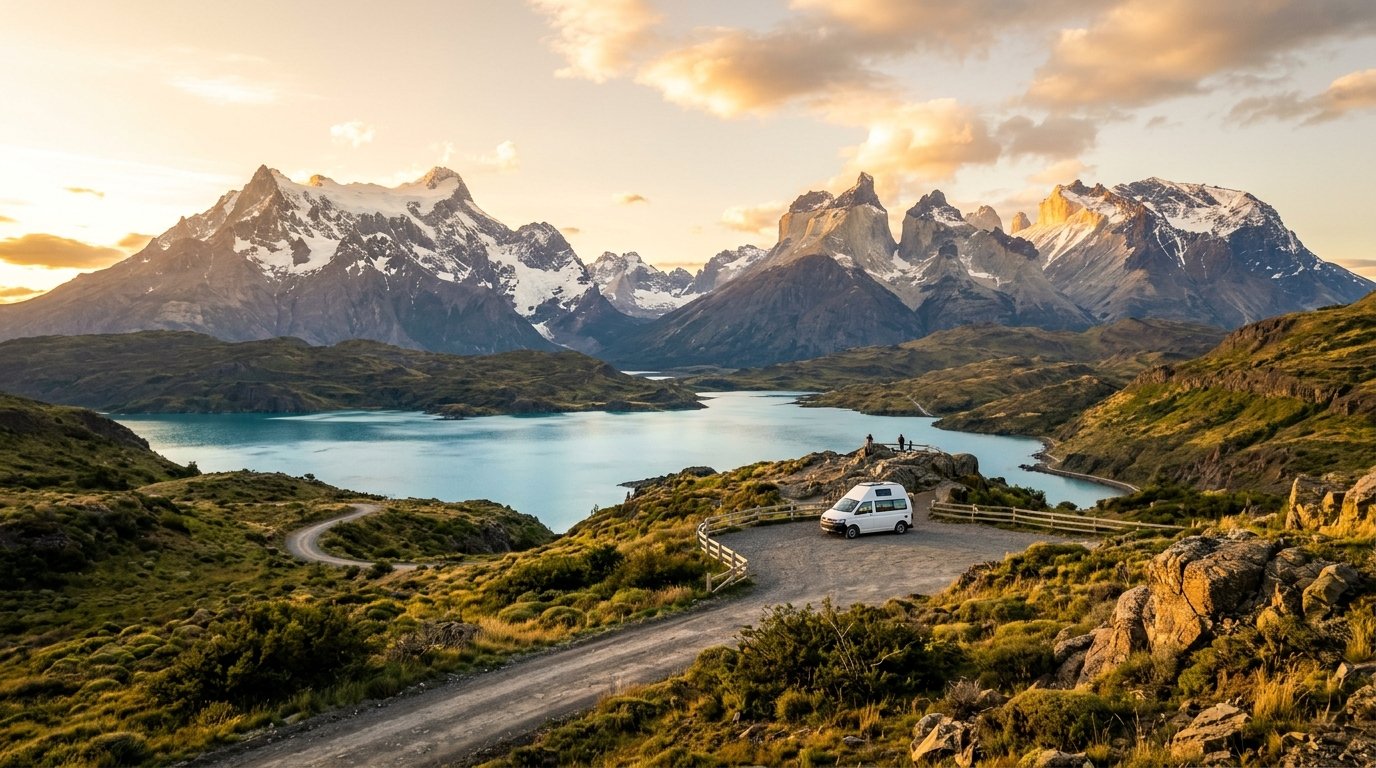
Wild camping and van life are highly tolerated, widely practiced, and generally legal on public land across Argentina, making it one of the most camper-friendly destinations in the world. However, inside National Parks and provincial reserves, wild camping is strictly forbidden, and tourists must stay within designated camping libre (free) or paid campsites.
2. 🌲 Wild & Dispersed Camping Rules
- Legality on Public Land: Outside of National Parks and urban centers, dispersed camping is legal and culturally embraced. The vast expanses of Patagonia and the Andes allow for easy, unregulated camping on public lands.
- Duration and Distance Rules: There are no strict national duration limits or distance rules for wild camping on general public land. However, you must avoid fenced areas (which indicate private ranches or estancias) and follow general Leave No Trace principles, such as camping at least 60 meters (200 feet) from lakes and water sources.
- Enforcement: Enforcement outside of protected areas is incredibly rare. Police and locals are generally welcoming to foreign tourists and overlanders, provided you are respectful, do not leave trash, and do not block roads.
3. 🏞️ National Park & Protected Area Rules
- Permit Systems: In Argentina’s National Parks (such as Los Glaciares, Nahuel Huapi, and Tierra del Fuego), wild camping outside of officially designated zones is strictly illegal.
- Designated Sites & Bookings: Parks utilize a mix of paid private camps and free rustic sites (campamentos libres/agrestes). Crucial update: Due to overcrowding, highly popular free trekking campsites in Los Glaciares National Park (such as Poincenot and Capri near El Chaltén) now require mandatory advance reservations. Peninsula Valdés prohibits camping entirely.
- Seasonal Closures: Many backcountry campsites and trails close entirely during the Patagonian winter (May through September). High winds, fire risks, or puma breeding seasons can also trigger abrupt, temporary trail closures.
4. 🚐 Van Life & Overnight Vehicle Sleeping
- Sleeping in Vehicles: Sleeping overnight in your campervan or rental car is perfectly legal and incredibly common. There are no national laws banning you from sleeping in a legally parked vehicle on the roadside or in public car parks.
- Parking vs. Camping: While municipalities do not aggressively differentiate between parking and camping, it is best practice to keep a low profile in towns. If you do not deploy awnings, camping chairs, or rooftop tents in city centers, you will not face issues.
- Designated Overnight Areas: Argentina has an incredible network of large gas stations (particularly YPF stations) that act as unofficial overland hubs. They are safe, legal to sleep at, and often provide free Wi-Fi, hot water dispensers for yerba mate, and paid showers. Most towns also have cheap Campings Municipales (municipal campsites) specifically for vans and tents.
5. 🔥 Campfires & Practical Restrictions
- Campfires: Open fires are strictly prohibited in all National Parks and protected areas due to the devastating history of wildfires in Patagonia. Fires are only permitted in purpose-built concrete fire pits (fogones) at designated campsites. Gathering firewood is also illegal; tourists must bring portable gas stoves for cooking. Fines are massive, and tourists can be criminally charged and deported for illegal fires.
- No-Camp Zones: Avoid camping in dried riverbeds (quebradas) in the Andean Northwest due to lethal flash floods. Do not camp on private, fenced estancias without permission, near international border checkpoints, or in explicit wildlife conservation zones like Peninsula Valdés.
6. 🔗 Official Sources & Links
To verify the latest park conditions, trail closures, and camping permit requirements, visit the official Argentine National Parks Administration (Administración de Parques Nacionales):
Disclaimer: Camping regulations, land access, and permit requirements change frequently due to environmental preservation efforts and weather conditions. Travelers should always consult official park rangers, local tourism boards, or visitor centers upon arrival in Argentina before embarking on a trip.

Adrenaline junkie with a passion for exploring off-the-beaten-path destinations and finding unique ways to stay active. Expect stunning scenery, challenging workouts, awesome travel tips and a whole lot of fun. Let’s get sweaty and explore the world together!