
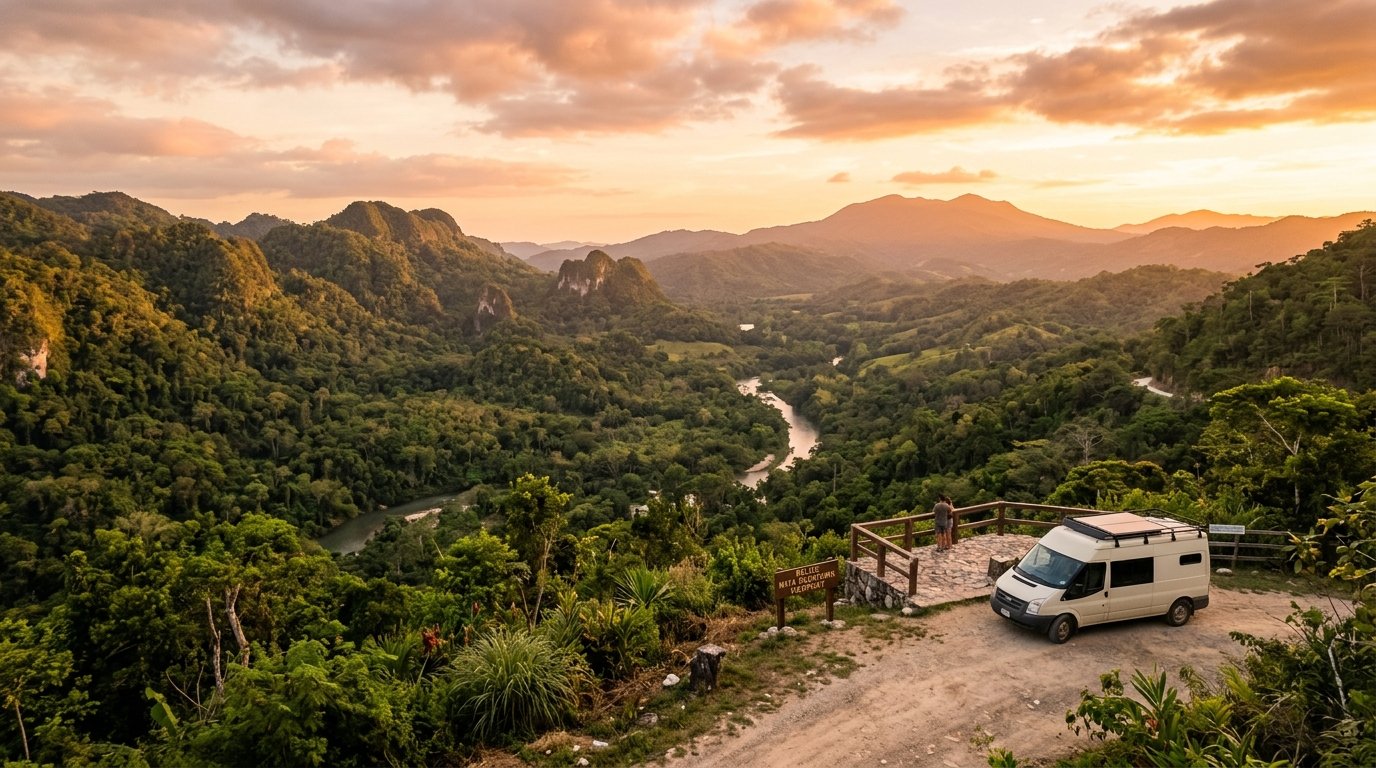
1. 🏕️ The Short Answer
Wild and dispersed camping is effectively illegal for tourists in Belize, as there is no general right to spontaneous free camping on public or private land. To camp legally, travelers must rely on designated campsites, obtain explicit permission from private landowners, or secure specific permits from the Forest Department to camp in protected forest reserves.
2. 🌲 Wild & Dispersed Camping Rules
- Legality on Public Land: Wild camping outside of official campsites is illegal on public land in Belize. Unlike countries with right-to-roam laws, Belize’s public lands, beaches, and forests are strictly managed.
- Duration and Distance Rules: Because spontaneous wild camping is not permitted, standard duration or distance rules do not apply. However, if you obtain explicit permission to camp on remote cayes (islands) or private property, it is generally expected that you stay no more than 1 to 2 nights and practice strict Leave No Trace principles.
- Enforcement: Enforcement is actively managed by local rangers, the Forest Department, and private landowners. Camping in restricted zones without permission will result in eviction and potential fines, particularly in ecologically sensitive or high-tourism areas.
3. 🏞️ National Park & Protected Area Rules
- Permit System: Yes, the Belize Forest Department requires a specific Camping Permit to enter and camp within Forest Reserves. Foreign tourists are subject to a fee (currently $5.00 BZD per person, per night) which must be paid and arranged in advance.
- Designated Sites: Camping within national parks, wildlife sanctuaries (like Cockscomb Basin), and natural monuments is strictly confined to designated campgrounds. Advance booking through the Belize Audubon Society or the Forest Department is highly recommended.
- Seasonal Closures: Access to certain backcountry areas and dirt access roads may be closed during the wet season (June to November) due to flooding. Conversely, extreme dry seasons may result in temporary closures of specific trails or parks to prevent human-caused wildfires.
4. 🚐 Van Life & Overnight Vehicle Sleeping
- Roadside and Car Park Sleeping: Sleeping overnight in your vehicle on public streets, public beaches, or highway rest stops is generally not permitted and is heavily discouraged for safety reasons.
- Parking vs. Camping: Belizean authorities recognize setting up a van (e.g., popping the roof, setting out chairs) as camping, which is illegal in public parking areas. Even stealth camping inside a parked vehicle is technically a violation of local municipal ordinances if done on public property.
- Designated Overnight Areas: Belize does not have public rest areas or European-style aires meant for overnight sleeping. Van lifers and RVers should rely on established RV parks, eco-lodges, or private businesses (such as restaurants or farms) that allow overnight parking for a fee. Apps like iOverlander are widely used by tourists to find these private, van-friendly spots.
5. 🔥 Campfires & Practical Restrictions
- Campfire Regulations: Open campfires are heavily restricted. Belize experiences a severe dry and fire season from February 15th to June 15th. During this period, the government frequently issues strict fire bans under Environmental Protection regulations, prohibiting all open burning. Even when permitted in designated fire rings at official campsites, fires must be kept small and never left unattended.
- No-Camp Zones: Tourists should strictly avoid attempting to camp at archaeological reserves (Mayan ruins), military zones, border regions (particularly the dense jungle borders with Guatemala due to safety and anti-smuggling patrols), and protected marine reserves unless participating in an officially guided expedition.
6. 🔗 Official Sources & Links
For the most up-to-date permit applications, park fees, and seasonal alerts, please consult these official resources:
- Belize Forest Department (for camping permits, fire bans, and protected area rules)
- Belize Tourism Board (for official travel advisories and registered campgrounds)
Disclaimer: Camping and land-use laws in Belize change frequently, particularly regarding fire bans and protected area access. Travelers should always verify current regulations with official local authorities or ranger stations immediately prior to their trip.

Adrenaline junkie with a passion for exploring off-the-beaten-path destinations and finding unique ways to stay active. Expect stunning scenery, challenging workouts, awesome travel tips and a whole lot of fun. Let’s get sweaty and explore the world together!