1. 🏕️ The Short Answer
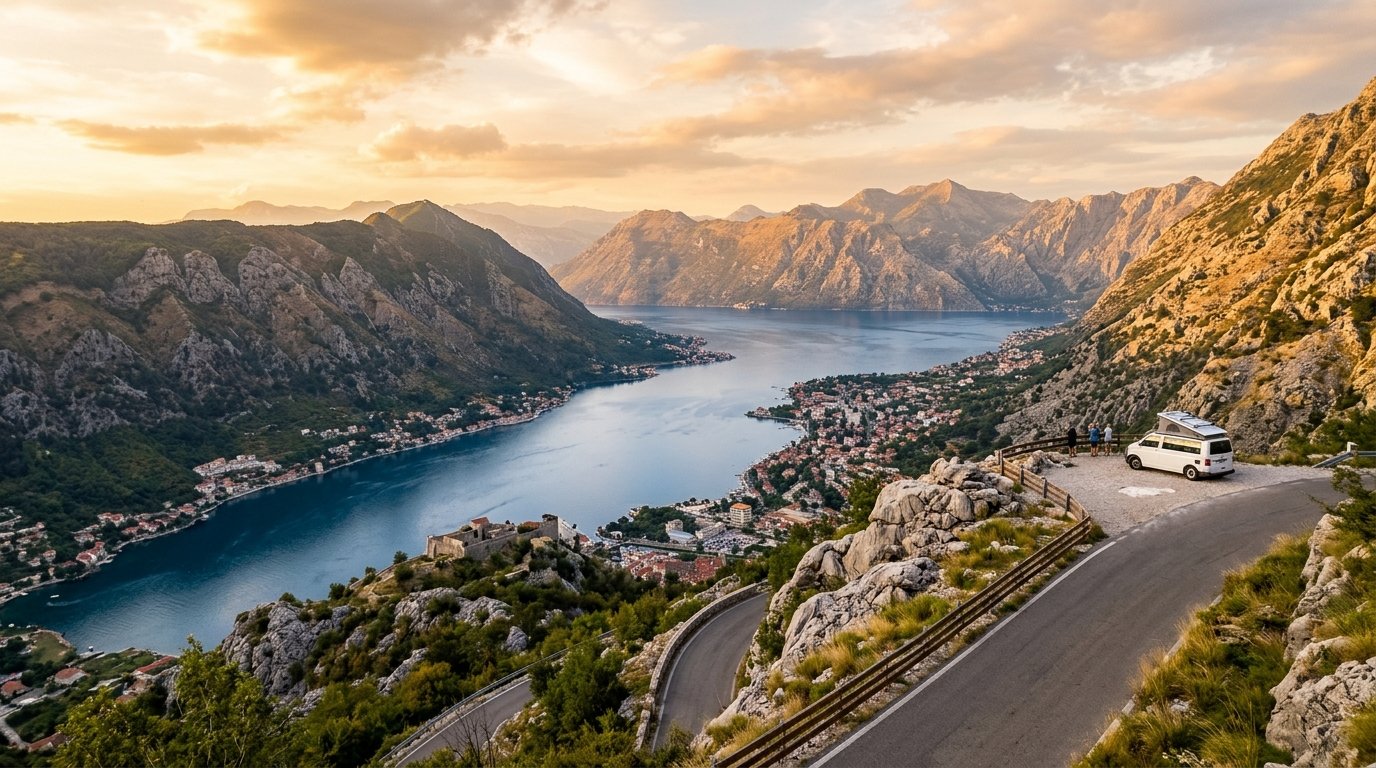
Wild and dispersed camping is officially illegal in Montenegro for tourists under national tourism laws, but in practice, it exists in a highly tolerated grey area. While camping on coastal beaches or inside National Parks is strictly forbidden and actively policed, pitching a tent or parking a van for a single night in remote, inland mountain areas is generally ignored by authorities if you are respectful and discreet.
2. 🌲 Wild & Dispersed Camping Rules
- Is camping outside official campsites legal? No. Under Montenegro’s Law on Tourism and Hospitality, camping outside of registered campsites or designated areas is prohibited on public land. Fines for breaking this rule can range from €200 to €2,000.
- Is it actively enforced? Enforcement is highly area-specific. On the coast, near beaches, and around popular tourist towns (like Kotor or Budva), enforcement is strict; locals, wardens, or private security will often ask you to leave or call the police. In the rural, mountainous interior, a “leave no trace” one-night stay is usually tolerated by locals and authorities.
- The Tourist Registration Catch: By law, foreign tourists must register with the local police or a tourist office within 24 hours of arrival. Official campsites and hotels process this mandatory paperwork for you automatically. Wild camping makes this registration difficult, putting you in a legal catch-22 if questioned by police.
3. 🏞️ National Park & Protected Area Rules
- Are there separate permit systems? Montenegro has five stunning National Parks (Durmitor, Biogradska Gora, Lovćen, Skadar Lake, and Prokletije). Wild camping anywhere inside these park boundaries is strictly banned. You cannot purchase a permit to wild camp in the backcountry.
- Designated Sites: You must use the official, designated campsites or eco-camps located within or just outside the park boundaries. These require paying a modest fee (often €5 to €15 per night) which contributes to park maintenance and ranger services.
- Booking and Closures: Most park campsites operate on a first-come, first-served basis, though booking ahead is highly recommended in the peak summer months of July and August.
4. 🚐 Van Life & Overnight Vehicle Sleeping
- Parking vs. Camping: Montenegrin law makes a strict distinction between parking and camping. You are legally permitted to park and sleep inside your vehicle to “restore your driving ability.” However, the moment you display “camping behavior,” it becomes illegal.
- The Awning Rule: If you roll out an awning, place chairs or tables outside, use leveling blocks, pop up your roof tent, or cook outside, you are legally camping and vulnerable to fines. If you keep all activities entirely inside a parked vehicle without an external setup, you are legally just parking.
- Designated Overnight Areas: Instead of wild camping, tourists should look for “Auto-camps.” These are small, legally registered family-run plots or household driveways that cost very little (usually €10 to €20) and cater specifically to vanlifers with basic facilities.
5. 🔥 Campfires & Practical Restrictions
- Campfire Rules: Open campfires are strictly banned during the summer months due to the extreme risk of forest fires in the Mediterranean climate. You should rely entirely on enclosed gas camping stoves for cooking and never leave them unattended.
- No-Camp Zones to Avoid: Avoid border zones (especially near Kosovo and Albania where border patrols are active), military installations, state-owned buildings, and private agricultural land unless you have explicit permission from the owner.
- Beaches: Never attempt to wild camp on the beaches along the Adriatic Coast; these areas are heavily monitored by local wardens and private beach bar security overnight.
6. 🔗 Official Sources & Links
To verify the most up-to-date rules, national park fees, and official campsite locations, consult the following authoritative resources:
- National Parks of Montenegro (Nacionalni parkovi Crne Gore)
- National Tourism Organisation of Montenegro
Disclaimer: Camping and land-use laws, as well as tourist registration requirements, change frequently. The information provided in this guide is for general planning purposes. Travelers should always verify current regulations, seasonal fire bans, and local bylaws with official Montenegrin sources or local tourist offices before their trip.

Adrenaline junkie with a passion for exploring off-the-beaten-path destinations and finding unique ways to stay active. Expect stunning scenery, challenging workouts, awesome travel tips and a whole lot of fun. Let’s get sweaty and explore the world together!