
1. 🏕️ The Short Answer
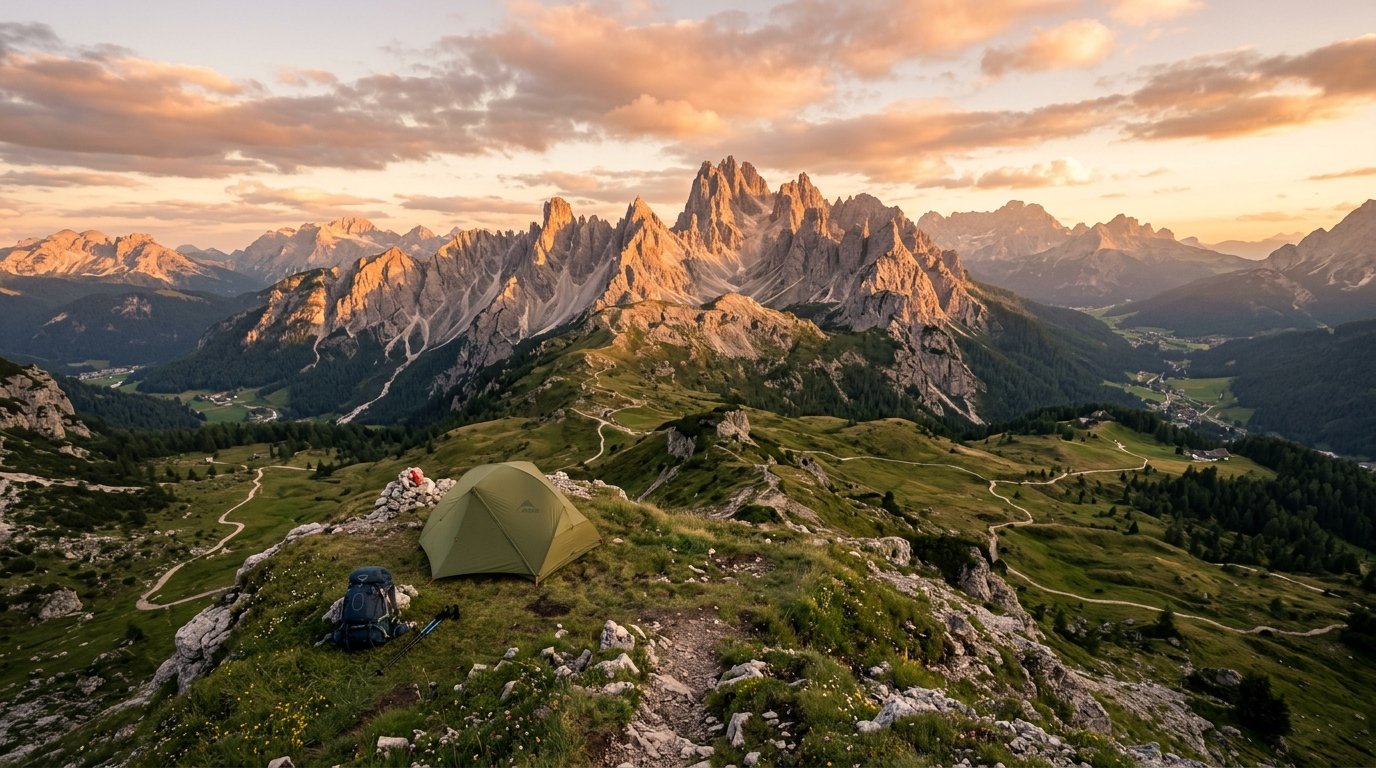
For tourists, wild and dispersed camping in Italy is effectively illegal across most of the country. While Italy is incredibly welcoming to van life through its network of designated rest areas, pitching a tent in the wild, on beaches, or in valleys is strictly prohibited and can result in heavy fines. The only exception is high-altitude “bivouacking” (setting up a small tent solely from dusk to dawn), which is heavily regulated and mostly restricted to mountaineers traversing long-distance alpine routes.
2. 🌲 Wild & Dispersed Camping Rules
- Legality: Wild camping outside of official campsites is broadly illegal on both public and private land. Italy’s regions set their own tourism and land-use laws, and almost all heavily restrict or outright ban pitching a tent in natural areas.
- Bivouacking Exception: The law distinguishes between “camping” (staying in one spot for days) and “bivouacking” (an overnight shelter pitched at sunset and dismantled by sunrise, typically between 7 PM and 8 AM). Bivouacking is sometimes tolerated, but usually only in high-altitude environments above the tree line and far from official roads. Travelers must adhere to strict “leave no trace” principles.
- Enforcement: Enforcement is very strict in tourist-heavy areas, coastal regions, and popular valleys. The forest police (Carabinieri Forestale) and local authorities actively patrol these areas, and fines for illegal camping can be hundreds of euros.
3. 🏞️ National Park & Protected Area Rules
- Strict Bans: National and regional parks generally have outright bans on wild camping to protect fragile ecosystems.
- Refuges and Designated Sites: In protected mountain areas, such as the Dolomites or Mont Blanc massif, you must stay in designated mountain huts (rifugi) or official campsites. Some specific long-distance trails have small, designated bivouac zones, but these are for hikers passing through and strictly regulated. Advanced booking for mountain huts is mandatory during the busy summer season.
- Seasonal Rules: During the summer, dry conditions trigger strict fire and land-access regulations. High mountain bivouacs are intended as emergency alpine shelters, though some are used by multi-day trekkers, which is currently a heavily debated topic in heavily trafficked parks.
4. 🚐 Van Life & Overnight Vehicle Sleeping
- Parking vs. Camping: Under Italian Highway Code Article 185, sleeping in a legally parked vehicle is generally tolerated as long as you do not exhibit “camping behavior”. This means your vehicle must rest only on its wheels (no leveling blocks), and you cannot set up an awning, place chairs outside, or use slide-outs.
- Aree di Sosta: Italy is a fantastic destination for van life because of its massive official network of Aree di Sosta (motorhome rest areas). These are designated spots specifically for campervans and RVs. Many offer fresh water, waste disposal, and electricity. Some are completely free, while others charge a small fee. Duration limits apply, usually restricting stays to a maximum of 24 to 48 hours.
- Location Restrictions: You cannot sleep in your vehicle at tourist hotspots, beach car parks, or within national parks unless you are in an explicitly designated overnight parking zone.
5. 🔥 Campfires & Practical Restrictions
- Campfires are Banned: Open campfires are strictly prohibited across Italy’s wilderness, forests, and beaches. Summer temperatures bring extreme wildfire risks, and causing a fire (even accidentally) is a severe criminal offense. Always use a portable gas stove for cooking.
- No-Camp Zones: Beyond general bans, tourists must absolutely avoid setting up camp near military installations, agricultural land, archaeological sites, and anywhere along the coastline. Beaches are heavily patrolled, and sleeping on the sand or in beachside parking lots is strictly monitored and heavily fined.
6. 🔗 Official Sources & Links
Because camping rules are managed at the regional and municipal levels, you should always consult official park authorities and local tourism boards before your trip. For a comprehensive map of Italy’s national and regional parks, visit Parks.it. For van lifers looking for designated overnight parking, the official Italian camper portal CamperOnline’s Aree di Sosta database is an essential resource.
Disclaimer: Travel regulations, local ordinances, and land-use laws in Italy change frequently. Always verify the most current rules with local tourism offices, park rangers, or official government portals prior to your trip to avoid fines and protect the environment.

Adrenaline junkie with a passion for exploring off-the-beaten-path destinations and finding unique ways to stay active. Expect stunning scenery, challenging workouts, awesome travel tips and a whole lot of fun. Let’s get sweaty and explore the world together!