
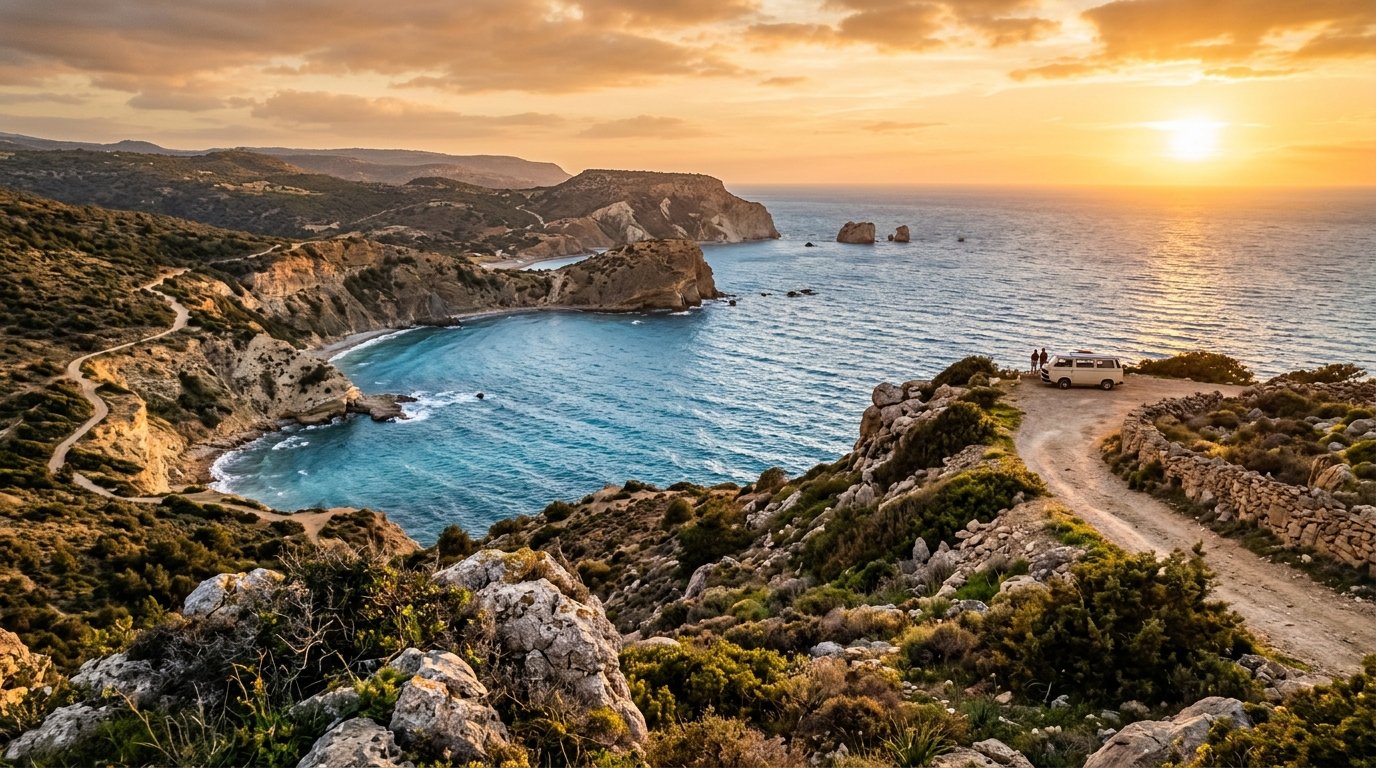
1. 🏕️ The Short Answer
Wild and dispersed camping is officially illegal in Cyprus. It is strictly prohibited in state forests, national parks, and on public beaches. While tourists may hear that pitching a tent is sometimes tolerated in remote coastal spots during the off-season, it remains unlawful. Setting up camp outside of designated campsites puts tourists at risk of significant fines, eviction by local police, and severe legal trouble regarding Cyprus’s incredibly strict fire laws.
2. 🌲 Wild & Dispersed Camping Rules
- Legality for Tourists: Pitching a tent outside official campsites on public land is strictly illegal. Inside state forests, illegal camping is an offense that carries a maximum penalty of up to one year in prison or a fine of up to €5,000. On beaches, local district administrators set the rules, which similarly prohibit wild camping.
- Distance and Duration: Because wild camping is generally illegal, there are no official distance or duration rules that permit it. You cannot legally stay one or two nights anywhere on public land outside an organized site.
- Enforcement: In the mountains, state forests, and protected coastal areas, the Forestry Department actively patrols and strictly enforces these rules, especially during the summer. While police or locals may occasionally turn a blind eye to a discreet tent on a remote beach in the winter, enforcement ramps up significantly during the peak tourist season (July and August).
3. 🏞️ National Park & Protected Area Rules
- Permit Systems: Cyprus does not have a dispersed backcountry permit system for tourists. Camping in national forest parks (such as the Akamas Peninsula and Troodos Mountains) is strictly limited to a handful of officially designated Forestry Department campsites.
- Designated Sites Only: You must stay within the boundaries of specific sites like Platania, Stavros tis Psokas, and Kampi tou Kalogyrou. Be aware that Cyprus features many “picnic sites” equipped with barbecue grills; it is illegal to camp overnight at these picnic sites. A small overnight fee is usually required at official campsites.
- Seasonal Closures: Many official mountain campsites operate seasonally or may close for renovations. Furthermore, authorities routinely close access to forest trails and dirt roads during extreme heatwaves to prevent human-caused wildfires.
4. 🚐 Van Life & Overnight Vehicle Sleeping
- Overnight Vehicle Sleeping: Cyprus does not have a blanket national ban on sleeping in a legally parked vehicle like some other European destinations. However, overnighting in a vehicle inside state forests outside of official campsites is explicitly prohibited and treated as illegal camping.
- Parking vs. Camping: There is a major legal distinction between “parking” and “camping”. If you park legally in a town or standard coastal car park and sleep inside your van without setting anything up, it is generally tolerated. The moment you roll out an awning, set up camping chairs, use leveling blocks, or cook outside, you are “camping” and open yourself up to fines.
- Designated Areas: Cyprus lacks the extensive network of free motorhome rest areas (aires) found in mainland Europe. Van lifers must rely on official campsites. While apps like Park4Night list spots, many coastal car parks feature signs explicitly banning overnight parking, which local municipalities enforce to prevent tourist basecamps.
5. 🔥 Campfires & Practical Restrictions
- Campfires: Fires are taken extremely seriously due to the devastating risk of summer wildfires. Lighting a fire inside a state forest or within two kilometers of its boundary—outside of designated barbecue spots—is a major crime. The penalty is up to 12 years in prison, a fine of up to €100,000, or both. Open fires on beaches or wild areas are broadly banned. Never start a wild campfire in Cyprus.
- No-Camp Zones: Aside from state forests and national parks, tourists must absolutely avoid the UN Buffer Zone (the Green Line) dividing the island, as well as military bases (including the UK Sovereign Base Areas like Akrotiri and Dhekelia). You must also avoid environmentally sensitive Natura 2000 zones, such as Lara Beach, which are highly protected loggerhead turtle nesting grounds.
6. 🔗 Official Sources & Links
To verify the latest updates, campsite availability, and seasonal fire restrictions, tourists should consult these official sources:
Disclaimer: Land-use and camping laws change frequently, and seasonal fire bans or area closures are highly dependent on the weather. Travelers should always verify rules with official local authorities or trusted tourism offices immediately prior to their trip.

Adrenaline junkie with a passion for exploring off-the-beaten-path destinations and finding unique ways to stay active. Expect stunning scenery, challenging workouts, awesome travel tips and a whole lot of fun. Let’s get sweaty and explore the world together!