
1. 🏕️ The Short Answer
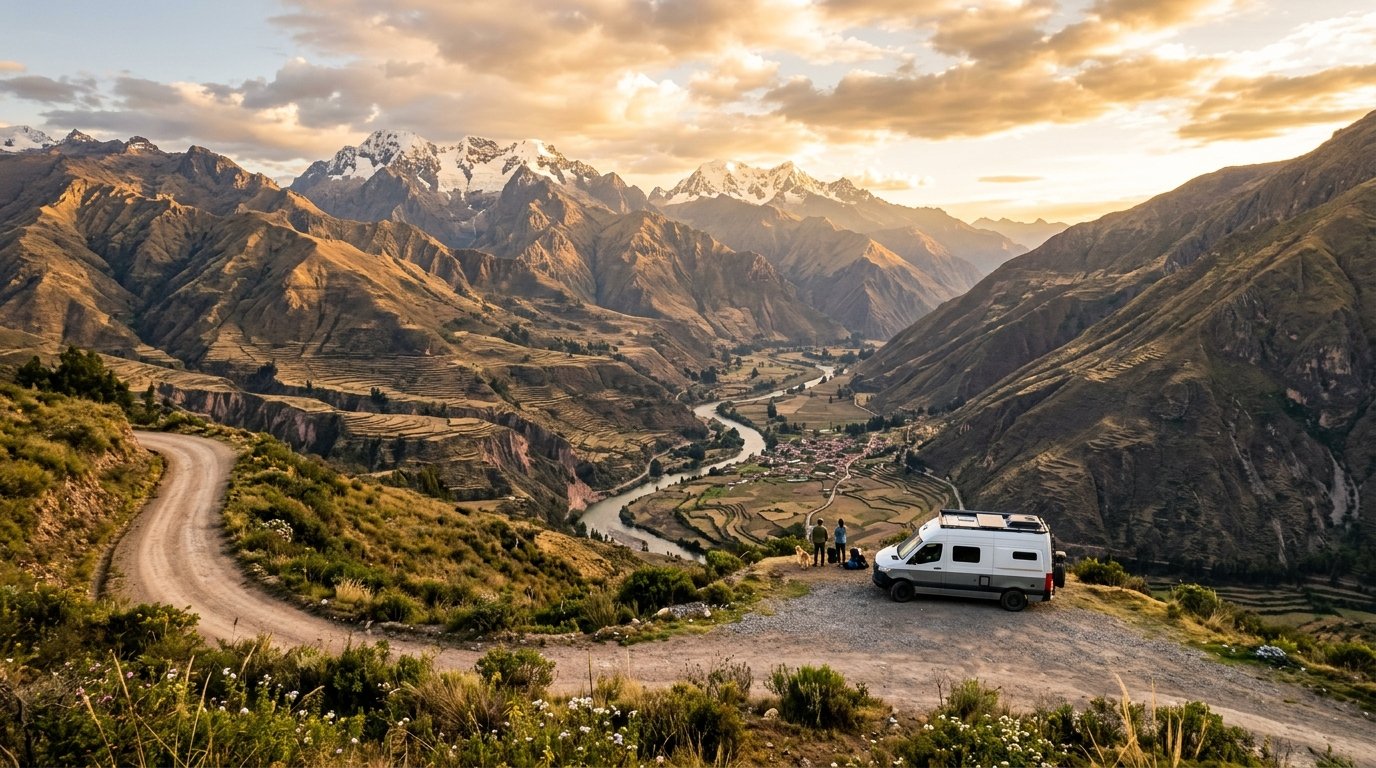
Wild and dispersed camping is generally tolerated in a legal grey area across Peru’s vast remote landscapes, but it is strictly restricted or outright banned within National Parks, protected reserves, and archaeological zones. For foreign tourists, van life and backcountry camping are widely practiced and rarely penalized by law enforcement on public lands, provided you avoid private property and prioritize your personal safety.
2. 🌲 Wild & Dispersed Camping Rules
- Legality on Public Land: Peru has no national legislation expressly banning wild camping. Pitching a tent in remote mountain ranges or desert areas outside of protected zones is generally tolerated and very common among adventure travelers.
- Distance and Duration Limits: There are no codified laws limiting how long you can stay or how far you must be from roads or water sources. However, if you are near a village or on farmland, you should seek permission from the local community or landowner before setting up camp.
- Enforcement: In the backcountry, enforcement by police or authorities is virtually non-existent. Your primary concern will be security rather than police fines. Keep a low profile, do not flaunt valuables, and consider camping slightly out of sight from major highways to prevent theft.
3. 🏞️ National Park & Protected Area Rules
- Strict Permit Systems: Protected areas managed by SERNANP (the national park authority) have rigorous rules. The famous Inca Trail within the Historic Sanctuary of Machu Picchu strictly bans independent trekkers; you must hike with a licensed agency, be accompanied by a guide, and sleep only in assigned campsites.
- Designated Sites Only: In reserves like Paracas National Reserve or Huascarán National Park, wild camping is strictly prohibited. You must use designated camping zones, and advance booking or park entrance fees are required. Ignoring this can result in fines and immediate removal by park rangers.
- Seasonal Closures: Extreme weather dictates accessibility. February is the peak of the rainy season in the Andes, prompting the complete closure of the Inca Trail for maintenance and safety.
4. 🚐 Van Life & Overnight Vehicle Sleeping
- Overnight Parking: Sleeping in your campervan, 4×4, or RV is legal and widely accepted. Vanlifers frequently overnight at 24-hour gas stations (grifos), municipal public parks, or near local police stations, which often allow tourists to park safely nearby.
- Parking vs. Camping: Peru does not have strict European-style laws distinguishing between “parking” and “camping”. However, setting up tables, chairs, and awnings in a busy town square or unauthorized beach will draw unwanted attention and could prompt police to ask you to move.
- Designated Areas: Peru lacks official RV parks or “aires.” Tourists rely heavily on crowdsourced apps to find safe, community-vetted overnight spots, eco-lodges that allow van parking, or private properties offering secure parking for a small fee.
5. 🔥 Campfires & Practical Restrictions
- Campfire Regulations: Campfires are strictly banned in all national parks, protected areas, and along the entire Inca Trail network to prevent forest fires and protect archaeological sites. Outside protected zones, fires are not formally illegal, but extreme caution and “Leave No Trace” principles are expected.
- No-Camp Zones: Tourists should absolutely avoid camping in the VRAEM region (Valleys of the Apurímac, Ene, and Mantaro rivers) due to active narcotrafficking and military operations. Border regions (especially the remote borders with Colombia and parts of Ecuador) and urban outskirts of major cities like Lima should also be avoided due to severe crime risks.
6. 🔗 Official Sources & Links
For the most current information on protected areas, trail permits, and entry fees, consult:
- SERNANP (Servicio Nacional de Áreas Naturales Protegidas por el Estado) – The official government body managing Peru’s national parks and reserves.
- PromPerú (Peru.travel) – The official national tourism board for destination guides and travel safety advisories.
Disclaimer: Camping and land-use laws, as well as regional safety conditions, can change frequently. Always verify current regulations and travel advisories with official local sources, tourism offices, and park rangers before embarking on your trip.

Adrenaline junkie with a passion for exploring off-the-beaten-path destinations and finding unique ways to stay active. Expect stunning scenery, challenging workouts, awesome travel tips and a whole lot of fun. Let’s get sweaty and explore the world together!