
1. 🏕️ The Short Answer
Wild and dispersed camping in Malaysia falls into a legal grey area: while it is generally tolerated on unmanaged public lands and beaches, camping in National Parks and State Forest Reserves is strictly regulated and requires official permits. For foreign tourists, van life and stealth camping are easily accomplished and rarely penalized, provided you avoid protected jungles, respect local communities, and follow safety protocols regarding wildlife and weather.
2. 🌲 Wild & Dispersed Camping Rules
- Is camping outside official campsites legal? Malaysia operates under different legal jurisdictions (Peninsular Malaysia, Sabah, and Sarawak). While there is no blanket ban on wild camping on general public land or rural beaches, any entry into a State Forest Reserve (Hutan Simpan) legally requires a forestry permit. Without one, you are trespassing. However, on unmanaged public beaches or rural areas outside of protected zones, wild camping is widely tolerated for tourists.
- Are there duration limits or distance rules? There are no codified duration limits for dispersed camping on public land, but standard “Leave No Trace” etiquette dictates moving on after 1 to 2 nights. A critical local safety rule: never camp directly on riverbanks. Flash floods (kepala air) are common, sudden, and deadly in Malaysia.
- Is this actively enforced? In general public spaces or beaches, police enforcement against tourists is incredibly rare. However, if you are caught wild camping deep inside a State Forest Reserve without a permit, Forestry Department rangers will fine you and escort you out.
3. 🏞️ National Park & Protected Area Rules
- Do national parks have a separate camping permit system? Yes. To camp in any National Park (such as Taman Negara, Gunung Mulu, or Kinabalu), you must obtain an entry permit and a camping permit from the respective park authority (PERHILITAN in the Peninsula, Sabah Parks, or Sarawak Forestry).
- Is camping restricted to designated sites? Absolutely. Wild camping is strictly prohibited within National Parks. You must pitch your tent in designated campgrounds (e.g., Kuala Tahan in Taman Negara). Furthermore, many jungle trails now mandate that foreign tourists hire a licensed guide for safety.
- Are there seasonal closures? Yes. Malaysia experiences heavy monsoons. Parks, island campsites, and forest reserves on the East Coast of the Peninsula and parts of Borneo are frequently closed from November to February to protect tourists from extreme rainfall, landslides, and impassable seas.
4. 🚐 Van Life & Overnight Vehicle Sleeping
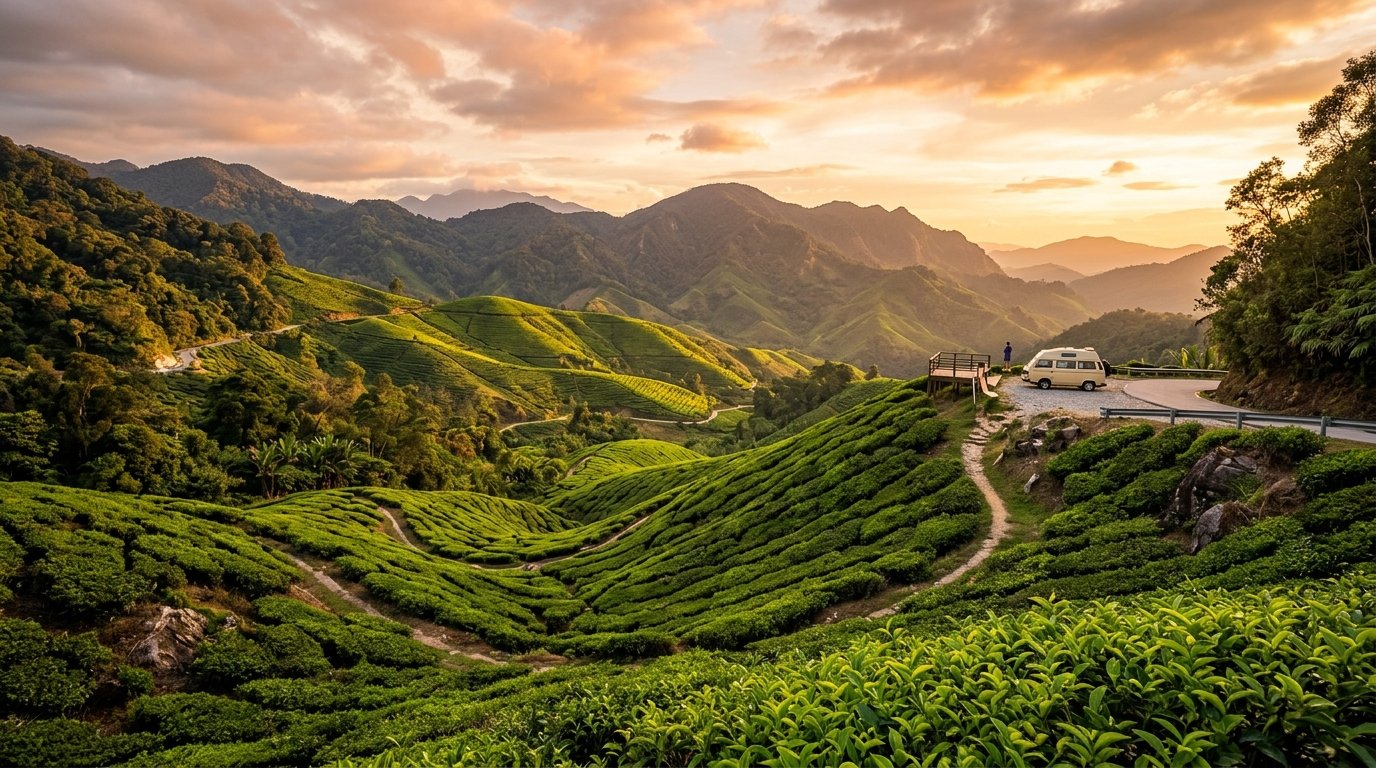
- Is it legal to sleep overnight in a vehicle? There are no specific laws criminalizing sleeping in your vehicle in Malaysia. “Stealth camping” in vans or 4x4s is highly tolerated in public car parks, towns, and nature spots. The main challenge for van life in Malaysia is not legality, but the intense tropical heat and humidity.
- Parking vs. Camping: The law does not strictly distinguish between the two, but local authorities will intervene if you set up a full campsite (chairs, awnings, cooking gear) in a public parking lot. Keep your footprint inside the vehicle if you are not at a designated campsite.
- Designated overnight areas: Malaysia has an excellent network of toll highway Rest and Service Areas (R&R). These areas are safe, legal for overnight vehicle sleeping, heavily monitored by CCTV, and equipped with food stalls, prayer rooms (surau), and free public showers.
5. 🔥 Campfires & Practical Restrictions
- Are open campfires allowed? Open burning is highly restricted in Malaysia under environmental and fire safety laws to prevent severe haze and peatland wildfires. While small, controlled cooking fires are allowed in metal fire rings at designated campsites, wild open campfires on the ground are heavily discouraged and can result in fines during dry season fire bans.
- Key no-camp zones to avoid:
- ESSZONE (Eastern Sabah Security Zone): The east coast of Sabah and its offshore islands have strict security protocols and curfews due to historical cross-border kidnapping and piracy threats. Never wild camp here.
- Military Areas & Borders: Avoid camping near the Thai border in the north or military installations.
- Unpermitted Jungles: Never wander into dense, unmapped jungle without a guide. Aside from legal penalties, the risk of getting lost or encountering dangerous wildlife (elephants, tigers, venomous snakes) is very real.
6. 🔗 Official Sources & Links
To apply for permits, check monsoon closures, and review the latest environmental regulations, consult these official authorities:
- Department of Wildlife and National Parks Peninsular Malaysia (PERHILITAN)
- Sabah Parks (Official Board)
- Sarawak Forestry Corporation
Disclaimer: Land-use laws, forestry regulations, and seasonal park closures in Malaysia change frequently based on weather conditions and government policy. The information provided in this guide is for educational purposes. Travelers should always verify current regulations, secure necessary permits, and check weather advisories with official local authorities before embarking on their trip.

Adrenaline junkie with a passion for exploring off-the-beaten-path destinations and finding unique ways to stay active. Expect stunning scenery, challenging workouts, awesome travel tips and a whole lot of fun. Let’s get sweaty and explore the world together!