
1. 🏕️ The Short Answer
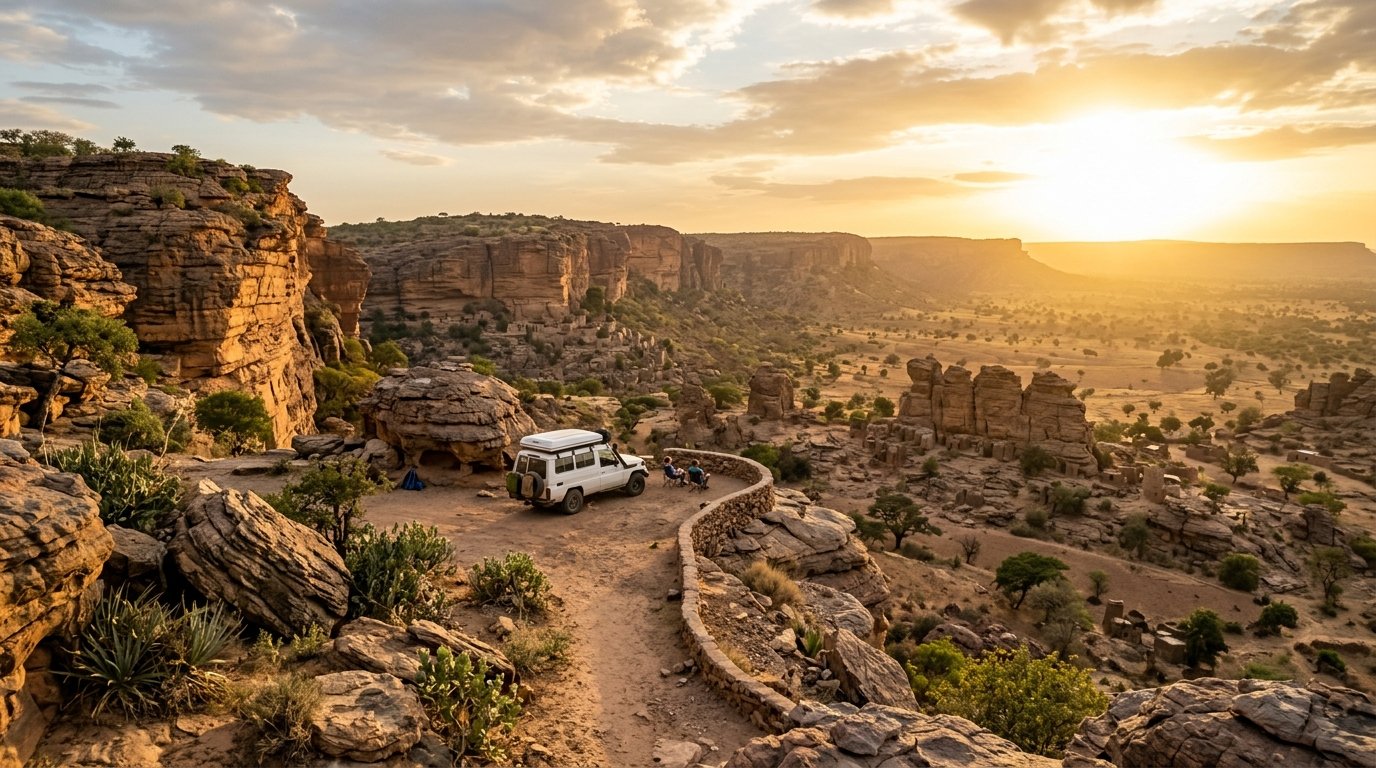
Recreational wild camping and van life in Mali are currently extremely dangerous and practically impossible for foreign tourists due to severe ongoing security threats. Due to active military conflicts, widespread terrorism, and a high risk of kidnapping, all major Western governments have issued Level 4 “Do Not Travel” advisories. While there is no single civil law explicitly banning outdoor camping, venturing outside the capital city of Bamako to sleep outdoors is effectively prohibited by military checkpoints and represents a life-threatening risk.
2. 🌲 Wild & Dispersed Camping Rules
- Is camping outside official campsites legal for tourists on public land? While Mali does not have a comprehensive recreational code explicitly banning wild camping, it is de facto prohibited for foreign tourists. Movement outside of Bamako is heavily restricted and closely monitored by military and security forces.
- Are there duration limits or distance rules? Because independent travel is heavily restricted by government checkpoints and armed groups, standard rules regarding duration limits or distance from roads are currently moot. Tourists are strongly advised never to wander into rural or desert areas.
- Is this actively enforced? Yes. Enforcement by military personnel, local police, and heavily armed militias is strict. Attempting to wild camp will likely result in immediate detainment for your own safety, or far more severe consequences from non-government armed groups.
3. 🏞️ National Park & Protected Area Rules
- Do national parks have a separate camping permit system? Historically, camping in protected areas like Boucle du Baoulé National Park was managed by the Direction Nationale des Eaux et Forêts. Visitors required advance permits and authorization to enter or camp.
- Is camping restricted to designated sites? When accessible, camping was restricted to specific ranger-sanctioned clearings or basic management stations (such as those in Fina or Kongossambougou). Today, virtually all national parks lack tourist infrastructure and are considered highly unsafe, making advance booking both mandatory and exceptionally difficult.
- Are there seasonal closures? Yes. During the rainy season (June to October), many dirt roads and park areas become completely flooded and impassable. Additionally, extreme heat (often exceeding 40°C or 104°F) from March to May acts as a practical deterrent.
4. 🚐 Van Life & Overnight Vehicle Sleeping
- Is it legal to sleep overnight in a vehicle in public? There are no specific traffic laws preventing someone from sleeping in a parked car. However, pulling over on a roadside or public car park to sleep is incredibly dangerous and highly likely to draw the attention of police patrols, military units, or criminals.
- Does local law distinguish between “parking” and “camping”? Malian law does not make a clear legal distinction for tourists. However, an occupied stationary vehicle overnight will be treated as highly suspicious by security forces.
- Are there designated overnight areas? There are no European-style “aires” or official public rest areas for campers. Overland travelers historically relied on paying small fees to park securely inside walled, guarded hotel compounds in Bamako.
5. 🔥 Campfires & Practical Restrictions
- Are open campfires generally allowed? In rural areas, locals frequently use fires for cooking. However, in national parks, open campfires are heavily restricted to prevent devastating brush fires, especially during the dry season (November to May).
- Key no-camp zones tourists should avoid: At present, almost the entire country is a no-camp zone. Tourists must absolutely avoid the northern and central regions (including Timbuktu, Gao, Mopti, and Dogon Country), all border areas (especially those shared with Burkina Faso, Niger, and Mauritania), military installations, and rural highways due to the high risk of ambushes and Improvised Explosive Devices (IEDs).
6. 🔗 Official Sources & Links
For the most current information regarding travel safety, park access, and security warnings, always consult official government and diplomatic sources before planning any travel to Mali:
- U.S. Department of State – Mali Travel Advisory
- UK Foreign, Commonwealth & Development Office (FCDO) – Mali Travel Advice
Disclaimer: Land-use laws, national park regulations, and security situations change frequently. The information provided in this guide is for educational purposes. Due to ongoing conflict and extreme risks to personal safety, travelers must verify all safety and legal regulations with official diplomatic sources and local authorities immediately prior to any trip.

Adrenaline junkie with a passion for exploring off-the-beaten-path destinations and finding unique ways to stay active. Expect stunning scenery, challenging workouts, awesome travel tips and a whole lot of fun. Let’s get sweaty and explore the world together!