
1. 🏕️ The Short Answer
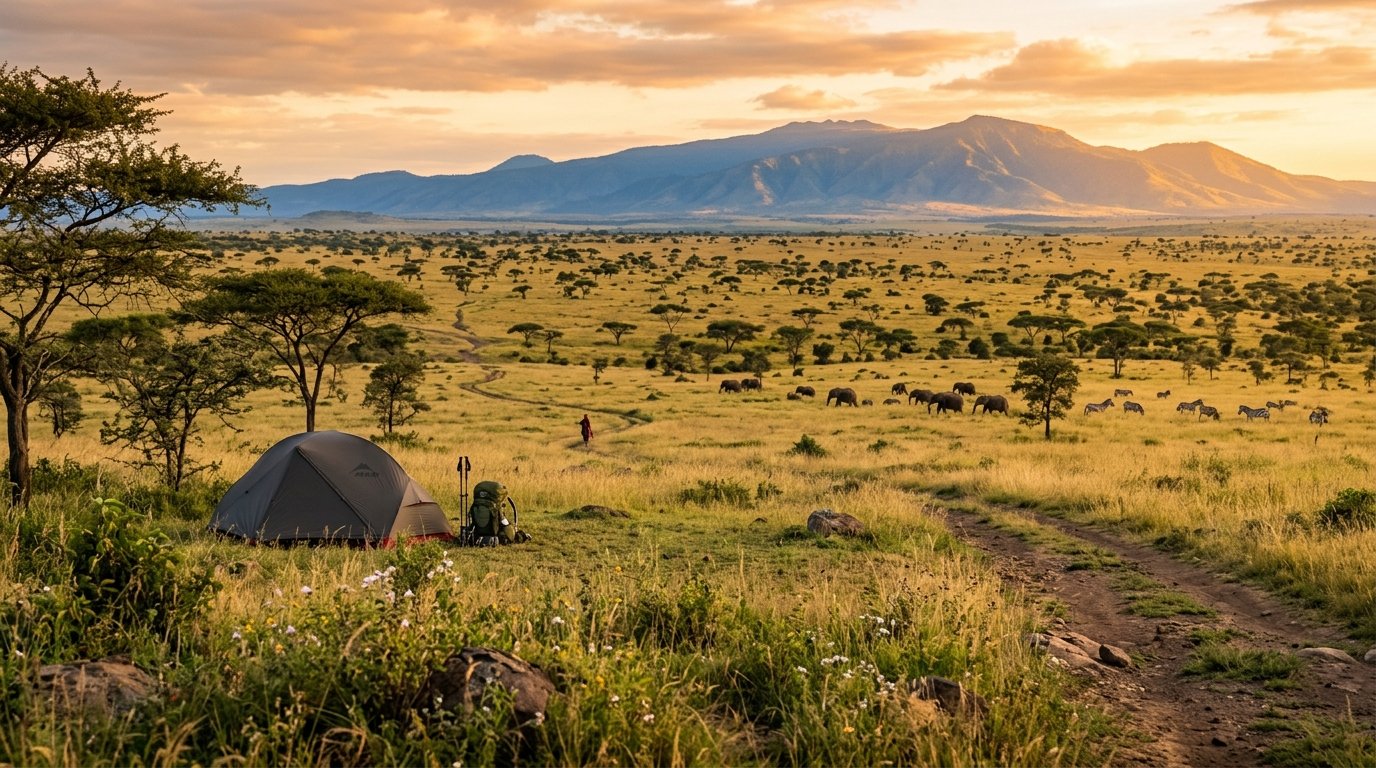
For foreign tourists, true wild or dispersed camping in Kenya is effectively illegal and highly discouraged due to strict wildlife conservation laws and security concerns. Camping is entirely restricted to designated “public” or “special” campsites within national parks, reserves, community conservancies, and privately owned land.
2. 🌲 Wild & Dispersed Camping Rules
- Legality on Public Land: Wild camping outside of official campsites is not legally permitted for tourists. Most land in Kenya is either protected national park space, community-owned trust land, or private property. Pitching a tent randomly in the bush or on public land is considered trespassing and is strictly prohibited.
- Rules and Limits: Because dispersed wild camping is illegal, there are no specific distance or duration limits for it. When camping legally inside designated areas, you must stay strictly within the marked site boundaries to avoid blocking wildlife corridors or damaging fragile ecosystems.
- Enforcement: These rules are actively and strictly enforced by the Kenya Wildlife Service (KWS), local police, and armed community rangers. Enforcement is largely for your own safety—unfenced wilderness areas are home to dangerous predators (lions, hyenas) and large mammals (elephants, hippos, buffalo).
3. 🏞️ National Park & Protected Area Rules
- Permits and Categories: The Kenya Wildlife Service (KWS) manages a well-organized camping system with two main categories. Public Campsites have basic amenities (pit latrines, water points) and usually do not require advance booking. Special Campsites offer exclusive, pristine wilderness with zero facilities; these require you to be entirely self-sufficient and must be booked and paid for in advance to secure exclusive use of the site.
- Designated Sites Only: You must camp strictly in these designated zones. National parks enforce a strict 6:00 AM to 6:00 PM driving window; setting up camp outside these hours, or driving off-road to find a hidden spot, will result in heavy fines or ejection from the park.
- Seasonal Closures: While parks generally remain open year-round, certain Special Campsites and dirt tracks become completely impassable and effectively closed during the “Long Rains” (March to May) and “Short Rains” (November to December).
4. 🚐 Van Life & Overnight Vehicle Sleeping
- Roadside Sleeping: Sleeping overnight in your vehicle on public streets, highway rest stops, or town car parks is largely prohibited by local municipal bylaws. More importantly, it is highly unsafe due to the risk of opportunistic crime.
- Parking vs. Camping: Kenyan law and local security forces recognize a clear difference between parking a vehicle during the day and inhabiting it overnight. Using a vehicle as a dwelling outside of designated tourist facilities or private properties will quickly attract police or private security.
- Designated Areas: There are no European-style “aires” or free public rest areas for vanlifers. Overlanders with 4x4s and rooftop tents must pay to stay at official KWS campsites, private campgrounds, or lodge grounds (many private safari lodges allow self-drivers to park securely and use their facilities for a nightly fee).
5. 🔥 Campfires & Practical Restrictions
- Campfire Rules: Open fires are strictly regulated to prevent bushfires. Within national parks and reserves, campfires are only permitted in the designated fire pits at your campsite. Crucially, gathering firewood inside the park is a punishable offense; you must buy or bring your own firewood and charcoal from outside the park.
- No-Camp Zones: Tourists should strictly avoid any attempts to camp near military bases, critical infrastructure, and border regions (especially the borders with Somalia and South Sudan) due to high security risks. Additionally, never attempt to camp near rivers or lakes outside of managed sites, as hippos and crocodiles pose severe, fatal threats at night.
6. 🔗 Official Sources & Links
To verify the most up-to-date fees, park rules, and campsite bookings, travelers should consult the official authorities:
- Kenya Wildlife Service (KWS) – The official government authority for national park rules, public/special campsites, and conservation fees.
- Magical Kenya – The official travel and tourism board for safety advisories and travel planning.
Disclaimer: Camping regulations, park fees, and land-use laws in Kenya are subject to frequent changes. Always verify current rules, security advisories, and weather conditions with official local authorities or a licensed safari operator before embarking on your trip.

Adrenaline junkie with a passion for exploring off-the-beaten-path destinations and finding unique ways to stay active. Expect stunning scenery, challenging workouts, awesome travel tips and a whole lot of fun. Let’s get sweaty and explore the world together!