
1. 🏕️ The Short Answer
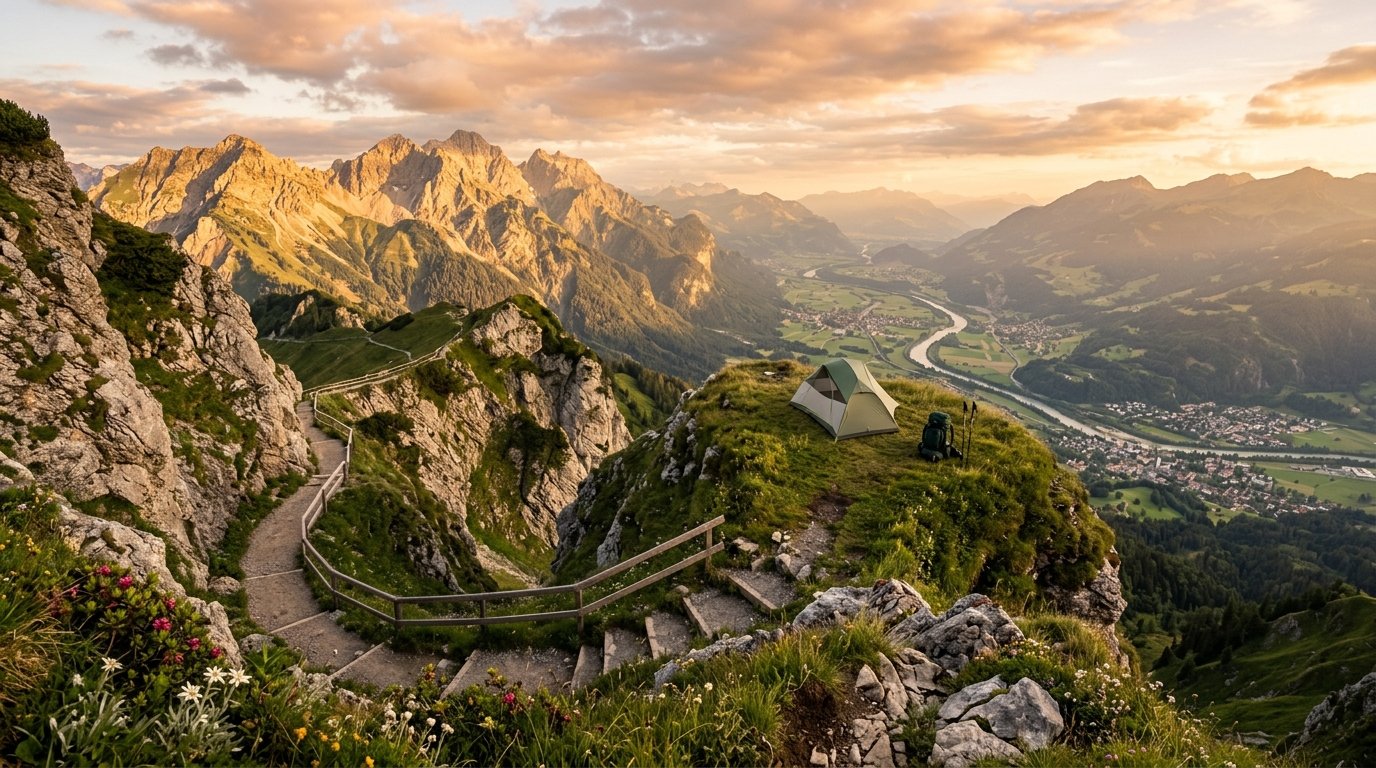
For foreign tourists, wild and dispersed camping is effectively illegal in the Principality of Liechtenstein. Due to the country’s small size, high population density in the valleys, and strict land-use laws, tourists are expected to stay at the country’s single official campsite or cross the border into neighboring Switzerland or Austria.
2. 🌲 Wild & Dispersed Camping Rules
- Legality on Public Land: Pitching a tent outside of designated campsites is strictly prohibited in forests, agricultural land, and valley floors. Fines for unauthorized wild camping can range from 100 to 500 CHF/EUR.
- Duration and Distance Rules: Because wild camping is banned, there are no duration limits or distance rules for standard tent camping. The only practical exception is for high-alpine mountaineers: an unplanned or emergency bivouac (sleeping in a bivy sack without a pitched tent) for a single night high above the tree line is generally tolerated, provided it is far from any infrastructure.
- Enforcement: Enforcement is strict and active. Local police conduct routine patrols of tourist areas, trailheads, and parking lots. Because Liechtenstein is a tight-knit and wealthy country, locals are also highly likely to report unauthorized campers.
3. 🏞️ National Park & Protected Area Rules
- Protected Zones: While Liechtenstein does not have a designated “National Park,” it has strictly regulated nature reserves (such as the Ruggeller Riet) and alpine plant protection zones.
- Permits and Booking: There is no wild camping permit system because the practice is banned outright. Camping is restricted exclusively to the country’s only commercial campground, Camping Mittagsspitze in Triesen, which requires advance booking during the busy summer season.
- Seasonal Restrictions: Access to certain mountain trails and nature reserves may be seasonally restricted during winter snows or specific wildlife breeding periods. Venturing off-trail in protected zones is heavily penalized year-round.
4. 🚐 Van Life & Overnight Vehicle Sleeping
- Sleeping in Vehicles: Liechtenstein generally follows legal principles similar to neighboring Switzerland. Sleeping for one single night inside a legally parked vehicle to “rest and restore driving ability” is tolerated in standard public parking lots, provided there is no local signage expressly forbidding overnight parking.
- Parking vs. Camping: The law makes a strict distinction between parking and camping. To avoid fines, you must not show any outward signs of camping. This means no rolled-out awnings, no chairs or tables placed outside, no leveling chocks, and no extended slide-outs or side windows. If you breach the physical footprint of your vehicle, you are legally “camping” and subject to enforcement.
- Designated Overnight Areas: There is practically no infrastructure (such as French “aires” or German “Stellplätze”) for free or low-cost motorhome overnight stays in the country. Van lifers should rely on the official campsite or travel across the borders for designated rest areas.
5. 🔥 Campfires & Practical Restrictions
- Campfire Regulations: Open fires are permitted only in officially designated, permanently installed public fire pits (often known as Grillstellen). However, the Office of Civil Protection frequently issues strict fire bans (Levels 3 to 5) during summer dry spells. During an absolute ban, lighting any fire—even in official pits or charcoal barbecues—is a criminal offense.
- Key No-Camp Zones: Tourists should avoid attempting to camp anywhere along the Rhine River border, in nature conservatories, inside public forests, or on privately owned farmland. All of these areas are carefully monitored.
6. 🔗 Official Sources & Links
For the most current information, please consult the official tourism and safety boards:
- Liechtenstein Tourism (Tourismus.li) – Official travel and accommodation information.
- FOEN Forest Fire Danger Map – Check the daily wildfire risk and active fire bans for Liechtenstein and Switzerland.
Disclaimer: Land-use, camping, and parking laws can change frequently. The information in this guide is intended for general planning purposes. Travelers should always look for local signage and verify current regulations with official Liechtenstein authorities or tourist offices prior to their trip.

Adrenaline junkie with a passion for exploring off-the-beaten-path destinations and finding unique ways to stay active. Expect stunning scenery, challenging workouts, awesome travel tips and a whole lot of fun. Let’s get sweaty and explore the world together!