
1. 🏕️ The Short Answer
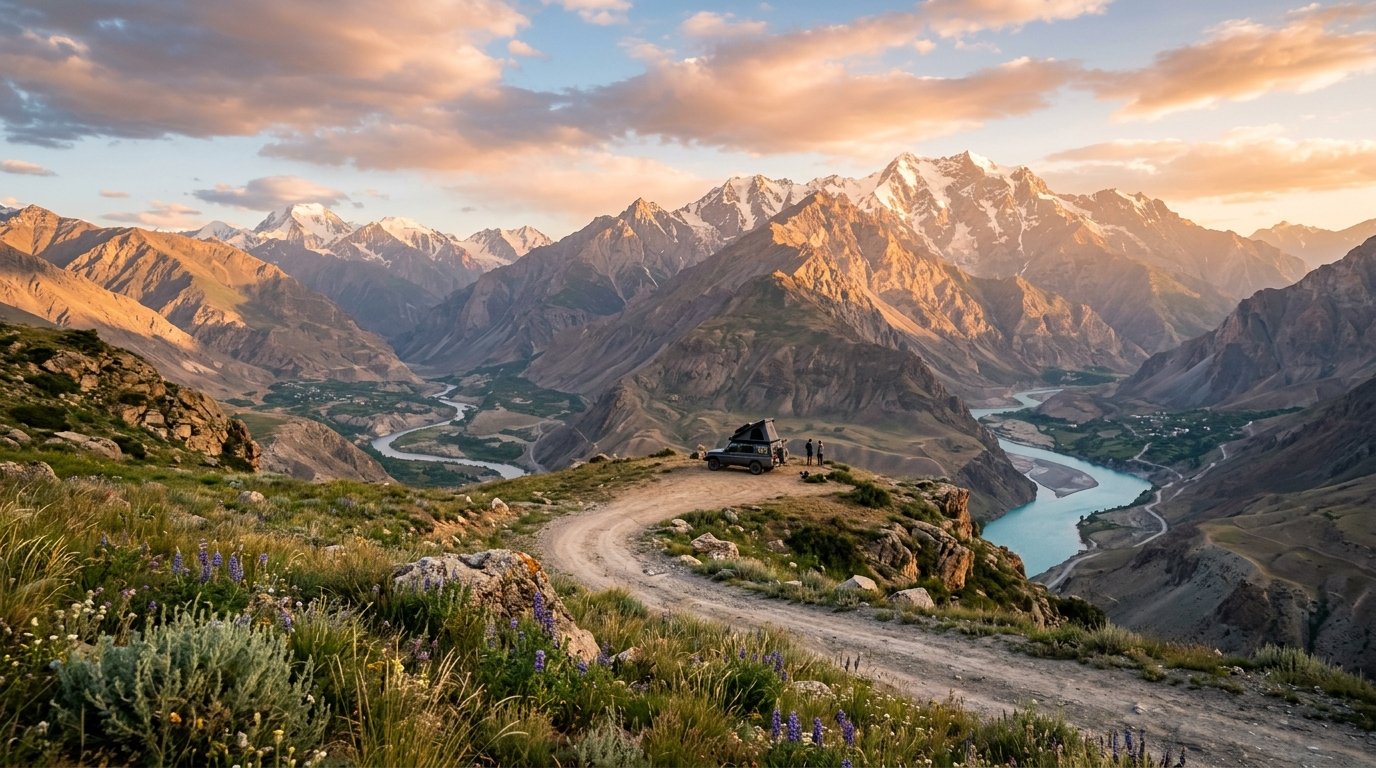
Wild and dispersed camping is completely legal, widely tolerated, and actively encouraged for tourists exploring Tajikistan. Due to the remote, rugged nature of the country and a lack of established tourism infrastructure, pitching a tent in the backcountry or sleeping in your overland vehicle is considered the standard way to experience the spectacular Pamir and Fann Mountains.
2. 🌲 Wild & Dispersed Camping Rules
- Legality on public land: Wild camping is legal and customary. There is no nationwide ban on camping outside of official campsites. In fact, established commercial campsites are incredibly rare, so tourists are expected to wild camp.
- Duration and distance rules: There are no strict legal time limits for camping in one spot, but the general unwritten rule is to practice Leave No Trace and stay only 1-2 nights per location. Campers should set up away from private dwellings, avoid agricultural land or crops, and stay out of urban centers.
- Enforcement: Police and local rangers do not actively police wild camping. Enforcement only occurs if you are trespassing on military installations or sensitive border zones without the required permits.
3. 🏞️ National Park & Protected Area Rules
- Permit systems: While camping itself does not require a specific permit, accessing the most popular camping regions does. To travel and camp in the Pamir Mountains, you must obtain a GBAO (Gorno-Badakhshan Autonomous Region) Permit. This is typically applied for alongside your e-Visa. Additionally, specific reserves like Lake Sarez and Zorkul Nature Reserve require their own special advance permits.
- Designated sites and booking: National parks, including the massive Tajik National Park, do not have designated campsites or advance booking systems for pitches. You are free to choose your own site based on safety, water availability, and flat terrain. You may be required to pay a small daily entry or ecological fee (often around 10-20 Somoni) to park rangers upon entering protected areas.
- Seasonal closures: Closures are entirely dictated by nature rather than the law. High-altitude passes and camping areas are largely inaccessible from late autumn to late spring due to heavy snow, freezing temperatures, and avalanche risks.
4. 🚐 Van Life & Overnight Vehicle Sleeping
- Sleeping in vehicles: Overlanding the Pamir Highway in a 4×4, van, or with a rooftop tent is incredibly popular and fully legal. It is common to sleep in your vehicle along roadsides, near alpine lakes (such as Karakul), or in rural pull-offs.
- Parking vs. Camping: Tajik law does not strictly differentiate between overnight parking and camping for tourists. If your vehicle is safely parked off the main roadway, authorities will not bother you for sleeping inside it.
- Designated areas: There is no network of designated overnight “aires” or RV parks. You will rely entirely on wild camping spots, natural pull-outs, or guesthouse parking lots, where you can often pay a small fee to park securely and use their facilities.
5. 🔥 Campfires & Practical Restrictions
- Campfire rules: Open campfires are legally permitted, and there are no blanket national bans under normal conditions. However, the Ministry of Internal Affairs occasionally issues fire safety warnings during extreme summer heat waves. Keep in mind that at high altitudes (above 3,500 meters), firewood is virtually non-existent, so you must bring a liquid fuel or gas camping stove for cooking.
- Key no-camp zones and safety warnings:
- The Afghan Border: Exercise extreme caution when wild camping in the Wakhan Corridor along the Panj River, which borders Afghanistan. While permitted, camping too close to the riverbank can attract unwanted attention from border patrols and military personnel.
- Military checkpoints: Do not camp near the frequent military and police checkpoints scattered along the Pamir Highway.
- Landmines: Though mostly cleared, some unexploded ordnance remains in highly remote border regions with Afghanistan and Uzbekistan. Always stick to established trekking routes and consult locals before camping in deep backcountry border zones.
6. 🔗 Official Sources & Links
Because the regulatory environment and border security situations can change, always verify requirements before your trip. You can apply for your visa and the essential GBAO permit through the official government portal:
Disclaimer: Land-use laws, permit requirements, and border zone regulations in Tajikistan can change frequently due to geopolitical or environmental factors. Always verify the latest rules, permit costs, and safety advisories with official local sources or your embassy before your trip.
Adrenaline junkie with a passion for exploring off-the-beaten-path destinations and finding unique ways to stay active. Expect stunning scenery, challenging workouts, awesome travel tips and a whole lot of fun. Let’s get sweaty and explore the world together!