
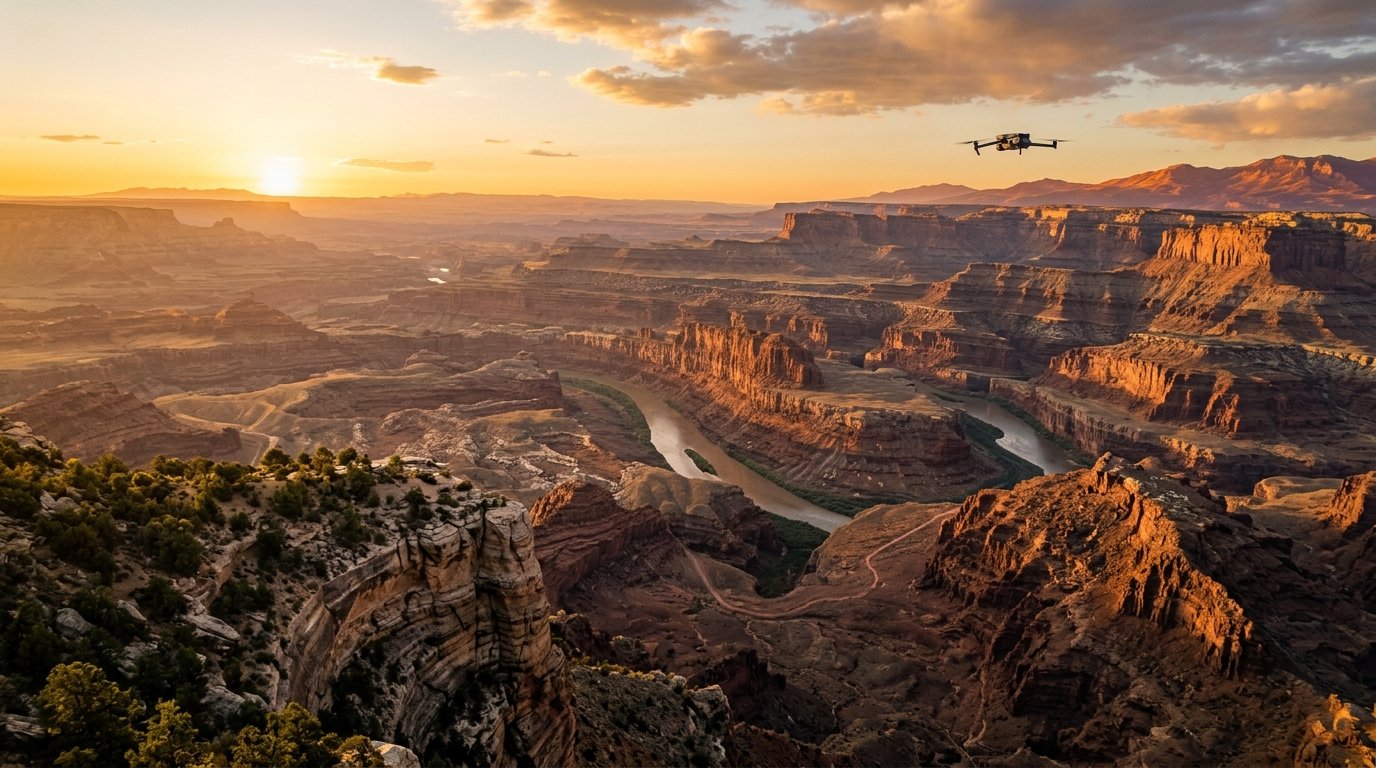
1. 🚦 The Short Answer
Recreational drones are generally allowed for foreign tourists visiting the United States, provided you complete a simple, free online safety test, register your drone if it meets certain weight criteria, and follow standard Federal Aviation Administration (FAA) airspace rules.
2. 🛃 Customs & Importation Rules
- Airport Customs: Tourists can legally bring a personal recreational drone into the U.S. There are no special customs declarations required for a standard consumer drone.
- Battery Rules: While not a customs issue, aviation security strictly requires all spare lithium drone batteries to be packed in your carry-on luggage, never in checked baggage.
- Border Confiscation: Your drone will not be confiscated by customs for lacking FAA flight paperwork. Permits and registrations are required for operating the drone in U.S. airspace, not for physically bringing it into the country.
3. 📝 Registration & Permit Process for Tourists
- Safety Test: Regardless of drone size, all recreational flyers (including tourists) must pass The Recreational UAS Safety Test (TRUST). It is free, taken online before you arrive, and you must carry a digital or printed certificate while flying.
- Drone Registration: If your drone weighs 250 grams (0.55 lbs) or more, you must register it on the official FAADroneZone website. The fee is $5 and approval is generally instant. For foreign citizens, the FAA treats this document as a “recognition of ownership”.
- Remote ID & Foreign Registration: Registered drones (250g+) must broadcast “Remote ID” data. If your drone is already registered in your home country and broadcasts Remote ID, you must submit a Notice of Identification (NOI) via the FAADroneZone portal before flying.
4. 🚫 Key Flight Rules & Restrictions
- Standard Rules: You must keep your drone within your visual line of sight (VLOS) at all times and never fly higher than 400 feet above ground level. You must always yield to manned aircraft.
- Weight Classes: Drones under 250g (like the DJI Mini series) are exempt from FAA registration and Remote ID requirements when flown strictly for fun. However, you must still pass the TRUST exam and follow all airspace rules.
- No-Fly Zones: It is strictly illegal to fly in U.S. National Parks, over military bases, near stadiums during sporting events, and within the highly restricted Washington D.C. area. Flying near controlled airports is prohibited unless you obtain real-time digital authorization using a system called LAANC (available via approved smartphone apps).
5. 🔗 Official Sources & Links
You can verify all current rules, access the FAADroneZone portal, and find links to the TRUST exam through the official FAA Recreational Flyers guide.
Disclaimer: Aviation laws and no-fly zones change frequently. Travelers should always double-check official government sources and use approved airspace map apps before taking off in a new country.
Adrenaline junkie with a passion for exploring off-the-beaten-path destinations and finding unique ways to stay active. Expect stunning scenery, challenging workouts, awesome travel tips and a whole lot of fun. Let’s get sweaty and explore the world together!