
1. 🏕️ The Short Answer
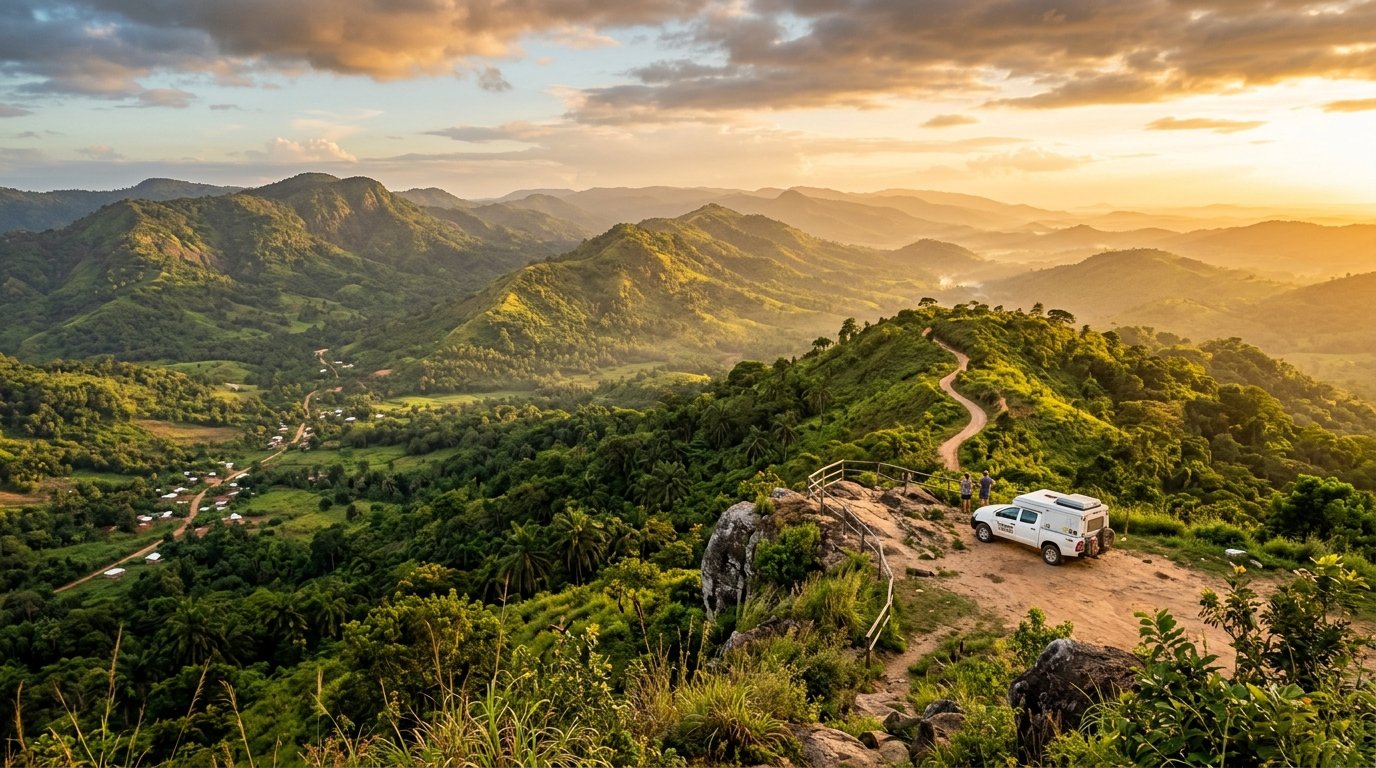
Wild and dispersed camping is generally well-tolerated and practically very possible for tourists in Togo, operating more in a grey area of customary law than strict legal regulation. Rather than dealing with government permits for casual camping, travelers are expected to adhere to local etiquette by simply asking permission from the local village chief before setting up camp near any rural settlement.
2. 🌲 Wild & Dispersed Camping Rules
- Legality and Customary Law: While there is no explicit national law granting tourists a “right to roam” or wild camp on public land, wild camping is widely accepted and commonly practiced by overland travelers in rural areas. Land is often community-owned or managed by local villages.
- The Village Chief Rule: If you are anywhere near a town or village, it is mandatory customary etiquette to find the local Chief (Chef de village) and ask permission to camp. They will almost always say yes, and this practically guarantees your safety as you become an official guest of the village.
- Privacy and “Cadeaux”: There are no set duration limits or distance rules from roads. However, if you camp near settlements, expect a lot of friendly but persistent curiosity from locals, including demands for “cadeaux” (gifts). For total privacy, you must camp far off the main roads and away from rural communities.
- Enforcement: Police and military rarely concern themselves with tourists wild camping in rural areas, provided you aren’t trespassing on sensitive infrastructure. Formal enforcement is virtually non-existent as long as you have the local community’s blessing.
3. 🏞️ National Park & Protected Area Rules
- Permits and Ranger Permission: Camping within Togo’s national parks, such as Fazao-Malfakassa or Oti-Kéran National Park, is possible but strictly requires permission from park rangers upon entry. There is no advanced online booking system; you must arrange this at the park headquarters or main gate.
- Designated Sites vs. Dispersed: In protected areas, tourists are usually directed to camp at designated ranger stations or cleared campsites. True backcountry wild camping inside national parks without a local guide is prohibited due to wildlife and anti-poaching measures.
- Seasonal Closures: Access to certain park zones may be restricted during the heavy rainy season due to impassable mud roads, or during peak dry season periods when the risk of savannah bushfires is severe.
4. 🚐 Van Life & Overnight Vehicle Sleeping
- Vehicle Sleeping: Sleeping in a 4×4, campervan, or overland truck is completely legal and is the standard way foreign overlanders experience Togo. There is no legal distinction between “parking” and “camping” in standard Togolese traffic law.
- Urban vs. Rural: In the capital city of Lomé and other large towns, sleeping in a vehicle on public streets is not recommended due to security and petty crime. Tourists should seek out secure, walled hotel parking lots or paid private campsites that allow overlanders to sleep in their vehicles for a small fee.
- Night Driving: You should always find your overnight parking or camping spot well before sunset. Driving at night in Togo is highly discouraged due to unlit vehicles, wandering livestock, hazards on the road, and severe potholes.
5. 🔥 Campfires & Practical Restrictions
- Campfire Allowances: Open campfires are generally allowed in rural wild camping spots, provided you take standard safety precautions. However, during the intense dry season (the Harmattan), you must be extremely careful not to spark uncontrollable savannah grass fires.
- National Parks: In protected areas, fires are strictly regulated and usually only permitted in designated fire rings at official campsites, or they may be completely banned depending on the season and ranger instructions.
- No-Camp Zones: Strictly avoid camping near military installations, government buildings, and international border zones. You should be especially cautious near the northern border with Burkina Faso, due to ongoing regional security monitoring. Additionally, respect local Voodoo (Vodun) shrines and sacred forests in the south (such as around Togoville and Lake Togo); never camp in or near a forest without explicitly confirming with locals that it is not a sacred ceremonial site.
6. 🔗 Official Sources & Links
Because the tourism infrastructure in Togo is still developing, online information is limited. It is best to consult the official government tourism portal or check with park rangers on arrival.
Disclaimer: Land-use laws, national park regulations, and regional security situations in West Africa can change rapidly. The information in this guide is for educational purposes and should be independently verified with local authorities, village chiefs, or official guides upon arrival in Togo.

Adrenaline junkie with a passion for exploring off-the-beaten-path destinations and finding unique ways to stay active. Expect stunning scenery, challenging workouts, awesome travel tips and a whole lot of fun. Let’s get sweaty and explore the world together!