
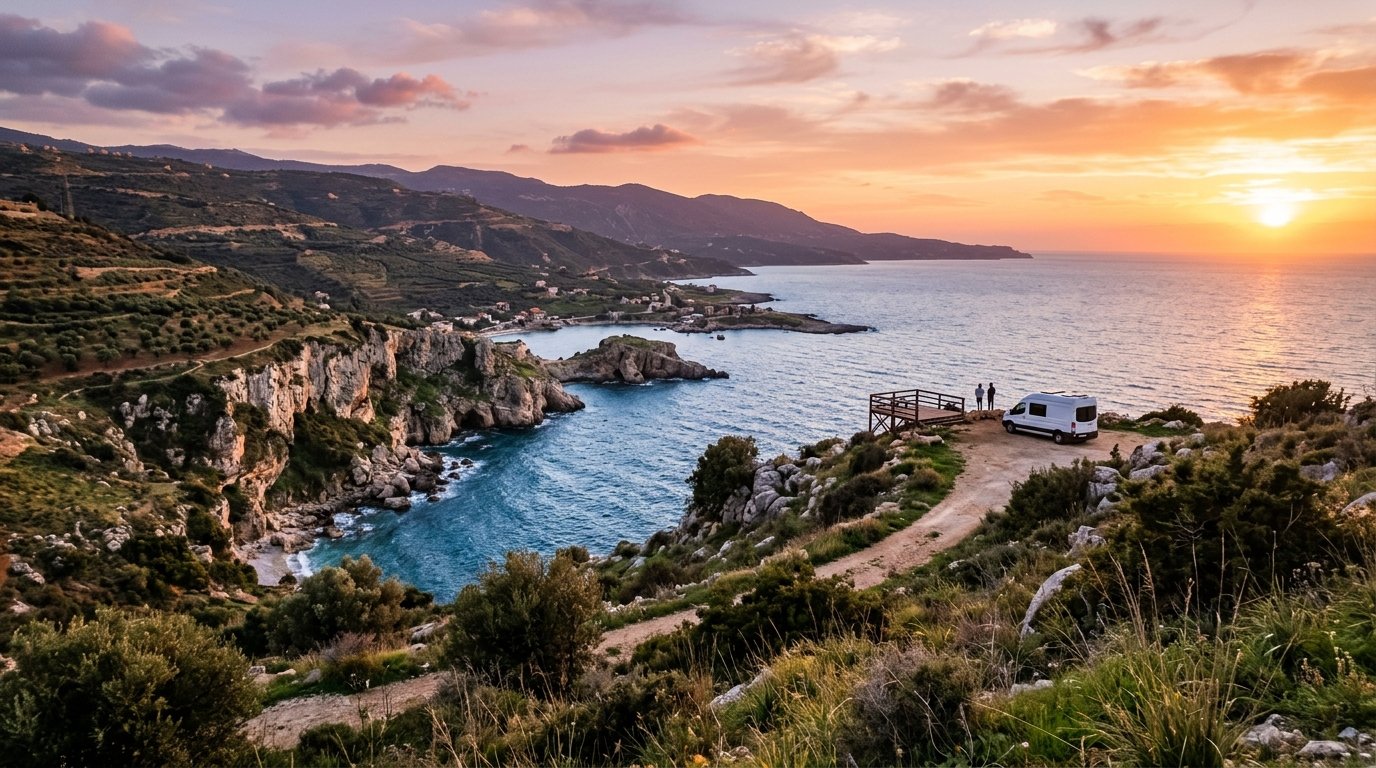
1. 🏕️ The Short Answer
For independent foreign tourists, wild camping, dispersed camping, and van life in Syria are effectively illegal and exceptionally dangerous. Due to the complex post-war security environment, widespread unexploded ordnance (UXO), and strict military oversight, all outdoor recreational stays must be coordinated through government-approved local tour operators or official Syrian mountain activity associations.
2. 🌲 Wild & Dispersed Camping Rules
- Legality on Public Land: While pitching a tent in olive groves or rural areas was historically tolerated before 2011, independent wild camping is currently prohibited for foreign tourists due to severe national security restrictions. Wandering onto public or private land unguided is not permitted.
- Duration and Distance Rules: Standard recreational rules (like distance from water or duration limits) do not apply because independent dispersed camping is effectively banned. Venturing off marked roads carries a highly fatal risk of encountering landmines or unexploded munitions.
- Enforcement: Movement across the country is actively and strictly enforced by military, police, and local intelligence via widespread checkpoints. Tourists found camping independently off-grid will draw immediate suspicion of espionage, leading to detention, intense interrogation, or deportation.
3. 🏞️ National Park & Protected Area Rules
- Permit Systems: Syrian natural reserves and parks (such as Al-Rastan or Jabal al-Akrad) do not operate traditional, Western-style camping permit systems. Access to any natural area is dictated by regional military and security clearances.
- Designated Sites & Booking: Foreigners wishing to camp in nature must do so via officially sanctioned local eco-tourism and outdoor outfits (such as the Syrian Association for Mountain Activities or approved local trekking teams). These groups organize guarded, pre-approved camping and climbing trips in secured zones. Advance booking through these agencies is mandatory, as they handle the required government security clearances for you.
- Seasonal Closures: Access to outdoor areas is dictated less by weather or wildlife seasons and entirely by the fluctuating political and security stability of the specific region.
4. 🚐 Van Life & Overnight Vehicle Sleeping
- Overnight Sleeping in Vehicles: Sleeping in a vehicle overnight on public roads, rest stops, or in city car parks is strictly forbidden and highly suspicious.
- Parking vs. Camping: It is possible for adventurous overlanders to bring a foreign vehicle (like a motorcycle or 4×4) into Syria via a Temporary Import Permit (TIP) at certain land borders. However, while daytime parking is allowed, remaining in the vehicle overnight will draw aggressive attention from security forces.
- Designated Areas: There are no designated tourist rest areas, “aires,” or van life campsites in Syria. Travelers must stay in registered, pre-approved hotels or official accommodations where their passports can be properly registered with local authorities overnight.
5. 🔥 Campfires & Practical Restrictions
- Campfires: Organized local trekking groups may host campfires during approved wilderness excursions in safe zones (such as the coastal mountains). However, independent travelers should never light open fires, which can attract military patrols or inadvertently trigger unexploded ordnance hidden in the ground.
- No-Camp Zones: The entirety of Syria is practically a no-camp zone for independent tourists. Areas of absolute avoidance include the Northwest (Idlib and Aleppo outskirts), the East and Northeast (SDF-controlled areas), the Eastern desert regions (due to ISIS remnants), all international border zones, and anywhere near military or energy infrastructure.
6. 🔗 Official Sources & Links
Because standard tourism infrastructure is still rebuilding, travelers should consult official international travel advisories regarding the legal and physical realities of visiting Syria:
Disclaimer: Land-use laws, visa requirements, and security situations in Syria change frequently and without warning. The information provided here is for educational purposes. Always verify current laws, obtain proper security clearances, and consult strict travel advisories with official local authorities and your embassy before planning any trip.

Adrenaline junkie with a passion for exploring off-the-beaten-path destinations and finding unique ways to stay active. Expect stunning scenery, challenging workouts, awesome travel tips and a whole lot of fun. Let’s get sweaty and explore the world together!