
1. 🏕️ The Short Answer
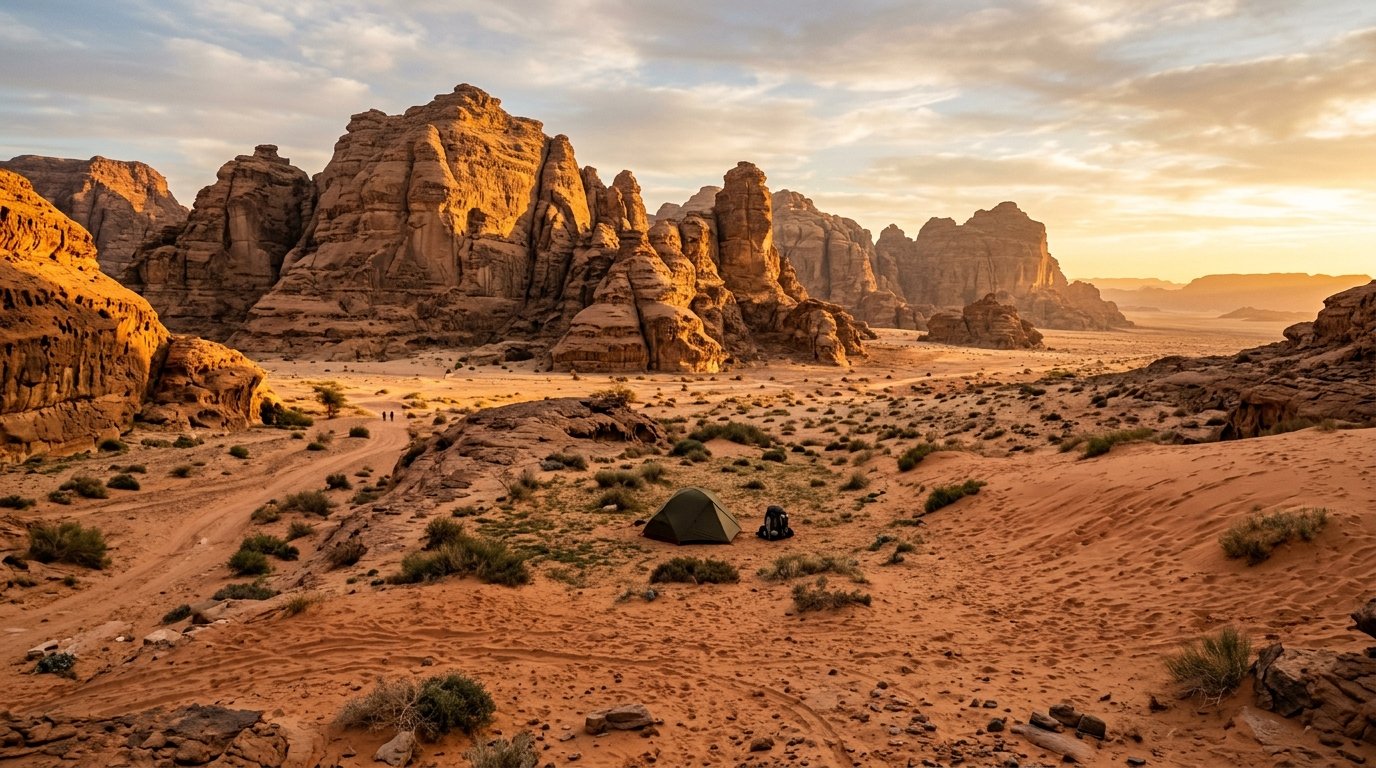
Wild and dispersed camping is completely legal and a cherished cultural tradition (known locally as “kashta”) in Saudi Arabia. Tourists can freely camp or sleep in vehicles across vast stretches of public desert and coastal land, provided they respect strict environmental regulations and secure quick, easily obtainable online permits when staying in national parks or officially managed vegetation areas.
2. 🌲 Wild & Dispersed Camping Rules
- Legality: Camping outside official campsites is legal and widely practiced. Tourists can pitch a tent or park a campervan in many public deserts, coastal strips, and mountainous regions.
- Duration & Distance Rules: There are no strict national limits on the duration for transient dispersed camping for tourists on standard public land. You must camp away from private farms and active military zones, and never pitch a tent directly in wadi (valley) beds due to severe and deadly flash flood risks.
- Enforcement: While free camping is generally relaxed and locals are highly welcoming, the Special Forces for Environmental Security actively patrol wilderness areas. Enforcement is exceptionally strict regarding environmental protection—littering, unauthorized drone use, or damaging flora will result in immediate and heavy fines.
3. 🏞️ National Park & Protected Area Rules
- Permit System: Yes. If you wish to camp in designated national parks, forests, or protected wildlife reserves, you must obtain a permit.
- Designated Sites & Booking: The National Center for Vegetation Cover (NCVC) and the National Center for Wildlife (NCW) manage dozens of designated camping and caravan sites. Permits are issued instantly via the government’s online Nabati or Fitri platforms. Unregulated wild camping inside protected ecological reserves is strictly prohibited.
- Seasonal Closures: Camping in Saudi Arabia is highly seasonal due to extreme summer heat. The official protected area camping season generally runs from late fall through spring. Certain environmentally sensitive zones or wildlife breeding habitats remain permanently closed to overnight stays.
4. 🚐 Van Life & Overnight Vehicle Sleeping
- Legality of Sleeping in Vehicles: Sleeping overnight in a car, SUV, or campervan is legal and generally safe. There are no national laws prohibiting sleeping in a parked vehicle at rest stops or on remote public land.
- Parking vs. Camping: The law does not heavily differentiate between “parking” and “camping” in remote areas. If your vehicle is parked off-road in a wilderness area, you are considered to be camping and are subject to the exact same environmental rules as tent campers.
- Designated Areas: While the “van life” infrastructure is still developing, the government has recently introduced designated caravan sites in cooler, mountainous regions like Aseer, Al-Baha, and Taif. Otherwise, expect to be completely self-sufficient (boondocking), as facilities like chemical disposal points are rare.
5. 🔥 Campfires & Practical Restrictions
- Campfire Rules: Fires are highly regulated. You cannot light a fire directly on the ground. You must use an elevated fire pit, brazier, or thick protective foil. Furthermore, gathering or burning local Saudi firewood is strictly illegal to combat desertification; you must purchase imported firewood or charcoal from local stores. Violators face massive fines upwards of 3,000 SAR.
- No-Camp Zones: Tourists must strictly avoid camping near the Yemeni and Iraqi borders, active military installations, oil infrastructure, and inside unmarked wadis (valleys). Always respect local privacy and avoid setting up near private agricultural land or rural residential homes.
6. 🔗 Official Sources & Links
National Center for Vegetation Cover (NCVC) – The authority for vegetation and national park camping permits (Nabati Platform).
National Center for Wildlife (NCW) – Handles rules and visitor permits for protected wildlife reserves via the Fitri Platform.
Disclaimer: Land-use and environmental regulations in Saudi Arabia are actively evolving to promote ecotourism and protect natural resources. Travelers should always verify current camping rules, weather conditions, and permit requirements with official local sources before their trip.

Adrenaline junkie with a passion for exploring off-the-beaten-path destinations and finding unique ways to stay active. Expect stunning scenery, challenging workouts, awesome travel tips and a whole lot of fun. Let’s get sweaty and explore the world together!