
1. 🏕️ The Short Answer
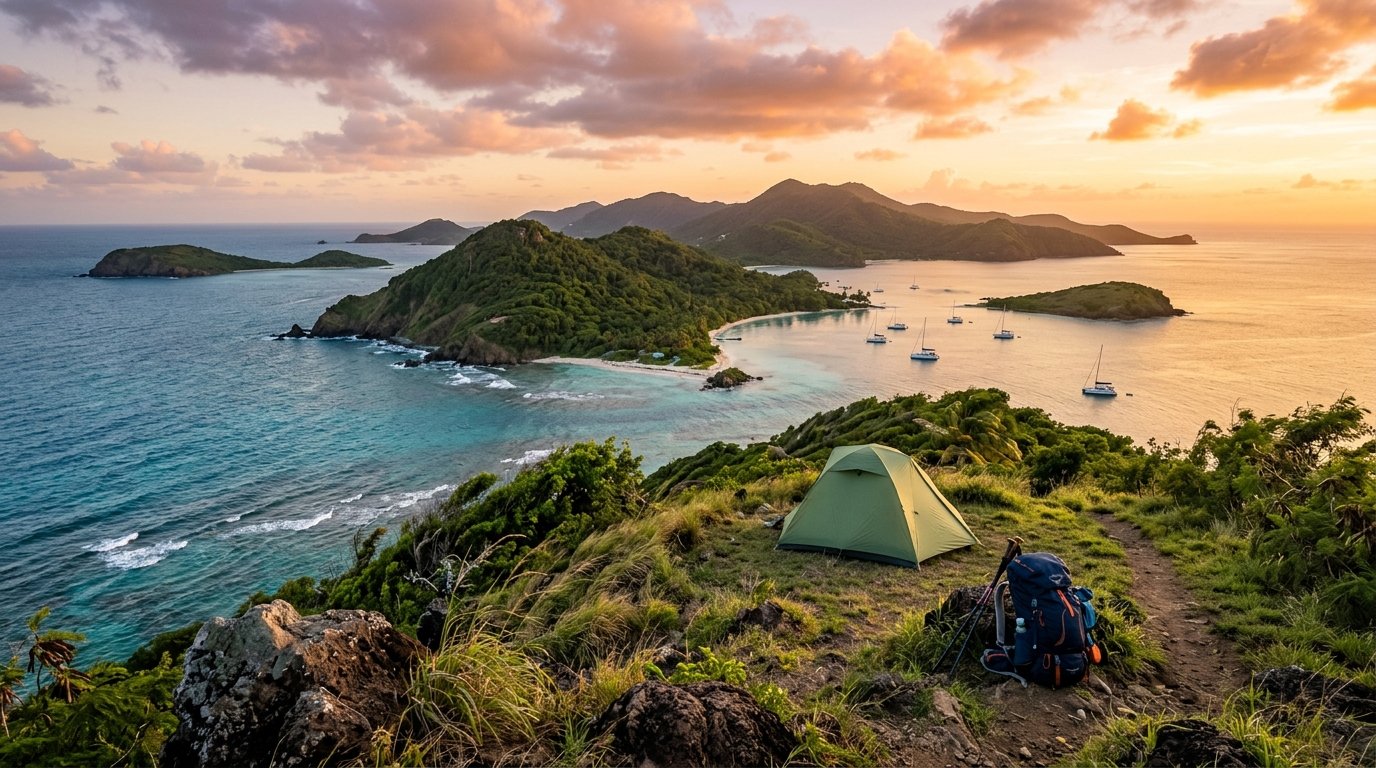
In Saint Vincent and the Grenadines (SVG), wild and dispersed camping exists in a legal grey area and is highly uncommon for tourists. While not explicitly illegal on all public lands, there is virtually no formal camping or campervan infrastructure, and pitching a tent or sleeping in a vehicle is generally viewed as highly unusual. Tourists can occasionally camp at trailheads or on beaches, provided they seek local permission and practice extreme discretion.
2. 🌲 Wild & Dispersed Camping Rules
- Legality on Public Land: There is no overarching national law that expressly grants or forbids wild camping for tourists. However, land is either strictly protected, privately owned, or agricultural. You must always ask for permission from the landowner or local community leaders before pitching a tent.
- Duration and Distance Rules: Because wild camping is not a formalized activity in SVG, there are no codified duration limits or distance rules from roads and water sources. Campers should rely on standard “Leave No Trace” principles, staying well away from private dwellings and agricultural plots.
- Enforcement: Active enforcement by police or rangers is rare simply because tourist camping is so rare. If authorities or locals approach you, it is usually out of curiosity or concern for your safety rather than an intent to fine you. Being polite and explaining your intentions will usually resolve any issues.
3. 🏞️ National Park & Protected Area Rules
- Permit Systems: The National Parks, Rivers and Beaches Authority (NPA) manages protected areas, including the famous La Soufrière volcano and various waterfalls. There is no automated online camping permit system; overnight stays usually require direct coordination and payment of a small user fee at the NPA headquarters in Kingstown or at the local site office.
- Designated Sites: True designated campgrounds do not exist in the national parks. Hikers wishing to camp near trailheads (such as the Rabacca trailhead for La Soufrière) must arrange this in advance. Guides are often mandatory for major hikes.
- Seasonal Closures: Closures are heavily dependent on extreme weather (hurricane season runs from June to November) and geological activity. La Soufrière is an active stratovolcano that last erupted in April 2021; trail and park closures can happen immediately if volcanic alert levels change.
4. 🚐 Van Life & Overnight Vehicle Sleeping
- Vehicle Sleeping Legality: There are no specific laws prohibiting you from sleeping in a parked rental car, but doing so is extremely unorthodox in SVG. If immigration or local police notice you doing this, you may be questioned about your travel intentions.
- Parking vs. Camping: The law does not make a clear distinction between parking and camping. However, SVG’s main island features narrow, steep, and winding roads that do not lend themselves to roadside camping. Pull-offs are rare and usually serve as passing places or agricultural access points.
- Designated Areas: There are absolutely no designated overnight “aires,” rest areas, or RV parks anywhere on the islands. “Van life” as a recreational travel style does not exist here.
5. 🔥 Campfires & Practical Restrictions
- Campfire Rules: Open fires are generally discouraged to prevent wildfires, particularly in the drier coastal and scrub regions. If you must cook, use a contained portable camping stove. Bonfires on beaches are sometimes tolerated for local social events, but tourists should avoid building fires unless granted specific permission by the NPA or the landowner.
- No-Camp Zones: Avoid camping in active volcanic hazard zones, commercial agricultural estates (like banana and coconut plantations), and strictly protected marine reserves like the Tobago Cays. Additionally, avoid known sea turtle nesting beaches (such as the Colonaire area) where nighttime human presence and artificial light can disrupt wildlife.
6. 🔗 Official Sources & Links
For the most accurate and up-to-date information, travelers should directly contact the local authorities before attempting to camp:
- National Parks, Rivers and Beaches Authority (NPA) – Official authority for protected sites, trails, and land-use fees.
- Discover St. Vincent and the Grenadines – The official tourism board of SVG.
Disclaimer: Camping and land-use laws can change frequently and are often subject to the discretion of local authorities. The information in this guide is for educational purposes. Always verify current regulations, volcanic alert levels, and weather conditions with official local sources in Saint Vincent and the Grenadines before your trip.

Adrenaline junkie with a passion for exploring off-the-beaten-path destinations and finding unique ways to stay active. Expect stunning scenery, challenging workouts, awesome travel tips and a whole lot of fun. Let’s get sweaty and explore the world together!