
1. 🏕️ The Short Answer
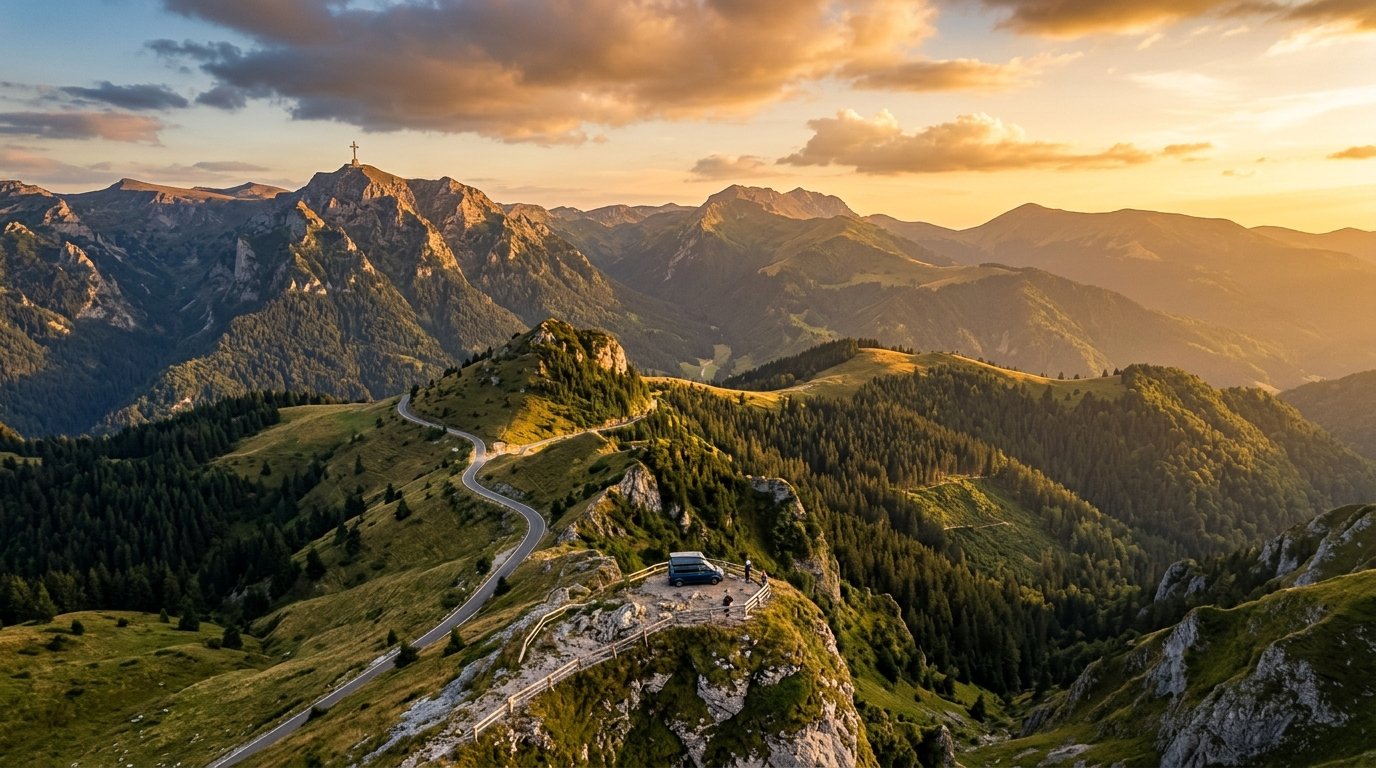
Wild camping in Romania exists in a legal grey area; while technically restricted by national laws that limit camping to designated zones, it is widely tolerated and socially accepted on public lands outside of protected areas. As long as tourists practice Leave No Trace principles, wild camping and van life are highly tolerated, making Romania one of the most camper-friendly destinations in Eastern Europe.
2. 🌲 Wild & Dispersed Camping Rules
- Legality on Public Land: Under Romania’s “Picnic Law” (Legea nr. 54/2012), camping and picnicking are officially restricted to specially arranged areas. However, this law is primarily aimed at preventing littering and unregulated fires. In practice, wild camping in rural meadows, forests, and valleys outside of protected zones is a highly tolerated grey area for tourists.
- Duration and Distance Rules: There are no codified federal limits on how long you can stay in a tolerated wild spot, but best practice dictates staying a maximum of 1 to 2 nights to avoid drawing unwanted attention. You should camp at least 100 feet away from water sources and never set up on fenced agricultural land or private property without the owner’s explicit permission.
- Enforcement: Outside of nature reserves and national parks, enforcement of the camping ban is exceedingly rare. Local police and forest rangers are generally welcoming to foreign tourists provided they do not leave trash, block access roads, or light illegal fires.
3. 🏞️ National Park & Protected Area Rules
- Permit Systems: Accessing most of Romania’s national parks (such as Retezat, Piatra Craiului, and Ceahlău) requires purchasing a standard visitor ticket or entry fee, which can often be bought online or via SMS.
- Strict Camping Restrictions: Wild camping is strictly prohibited inside all National Parks, Nature Reserves, and the Danube Delta Biosphere Reserve. You must pitch your tent only in designated camping zones, which are typically located next to mountain huts (cabane) or official mountain refuges. Pitching a tent in restricted natural zones can result in heavy fines ranging from 300 to 3,000 RON (approximately 60 to 600 EUR).
- Seasonal Closures: While camping requires no advance booking for backcountry refuges, high-altitude trails and surrounding camping zones are often closed from late autumn to late spring due to severe snow, avalanche risks, and bear activity.
4. 🚐 Van Life & Overnight Vehicle Sleeping
- Sleeping in Vehicles: Sleeping overnight in a legally parked campervan, motorhome, or car is entirely legal in Romania. You can safely use public car parks, rest stops, and roadside lay-bys for overnight rest.
- Parking vs. Camping: Romanian law treats a campervan like a standard passenger car as long as it is only “parked.” This means all wheels must be on the ground with nothing extending outside the vehicle. If you roll out an awning, set up camping chairs, or cook outside, your status legally changes from “parking” to “camping,” which then subjects you to local camping restrictions and potential fines.
- Designated Overnight Areas: Romania is still developing a formal network of campervan aires (dedicated rest stops with facilities) compared to Western Europe. However, many rural agritourism guesthouses allow campervans to park safely in their yards for a small fee, and utilizing community apps to find tolerated off-grid parking spots is extremely common and accepted.
5. 🔥 Campfires & Practical Restrictions
- Campfire Laws: Open fires are strictly regulated and heavily enforced. Under the Picnic Law, lighting a fire directly on the ground is illegal. Campfires are only permitted in officially designated, pre-built fire pits. During dry summer months, complete fire bans are frequently enacted. It is highly recommended that tourists use portable gas stoves for cooking.
- The Bear Threat: The single biggest practical restriction to wild camping in Romania is wildlife. Romania is home to Europe’s largest population of brown bears. If you are wild camping, you must store your food in airtight containers away from your tent, cook away from your sleeping area, and ideally avoid camping deep in dense Carpathian forests.
- Key No-Camp Zones: Tourists must avoid wild camping in the Danube Delta (a highly protected UNESCO site with strict policing), near military infrastructure, and along the immediate border zones with Ukraine and Serbia without consulting local border police.
6. 🔗 Official Sources & Links
To verify current park regulations, entry fees, and protected area maps, travelers should consult the official Romanian National Forest Administration (Romsilva) which manages the country’s national and natural parks:
Romsilva Official Website
For general travel advisories and tourism infrastructure information, visit the official tourism portal:
Romania Tourism – Camping Guidelines
Disclaimer: Land-use laws, national park regulations, and environmental protections can change frequently. The information provided in this guide is for educational purposes and should be independently verified with local authorities, park rangers, or official tourism boards in Romania prior to your trip.

Adrenaline junkie with a passion for exploring off-the-beaten-path destinations and finding unique ways to stay active. Expect stunning scenery, challenging workouts, awesome travel tips and a whole lot of fun. Let’s get sweaty and explore the world together!