
1. 🏕️ The Short Answer
For foreign tourists, wild and dispersed camping is generally legal and widely tolerated in Paraguay as long as you are on public land. However, because the vast majority of the country’s land is privately owned (large estancias and farms), finding genuine public land can be challenging, though enforcement of informal camping is highly relaxed.
2. 🌲 Wild & Dispersed Camping Rules
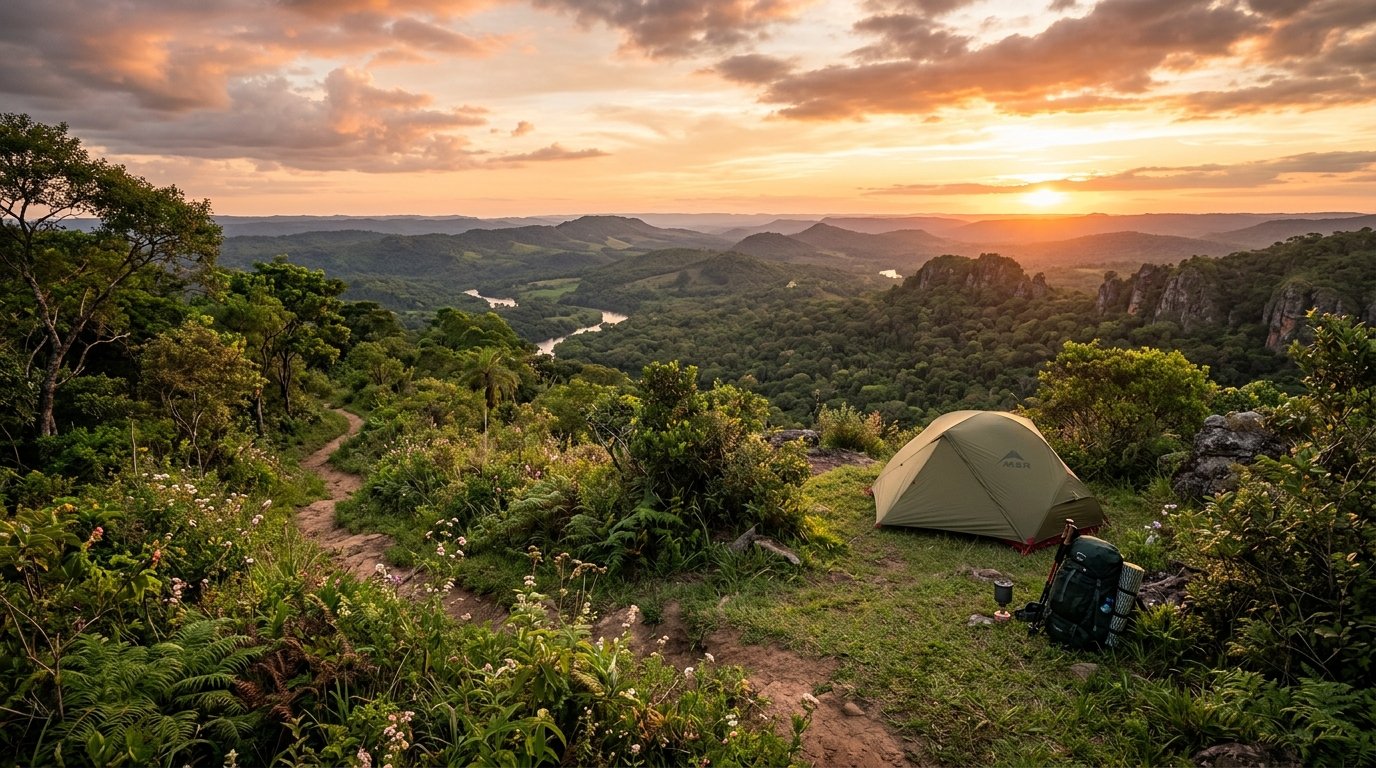
- Legality on Public Land: Wild camping is not explicitly prohibited on public land, making it legal by default. The biggest hurdle for tourists is that very little land is public; most is private ranch land or indigenous reserves. If you are on private land, you must secure the landowner’s permission.
- Duration and Distance Rules: There are no codified national rules regarding distance from roads or water sources for dispersed camping. Common practice is to stay out of sight of main highways, practice “leave no trace,” and limit stays to one or two nights.
- Enforcement: Enforcement is practically non-existent. In fact, if local police or residents notice you, they are more likely to offer you a safer spot to camp, such as a local municipal park, botanical garden, or police station grounds, rather than issue a fine.
3. 🏞️ National Park & Protected Area Rules
- Permits and Registration: National Parks in Paraguay are managed by the Ministry of the Environment and Sustainable Development (MADES). While formal advance booking is rarely required, tourists must sign in and register with park rangers (guardaparques) at the entrance control posts.
- Designated Sites: Camping is strictly restricted to designated areas. Under current MADES regulations, setting up camp, making campfires, or bathing in non-authorized zones is explicitly prohibited and can result in eviction or fines.
- Seasonal Closures: Parks may close specific trails or prohibit overnight stays during extreme weather, particularly during the dry season (due to high wildfire risk) or during periods of severe flooding in the Pantanal and Chaco regions.
4. 🚐 Van Life & Overnight Vehicle Sleeping
- Legality of Sleeping in Vehicles: Sleeping overnight in your vehicle is perfectly legal in Paraguay. There are no federal laws penalizing tourists for sleeping in cars or campervans in public parking areas.
- Parking vs. Camping: Paraguayan law does not strictly distinguish between parking and camping for tourists. If you are legally parked, you are generally free to sleep in your vehicle.
- Designated Areas and Safety: Due to safety concerns in rural or poorly lit areas, van lifers typically overnight at 24-hour service stations (such as Petrobras or Copetrol), which offer well-lit parking, restrooms, and security. Municipal parks, botanical gardens, and areas outside local police stations are also highly recommended and frequently used by overlanders.
5. 🔥 Campfires & Practical Restrictions
- Campfire Regulations: Due to severe deforestation and annual wildfire crises, campfires are strictly regulated under the Fire Prevention and Control Law (Ley 4014/10). In National Parks and protected areas, open fires are entirely banned outside of specifically designated fire pit zones. During the dry season, nationwide burn bans are frequently enacted. Always use a portable camping stove instead.
- No-Camp Zones: Avoid camping near border zones (particularly the northeastern border with Brazil near Pedro Juan Caballero, which is a known smuggling route). Also, avoid wild camping deep in the remote Gran Chaco without a local guide, as the environment is unforgiving and much of it consists of private ranches or restricted indigenous territories.
6. 🔗 Official Sources & Links
For the most up-to-date information, maps, and park advisories, travelers should consult the following official sources:
- MADES (Ministerio del Ambiente y Desarrollo Sostenible) – The official authority on Paraguay’s national parks, environmental laws, and protected areas.
- SENATUR (Secretaría Nacional de Turismo) – Paraguay’s national tourism board, offering guidance on safe travel and authorized recreational sites.
Disclaimer: Land-use laws, environmental regulations, and local attitudes toward wild camping can change frequently. The information provided in this guide is for educational purposes. Travelers should always verify current regulations, fire bans, and safety conditions with official local authorities or park rangers before their trip.

Adrenaline junkie with a passion for exploring off-the-beaten-path destinations and finding unique ways to stay active. Expect stunning scenery, challenging workouts, awesome travel tips and a whole lot of fun. Let’s get sweaty and explore the world together!