
1. 🚦 The Short Answer
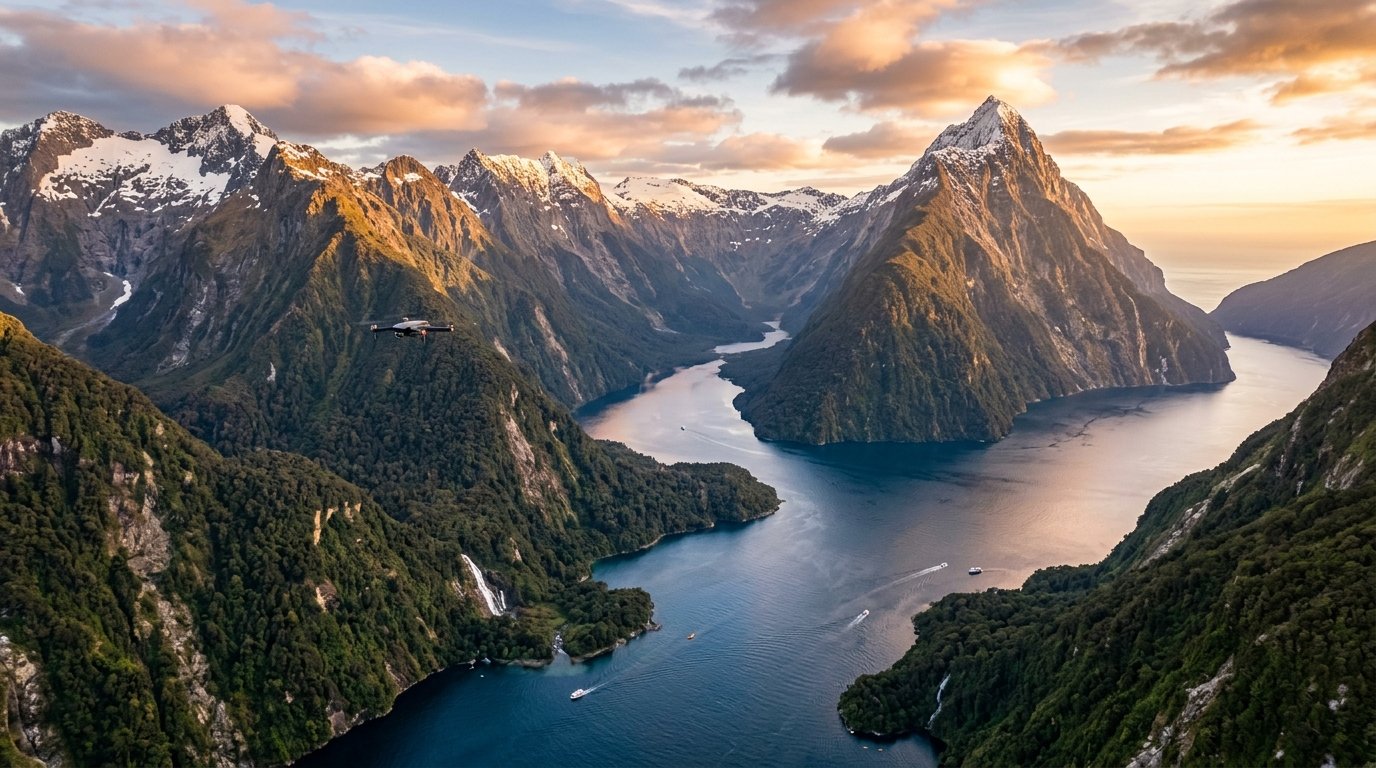
Recreational drones are generally allowed in New Zealand without a national registration requirement, but they operate under strict flight rules. Most notably, you must obtain explicit consent before flying over people, private property, or public conservation lands.
2. 🛃 Customs & Importation Rules
- Bringing a drone: Foreign tourists can legally bring recreational drones into New Zealand through airport customs.
- Declarations: There is no specific customs declaration for the drone unit itself, but strict international aviation rules apply to your lithium-ion (LiPo) batteries. Batteries must be carried in your carry-on luggage, never in checked bags. Each spare battery must be individually protected, and capacities generally must not exceed 100Wh (or up to 160Wh with prior airline approval).
- Confiscation risks: Your drone will not be confiscated at the border as long as you adhere to these standard battery safety limits.
3. 📝 Registration & Permit Process for Tourists
- National Registration: Unlike many countries, New Zealand’s Civil Aviation Authority (CAA) does not require foreign tourists to register recreational drones (under 25kg) before arriving.
- National Park Permits: If you plan to fly in any of New Zealand’s famous National Parks or public conservation areas, you must obtain a recreational drone permit from the Department of Conservation (DOC).
- Process & Fees: You can apply online through the DOC website. Fees depend on the designated “drone zone.” Green zones cost $180 NZD and are approved instantly online, while orange or red zones cost significantly more and undergo strict case-by-case reviews. Additionally, many local city councils require separate permits to fly in local public parks.
4. 🚫 Key Flight Rules & Restrictions
- Standard Rules: Under CAA Part 101 rules, you must fly below 120 meters (400 feet), fly only during daylight hours, and maintain a direct visual line of sight with the drone at all times.
- The “Consent” Rule: New Zealand enforces strict privacy and safety rules. You cannot fly over people or private property without prior explicit permission from the individuals or the property owner.
- Weight Classes: New Zealand applies its Part 101 rules uniformly to all recreational drones under 25kg. Unlike the EU or North America, owning a sub-250g drone (like a DJI Mini) does not exempt you from local flight rules, airspace restrictions, or the strict consent requirements.
- No-Fly Zones: You must stay at least 4km (2.5 miles) away from all airports and helipads. Use the official AirShare app to check for controlled airspace and active No-Fly Zones.
5. 🔗 Official Sources & Links
For the most current rules and live airspace maps, travelers should consult:
Disclaimer: Aviation and drone laws change frequently. Travelers should always double-check official local sources and verify specific district council bylaws before flying.
Adrenaline junkie with a passion for exploring off-the-beaten-path destinations and finding unique ways to stay active. Expect stunning scenery, challenging workouts, awesome travel tips and a whole lot of fun. Let’s get sweaty and explore the world together!