

Have you ever planned a vacation and thought about adding a little danger to your itinerary? Most people look for relaxing beaches or quiet mountain cabins. But some travelers want to push their limits. They want to stand on the edge of an active volcano or hike a path hanging off a sheer cliff.
If you are looking for a massive adrenaline rush, you need to know what you are walking into. I have put together a guide to the most dangerous tourist attractions you can actually visit. These spots are stunningly beautiful, but they do not forgive mistakes. Let’s look at what makes these extreme destinations so risky, and exactly when you should plan your trip to stay as safe as possible.
Death Valley, California
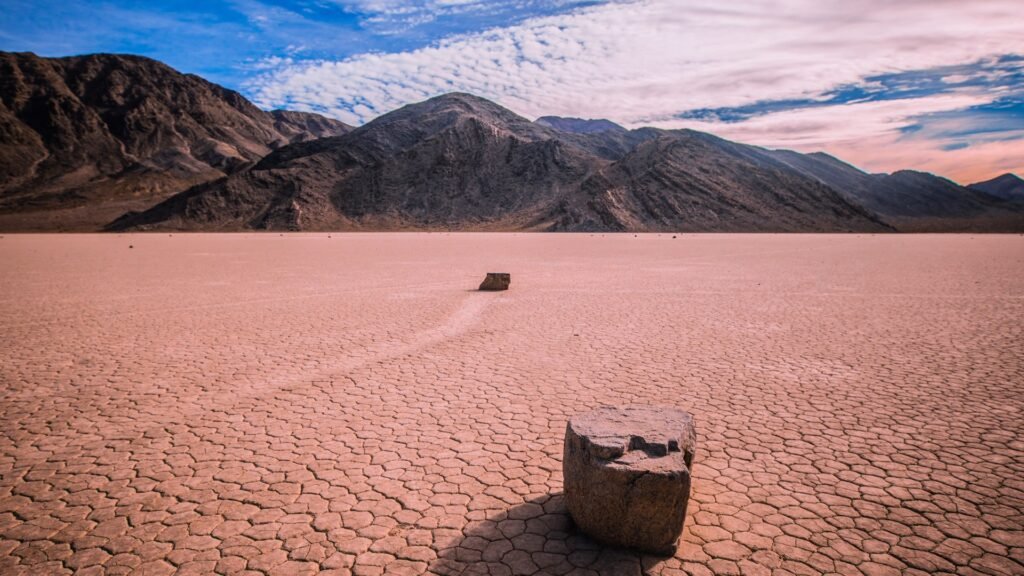
In California, Death Valley looks like another planet. You will find endless salt flats, rippling dunes, and rocks shaped by time. Photographers love the scenery. Road trippers visit every year. But this is also one of the hottest places ever recorded. Death Valley is huge, covering over three million acres. The Badwater Basin sits 282 feet below sea level, trapping the heavy heat. Temperatures climb high enough to shut down cars and overwhelm hikers. Simple mistakes turn into emergencies very fast. Out here, the sun is brutal.
Best Time to Visit: December to February. Winter offers mild, safe temperatures for exploring.
Villarrica Volcano, Chile
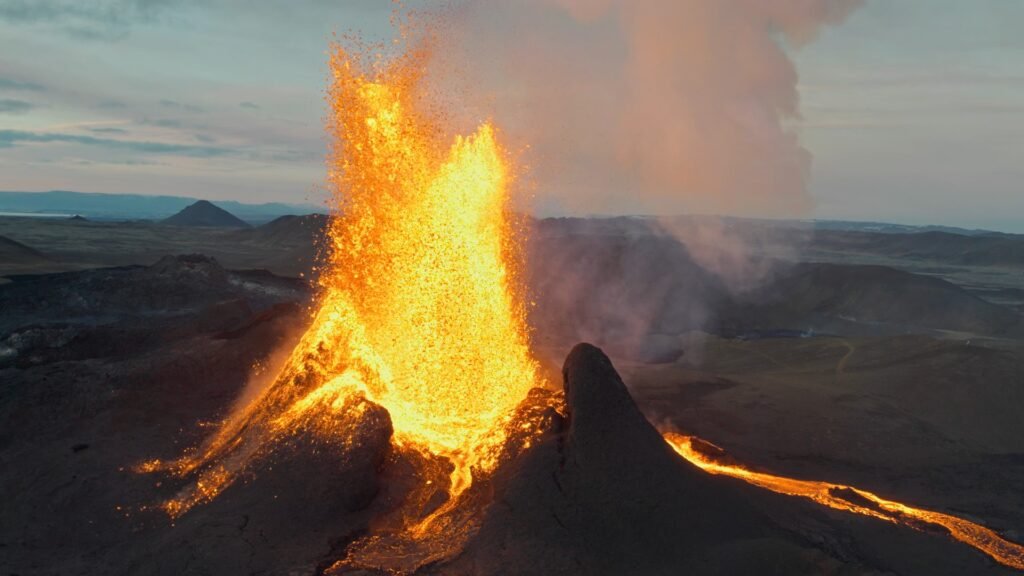
In Chile stands Villarrica. It is one of the most active volcanoes in South America. From far away, it looks like a perfect snow-capped cone. Up close, it is very much alive. Guided climbs take you to the top rim. If you are lucky, you can look down into a glowing lava lake. The mountain has erupted violently in recent years, sending ash and lava into the sky. Climbers often wear gas masks to handle the harsh sulfur fumes near the crater.
Best Time to Visit: December to March. The summer weather makes the climb less icy and far safer.
Mount Huashan, China
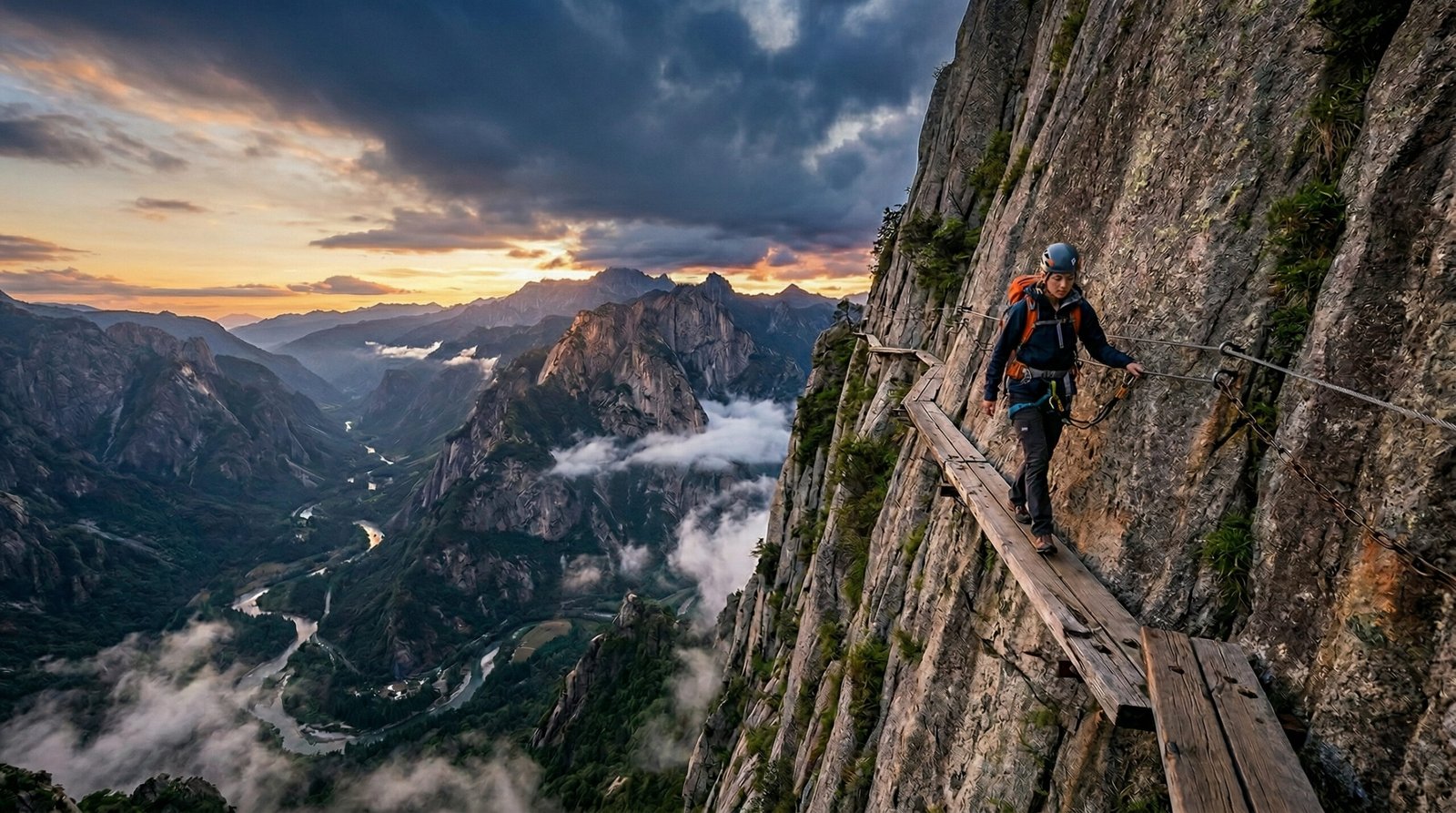
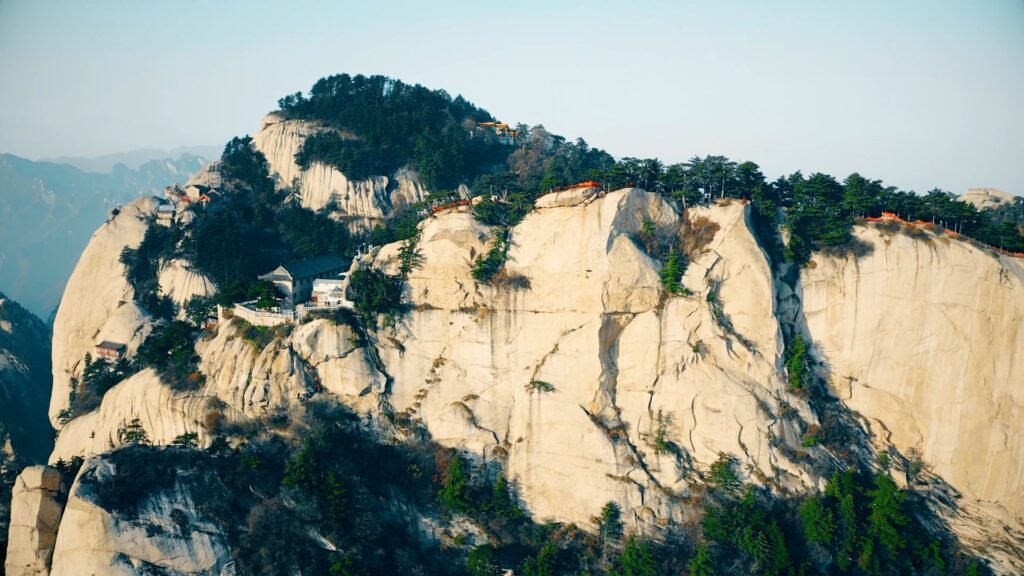
Mount Huashan in China is both sacred and scary. People have climbed it for centuries to visit ancient temples. Today, visitors come for the famous plank walk. It features wooden boards bolted to flat cliff faces high in the air. There are no wide paths or easy slopes. You only have thin boards, metal chains, and a drop that disappears into the clouds. Every single step takes complete focus.
Best Time to Visit: April to May or September to October. You want to avoid the freezing winter ice and heavy summer rain.
Karijini National Park, Australia
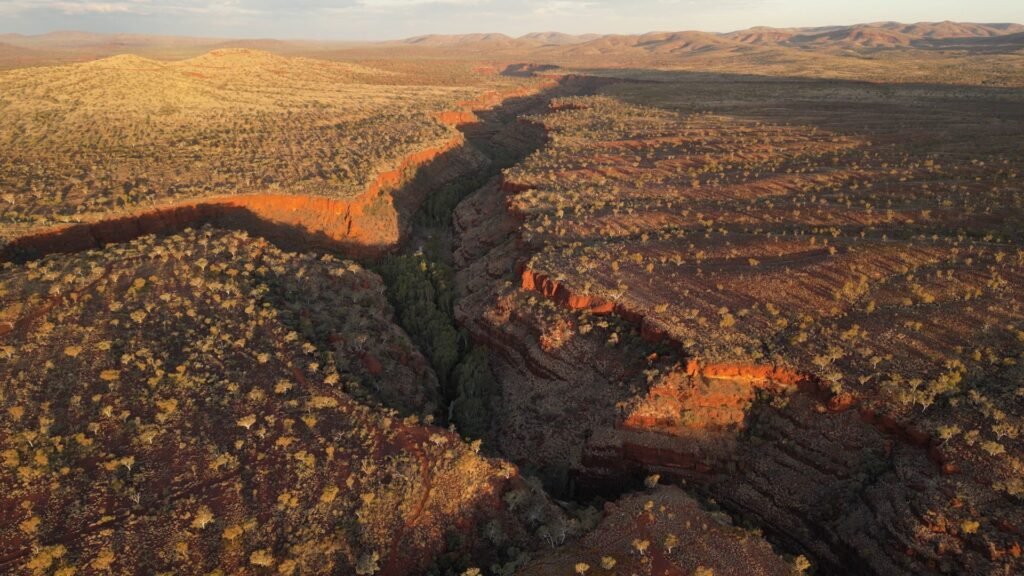
Karijini National Park in Australia offers wild, remote beauty. The area is full of deep red rock gorges and emerald green pools that look perfect for a swim. But flash floods, falling rocks, and sudden weather shifts often catch people off guard. Rainwater from miles away can funnel into the narrow gorges, causing water levels to rise several feet in a matter of minutes. This park rewards careful preparation and punishes a lack of attention.
Best Time to Visit: May to September. This is the dry season, which severely lowers the risk of flash floods.
El Caminito del Rey, Spain
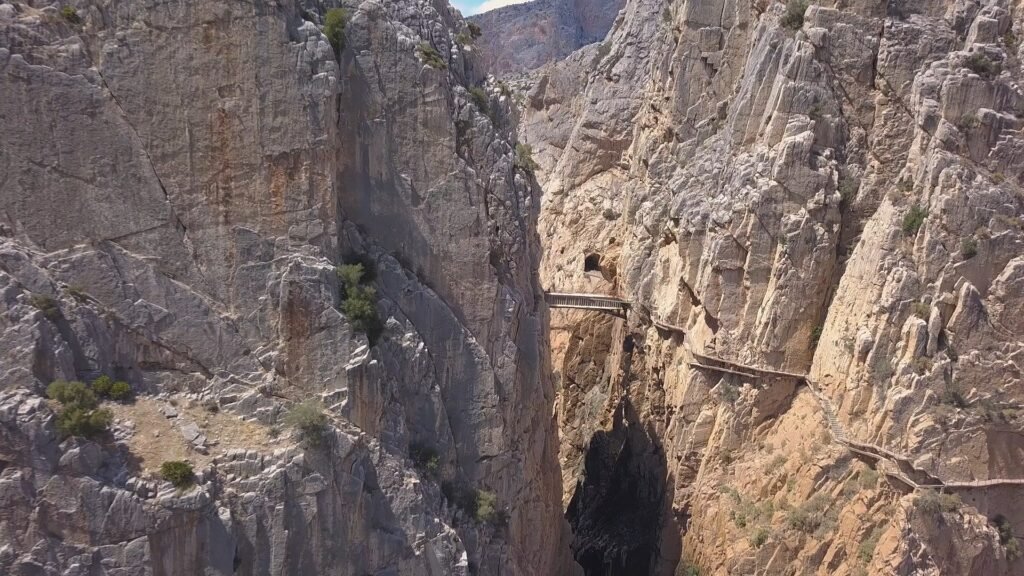
Spain has a path so risky it earned a dark reputation. El Caminito del Rey, or The King’s Little Pathway, hangs on canyon walls high above a rushing river. In the past, crumbling concrete sections made crossing it a major gamble. Many people lost their lives trying to jump across the broken gaps. Today, the path is completely rebuilt with strong fences and secure bridges. Even with the modern updates, the intense heights still cause severe vertigo.
Best Time to Visit: March to May or September to November. The temperatures are comfortable for hiking.
Devil’s Pool, Zambia
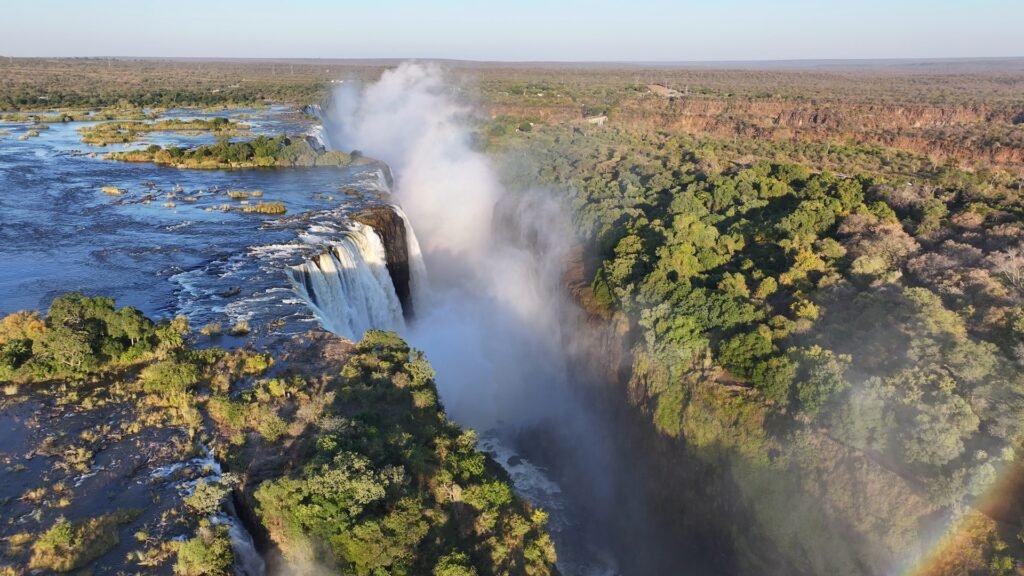
At Victoria Falls in Zambia, a natural rock pool forms right at the edge of the rushing water. It is called Devil’s Pool, and people actually swim there. A thin rock lip keeps you from falling over the massive drop. It is one of the most amazing infinity pools on the planet, but also one of the riskiest swims you can take. A slip outside the safe zone means a fatal fall.
Best Time to Visit: Mid-August to December. The water levels must be low enough to safely enter the pool.
Half Dome, United States
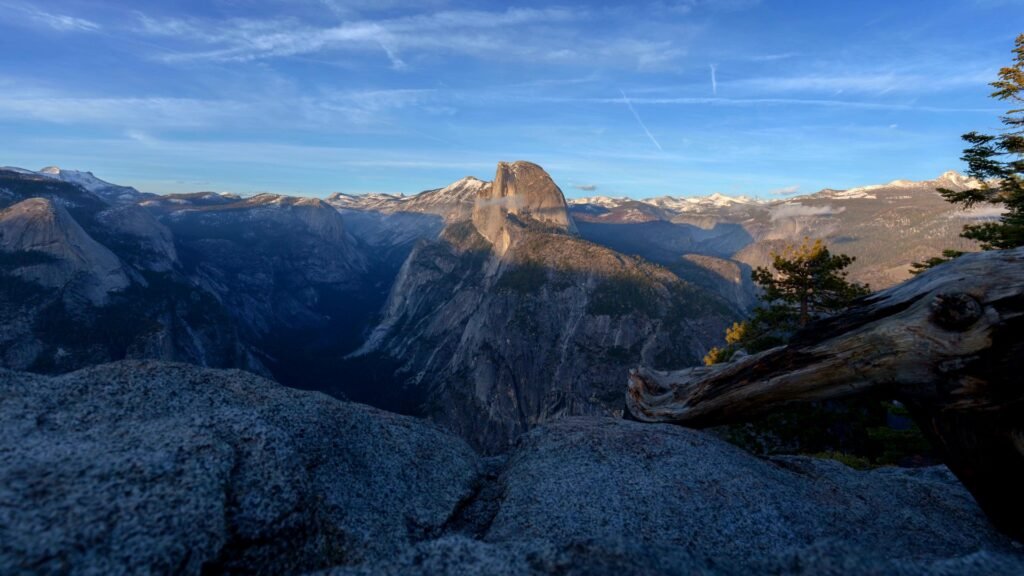
In the United States, Half Dome rises above Yosemite National Park like a huge wave of solid granite. The hike to get there is long and tiring. The final climb is what tests your nerves. Steel cables guide hikers up a very steep, exposed rock face. When rain falls or the rock gets slick, that final stretch becomes deadly. Hikers often drop their water bottles or lose their footing on the smooth stone.
Best Time to Visit: June to September. The park only leaves the support cables up during the warm, dry months.
Anak Krakatau, Indonesia
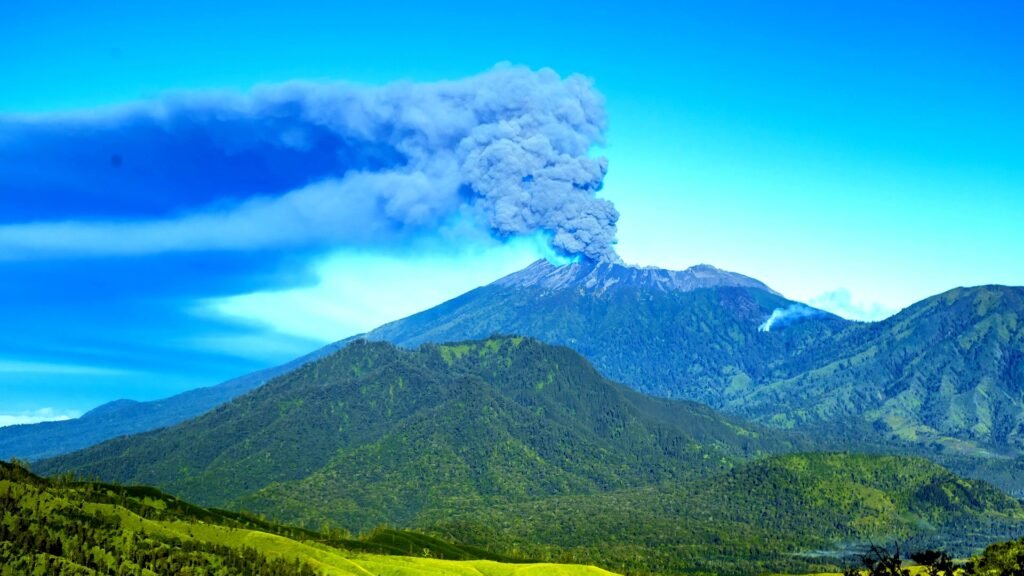
Indonesia reminds us that some islands are still forming through violent eruptions. Anak Krakatau is the child of the famous Krakatoa volcano. It continues to erupt and change its shape. Sudden activity here has caused massive ocean waves and tragic events in modern times. It is a powerful reminder that some travel spots are constantly in motion. The ground can split open without any warning.
Best Time to Visit: May to October. The dry season means calmer seas for the boat ride, but you must always check daily safety alerts before going near the island.
Colorado River, United States
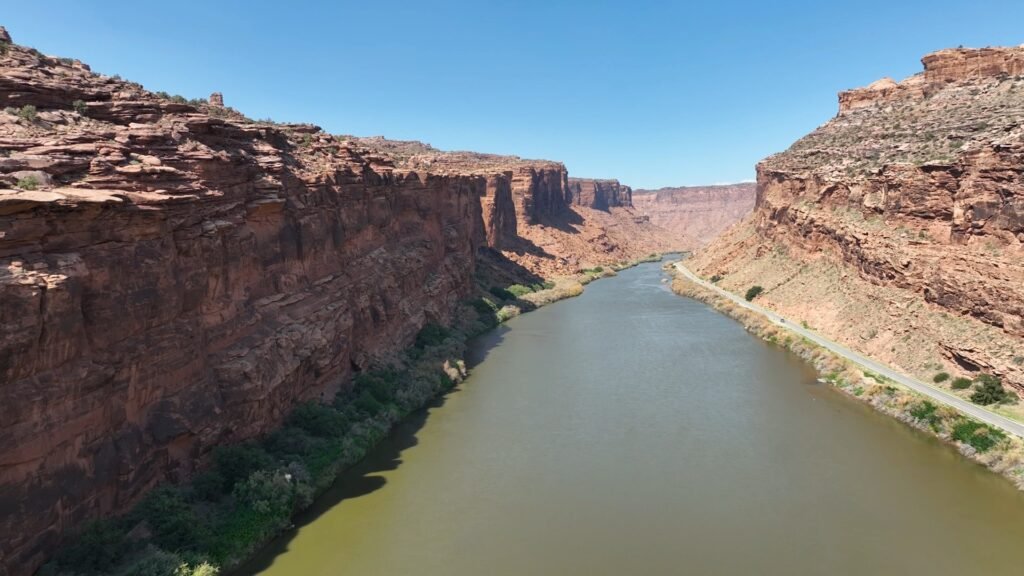
The Colorado River looks inviting. It is wide, scenic, and seems calm on the surface. But hidden currents, cold water shock, and sudden flow changes have claimed many lives. This happens mostly after large storms and when mountain snow melts into the river. Rivers do not always show their true power until you are already in the water.
Best Time to Visit: Late May to September. The water is slightly warmer and commercial rafting companies run daily guided trips.
North Yungas Road, Bolivia
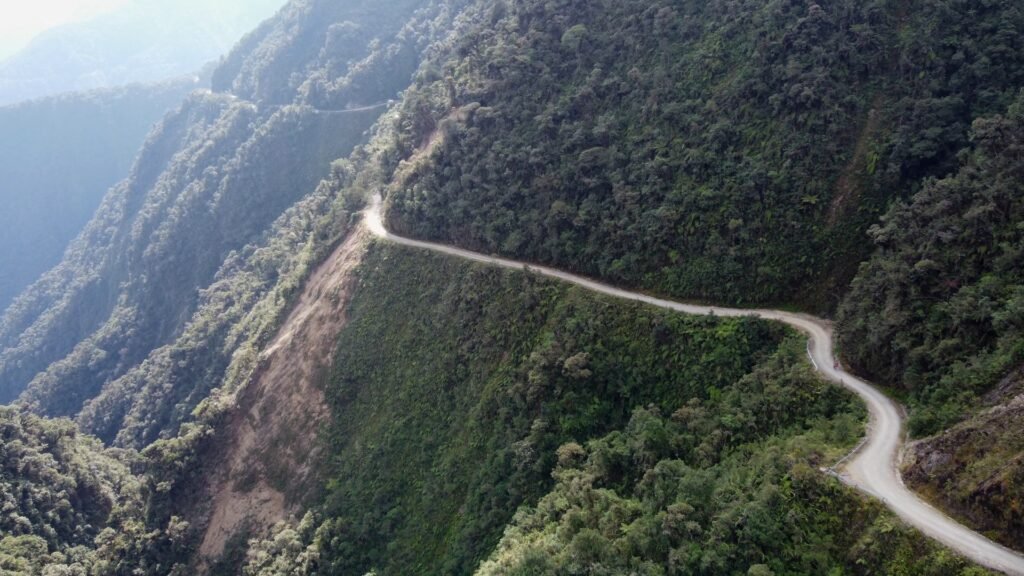
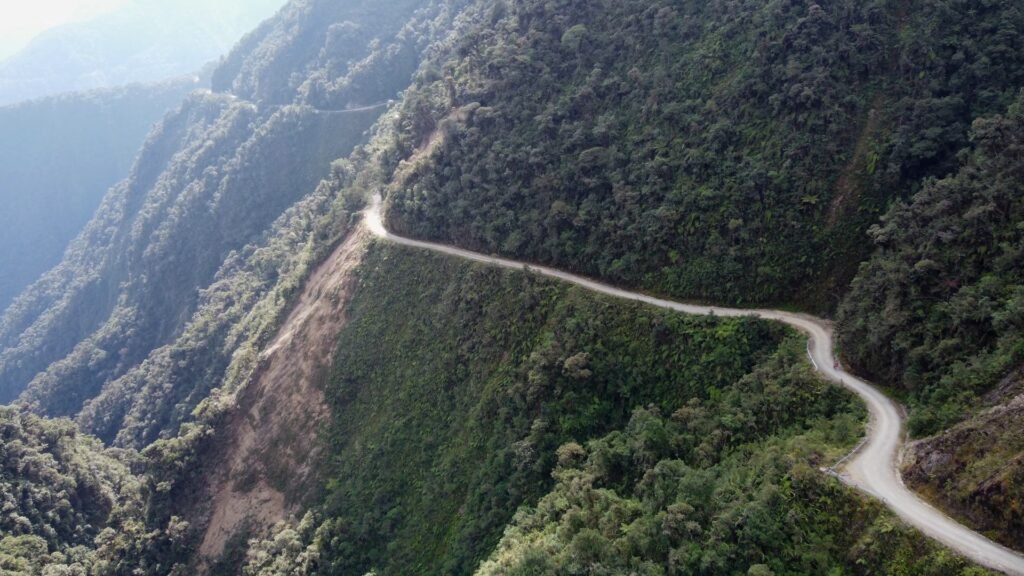
Bolivia’s North Yungas Road twists through steep mountains. People call it the Death Road. It has sheer drops, narrow dirt lanes, and zero guardrails. Cyclists now ride down it for excitement, but its history is full of tragedy. Heavy fog and rain make the dirt extremely slippery. One bad turn here means a fall straight down into the thick jungle below.
Best Time to Visit: May to October. During the dry season, the road is less muddy and offers much better visibility.
Boiling Lake, Dominica
Dominica’s Boiling Lake bubbles deep in the island jungle. Volcanic heat from deep underground keeps the water near a rolling boil. It looks mysterious, wrapped in thick white steam. Unstable dirt near the edges and sudden bursts of hot vapor make getting close risky. You must hike through a harsh area called the Valley of Desolation just to reach it.
Best Time to Visit: February to May. The trail is extremely muddy and difficult, so the dry season makes the long hike safer.
Blue Hole, Egypt
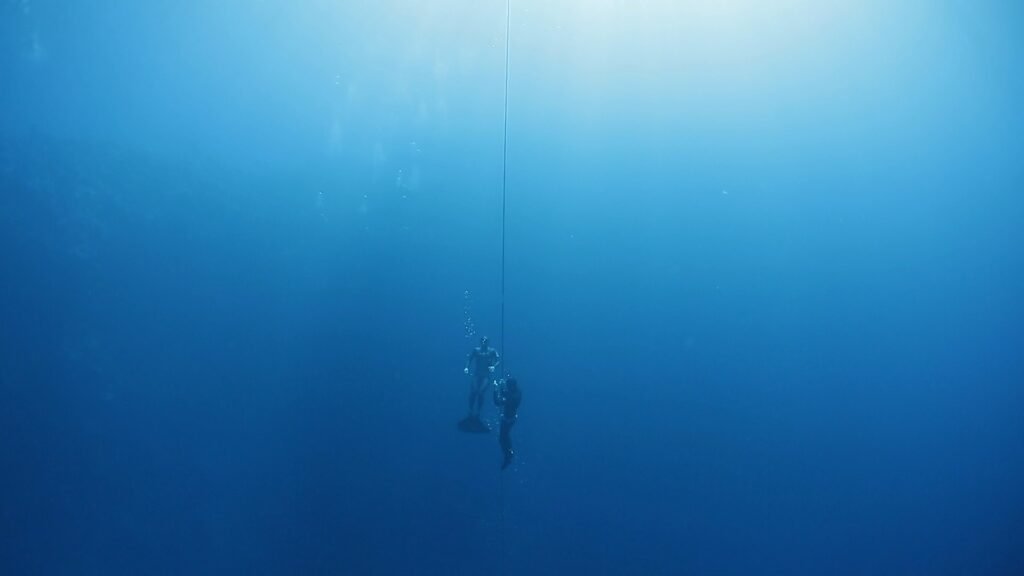
Egypt’s Blue Hole is legendary among deep-sea divers. It is a deep marine sinkhole on the coast of the Red Sea. A submerged tunnel called the Arch tempts many people to push their diving limits. Some divers go too deep and never return. Nitrogen sickness and getting lost in the dark tunnel are the main dangers. The deep blue water is beautiful but totally unforgiving to overconfidence.
Best Time to Visit: July to October. The water is very warm, though experienced diving happens all year round.
Trift Bridge, Switzerland
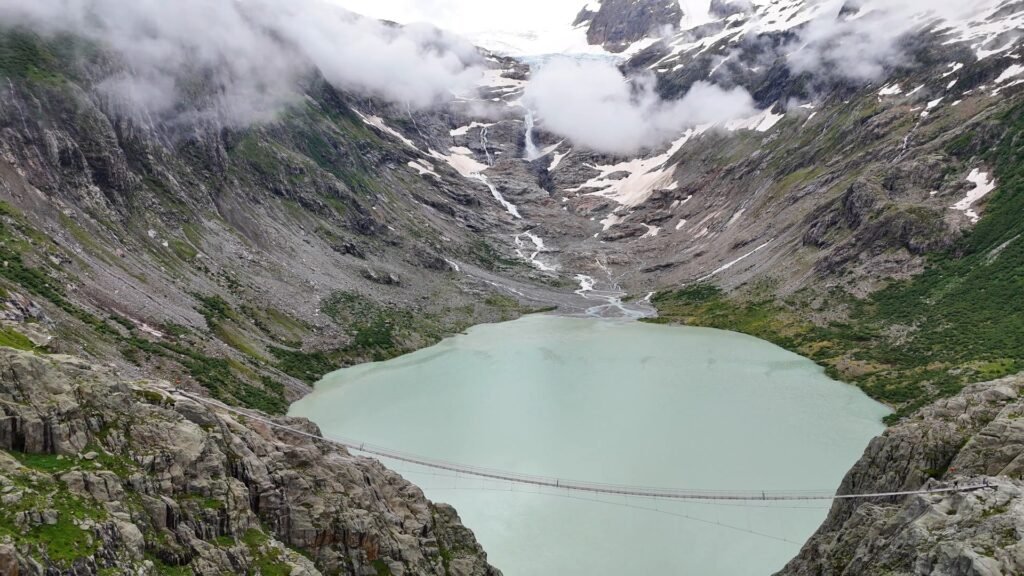
High in the Swiss Alps, Trift Bridge stretches across empty air. It is a long, swaying suspension bridge hanging high above a dramatic valley and a melting glacier. Crossing it feels like walking through the sky. The metal grates give you a clear view of the massive drop below. It is perfectly safe, unless heights make your legs freeze up entirely.
Best Time to Visit: June to October. The cable car needed to reach the hiking trail only operates during the summer months.
Cascade Saddle, New Zealand
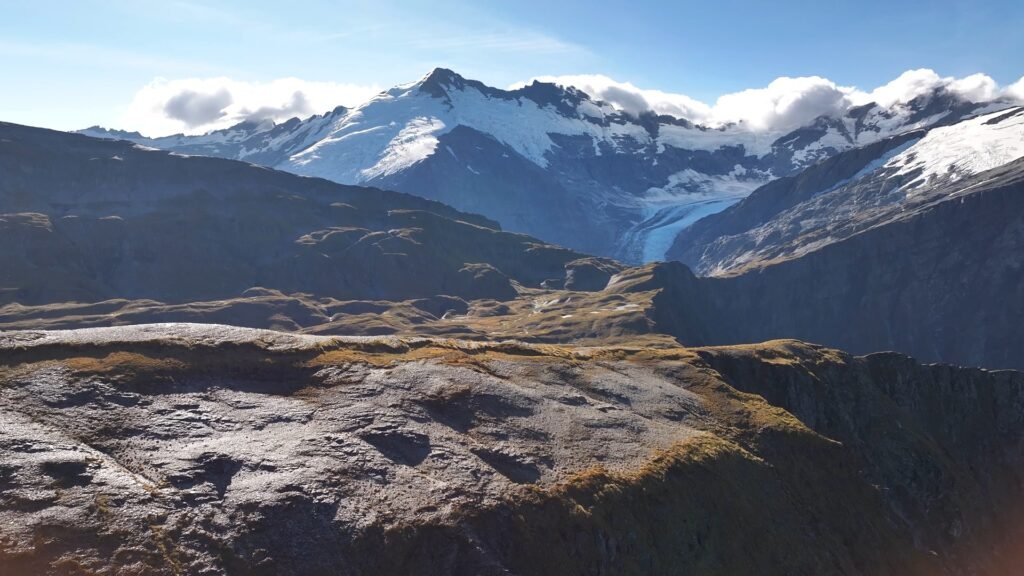
In New Zealand, the Cascade Saddle gives hikers incredible alpine views. It also features fast-changing weather and steep, exposed slopes. Golden tussock grass covers the ground. When it rains, that grass becomes as slippery as ice. Several experienced hikers have badly underestimated how fast conditions can turn bad here.
Best Time to Visit: January to March. Late summer clears away the snow and ice, making the steep grass slopes safer to walk on.
Adding one of these extreme spots to your travel bucket list guarantees an unforgettable trip. But keeping yourself safe should always be the top priority. Nature is incredibly powerful, and the easiest way to get into trouble is to ignore warning signs or show up unprepared. Always respect the local guidelines, hire an experienced guide when you can, and keep a close eye on the weather.
Adrenaline junkie with a passion for exploring off-the-beaten-path destinations and finding unique ways to stay active. Expect stunning scenery, challenging workouts, awesome travel tips and a whole lot of fun. Let’s get sweaty and explore the world together!