
1. 🚦 The Short Answer
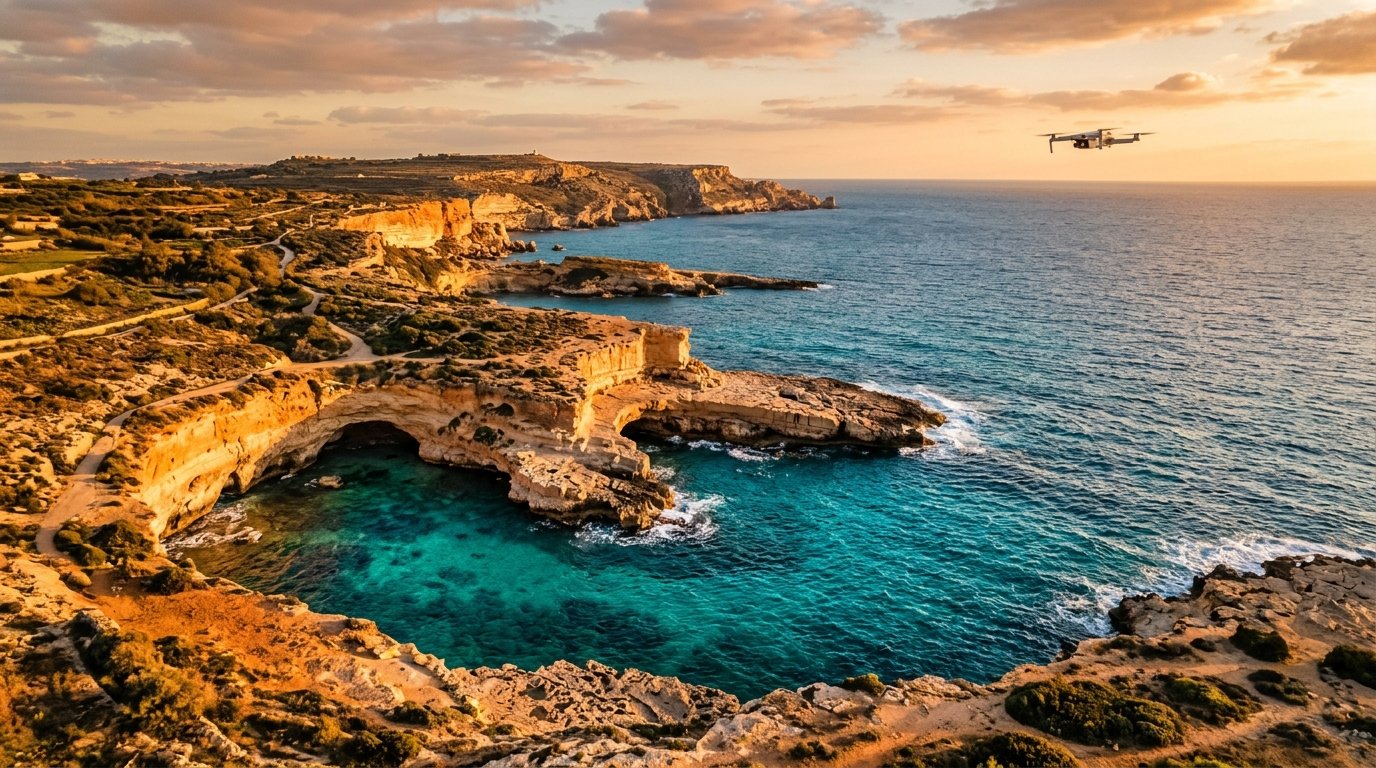
Recreational drones are generally allowed in Malta, but they are strictly regulated. Because the entire country is considered controlled airspace, you must register as an operator, carry third-party insurance, and submit an online flight request for every single flight you make.
2. 🛃 Customs & Importation Rules
- Airport Customs: Tourists can legally bring recreational drones into Malta through customs. Standard border and entry rules apply.
- Declarations: There are no special customs declarations required for recreational drones upon arrival.
- Confiscation Risks: Your drone will not be confiscated at the border if you lack your flight registration paperwork. However, you cannot legally fly the drone until you complete the local registration process.
- Batteries: Remember to pack all lithium-ion drone batteries safely in your carry-on baggage to comply with standard international airline safety protocols.
3. 📝 Registration & Permit Process for Tourists
- Pre-Flight Registration: You must register before you fly. Malta operates under the European Union Aviation Safety Agency (EASA) rules but manages all specific flights via its own local portal.
- Step-by-Step Process:
- Obtain valid third-party drone liability insurance, which is legally mandatory for flying in Malta.
- Create an account on Transport Malta’s official drone portal, IDRONECT.
- If Malta is your first EASA country, register as a new UAS operator for a fee of 25 Euros. If you already have an EASA registration from another EU country, you can opt to pay 10 Euros for a 3-month tourist validation.
- Flight Authorizations: Because all of Malta is controlled airspace, you must log into the IDRONECT portal and submit a flight request for every planned flight, specifying your exact location, altitude, and time.
4. 🚫 Key Flight Rules & Restrictions
- Maximum Altitude: The standard EASA altitude limit is 120 meters (400 feet). However, Transport Malta advises keeping drones below 200 feet above ground level to avoid interfering with manned aircraft. Your approved altitude will be confirmed during your flight request.
- Visual Line of Sight: You must keep your drone within your unaided visual line of sight at all times.
- Weight Classes (Sub-250g): If your drone weighs under 250g (e.g., DJI Mini) but has a camera or microphone, you are still required to register as an operator and get insurance. However, you do not need to take the formal remote pilot exams required for heavier drones.
- No-Fly Zones: You cannot fly within 5km of the Malta International Airport perimeter. Other strict no-fly zones include heliports, embassies, hospitals, prisons, power stations, and protected nature reserves.
- Crowds: Keep a safe distance of at least 50 meters from large groups of people.
5. 🔗 Official Sources & Links
For the most current information and to complete your required registration, please visit the official resources below:
- Transport Malta: Civil Aviation Directorate (Drones)
- IDRONECT: Malta Official Drone Registration Portal
Disclaimer: Aviation laws and regulations change frequently. Travelers should always double-check official government sources and confirm current rules shortly before their trip.
Adrenaline junkie with a passion for exploring off-the-beaten-path destinations and finding unique ways to stay active. Expect stunning scenery, challenging workouts, awesome travel tips and a whole lot of fun. Let’s get sweaty and explore the world together!