
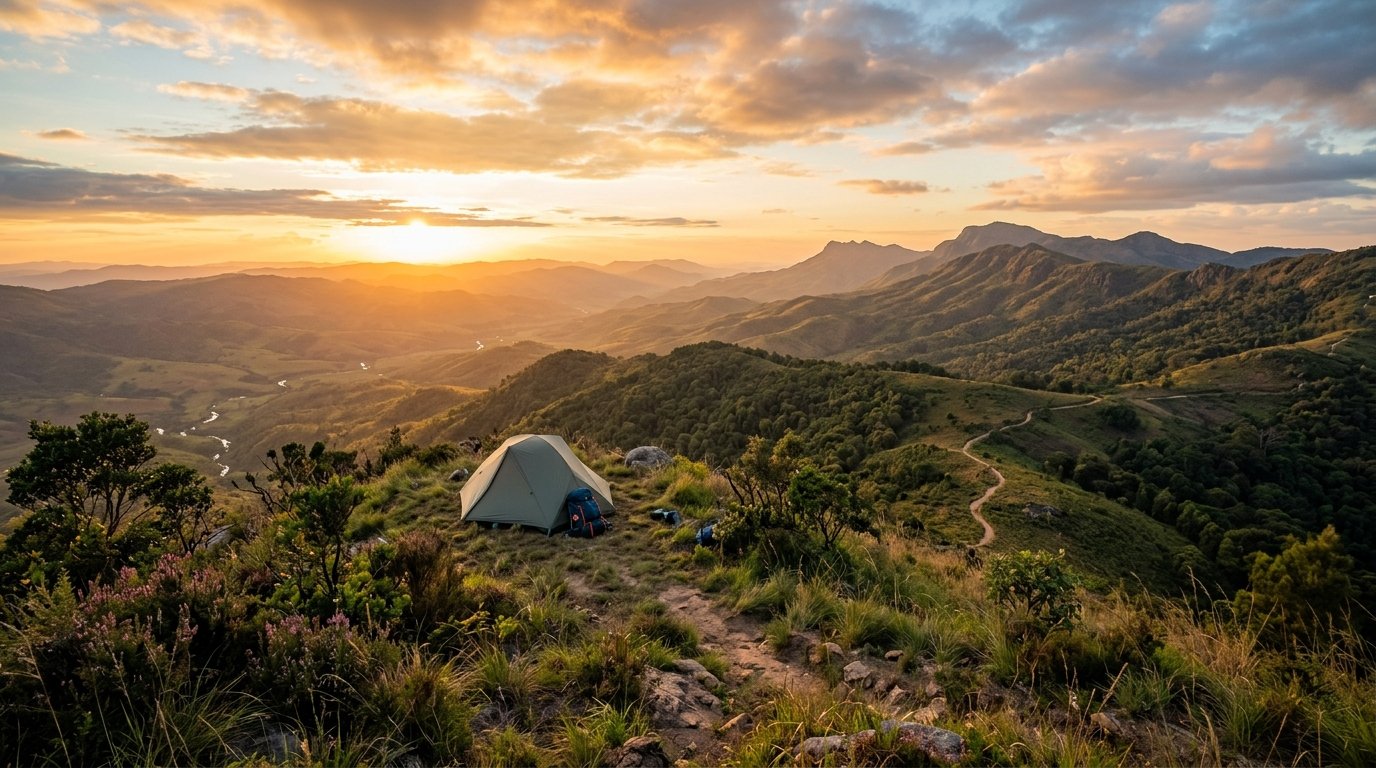
1. 🏕️ The Short Answer
For foreign tourists in Malawi, wild or dispersed camping operates in a legal grey area and is highly discouraged unless you have explicit permission from a local village chief. While not explicitly banned by a singular nationwide law, there is no “right to roam,” meaning true wild camping is effectively illegal in all protected areas and practically unfeasible elsewhere. Due to safety concerns and local land ownership customs, travelers should exclusively use Malawi’s extensive and affordable network of designated overlander campsites and lodges.
2. 🌲 Wild & Dispersed Camping Rules
- Legality on Public Land: There is no blanket right to wild camp on public land in Malawi. You cannot simply pitch a tent off the side of the road, in a forest, or on a beach. In rural areas, land belongs to local communities. If you have a legitimate emergency and must stop, you are required by custom and local law to seek permission from the local village headman or chief before setting up camp.
- Duration and Distance Rules: Because recreational wild camping is not formally legislated for tourists, there are no set distance rules from roads or duration limits. These factors rely entirely on the agreement you make with the local chief if you are granted emergency permission to stay on community land.
- Enforcement: Enforcement is typically handled by local community members rather than dedicated police patrols. In practice, setting up a tent in the wild without permission will instantly attract a large crowd of curious onlookers and poses a significant security risk for petty theft. Local authorities will likely ask you to move to a paid lodge or police station grounds for your own safety.
3. 🏞️ National Park & Protected Area Rules
- Permit Systems and Fees: Protected areas are managed by the Department of National Parks and Wildlife (DNPW), with several flagship parks (such as Liwonde, Majete, and Nkhotakota) managed in partnership with African Parks. You must pay daily conservation/entry fees per person and per vehicle, in addition to overnight camping fees.
- Designated Sites Only: Under the National Parks and Wildlife Act, it is strictly prohibited to camp or remain in a park after dark outside of officially designated camping sites. Advance booking is highly recommended, especially during the peak dry season from May to October.
- Seasonal Closures: While the parks themselves generally remain open year-round, many dirt tracks, river crossings, and remote bush camps become completely impassable and shut down during the wet season (November to April).
4. 🚐 Van Life & Overnight Vehicle Sleeping
- Roadside Sleeping: Pulling over to sleep in your vehicle on the side of the road, in village laybys, or in public car parks is highly unsafe and strongly discouraged. Night driving in Malawi is incredibly dangerous due to pedestrians, livestock, and unlit vehicles on the road, making dark roadside parking a major collision hazard and security risk.
- Parking vs. Camping: Malawian law does not parse the difference between “parking” and “camping” in the way many Western nations do. If you are sleeping in a vehicle, you are occupying land, which requires community or landowner permission.
- Designated Areas: There are no European-style free “aires” or public rest stops. Overlanders and van-lifers rely exclusively on a well-established route of private overlander campsites, lakeside backpacker lodges, and community-run camps that cater specifically to 4x4s and roof-top tents. These sites provide security, showers, and safe parking.
5. 🔥 Campfires & Practical Restrictions
- Campfire Regulations: Within national parks and wildlife reserves, lighting fires is strictly prohibited under national law except in explicitly designated camp fire pits or braai (barbecue) areas. In rural community areas, firewood is a precious and scarce local resource; tourists should always buy firewood locally rather than scavenging it to avoid conflict and environmental damage.
- Key No-Camp Zones: Never attempt to wild camp on the random shores of Lake Malawi or along riverbanks. These areas carry severe, potentially fatal risks of encountering hippos and crocodiles at night, alongside heightened risks of theft. Additionally, tourists should avoid loitering or camping near international borders (Zambia, Tanzania, Mozambique) and near military or critical infrastructure.
6. 🔗 Official Sources & Links
To verify the most up-to-date information, entry fees, and park regulations before your trip, please consult the official tourism and park management resources below:
- Malawi Department of Tourism Official Website
- African Parks (Official Management for Majete, Liwonde, and Nkhotakota)
Disclaimer: Camping regulations, land-use customs, and national park fees in Malawi can change frequently. The information provided in this guide is for educational and trip-planning purposes. Travelers should always verify current laws, safety advisories, and local conditions with official sources and local authorities before embarking on their journey.

Adrenaline junkie with a passion for exploring off-the-beaten-path destinations and finding unique ways to stay active. Expect stunning scenery, challenging workouts, awesome travel tips and a whole lot of fun. Let’s get sweaty and explore the world together!