
1. 🏕️ The Short Answer
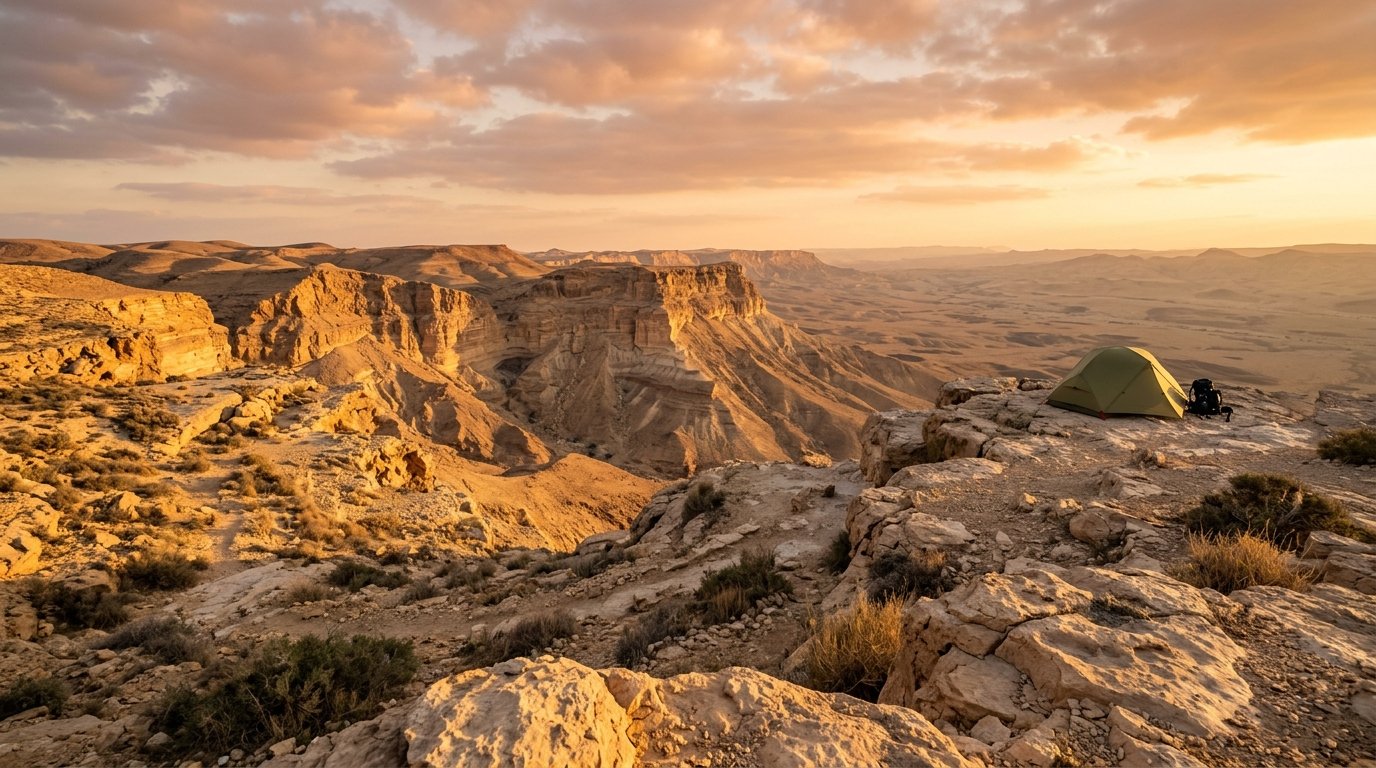
For foreign tourists, wild and dispersed camping in Israel is highly popular, generally legal, and actively encouraged—but it is strictly dictated by zoning. While you cannot pitch a tent just anywhere (especially in protected nature reserves or military zones), Israel boasts a vast, robust network of free, designated wild camping spots called “Night Camps” (Hanion Laila) where you can legally sleep under the stars.
2. 🌲 Wild & Dispersed Camping Rules
- Is camping outside official campsites legal? Yes, you can technically wild camp on public land as long as you are not in a Nature Reserve, National Park, active military zone, public beach, or on private agricultural land. Because most of Israel’s scenic wilderness is protected, the standard practice for tourists is to use the hundreds of free, signposted “Night Camps” scattered throughout the desert and forests.
- Are there duration limits or distance rules? There are no strict national duration limits for wild camping, but a 1-to-2 night maximum per spot is the generally accepted etiquette. You should stay away from major roads and remain within the boundaries of the designated signpost areas when in the wilderness.
- Is this actively enforced? Yes. Wild camping illegally inside a Nature Reserve or National Park outside of the designated Night Camps is strictly forbidden to protect local wildlife. INPA (Israel Nature and Parks Authority) rangers actively patrol these areas, and violators will be fined and escorted out.
3. 🏞️ National Park & Protected Area Rules
- Do national parks have a separate permit system? Yes. INPA operates two types of campsites: free, basic “Night Camps” with zero facilities, and paid, upgraded campgrounds that feature hot showers, kitchens, and electrical outlets.
- Is camping restricted to designated sites? Absolutely. Inside any Nature Reserve or National Park, you must sleep at an official Night Camp. Furthermore, hiking off-trail or remaining on nature trails after dark is strictly prohibited. If you are staying at a paid, upgraded INPA campground, advance booking is mandatory via their online system, especially on weekends and Jewish holidays.
- Are there seasonal closures? Yes. Sites are frequently closed due to dangerous weather conditions, such as extreme heatwaves in the summer, severe wildfire risks, or the threat of winter flash floods in the Judean and Negev deserts.
4. 🚐 Van Life & Overnight Vehicle Sleeping
- Is it legal to sleep overnight in a vehicle? There is no nationwide law prohibiting sleeping in a legally parked car. Tourists can sleep in their vehicles in free public parking lots, on residential streets (provided you observe local parking signs and pay meters), and at free Night Camps.
- Parking vs. Camping distinction: Similar to Europe, Israel distinguishes between “parking” and “camping.” If your vehicle is parked and everything remains inside, it is considered parking. The moment you roll out an awning, set up camping chairs, or use an outdoor stove in a city or beach parking lot, you are “camping” and risk being ticketed.
- Are there designated overnight areas? True campervan infrastructure (like European aires with water/waste hookups) is extremely limited in Israel, as the local culture heavily favors tent camping. Van-lifers should rely on KKL-JNF forest parking areas and remote desert Night Camps, and be prepared to be fully self-contained.
5. 🔥 Campfires & Practical Restrictions
- Are open campfires generally allowed? Open fires in random wild areas are strictly prohibited due to severe forest fire risks. Campfires are only allowed in designated stone or concrete fire pits at official campsites. During peak summer heat, authorities frequently issue sweeping nationwide bans on all fires. Crucial rule: You are not allowed to forage for dead wood in nature reserves; you must bring your own firewood from a local town or gas station.
- Key no-camp zones tourists must avoid:
– Military Firing Zones (Shetach Esh): Massive swaths of the Negev Desert and Golan Heights are active military training areas. Never camp in or drive through these areas without military coordination.
– Border Regions: Avoid setting up camp immediately adjacent to the borders with Lebanon, Syria, and the Gaza Strip.
– The Dead Sea Shoreline: Do not wild camp on the open beaches of the Dead Sea. The shoreline is plagued by sudden, collapsing geological sinkholes that are incredibly dangerous. Stick only to approved, privately managed beaches and campgrounds (like Ein Gedi or Kalia).
– Under Eucalyptus Trees: A unique local camping rule—never pitch your tent directly under a Eucalyptus tree, as they are notorious for suddenly dropping massive, heavy branches without warning.
6. 🔗 Official Sources & Links
To verify the location of legal campsites, check for seasonal closures, or book a paid site, use the following official resources:
- Israel Nature and Parks Authority (INPA) – For booking national park campgrounds and checking nature reserve rules.
- Keren Kayemeth LeIsrael (KKL-JNF) – For finding free, designated forest camping areas across the country.
Disclaimer: Camping regulations, land-use access, and fire bans in Israel change frequently due to weather conditions, geopolitical security, and environmental protection efforts. Always verify current rules, weather warnings, and local laws with official authorities before embarking on your trip.

Adrenaline junkie with a passion for exploring off-the-beaten-path destinations and finding unique ways to stay active. Expect stunning scenery, challenging workouts, awesome travel tips and a whole lot of fun. Let’s get sweaty and explore the world together!