
1. 🏕️ The Short Answer
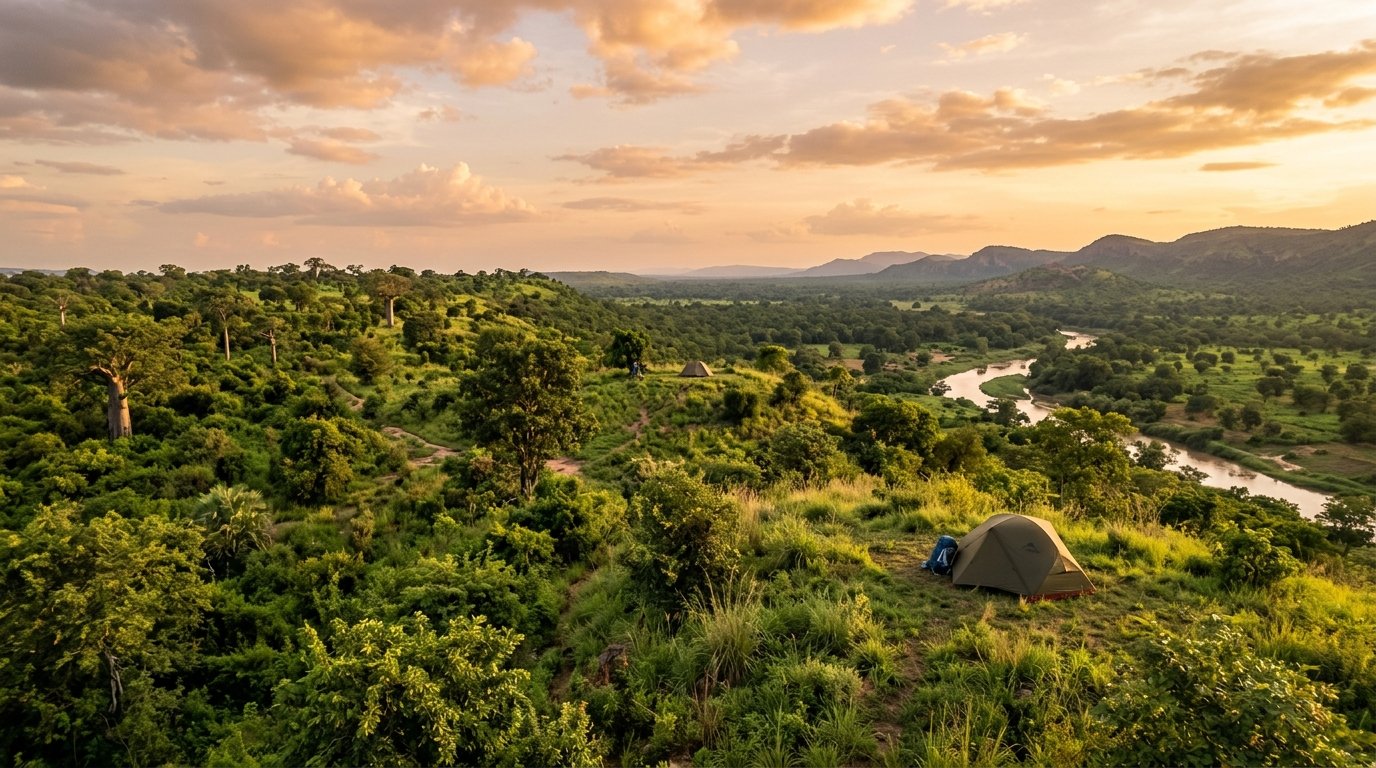
True “wild camping” (pitching a tent anonymously on public land) operates in a grey area of customary law in Ghana, rather than a strictly regulated legal framework. While it is generally tolerated and very possible for overland tourists, you cannot simply camp anywhere; you must follow local etiquette by asking permission from the nearest village chief or landowner. Within protected areas, camping is entirely legal but strictly regulated to designated zones requiring paid permits.
2. 🌲 Wild & Dispersed Camping Rules
- Legality on Public Land: In Ghana, practically all non-urban land belongs to local communities, families, or traditional stools. Pure “public land” as understood in Western countries is rare. Therefore, dispersed camping requires customary permission rather than a government permit. It is a mandatory rule of travel in West Africa to present yourself to the local Chief or community elders to ask permission to camp. Once granted, you are considered an official guest, which practically guarantees your safety.
- Duration and Distance Rules: There are no statutory duration limits or distance rules from roads. Your stay is entirely dictated by the hospitality and agreement of the local community. Note that camping near settlements will draw intense, friendly curiosity from locals.
- Enforcement: Police rarely concern themselves with tourists wild camping in rural areas as long as the community has approved your presence. However, Ghana’s Forestry Commission strictly patrols unmanaged Forest Reserves. If you attempt to camp in a protected timber reserve without authorization, you will likely be evicted or detained by armed rangers.
3. 🏞️ National Park & Protected Area Rules
- Permit Systems: Protected areas managed by the Wildlife Division of the Forestry Commission (such as Mole National Park and Ankasa Conservation Area) have established fee structures. You are required to pay a daily park entrance fee (which differs for non-nationals) plus an additional overnight camping fee.
- Designated Sites & Booking: Camping within national parks is restricted to designated zones. For example, in Mole National Park, you can choose between basic undeveloped sites, developed sites with ablution blocks, or camping on the secure grounds of the Mole Motel. Advance online booking is not required; tourists can pay at the park headquarters or main gate upon arrival.
- Seasonal Closures: While parks rarely close officially, seasonal weather creates de facto closures. During the heavy rainy season (April to October), dirt roads turn to mud, making many remote campsites inaccessible to even 4×4 vehicles.
4. 🚐 Van Life & Overnight Vehicle Sleeping
- Roadside Sleeping: Sleeping in your vehicle overnight is not explicitly illegal, but pulling over on random roadsides or unlit public car parks is highly discouraged due to the risk of opportunistic crime.
- Parking vs. Camping: Ghanaian law does not make a municipal distinction between “parking” and “camping” like many Western countries do. The primary concern is land ownership and physical security.
- Designated Overnight Areas: Ghana does not have a formal network of motorhome rest areas (aires). Overlanders and van lifers typically negotiate to park and sleep in guarded locations. It is common practice to pay a small fee to a guesthouse, hotel, or restaurant to sleep in their gated parking lot. Large 24-hour gas stations and police checkpoints are also common, safe places to ask to park overnight.
5. 🔥 Campfires & Practical Restrictions
- Campfire Rules: Open fires are generally permitted but should be approached with extreme caution. During the dry Harmattan season (November to March), the savannah vegetation becomes highly flammable, and bushfires are a severe hazard. Always use existing fire rings in National Parks, and always ask village elders before lighting a fire on community land.
- No-Camp Zones: Tourists must strictly avoid camping near military installations, border buffer zones, and sensitive government infrastructure. Most importantly, avoid areas known for “galamsey” (illegal gold mining). The Ghanaian government recently deployed heavily armed forest protection camps across various Forest Reserves (such as the Oda River and Apapraman reserves) to aggressively crack down on illegal mining and logging; tourists wandering into these zones may be mistaken for illegal operators.
6. 🔗 Official Sources & Links
To verify current fees, park access, and protected area rules, travelers should consult the following official resources:
- Forestry Commission of Ghana – Wildlife Division
- Visit Ghana – Mole National Park Official Tourism Page
Disclaimer: Land-use rules, customary laws, and national park entry fees in Ghana can change without notice. The information in this guide is for educational purposes. Travelers should always verify current regulations with local authorities, park rangers, or community leaders upon arrival.

Adrenaline junkie with a passion for exploring off-the-beaten-path destinations and finding unique ways to stay active. Expect stunning scenery, challenging workouts, awesome travel tips and a whole lot of fun. Let’s get sweaty and explore the world together!