
1. 🏕️ The Short Answer
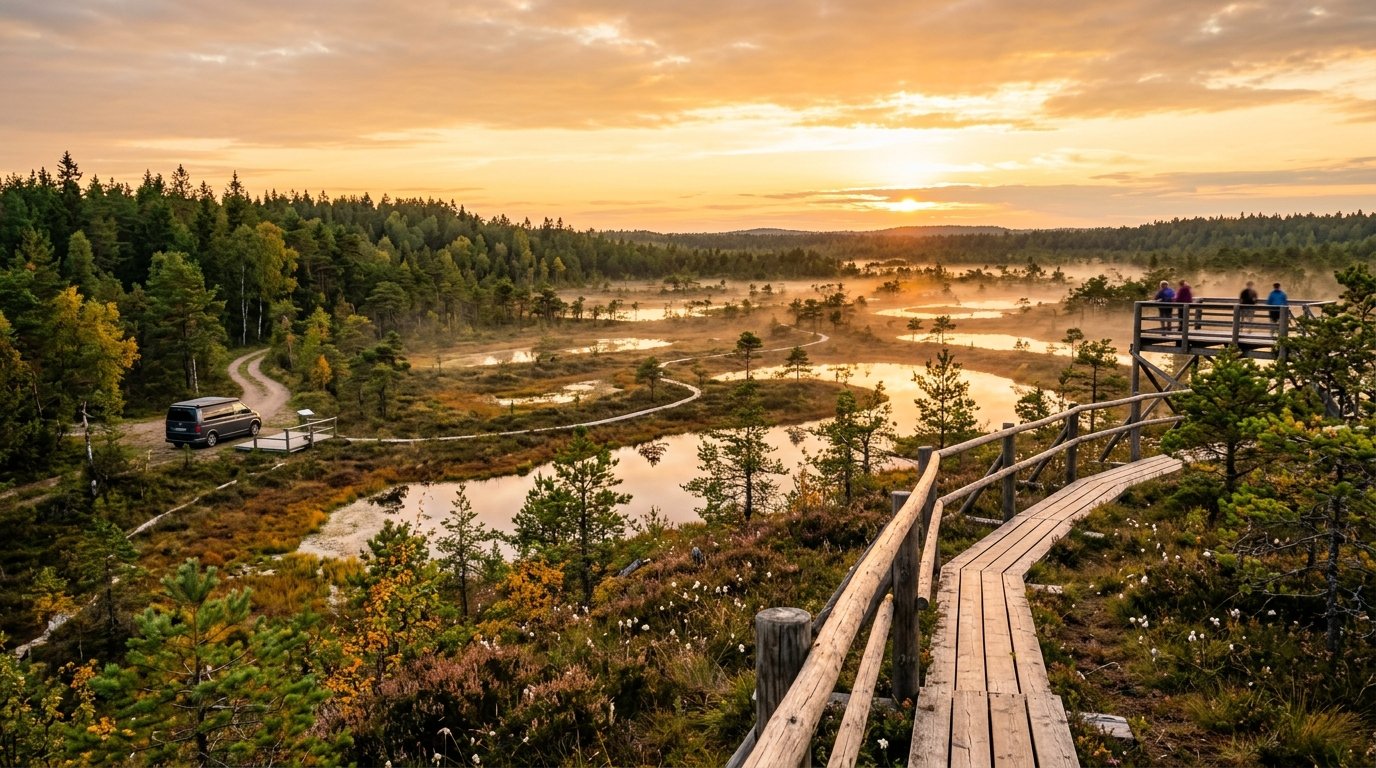
Yes, wild and dispersed camping is highly legal and welcomed for tourists in Estonia thanks to the country’s generous “Everyman’s Right” (igaüheõigus). Travelers can freely camp on most public and uncultivated lands, making Estonia one of the most camper-friendly and van-life accessible destinations in all of Europe.
2. 🌲 Wild & Dispersed Camping Rules
- Legality on Public Land: Tourists are fully permitted to camp on government-owned public lands and state forests. Estonia’s State Forest Management Centre (RMK) even actively maintains an extensive network of free, basic wild campsites equipped with dry toilets, picnic tables, and firewood.
- Duration and Distance Limits: You are generally allowed to camp in the same uncultivated spot for 1 to 2 nights before moving on. You must set up camp out of the sight and hearing range of any residential homes—a standard rule of thumb is keeping a distance of at least 150 meters from private dwellings and agricultural/cultivated lands.
- Enforcement: Because Everyman’s Right is deeply ingrained in Estonian culture, enforcement by police or rangers is rare unless you are littering, making excessive noise, trespassing on fenced private land, or damaging flora and fauna. If you practice “Leave No Trace,” locals and authorities are extremely tolerant.
3. 🏞️ National Park & Protected Area Rules
- Permits and Designated Sites: You do not need a special permit to enter or camp in Estonian National Parks (such as Lahemaa or Soomaa). However, Everyman’s Right is modified here: in nature reserves and national parks, you are strictly required to camp only in officially designated RMK campsites. You cannot pitch a tent or park a van randomly in the protected brush.
- Booking: The vast majority of RMK wild campsites operate on a first-come, first-served basis and do not require advance booking or payment.
- Seasonal Closures: While the parks are generally open year-round, temporary closures or access restrictions may be placed on specific bogs and forests during sensitive wildlife breeding seasons (e.g., bird nesting in spring) or during severe summer droughts.
4. 🚐 Van Life & Overnight Vehicle Sleeping
- Sleeping in Vehicles: Sleeping in your campervan or car is completely legal. You can park overnight at most public rest stops, roadside lay-bys, and gas stations without issue.
- Parking vs. Camping: Estonia does not aggressively police the difference between “parking” and “camping” in remote areas like some Western European countries do. However, in urban areas like Tallinn, stick to basic overnight parking; do not set up awnings, chairs, or cooking equipment in standard city parking lots.
- Designated Areas: Van lifers should heavily utilize the RMK app and website, which map out hundreds of designated forest parking spots and campsites. Note that driving off-road into the forest or onto beaches to park is strictly prohibited.
5. 🔥 Campfires & Practical Restrictions
- Campfire Rules: Open fires are only permitted in designated campfire sites (typically marked by metal RMK fire rings or covered pits). You are allowed to gather fallen branches for your fire, but cutting live or standing dead trees is strictly forbidden (thankfully, RMK sites often provide chopped wood).
- Seasonal Fire Bans: During dry spells, the Estonian Rescue Board issues strict regional fire bans. When a high fire hazard index is in effect, lighting fires—even in official RMK fire pits—is entirely illegal. You can verify the fire hazard status by calling the rescue service information line at 1524.
- No-Camp Zones: Do not camp on private cultivated land (farms, crops), in military training areas, near the sensitive immediate eastern border zone with Russia, or directly on the sand of public swimming beaches (keep to the forest line).
6. 🔗 Official Sources & Links
For official campsite maps, trail information, and the most current local regulations, check the following resources:
- RMK (Loodusega Koos) – The official State Forest Management Centre website featuring a database of all free campsites and Everyman’s Right guidelines.
- Visit Estonia – The official national tourism board providing comprehensive advice on travel, caravan driving, and nature holidays.
Disclaimer: Land-use laws, fire hazard bans, and protected area regulations are subject to change. Always verify current local guidelines, check weather/fire indices, and respect the local environment during your trip to Estonia.

Adrenaline junkie with a passion for exploring off-the-beaten-path destinations and finding unique ways to stay active. Expect stunning scenery, challenging workouts, awesome travel tips and a whole lot of fun. Let’s get sweaty and explore the world together!