
1. 🏕️ The Short Answer
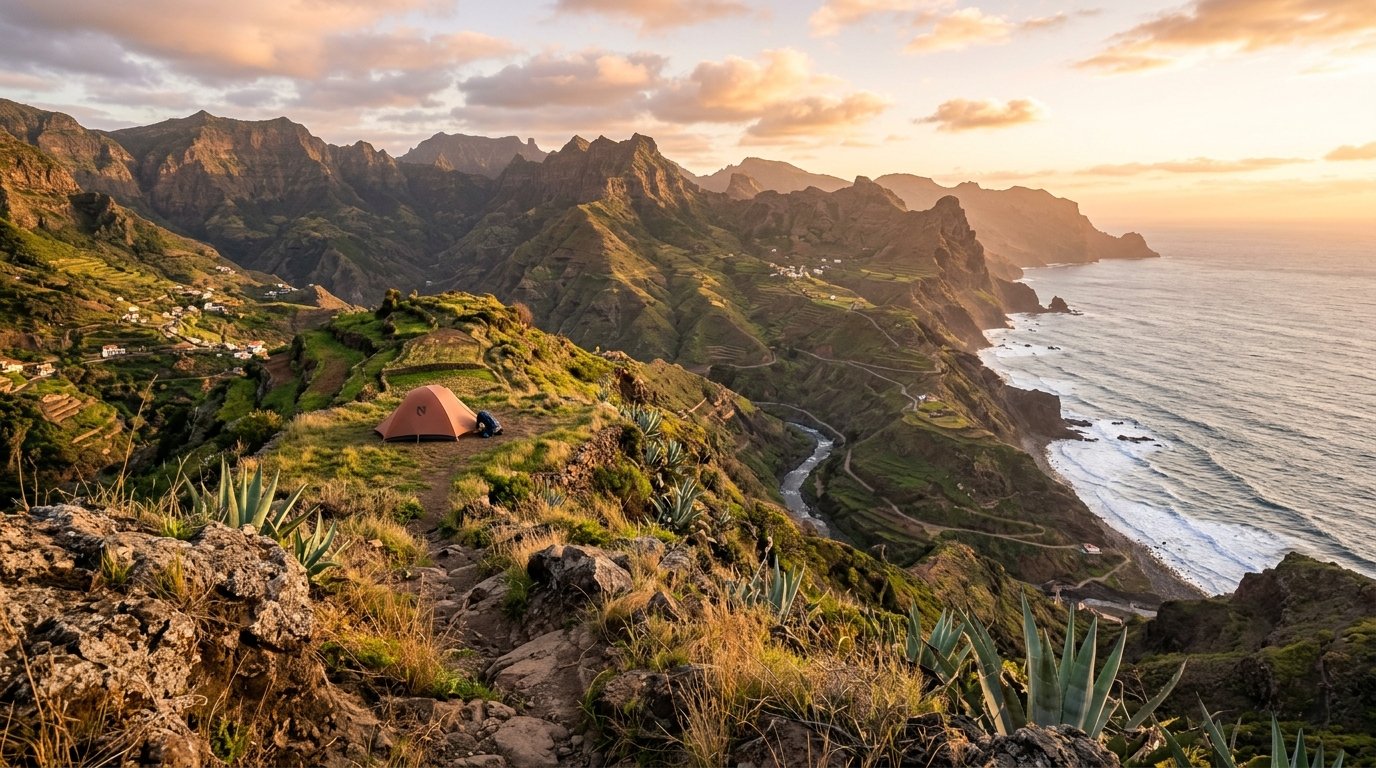
Wild or dispersed camping in Cabo Verde is effectively illegal on public land and exists in a heavily restricted grey area. There is no blanket legal right to informal wild camping for tourists. While pitching a tent may be tolerated in remote interior regions if you have explicit permission from a local landowner, coastal areas, beaches, and tourist hubs are tightly regulated and camping there is strictly prohibited.
2. 🌲 Wild & Dispersed Camping Rules
- Legality on Public Land: Camping outside of official campsites or authorized guesthouses is not legally permitted on public and coastal lands. Tourists are expected by local authorities to use legal, designated accommodations.
- Duration and Distance Rules: Because wild camping is not a recognized legal right, standard “distance from the road” or duration rules do not apply. If you are trekking on islands like Santo Antão, you may only camp on a farmer’s private land, and only for as long as they explicitly allow you to stay.
- Enforcement: Coastal zones, beaches, and populated areas are actively monitored. Local police and municipal authorities are strict with tourists who break land-use rules, and unauthorized camping can result in immediate fines or police intervention. Enforcement is high, particularly around major tourist islands like Sal and Boa Vista.
3. 🏞️ National Park & Protected Area Rules
- Designated Sites Only: Protected areas such as Fogo National Park, Monte Gordo, and Serra Malagueta Natural Park have strict environmental protections to preserve fragile volcanic landscapes and endemic species. You cannot wild camp anywhere inside these zones.
- Permits and Booking: You do not generally need a distinct “camping permit” to enter the parks, primarily because independent wild camping is banned. If you wish to camp, you must do so as part of an organized tour with a local guide who has pre-arranged access to authorized sites, or use the very basic designated camping grounds (like those found near the Serra Malagueta management center).
- Seasonal Closures: Access to certain trails and park areas may be restricted during the dry season due to severe fire risks, or heavily patrolled during sea turtle nesting season (June to October) to protect wildlife.
4. 🚐 Van Life & Overnight Vehicle Sleeping
- Van Life Scene: The van life and motorhome rental culture is practically non-existent in Cabo Verde. The islands are small, the terrain is rugged, and the local infrastructure does not support RVs.
- Overnight Parking Restrictions: Sleeping overnight in a standard rental car in public car parks, rest stops, or on the side of the road is strongly discouraged and often illegal. Authorities expect tourists to sleep in registered lodgings.
- Parking vs. Camping: While daytime parking at beaches and trailheads is perfectly legal, local law strictly prohibits remaining overnight. There are zero designated overnight campervan areas (such as European-style “aires”) on the islands.
- Off-Roading Bans: It is strictly illegal to drive or park any vehicle off-road on protected beaches. Environmental fines for driving on the sand—especially in turtle habitats—are devastatingly high.
5. 🔥 Campfires & Practical Restrictions
- Campfire Bans: Open campfires are virtually banned across the entire archipelago. Cabo Verde suffers from severe water scarcity, intense trade winds, and highly dry conditions; a stray spark can cause a devastating wildfire.
- Beach Fires: Never build a bonfire on the beach. Many of the country’s beaches are globally vital nesting grounds for endangered Loggerhead sea turtles, and fires will disorient or harm the wildlife.
- No-Camp Zones: Strictly avoid camping near any turtle nesting beaches (especially on the islands of Boa Vista, Sal, and Maio). Furthermore, you must avoid military installations, airports, and scarce natural water sources, which local communities rely on heavily for survival.
6. 🔗 Official Sources & Links
For the most up-to-date and accurate information, travelers should verify rules directly with the official tourism board and government portals before planning a camping trip:
Disclaimer: Camping, land-use, and environmental laws in Cabo Verde are subject to change. Always verify current regulations with official local authorities, park management, or trusted local guides before embarking on your trip.

Adrenaline junkie with a passion for exploring off-the-beaten-path destinations and finding unique ways to stay active. Expect stunning scenery, challenging workouts, awesome travel tips and a whole lot of fun. Let’s get sweaty and explore the world together!