FitcationHQ
  • Home
  • Travel Planning
  • Destinations
    • Africa
      • Egypt
      • Kenya
      • Morocco
      • Mozambique
      • Namibia
      • Rwanda
      • South Africa
      • Tanzania
    • Asia
      • Bhutan
      • Cambodia
      • China
      • Indonesia
      • Laos
      • Malaysia
      • Maldives
      • Nepal
      • Thailand
      • Turkmenistan
    • Europe
      • Bulgaria
      • Croatia
      • Georgia
      • Greece
      • Iceland
      • Ireland
      • Italy
      • Montenegro
      • Norway
      • Portugal
      • Scotland
      • Turkey
    • Middle East
      • Jordan
      • UAE
    • North America
      • Canada
      • USA
    • Oceania
      • New Zealand
    • South America
      • Argentina
      • Bolivia
      • Chile
      • Costa Rica
      • Ecuador
      • Peru
  • Travel Tips
    • Budget Travel
    • Family Travel
    • Food and Dining
    • Health and Wellness
    • Luxury Travel
    • Packing
    • Safety
    • Solo Travel
    • Transportation
    • Travel Insurance
    • Sustainable Travel
    • Visa and Immigration
  • Travel Gear
    • Luggage
    • Clothing
    • Photography Gear
    • Security Gear
    • Travel Accessories
    • Travel Electronics
FitcationHQ
Best Travel eSIM
Travel AccessoriesTravel Gear

How to Choose the Best Travel eSIM for Your Needs

by Travel Geek October 7, 2024
written by Travel Geek

Ever wished you could just hop off the plane and instantly connect to the local network without fumbling with tiny SIM cards or searching for a store or warrying about roaming charges? Well, now you can! Travel eSIMs are changing the way we stay connected abroad, and this guide is your key to understanding this awesome technology.

So, what exactly is a travel eSIM?

Think of it as a virtual SIM card that lives inside your phone. Instead of a physical card you have to swap out, an eSIM is a tiny chip embedded in your device that can be programmed remotely. This means no more waiting in line at airport kiosks or dealing with those fiddly little SIM card trays.  

Why should you care about eSIMs?

Simply put, they make traveling so much easier. They’re super convenient, often cheaper than traditional SIM cards, and give you the flexibility to switch between networks and plans with ease. Plus, you can keep your regular phone number while using an eSIM for data, which means you won’t miss any important calls or messages.  

This guide is your one-stop shop for all things travel eSIM. We’ll walk you through everything you need to know, including:

  • Figuring out which eSIM is right for you: We’ll help you assess your data needs, travel style, and budget to find the perfect fit.
  • Comparing the top eSIM providers: We’ll break down the pros and cons of each provider, so you can make an informed decision.
  • Getting your eSIM up and running: We’ll provide step-by-step instructions on how to install and activate your eSIM.
  • Making the most of your eSIM: We’ll share tips on managing your data usage and staying connected while you travel.


Choosing the Right Travel eSIM

Okay, so you’re sold on the idea of using an eSIM for your next trip. Awesome! But with so many options out there, how do you pick the right one? It’s a bit like online dating – you need to know what you’re looking for to find the perfect match.

First things first: Take a look in the mirror (or at your phone bill).

  • How much data do you normally use? Are you a casual scroller or a hardcore streamer? Knowing your average daily or weekly data usage will help you choose a plan that meets your needs.
  • What kind of traveler are you? Do you take frequent short trips or long, leisurely vacations? Do you stick to popular tourist spots or venture off the beaten path? Your travel style will influence the type of eSIM that’s best for you.
  • What’s your budget? eSIMs can be super affordable, but prices vary depending on the provider, data allowance, and validity period. Set a budget beforehand to narrow down your options.  
  • How important is network speed and coverage? Nobody wants to be stuck with a slow connection or dead zones, especially when you’re relying on your phone for maps, translations, and staying in touch.

Now, let’s talk about the key things to consider when comparing eSIMs:

  • Where are you going? Some eSIMs cover specific regions, while others offer global coverage. Make sure the eSIM you choose supports the countries you’ll be visiting.
  • What kind of data plans are available? Do you prefer a pay-as-you-go plan or a fixed data package? Look for a plan that aligns with your data usage habits and travel style. And watch out for hidden fees!
  • How long will your eSIM last? Some eSIMs are valid for a few days, while others last for months. Choose an option that matches the duration of your trip, and check if you can extend the validity if needed.
  • Who’s behind the network? eSIM providers partner with local network operators to provide coverage. Do some research to ensure the provider you choose has a good reputation for reliable service in your destination.
  • What if you need help? Good customer support can be a lifesaver when you’re traveling. Check if the provider offers multiple support channels (e.g., email, chat, phone) and whether they’re responsive and helpful.
  • What are other travelers saying? Read online reviews and compare different eSIM providers to see what other users have experienced. Look for providers with positive feedback and a proven track record.
  • Will it work with your phone? Not all phones support eSIMs. Make sure your device is compatible before you buy an eSIM. You can usually find this information in your phone’s settings or on the manufacturer’s website.

Top Travel eSIM Providers

Alright, now for the fun part! Let’s take a closer look at some of the top contenders in the travel eSIM arena. We’ll break down their strengths, weaknesses, and quirks to help you find your perfect match.

1. Airalo:

  • Strengths: Huge global coverage (over 200 countries!), user-friendly app, affordable regional and local plans, excellent customer support.
  • Weaknesses: Data packages can be a bit limited for heavy users, some plans don’t include calls or SMS.
  • Special Features: Loyalty program with discounts for frequent travelers.

2. Drimsim:

  • Strengths: Pay-as-you-go pricing with competitive rates, wide country coverage, long validity period (up to a year).
  • Weaknesses: No fixed data packages, can be less cost-effective for high data users, app interface could be more intuitive.
  • Special Features: Automatic network selection for optimal coverage, detailed usage statistics.

3. Nomad eSIM:

  • Strengths: Focus on high-speed data, good coverage in popular travel destinations, easy-to-use website and app.
  • Weaknesses: Fewer country options compared to Airalo or Drimsim, limited customer support channels.
  • Special Features: Data rollover for unused data, referral program for discounts.

4. Jetpac eSIM:

  • Strengths: Simple and affordable plans, good for short trips, easy setup process.
  • Weaknesses: Limited coverage (mainly focused on Asia and Europe), no long-term plans.
  • Special Features: Pre-loaded with essential travel apps, travel tips and recommendations.

5. Holafly:

  • Strengths: Unlimited data plans for many countries, strong network coverage, excellent customer support with 24/7 chat.
  • Weaknesses: Can be more expensive than other providers, limited options for short trips or low data users.
  • Special Features: eSIM installation assistance, free eSIM for a friend with referrals.

6. Yesim:

  • Strengths: Wide range of data plans, competitive pricing, good coverage in Europe and Asia.
  • Weaknesses: App can be buggy, customer support response times can vary.
  • Special Features: Option to purchase local phone numbers, eSIM compatibility checker on their website.

To make your decision even easier, here’s a handy comparison table:
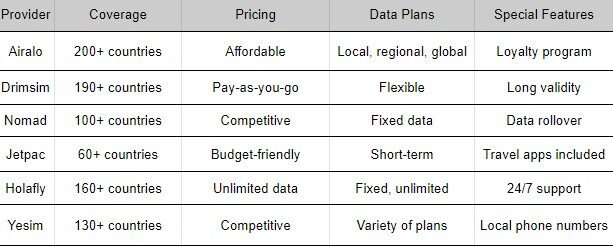
eSim Provider comparison

How to Use a Travel eSIM

Okay, you’ve picked your perfect eSIM provider. Now, how do you actually get it working on your phone? Don’t worry, it’s easier than you might think! Here’s a simple guide to get you connected in no time:

1. Find your eSIM online:

Head to your chosen provider’s website or app and browse their eSIM plans. Select the one that best suits your destination and data needs, then proceed to checkout.

2. Grab your QR code:

Once you’ve completed your purchase, you’ll receive a QR code. This is your key to unlocking your eSIM. You might get it via email, in the provider’s app, or on their website.

3. Let’s get it on your phone!

For iPhones:

  • Go to Settings > Cellular > Add Cellular Plan.
  • Scan the QR code using your phone’s camera.
  • Follow the on-screen prompts to install the eSIM profile and label it (e.g., “Travel Data”).

For Android phones:

  • Go to Settings > Network & internet > Mobile network > Advanced > Carrier.
  • Tap Add carrier.
  • Scan the QR code.
  • Follow the on-screen instructions to install the eSIM profile.

4. Activate and enjoy!

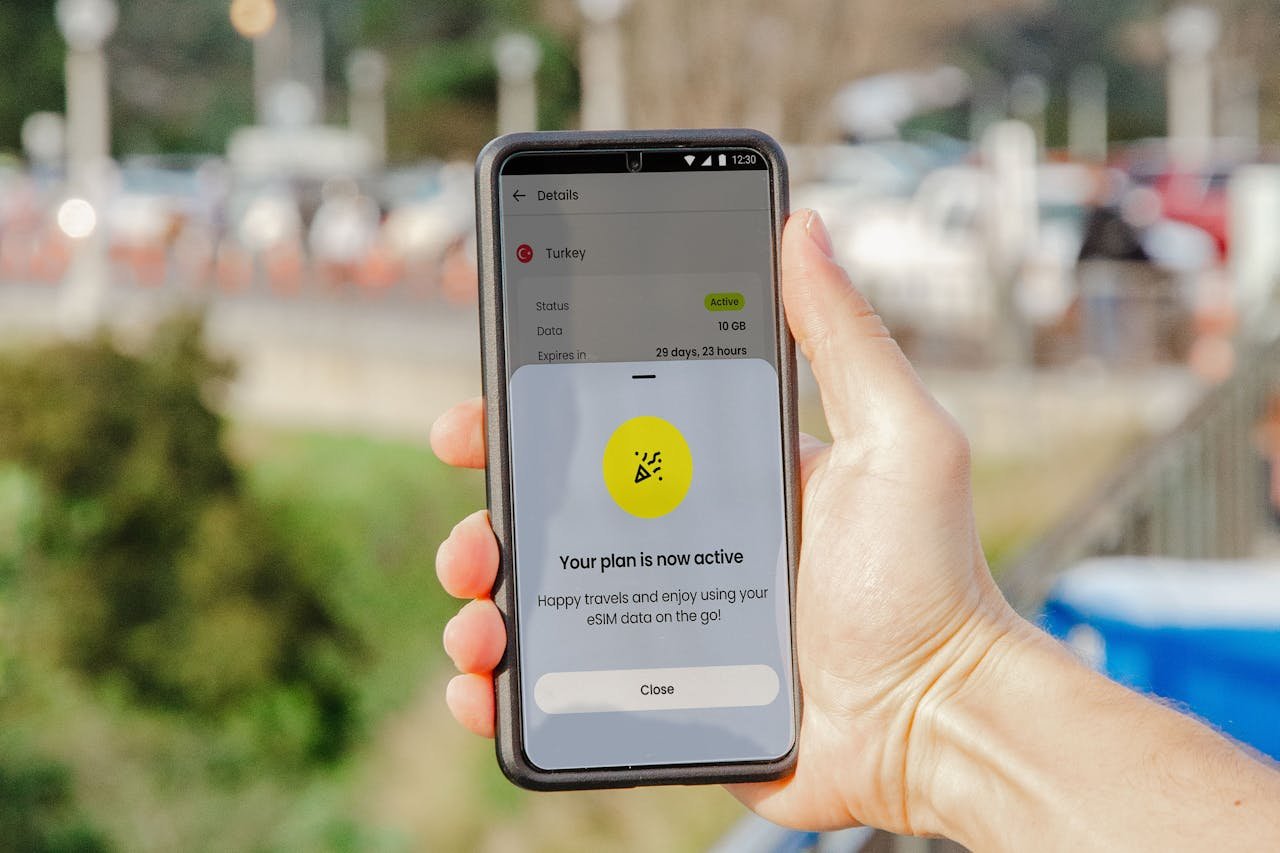
Once the eSIM profile is installed, you’ll need to activate it. This usually involves selecting your data plan and choosing whether you want to use it for mobile data, calls, or both. You might need to do this through the provider’s app or your phone’s settings.

Troubleshooting Tips:

  • Can’t scan the QR code? Make sure you have a stable internet connection and the QR code is clearly visible. You can also try manually entering the eSIM details if your provider offers that option.
  • eSIM not working? Restart your phone and check your cellular settings to make sure the eSIM is selected for data roaming.
  • Still having trouble? Don’t panic! Most eSIM providers have excellent customer support. Reach out to them via email, chat, or phone, and they’ll be happy to help you troubleshoot any issues.

Tips for Maximizing Your Travel eSIM

Now, you’ve got your eSIM set up and ready to go. Now, let’s make sure you squeeze every last drop of value from it! Here are some tips to help you manage your data like a pro and stay connected throughout your adventures:

Data Management 101:

  • Keep an eye on your usage: Most eSIM providers have apps or dashboards that let you track your data consumption. Regularly check your usage to avoid any surprise overage charges.
  • Wi-Fi is your friend: Take advantage of free Wi-Fi whenever possible, especially for data-heavy activities like streaming or downloading. Hotels, cafes, and restaurants often offer free Wi-Fi, so keep an eye out for those hotspots.
  • Tame those data-hungry apps: Some apps gobble up data in the background even when you’re not using them. Go to your phone’s settings and limit background data usage for apps you don’t need constant updates from.

Staying Connected on the Go:

  • Chat it up: Use data-efficient messaging apps like WhatsApp, Telegram, or Facebook Messenger to stay in touch with friends and family back home.
  • Navigate like a local: Online maps and navigation apps are essential for exploring new places. Download offline maps beforehand if you’re worried about data usage or spotty connections.
  • Share your adventures: Snap those Instagram-worthy pics and share your travel experiences on social media. Just remember to connect to Wi-Fi before uploading those large video files!

eSIMs vs. Traditional SIM Cards vs. Roaming

So, we’ve talked a lot about eSIMs, but are they always the best option? To be honest, it depends! Let’s compare eSIMs with traditional SIM cards and roaming to help you make the smartest choice for your next trip:

Cost:

  • eSIMs: Often cheaper than roaming, with a wide range of plans to fit different budgets. You pay upfront for a set amount of data, so no surprises on your bill.
  • Local SIM cards: Can be very affordable, especially for longer trips or in countries with competitive mobile markets. However, you might need to hunt for a store and deal with activation hassles.
  • Roaming: Generally the most expensive option, with charges adding up quickly. Watch out for daily rates and pay-per-use fees that can make your phone bill skyrocket.

Convenience and Flexibility:

  • eSIMs: Super convenient! Buy online, install instantly, and switch between plans or providers with ease. No need to swap physical cards or worry about losing them.
  • Local SIM cards: Less convenient than eSIMs, as you need to find a store, buy a card, and often go through a registration process.
  • Roaming: Convenient in the sense that you don’t need to do anything before your trip, but you’re stuck with your home provider’s rates and network partners.

Network Coverage and Quality:

  • eSIMs: Coverage depends on the provider and their local network partners. Do your research to ensure good coverage in your destination.
  • Local SIM cards: Usually offer excellent coverage as they use local networks, but you might need to choose the right provider for your specific needs.
  • Roaming: Coverage can be patchy, and you have no control over which local network your provider uses.

Making the Best Choice:

  • eSIMs are a great all-rounder: They offer a good balance of cost, convenience, and flexibility, making them ideal for most travelers.
  • Local SIM cards are good for longer trips or specific needs: If you’re staying in one country for a long time or need a local number for calls and texts, a local SIM might be a good option.
  • Roaming is best for short trips or emergencies: If you need connectivity for a short time and don’t want to bother with eSIMs or local SIMs, roaming can be a quick fix (but be mindful of the costs!).

Ultimately, the best choice depends on your individual needs and priorities. Consider your travel style, budget, data usage, and how important convenience and flexibility are to you. With a little research and planning, you can find the perfect connectivity solution for your next adventure.

The Future of eSIMs in Trave

eSIMs are already shaking up the travel scene, but the journey’s just beginning! Here’s a peek into what the future holds for this game-changing technology:

Trends on the Horizon:

  • Even more devices jumping on board: As more phone manufacturers (and even wearable tech companies!) embrace eSIM technology, switching between devices and managing connectivity will become even smoother.
  • Supercharged speeds with 5G: Imagine downloading movies in seconds while sipping your cappuccino in a Parisian cafe. As 5G networks become more widespread, eSIMs will unlock lightning-fast connectivity for travelers.
  • eSIMs for everything: From your smartwatch to your laptop, eSIMs could be the key to connecting all your devices while you travel, creating a seamless digital experience.
  • Say goodbye to plastic waste: eSIMs are digital, which means no more physical SIM cards cluttering your drawers or ending up in landfills. That’s a win for the environment!

What could the future look like?

  • Effortless connectivity: Imagine arriving in a new country and your phone automatically connecting to the best local network, with the perfect data plan already activated. No more searching for Wi-Fi or fiddling with SIM cards!
  • Personalized travel experiences: eSIMs could power personalized travel apps that offer real-time recommendations, translate languages on the fly, and provide instant access to local information and services.
  • A truly connected world: With eSIMs breaking down barriers to global connectivity, staying in touch with loved ones and accessing information from anywhere in the world will be easier than ever.

eSIMs are poised to revolutionize how we stay connected while traveling. They offer a glimpse into a future where connectivity is seamless, affordable, and accessible to all. So buckle up and get ready for a future of hassle-free travel powered by eSIM technology!
October 7, 2024 0 comments
0 FacebookTwitterPinterestEmail
compression socks
ClothingHealth and WellnessTravel GearTravel Tips

Do You Really Need Compression Socks on Long Flights?

by Travel Geek October 5, 2024
written by Travel Geek

We’ve all seen them – those snug-fitting socks that people wear on long flights. Compression socks have become a pretty popular travel item, with promises of keeping your legs comfy and healthy during those long hours in the air. But do they really live up to the hype? Are they something everyone needs, or are they just another trendy travel gadget?

When it comes to health advice, it’s important to know you’re getting information you can trust. That’s why we’ve focused on making this article as reliable as possible. We’ve done the research and looked at the science to give you the straight facts about compression socks and whether they’re right for you.

Understanding Compression Socks

So, what exactly are compression socks?

Imagine them as super-snug socks that give your legs a gentle squeeze. They’re designed to be tighter around your ankles and gradually get looser as they go up your leg. This creates something called “graduated pressure,” which basically means they help push blood flow upwards, back towards your heart.  

Why is that important, especially when flying?

Well, when you’re stuck in your seat for hours on end, your blood circulation can take a hit. It’s harder for the blood in your lower legs to fight gravity and make its way back up to your heart. This can lead to a few not-so-fun things: 

  • Swollen feet and ankles: Ever noticed your legs getting puffy after a long flight? That’s from fluid buildup due to poor circulation.
  • Discomfort and that “heavy legs” feeling: Reduced blood flow can make your legs feel tired and achy.
  • In rare cases, a risk of blood clots: While the risk is generally low for most people, sitting for long periods can slightly increase the chance of developing a blood clot in the deep veins of your legs (this is called Deep Vein Thrombosis or DVT).
     

Compression socks help counteract these issues by giving your blood flow a little boost. They help prevent swelling, keep your legs feeling more comfortable, and can even play a role in reducing the risk of DVT (though it’s important to note they’re not a foolproof way to prevent it).  

Not all compression socks are created equal. They come in different types and strengths:

  • Mild compression: Good for everyday wear, tired legs, and minor swelling. 
  • Moderate compression: Often recommended for varicose veins or more noticeable swelling.
  • Firm compression: Usually prescribed by a doctor for specific medical conditions.
     

Benefits of Compression Socks

Okay, let’s get into why people rave about compression socks, especially for those long-haul flights:

1. They give your circulation a helping hand.

As we talked about before, sitting for a long time can make it tough for your blood to move efficiently. Compression socks give your blood flow a little nudge in the right direction. Think of it like this: they gently squeeze your legs, helping your veins and leg muscles do their job of moving blood back up towards your heart.  

2. Say “goodbye” to swollen ankles.

Nobody likes that puffy feeling you get in your feet and ankles after a long flight. Compression socks can help prevent or at least minimize this swelling by keeping your blood flowing properly. They basically help your body’s tissues absorb any excess fluid that might otherwise pool in your lower legs.  

3. They might lower your risk of blood clots. 

Now, it’s important to be upfront about this: compression socks aren’t a magic bullet for preventing blood clots. For most healthy people, the risk of developing a DVT on a flight is pretty low. But if you have other risk factors (like a history of blood clots or certain medical conditions), compression socks can offer an extra layer of protection by keeping your blood moving. It’s always a good idea to talk to your doctor if you’re concerned about DVT.  

4. They can make your flight way more comfortable.

Even if you’re not worried about DVT or major swelling, compression socks can simply make your flight more enjoyable. They can help prevent that achy, “heavy legs” feeling, which is a big plus if you tend to get restless legs or have varicose veins. Many people just find them more comfortable to wear on long journeys, period.  

How to Choose Compression Socks

Finding the perfect pair of compression socks can make all the difference. Here’s what to keep in mind:

1. Figure out the right compression level.

Compression socks come in different strengths, usually measured in mmHg (millimeters of mercury). 

  • Mild compression (around 15-20 mmHg): This is a good starting point for most people. It’s great for everyday wear, travel, and mild swelling.  
  • Moderate compression (20-30 mmHg): This level offers more support and is often recommended for varicose veins or more noticeable swelling.
  • Firm compression (30-40 mmHg or higher): You usually need a doctor’s prescription for this level, as it’s used to treat specific medical conditions.
     

Not sure which level is right for you? It’s always best to check with your doctor, especially if you have any health concerns.

2. Make sure they fit like a glove (but not too tight).

Proper sizing is key! Compression socks need to fit snugly to work their magic, but they shouldn’t feel painfully tight. Most brands have size charts based on your shoe size and calf circumference. Measure your legs in the morning before any swelling occurs to get the most accurate measurements.  

3. Think about the fabric and features.

Compression socks come in all sorts of materials. If you’re flying to a warm destination, look for breathable fabrics that will wick away moisture. Some socks even have features like cushioned soles for extra comfort.  

4. Don’t forget about style!

Gone are the days when compression socks were just boring beige or black. You can now find them in a huge variety of colors and patterns. So, go ahead and express yourself!

Who Should Consider Compression Socks?

Wondering if compression socks are a good idea for you? Here’s a quick rundown of who might benefit most:

If you’re at a higher risk for blood clots:

  • History of blood clots: If you’ve had a blood clot before, your doctor might recommend compression socks, especially for long flights.
  • Recent surgery: Some surgeries can increase your risk of DVT, so compression socks might be helpful during your recovery.
  • Certain medical conditions: Conditions like heart disease, diabetes, or blood clotting disorders can also increase your risk.

If you’re prone to leg swelling:

  • Varicose veins: Compression socks can help manage the swelling and discomfort associated with varicose veins.
  • Circulation problems: Any condition that affects your blood flow can make you more prone to swelling.
  • Frequent travelers: If you’re a frequent flyer, compression socks can help keep your legs feeling fresh and prevent that “heavy legs” feeling.

And let’s not forget…

  • Anyone who wants a more comfortable flight! Even if you’re not in a high-risk group, compression socks can simply make your journey more enjoyable. They can help prevent aches, restless legs, and that overall feeling of fatigue after a long flight.

Of course, it’s always a good idea to chat with your doctor if you have any specific health concerns or questions about whether compression socks are right for you.

Are Compression Socks Always Necessary?

Now, you might be thinking, “Do I really need these things?”

And it’s a fair question! For most healthy people hopping on a shorter flight, compression socks probably aren’t essential.

Your body is pretty good at keeping your blood flowing, and there are other things you can do to help out on a flight:

  • Get up and move around every hour or so. Even a quick walk up and down the aisle can make a big difference.
  • Do some simple leg exercises in your seat. Things like ankle circles, flexing your feet, and raising your legs can help keep your blood moving.
  • Stay hydrated. Drinking plenty of water is always a good idea, especially when you’re flying.

But here’s the thing:

If you have any health concerns, especially those we mentioned earlier (like a history of blood clots, varicose veins, or circulation problems), it’s always a good idea to talk to your doctor. They can give you personalized advice on whether compression socks are a good idea for you and help you choose the right compression level.

Ultimately, the decision of whether or not to wear compression socks is a personal one. But by weighing the benefits and considering your own health and travel habits, you can make an informed choice.

Tips for Wearing Compression Socks

Alright, you’ve decided to give compression socks a try. Great! Here are a few tips to make sure you get the most out of them:

  • Slip them on early. The best time to put on your compression socks is first thing in the morning, before any swelling has a chance to set in. This helps them work most effectively.
  • Get the fit just right. They should be snug, but not so tight that they dig into your skin or feel uncomfortable. If they’re leaving marks or feeling painful, they might be too small.
  • Give your legs a break at night. It’s usually recommended to take off your compression socks before bed to give your legs a rest.
  • Keep them clean. Like any other socks, compression socks need to be washed regularly. Follow the care instructions on the label to keep them in good shape.

That’s it! Pretty simple, right? With a little care, your compression socks can help keep your legs happy and healthy on your next long flight.

Compression socks can be a real game-changer for those long flights. They can help keep your blood flowing, prevent swelling, and make your journey a whole lot more comfortable.

While they might not be necessary for everyone, they can offer real benefits for many travelers, especially those prone to swelling or at a higher risk for blood clots.

The bottom line? If you’re planning a long flight, consider giving compression socks a try. You might be surprised at the difference they make!

October 5, 2024 0 comments
0 FacebookTwitterPinterestEmail
visa requirements
Travel TipsVisa and Immigration

Visa Denied: When Travel Dreams Turn into Nightmares

by Travel Geek October 4, 2024
written by Travel Geek

We all know that feeling: the excitement of planning a trip abroad, picturing yourself exploring new cities, trying exotic foods, and soaking up different cultures. But before you get carried away with booking flights and hotels, there’s one crucial thing you absolutely can’t forget: visas.

It’s easy to assume that visas are only a concern for people from countries with “weak” passports – you know, the ones that require a stack of paperwork and endless waiting just to get permission to visit anywhere. But the truth is, anyone can run into trouble if they don’t check the visa rules carefully.

You might be surprised to learn how many travelers with powerful passports – the kind that usually allow them to breeze through immigration – end up having their trips disrupted because they didn’t bother to look up the visa requirements. In fact, just last year, thousands of people with strong passports got denied entries to various countries due to not having the visa.. That’s why it’s so important to understand that visa rules apply to everyone, no matter where you’re from or where you’re going.

The "Strong Passport" Paradox

You’ve probably heard people talk about “strong” passports – those magical passports that seem to open doors to almost every country without needing a visa. It’s true, some passports do give you a lot of travel freedom, letting you hop on a plane and simply show up at your destination. But here’s the catch: that freedom can sometimes make you a little too relaxed about the whole visa thing.   

Think of it this way: if you’re used to traveling without many restrictions, it’s easy to fall into the trap of thinking it’ll always be that way. You might start to assume that you can just show up anywhere and be welcomed with open arms. But the reality is, visa rules can be tricky, and even the “strongest” passport doesn’t guarantee you a free pass everywhere.

Here’s where things can go wrong:

  • Hidden visa needs: You might be allowed to visit a country for tourism, but did you know you might need a different visa if you’re going for work, studies, or even just to pass through on your way to somewhere else? These special visas often have their own sets of rules and requirements.
  • Not all trips are created equal: Just because you can visit a country for a vacation doesn’t mean you can go there for any reason. The rules might be different for business trips, volunteer work, or even visiting family.
  • Rules can change: Governments can update their visa policies at any time, so what was true last year might not be true today. That “visa-free” access you were counting on? It could suddenly have new conditions or even be gone completely.
 

It’s like assuming every door in a building will open just because you have a key to the front entrance. Sometimes you’ll run into locked rooms, or you might need a special keycard to get where you need to go.

"Weak" Passports & Heightened Awareness

Now, let’s flip the script and talk about those who travel with “weaker” passports. These are the folks who often face more hurdles and restrictions when trying to travel internationally. It might seem like a disadvantage, but it actually makes them pros when it comes to navigating the world of visas.

Imagine having to apply for a visa almost every time you want to travel. You quickly learn that visa rules are no joke. You become an expert at deciphering complicated applications, gathering the right documents, and figuring out the ever-changing requirements of different countries. It’s a constant learning process, and it makes you incredibly aware of the potential pitfalls.

People with “weaker” passports don’t have the luxury of assuming anything. They know that thorough research is key. They double-check every detail, read the fine print, and make sure they have everything in order well in advance of their trip. They understand that even a small mistake can mean the difference between enjoying their vacation and being turned away at the border.

This experience gives them a unique perspective. They know firsthand how important it is to be prepared and informed, and they often end up being the most knowledgeable travelers when it comes to visas. They’re the ones who can spot potential problems a mile away and offer helpful advice to others who might be less familiar with the process.

Visa Requirements: A Universal Checklist Essential

Here’s the thing: whether your passport is a global VIP pass or requires a bit more legwork, visa requirements should be at the very top of your travel checklist. It doesn’t matter how experienced a traveler you are or how many countries you’ve visited – visa rules can trip up anyone.

Think of it like packing your suitcase: you wouldn’t leave home without making sure you have the right clothes and essentials, right? Well, your visa is like the most important item in your travel bag. Without it, your whole trip could unravel.

So, how do you make sure you’re on the right side of the visa rules? Here’s a quick rundown:

  1. Know what you need: First things first, figure out exactly what kind of visa you need for your trip. Are you going on vacation? Visiting family? Working or studying? Each purpose usually has its own specific visa with different requirements.

  2. Get the paperwork right: Once you know what visa you need, it’s time to gather your documents. This might include your passport, application forms, proof of travel plans, financial statements, and even invitation letters. Make sure you have everything they ask for, and that it’s all up-to-date and valid.

  3. Time it right: Visa processing takes time, so don’t leave it until the last minute. Check how long it usually takes to get your visa approved and factor that into your travel plans. And don’t forget about any fees you might need to pay.

  4. Read the fine print: Pay close attention to any restrictions or special conditions attached to your visa. Some visas might limit how long you can stay, where you can travel within the country, or what activities you can do.

  5. Double-check before you go: Visa rules can change, so it’s always a good idea to check for updates even if you’ve already been approved. A quick look at the official government website or a call to the embassy can save you a lot of hassle later on.

Consequences of Overlooking Visa Requirements

Okay, let’s talk about why getting your visa right is so important. Imagine this: you’ve booked your dream vacation, packed your bags, and you’re all set for an amazing adventure. But when you get to the airport, the airline staff tells you that you can’t board the plane because you don’t have the right visa. Talk about a nightmare start to your trip!

That’s just one of the things that can happen if you overlook visa requirements. Here are a few more potential consequences:

  • Stopped at the border: You might make it to your destination, but get stopped at immigration because your visa isn’t valid or doesn’t cover the purpose of your visit. This could mean being sent straight back home without even setting foot in the country.
  • Detention and deportation: In some cases, you could even be detained by authorities and eventually deported, which is a stressful and expensive experience.
  • Travel plans ruined: Even if you don’t face deportation, visa issues can cause major disruptions to your trip. You might miss flights, lose out on prepaid tours or accommodations, and waste precious time and money trying to sort things out.
  • Financial headaches: Dealing with visa problems can lead to unexpected costs, like paying fines, rebooking flights, or even hiring legal help.

No one wants their trip to turn into a stressful ordeal. That’s why taking the time to understand and meet visa requirements is absolutely crucial. It’s a small effort that can save you a lot of trouble and ensure your travel experience is smooth and enjoyable.

Tips for Avoiding Visa-Related Issues

Alright, let’s wrap things up with some practical tips to keep you out of visa trouble:

  • Use online tools: There are some handy online visa checkers that can give you a quick overview of the requirements for your destination. Just remember to always double-check the information on the official government website of the country you’re visiting to be absolutely sure.
  • Talk to the experts: If you’re unsure about anything, don’t hesitate to reach out to the embassy or consulate of the country you’re planning to visit. They can provide the most up-to-date and accurate information, and answer any specific questions you might have.
  • Get some help: If you’re feeling overwhelmed by the visa process, or if you have a complicated situation, consider hiring a visa agent. They can guide you through the process, help you gather the necessary documents, and even submit your application on your behalf.
  • Keep copies: Always make copies of all your visa-related documents, including your application, passport, and any supporting materials. Keep one set with you while you travel, and leave another set with someone you trust back home, just in case.
  • Don’t wait until the last minute: Visa processing can take time, so start the process well in advance of your trip. Give yourself plenty of time to gather documents, fill out applications, and deal with any unexpected delays.

No matter where you’re from or where you’re going, remember that checking visa requirements is a non-negotiable part of planning any trip abroad. It’s like buying travel insurance – you hope you won’t need it, but you’ll be incredibly grateful you have it if things go wrong.

Don’t let a little piece of paper ruin your travel dreams! Be a savvy traveler, do your research, and make sure you have everything in order before you head to the airport. A little preparation can go a long way in ensuring your trip is smooth sailing from start to finish.

Now that you’re in the know, spread the word! Share this article with your friends, family, and fellow travel enthusiasts. Let’s make sure everyone understands the importance of checking visa requirements and travels with confidence.

October 4, 2024 0 comments
0 FacebookTwitterPinterestEmail
Zero Dollars Endless Fun
Budget TravelTravel Tips

Zero Dollars, Endless Fun: Your Guide to Free Travel Experiences

by Travel Geek October 3, 2024
written by Travel Geek

There’s something undeniably exciting about traveling on a budget. It’s about the freedom to explore the world without breaking the bank, proving that incredible experiences don’t have to come with a hefty price tag. It’s about getting creative with your itinerary and discovering hidden gems that often go unnoticed by the average tourist. And the best part? No matter where you go, there are always amazing things to see and do that won’t cost you a single penny. 

From strolling through bustling markets and relaxing on sun-kissed beaches to wandering through historic neighborhoods and discovering free cultural events, the possibilities are endless. So, if you’re ready to embrace the spirit of adventure and explore the world without emptying your wallet, read on! We’re about to uncover a treasure trove of free experiences that await you in every corner of the globe

Immersing Yourself in Local Culture

local culture
  • Lose yourself in vibrant markets: Immerse yourself in the sights, sounds, and smells of local markets. Wander through the stalls, haggle with vendors, and soak up the lively atmosphere.
  • Experience free cultural events: Check out local listings for free festivals, concerts, or performances happening during your visit. These events offer a fantastic way to experience the local culture and connect with the community.
  • Visit religious sites: Many churches, temples, and mosques offer free entry and provide a glimpse into the local beliefs and traditions. Be respectful of the dress code and customs when visiting these sites.
  • Find peace in parks and gardens: Escape the hustle and bustle of the city in a tranquil park or garden. Enjoy the fresh air, admire the beautiful landscaping, and spot some local wildlife.
  • Explore free museums and galleries: Many museums and galleries offer free admission days or have permanent free exhibitions. These institutions are a great way to learn about the local history, art, and culture.

Getting Outdoors (For Free!)

outdoors
  • Hit the trails: Lace up your boots and explore the natural beauty around you. Lots of places have awesome hiking trails with stunning views – and they’re totally free! You might stumble upon hidden waterfalls, peaceful meadows, or panoramic vistas. (Image of a scenic hiking trail)
  • Beach bum it: Who doesn’t love a day at the beach? Soak up the sun, take a dip in the ocean, and just relax to the sound of the waves. It’s the perfect way to unwind and recharge without spending a dime. (Image of a beautiful beach)
  • Take a dip: Find a lake or river and go for a refreshing swim. It’s a great way to cool off on a hot day and connect with nature. Just make sure it’s safe and allowed! (Image of a clear lake)
  • Picnic with a view: Pack some snacks or make yourself some sandwiches and find a beautiful spot to enjoy an outdoor meal. Whether it’s a park, a mountaintop, or a riverside, a picnic with a view is always a winner. (Image of a picnic with a stunning backdrop)
  • See the stars: Escape the city lights and find a place where you can really see the night sky. Spread out a blanket and spend some time gazing at the stars. It’s a magical experience that reminds you of just how vast and amazing the universe is. (Image of a starry night sky)

Exploring the City Without Spending a Cent

city
  • Take a free walking tour: Want to learn the inside scoop about a city? Join a free walking tour! Local guides will show you around, tell you fascinating stories, and point out hidden gems you might miss on your own. (Image of a walking tour group)
  • Find awesome street art: Cities are like open-air art galleries these days! Keep your eyes peeled for cool murals and graffiti art. It’s a great way to see how local artists express themselves, and it makes for some awesome photos. (Image of colorful street art)
  • Stroll across famous bridges: Lots of cities have iconic bridges with amazing views. Take a walk across one and enjoy the scenery. It’s a great way to get some exercise and see the city from a different perspective. (Image of a landmark bridge)
  • Get lost in historic neighborhoods: Wander through the older parts of town and check out the beautiful old buildings. Imagine the history that happened there! It’s like stepping back in time. (Image of a historic European street)
  • People-watch in a public square: Find a busy square or plaza and just watch the world go by. It’s fascinating to see how people in different cities live their lives. Grab a coffee or a snack and enjoy the show! (Image of a lively public square)

Off the Beaten Path and Totally Free

Off the Beaten Path
  • Chill out at the library: Libraries aren’t just for books anymore! Lots of them have free Wi-Fi, comfy chairs, and even cool events. It’s a great place to take a break from sightseeing, catch up on emails, or just relax in a quiet atmosphere. (Image of a library interior)
  • Learn something new at a university: Ever thought about attending a lecture at a university abroad? Many universities offer free public lectures and events that are open to everyone. It’s a chance to learn something new and get a taste of student life in a different country. (Image of a university campus)
  • Chat with the locals: Even if you only know a few basic phrases in the local language, give it a try! Locals will appreciate your effort, and you might even make some new friends. (Image of a traveler talking to a local vendor)
  • Lend a helping hand: Want to give back to the community you’re visiting? Look for local organizations that need volunteers. It’s a rewarding way to meet people and make a difference, even if you’re only in town for a short time. (Image of someone volunteering at a community garden)
  • Go with the flow: Sometimes the best experiences are the ones you don’t plan. Be open to spontaneous adventures and unexpected encounters. You never know what you might discover! (Image of someone looking at a map with a curious expression)

So, there you have it! Proof that you can have an amazing trip without spending a fortune. Traveling on a budget doesn’t mean you have to miss out on incredible experiences. In fact, it often leads you to discover hidden gems and unique opportunities you might otherwise overlook.

By seeking out free activities and embracing the unexpected, you’ll not only save money but also gain a deeper understanding of the places you visit and the people who live there. Plus, there’s something incredibly rewarding about making the most of your travels with limited resources. It gives you a sense of accomplishment and helps you grow as a person.

So, get out there, explore the world, and create unforgettable memories – all without breaking the bank!

October 3, 2024 0 comments
0 FacebookTwitterPinterestEmail
Post-Retreat Success
Health and WellnessTravel Tips

The Ultimate Guide to Post-Retreat Success

by Travel Geek October 2, 2024
written by Travel Geek

Ever wished you could just hit pause on life and focus entirely on your health? That’s the basic idea behind a fitness retreat. It’s like a vacation, but instead of sightseeing, you’re working on becoming the best version of yourself. You’ll find fitness retreats designed with different goals in mind – weight loss, muscle gain, stress reduction, or just building a healthier lifestyle. But they all have a few things in common: they provide a structured program, away from the distractions of everyday life, where you can exercise, eat well, and learn about wellness.

So, why are these retreats so popular? Well, for starters, they offer a chance to truly dedicate time to yourself. No work deadlines, no chores, no family commitments – just pure focus on your well-being. Plus, you’ve got experts guiding you every step of the way, from trainers who push you in workouts to nutritionists who help you make smart food choices. This kind of structured environment and support can be incredibly motivating, especially when you’re surrounded by other people who share your goals. And the best part? Many people see real, noticeable changes in their health and fitness in a short amount of time. It’s like a jumpstart to a healthier you.

The Challenge of Maintaining Momentum

It’s no secret that fitness retreats can work wonders. You come home feeling amazing – energized, motivated, and lighter, both physically and mentally. But then, real life kicks back in. Work piles up, the kids need your attention, and suddenly that daily yoga routine seems impossible to squeeze in. Before you know it, you’re back to grabbing takeout on the way home from work and skipping workouts.

Why is it so hard to keep up the good habits you formed at the retreat? Well, it’s a combination of things.

  • Structure (or lack thereof): Retreats provide a clear schedule and built-in accountability. At home, it’s up to you to create that structure, and it’s easy to let things slide.
  • Temptation overload: Let’s face it, your home environment probably isn’t set up to support your new healthy lifestyle. The fridge is stocked with your family’s favorite snacks (not necessarily the healthy kind), and the couch is calling your name after a long day.
  • Motivation fades: The initial excitement and support you felt at the retreat can start to wear off when you’re back in your everyday routine.
  • Missing your support system: The camaraderie and shared goals you experienced with other retreat participants can be a powerful motivator. Back home, you might feel like you’re going it alone.

It’s totally normal to experience this post-retreat slump. But don’t worry, it doesn’t mean you’ve failed! With the right strategies, you can absolutely maintain those healthy habits and keep the positive momentum going.

Strategies for Continued Success

Coming home from a fitness retreat can feel like stepping off a speeding train. It’s tempting to try and maintain that same level of intensity, but trust me, easing back into your routine is key. Going from zero to one hundred too quickly is a recipe for burnout.

Here’s the thing: making lasting changes is a marathon, not a sprint. So how do you keep that healthy momentum going?

1. Start with small, achievable goals. Instead of vowing to hit the gym every single day, aim for three or four workouts a week. Focus on making healthy food choices most of the time, rather than striving for perfection. Small wins build confidence and keep you moving forward.

2. Plan ahead. Remember that structured schedule you had at the retreat? Create your own version at home. Carve out time for workouts, plan your meals for the week, and even schedule some downtime for relaxation. Having a routine makes it much easier to stick to your goals.

3. Ditch the diet mentality. Retreats often introduce you to new ways of eating, but restrictive diets are rarely sustainable in the long run. Focus on building a balanced relationship with food. Plan your meals and snacks in advance so you’re less likely to make impulsive choices when hunger strikes.

4. Find your tribe. Connecting with people who share your health goals can make a huge difference. Talk to friends and family about your experience at the retreat and the changes you’re trying to make. Join an online community or find a local group where you can share tips, encouragement, and maybe even a workout buddy.

5. Consider working with a health coach. Think of it like having a personal trainer and cheerleader rolled into one. A good coach will help you set realistic goals, create a personalized plan, and provide the support and accountability you need to stay on track. When looking for a coach, do your research. Look for someone with the right qualifications and experience, but also consider their approach and whether their personality is a good fit for you.

6. Check in with yourself regularly. Life is constantly changing, and your goals and strategies might need to change too. Take some time every few weeks to reflect on your progress, celebrate your successes, and make adjustments as needed.

Remember, this is about creating a lifestyle that works for you – one that you can sustain long after the retreat is over.

Sustaining Motivation

Okay, you’ve made it home, and you’re ready to keep this healthy train rolling. But how do you stay motivated for the long haul? Here’s the secret: it’s got to be enjoyable and sustainable.

1. Find your fitness groove. If you hate running, don’t force yourself to run! Explore different activities until you find something you genuinely like. Maybe it’s dancing, swimming, hiking, or kickboxing or try out some new workout types check out 5×5 Energy System, which is fun innovative workout system and the best part you can do it anywhere and it only takes 40 minutes a day. The more you enjoy your workouts, the more likely you are to stick with them.

2. Mix it up! Doing the same thing day in and day out can get boring fast. Keep things interesting by trying new workouts, adding variety to your routine, or setting new challenges for yourself. Sign up for a race, learn a new sport, or try a fitness class you’ve never done before.

3. Celebrate all victories, big and small. Remember, healthy living is about more than just the number on the scale. Pay attention to how much better you feel – increased energy, improved mood, better sleep. These “non-scale victories” are huge motivators and proof that you’re making progress.

4. Don’t forget to take care of your mental health. Stress can sabotage even the best intentions. Make time for activities that help you relax and recharge, like meditation, yoga, spending time in nature, or listening to music. Taking care of your mind is just as important as taking care of your body.

The bottom line. This is your journey. Find what works for you, make it fun, and celebrate every step of the way. You’ve got this!

Fitness retreats can be an amazing way to kickstart a healthier lifestyle. But the real magic happens when you take those healthy habits and weave them into your everyday life. It takes effort, no doubt, but it’s absolutely possible.

Remember those incredible feelings you had at the retreat? The energy, the confidence, the sense of accomplishment? You can keep those feelings alive. By making gradual changes, setting realistic goals, and prioritizing your well-being, you can create a life you love – a life filled with vitality, joy, and a deep sense of self-care.

This isn’t about perfection; it’s about progress. There will be days when you nail it and days when you don’t. That’s okay. The important thing is to keep moving forward, one healthy choice at a time. You have the tools, the knowledge, and the inner strength to make it happen. Now go out there and shine!

October 2, 2024 0 comments
0 FacebookTwitterPinterestEmail
15 Tips on Choosing the Right Travel Insurance
Travel InsuranceTravel Tips

15 Tips on Choosing the Right Travel Insurance

by Travel Geek September 30, 2024
written by Travel Geek

When you’re planning a trip, especially one packed with adventure, travel insurance might not be the first thing on your mind. But it’s an essential part of making sure your journey stays stress-free. Whether you’re heading off on a relaxing vacation or diving into adventure travel, having the right travel insurance can save you from unexpected headaches. From medical emergencies to lost luggage, travel insurance gives you the protection you need, so you can focus on enjoying the adventure instead of worrying about what could go wrong.

1. Understand Your Travel Needs

Before picking a travel insurance plan, it’s important to think about what kind of trip you’re taking. Are you going for a relaxing beach vacation, a business trip, or a thrilling adventure travel experience? Different trips come with different risks, and your insurance should match those needs. For example, if you’re going on an adventure travel trip involving activities like hiking or diving, you’ll need a plan that covers those kinds of activities. On the other hand, a business trip might have different priorities, like coverage for flight delays or lost equipment. Understanding the type of trip you’re taking will help you choose the right protection.

2. Coverage for Adventure Activities

If your trip involves adventure sports or extreme activities like skiing, scuba diving, or rock climbing, it’s essential to make sure your travel insurance covers them. Not all policies include these types of activities, and getting injured during adventure travel without the right coverage can lead to huge medical bills. Always check the fine print to see if your chosen sports or activities are included. If you’re planning an adventure-filled trip, look for travel insurance specifically designed to cover those risks, so you’re protected no matter what challenges you take on.

3. Assess Medical Coverage

When traveling, especially to remote locations, having solid medical coverage is a must. Accidents and illnesses can happen anywhere, and if you’re far from home, medical costs can add up quickly. This is where comprehensive travel insurance becomes crucial. For adventure travelers heading into remote areas, it’s even more important to have a plan that covers emergency medical care and hospital stays. Without proper coverage, a medical emergency could ruin both your trip and your finances. Make sure your travel insurance policy includes strong medical coverage, so you’re prepared for the unexpected, no matter where your adventures take you.

4. Check Emergency Evacuation Policies

When you’re on an adventure trip, especially in remote or challenging environments, emergency evacuation coverage is critical. If something goes wrong — whether it’s a serious injury or a natural disaster — getting to the nearest hospital or safe location could be expensive and complicated. Travel insurance that includes emergency evacuation ensures you won’t be stuck footing the bill for an airlift or long-distance transport. It’s one of those things you hope you never need, but during adventure travel, it’s reassuring to know you’re covered if the worst happens. Always check that your policy includes this kind of protection.

5. Trip Cancellation and Interruption Protection

Planning an adventure trip often involves a lot of time and money. Whether it’s flights, guided tours, or expensive gear rentals, the costs can add up fast. That’s why it’s important to have travel insurance that covers trip cancellations or interruptions. If something unexpected happens — like illness, severe weather, or other emergencies — you want to make sure you can get your money back. This type of coverage can save you from losing a big investment in your travel plans, especially for those pricier adventure trips where things don’t always go as planned. Always check that your travel insurance includes cancellation and interruption protection.

6. Review the Coverage Limits

When choosing travel insurance, it’s important to pay attention to the coverage limits, especially for adventure-related activities. These limits define the maximum amount your insurance will pay out for injuries, medical expenses, or lost gear. If you’re going on an adventure trip that involves higher risks, like mountain climbing or diving, the cost of medical care or replacing equipment can be high. Make sure the policy’s payout limits are enough to cover worst-case scenarios. You don’t want to find out too late that your insurance won’t fully cover a big expense after an accident or loss. Always review the limits to be sure they fit your trip’s needs. 

7. Look for Lost Baggage Coverage

Lost or delayed luggage can be a major hassle, especially if you’re traveling with expensive adventure gear like hiking equipment or scuba gear. Having travel insurance that covers lost or delayed baggage can help you recover the cost of your items or replace essentials while you’re waiting for your bags. For adventure travel, where specialized equipment is often key to your trip, this coverage is even more important. Without it, you could end up spending a lot of extra money to replace your gear or be stuck without the things you need for your adventure. Always make sure your policy includes this kind of protection.

8. Understand Policy Exclusions

Not all travel insurance policies cover everything, and it’s important to understand what’s excluded, especially if you’re planning an adventure trip. Some policies might not cover certain activities like skydiving, bungee jumping, or scuba diving, so if those are part of your plans, you need to make sure they’re included. Reading the exclusions carefully can save you from nasty surprises later on. Always double-check that your travel insurance covers the specific adventure activities you’ll be doing. That way, you won’t be left unprotected when you need it most.

9. Coverage for International Travel

If you’re heading to a remote or international destination for your adventure travel, having the right travel insurance is crucial. Medical costs can vary widely between countries, and in some places, quality healthcare may be far away or hard to access. A good travel insurance plan will make sure you’re covered for medical emergencies, evacuation, and even trip cancellations. Without international coverage, you could be facing huge expenses if something goes wrong. Whether you’re trekking through jungles or exploring mountain ranges, make sure your travel insurance is designed to cover you wherever your adventure takes you.

10. Trip Delay Benefits

When you’re on a multi-destination adventure trip, delays can throw off your entire schedule. Flights get canceled, weather can change plans, or transportation issues can arise. Having travel insurance with trip delay benefits can help cover unexpected costs, like hotel stays, meals, or rebooking fees, while you wait for things to get back on track. This kind of coverage is especially helpful during adventure travel, where getting to the next stop on your itinerary might be crucial. It ensures that a delay doesn’t turn into a financial headache or cause you to miss out on key parts of your trip.

11. Rental Car Protection

If your adventure travel plans involve exploring by car, having rental car insurance is a smart move. Whether you’re driving through rugged landscapes or unfamiliar cities, accidents or damage can happen, and repairs can be expensive. Standard travel insurance might not cover rental cars, so it’s important to check if you need additional protection. This coverage ensures that if your rental vehicle is damaged, stolen, or involved in an accident, you’re not left with a hefty bill. For adventure travelers who rely on a car to get to remote places, rental car protection adds an extra layer of security.

12. 24/7 Assistance Services

When you’re off the grid or exploring remote areas, having access to 24/7 assistance can be a lifesaver. Whether it’s a medical emergency, lost passport, or a need for evacuation, knowing there’s someone available at any time to help is reassuring. For adventure travelers, where unpredictable situations are more likely, this service can be crucial. You want to make sure your travel insurance includes round-the-clock support, so no matter where you are or what time it is, you can get the help you need when things go wrong.

13. Check Reviews and Reputation of the Insurer

Not all travel insurance companies are the same, so it’s important to do some research before picking one. Look at reviews from other travelers, especially those who have taken adventure trips like the one you’re planning. An insurer with a solid reputation in adventure travel insurance is more likely to understand the unique risks involved and provide better coverage. Check for feedback on how they handle claims, customer service, and support in emergencies. Choosing an insurer with strong reviews gives you confidence that they’ll be reliable when you need them most.

14. Customize Your Coverage

Every adventure travel trip is different, so it’s important to customize your travel insurance to fit your specific plans. If your itinerary includes high-risk activities like mountain climbing or diving, make sure your policy covers those. On the other hand, if you’re heading to multiple destinations or remote areas, consider adding extra coverage for medical evacuation or trip delays. Tailoring your insurance to match the details of your adventure ensures you’re covered for the unique risks of your trip, giving you peace of mind to focus on enjoying the journey.

15. Compare Costs and Value

When choosing travel insurance, it’s important to compare different plans to make sure you’re getting the best value for your trip. Price isn’t everything — a cheaper plan might not cover the specific risks of adventure travel, while a slightly more expensive option could offer better protection for things like medical emergencies or lost equipment. Look closely at what each plan offers and balance the cost with the level of coverage you need. Finding the right travel insurance means getting the protection you need without overpaying, so take the time to compare your options before you decide.

Choosing the right travel insurance is a key part of planning any adventure trip. Whether you’re diving into extreme sports or exploring remote destinations, the right coverage can make all the difference when things don’t go as planned. It’s important to take your time, do the research, and find a policy that suits your specific travel needs. With the right insurance in place, you can head out on your adventure with peace of mind, knowing you’re protected if something goes wrong. Don’t rush the decision—make sure your travel insurance is as solid as your plans.

September 30, 2024 0 comments
0 FacebookTwitterPinterestEmail
25 packing tips
PackingTravel Tips

25 Packing Tips For International Travel

by Travel Geek September 25, 2024
written by Travel Geek

Packing for international travel can feel overwhelming, especially when you’re trying to balance the need to bring essentials without overloading your suitcase. But packing efficiently can make a huge difference. The right approach to packing can save you time at the airport, help you avoid unnecessary baggage fees, and reduce the stress of lugging around heavy bags.

Here are 25 practical tips that will help you pack smarter, making sure you have everything you need without the extra hassle. Whether you’re preparing for a short getaway or a longer adventure, these tips will set you up for a smoother trip.

  • Pre-Trip Preparation
  • Choosing the Right Luggage
  • Packing Efficiently
  • Security and Safety
  • Special Considerations

Pre-Trip Preparation

Pre-Trip Preparation

Make a Packing List
One of the easiest ways to avoid last-minute panic is to create a packing list. Having a plan ensures you don’t forget important items, and it helps you stay organized throughout the process. You can either jot everything down yourself or use a packing app to streamline the task. There are plenty of printable checklists available online that can also guide you through the essentials.

Research Airline Baggage Policies
Before you start packing, it’s crucial to check your airline’s baggage policies. Different airlines have different rules when it comes to the weight and size of your bags, especially for international flights. Some airlines allow free checked baggage, while others might charge you hefty fees if your luggage is even slightly over the limit. Knowing this in advance can help you avoid unnecessary costs and stress at the airport.

Understand the Destination’s Weather and Customs
Make sure to pack with the local weather and customs in mind. If you’re heading to a tropical destination, lightweight clothing and breathable fabrics are key. On the other hand, cold climates might require layers and bulkier items. Also, consider cultural norms – some places may have specific dress codes, especially for visits to religious sites. Packing versatile clothing that can be used in different settings will also help you save space.

Check for Power Adapter Requirements
Electrical outlets aren’t the same in every country, so it’s smart to check if you’ll need a power adapter before you go. A universal power adapter is a great option if you plan to travel to multiple countries or if you’re unsure of the outlet type in your destination. It’s also a good idea to look into whether you’ll need a voltage converter for your devices.

Get Travel Insurance and Copies of Important Documents
Accidents happen, and things can go missing. That’s why it’s essential to have travel insurance to cover unexpected situations, like lost luggage or medical emergencies. Make photocopies of your important documents—such as your passport, ID, and insurance—just in case you lose the originals. Keep these copies in a separate place from the actual documents so that you’re prepared if anything goes wrong.

Choosing the Right Luggage

Choosing The Right Luggage

Invest in Lightweight, Durable Luggage
Your luggage can make or break your travel experience, so it’s worth investing in a suitcase that’s both lightweight and durable. Lighter luggage helps you stay under airline weight limits, which can save you from paying extra fees. Plus, you won’t feel like you’re dragging a rock through the airport. Durable materials are a must if you want your bag to survive baggage handling and last for years.

Use a Carry-On Bag Effectively
A well-packed carry-on can be a lifesaver, especially on long flights. Keep your essentials close by, like a change of clothes, travel-sized toiletries, medications, and important documents. It’s also smart to throw in a few comfort items, such as snacks, an eye mask, and noise-canceling headphones. If your checked bag gets lost or delayed, you’ll have what you need to get through the first day or two without stress.

Consider a Backpack for Flexibility
For maximum flexibility, a backpack is a great option. It’s ideal for hands-free travel, making it easier to navigate busy airports or city streets. Backpacks are especially helpful if you plan to move around a lot during your trip. They can double as your day bag when you’re out exploring, keeping everything from your camera to your water bottle easily accessible.

Packing Cubes for Organization
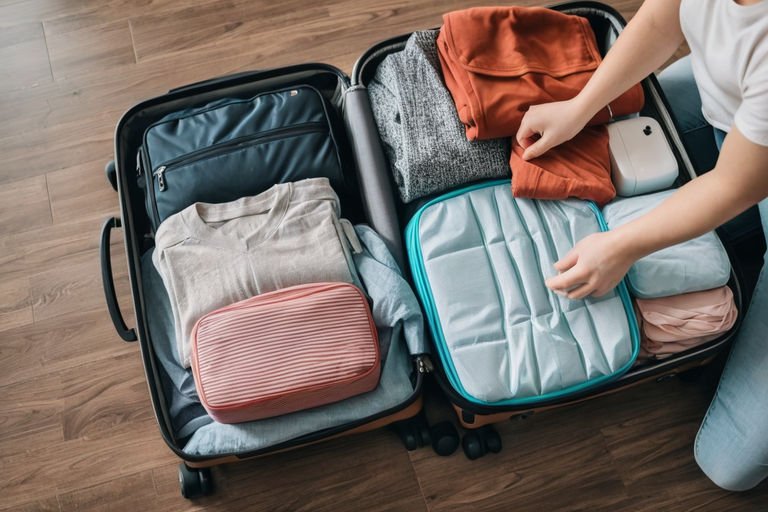
If you’re not already using packing cubes, you’re missing out. These little organizers help keep your suitcase tidy and make it easy to find what you need without turning everything upside down. Packing cubes also allow you to separate different types of clothing, making it simpler to unpack at your destination. Plus, they can save space by compressing your clothes, allowing you to fit more into your luggage.

Personal Item Bag for In-Flight Essentials
In addition to your carry-on, most airlines allow a personal item like a small backpack or handbag. Use this bag for things you’ll need during the flight—think your phone, wallet, headphones, snacks, and any entertainment you’ve packed. Keep important documents like your passport and boarding pass within easy reach, so you’re not digging through your carry-on at the gate.

Packing Efficiently

Packing Efficiency

Roll Your Clothes, Don’t Fold
One of the easiest ways to save space and prevent wrinkles is by rolling your clothes instead of folding them. This packing method allows you to fit more into your suitcase and keeps everything more organized. Rolled clothes also tend to crease less, which means less time ironing when you arrive.

Use Compression Bags
If you’re really tight on space, compression bags are a game changer. These bags let you squeeze the air out of bulky items, like jackets or sweaters, making it easier to fit everything into your luggage. They’re especially useful for longer trips where you need more clothing, or when traveling to colder destinations that require thicker layers.

Pack Multi-Use Clothing Items
To avoid overpacking, focus on clothing that can serve multiple purposes. Think of items like a scarf that can double as a wrap for chilly evenings, or pants that can transition from daytime sightseeing to a nice dinner out. Packing versatile pieces means you can mix and match without bringing your entire wardrobe along.

Limit Shoes to 2-3 Pairs
Shoes can take up a lot of space in your luggage, so it’s best to limit yourself to two or three pairs. Choose practical options like a comfortable pair for walking, a dressier pair for evenings, and perhaps sandals for warm weather. Make sure they’re versatile and can be worn with multiple outfits to get the most out of the space they take up.

Wear Bulky Items on the Plane
If you’re packing heavier clothing, like a jacket or boots, wear them on the plane instead of stuffing them in your suitcase. This will save valuable luggage space and keep you warmer in those chilly airports and airplane cabins. Plus, it gives you a little more room for other essentials in your suitcase.

Minimize Toiletries
When it comes to toiletries, less is more. Stick to travel-sized bottles for items like shampoo and conditioner, or even better, opt for solid toiletries like bar soap and solid shampoo. Not only will this save space, but it will also help you stay within the liquid limits for carry-on baggage.

Don’t Forget Your Medications
Make sure you pack enough of your medications for the entire trip, and always keep them in your carry-on. This ensures you won’t be stuck without them if your checked luggage is delayed or lost. It’s also a good idea to carry a copy of any prescriptions in case you need to refill them while abroad.

Security and Safety

safety and security

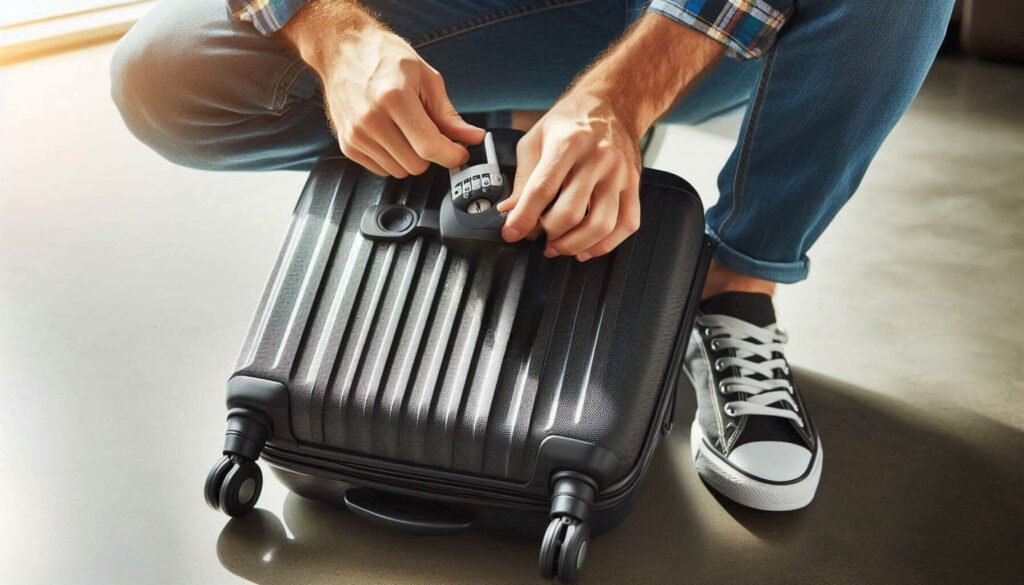
Use TSA-Approved Locks
Keeping your belongings secure is a priority, especially when traveling internationally. TSA-approved locks allow airport security to open and inspect your bags without damaging the lock. This way, you can keep your luggage safe from unwanted tampering while still following airport security guidelines.

Carry a Portable Safe or Anti-Theft Bag
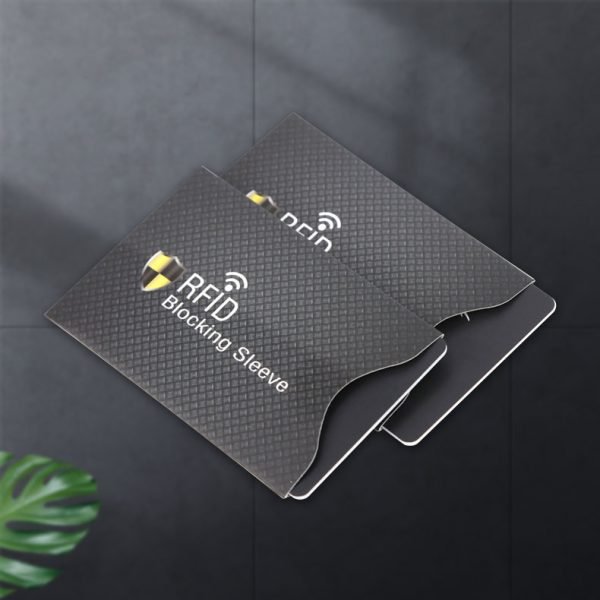
If you’re heading to a place known for pickpockets or theft, consider bringing a portable safe or an anti-theft bag. These items offer an extra layer of protection for your valuables like passports, money, and electronics. Many anti-theft bags come with locking zippers or RFID-blocking technology to help prevent identity theft as well.

Pack a First Aid Kit
It’s always a good idea to have a small first aid kit with you, especially when traveling abroad. Include basics like band-aids, antiseptic wipes, pain relievers, and any personal medications you might need. You never know when a minor injury or illness could strike, and having these essentials on hand can save you from scrambling to find a pharmacy in an unfamiliar place.

Follow the 3-1-1 Rule for Liquids
To avoid any issues going through airport security, make sure to follow the 3-1-1 rule for liquids in your carry-on. This means all liquids must be in containers of 3.4 ounces (100ml) or less, and they should all fit in a single, clear, quart-sized bag. Keeping within these limits will help you breeze through security without having to throw anything away.

Special Considerations

Special Consideration

Pack for Long Flights
Long flights can be exhausting, but packing a few comfort items can make a big difference. Neck pillows, eye masks, and noise-canceling headphones can help you get some rest, while a good book or downloaded movies will keep you entertained. Don’t forget snacks and a refillable water bottle, especially if you want to avoid buying overpriced items in the airport or onboard.

Gadgets and Electronics
In today’s world, traveling without electronics is almost unheard of. Make sure you pack your phone, tablet, laptop, or other gadgets, and don’t forget the chargers. It’s also smart to bring a portable power bank so you’re not left scrambling for an outlet. If you’re traveling internationally, pack a universal power adapter to ensure you can charge your devices wherever you go.

Keep Emergency Cash
While credit cards are widely accepted, it’s always a good idea to carry some local currency. Keep small amounts of cash in different locations—like your wallet, carry-on, and maybe even a hidden pocket in your suitcase—just in case. This way, if something gets lost or stolen, you won’t be completely out of luck.

Leave Space for Souvenirs
If you’re planning to bring back souvenirs from your trip, make sure to leave a little extra room in your suitcase. Whether it’s a unique piece of local art or just some gifts for friends and family, having space set aside will save you from the hassle of trying to cram everything in at the last minute—or worse, having to buy another bag for the trip home.

Remember, being prepared and organized is key to enjoying a successful international travel experience. When you take the time to plan your packing, choose the right luggage, and consider safety measures, you set yourself up for a smoother journey. Implementing these tips can help you avoid common pitfalls and make your travels more enjoyable.

Remember, the goal is to minimize stress so you can focus on making wonderful memories. With these strategies in mind, you’ll be well-equipped to tackle your next adventure with confidence. Happy travels!

September 25, 2024 0 comments
0 FacebookTwitterPinterestEmail
Travelling with toddlers
Family TravelTravel Tips

25 Travel Tips For Families with Toddlers

by Travel Geek September 19, 2024
written by Travel Geek

Traveling with toddlers can be a real adventure—one filled with unexpected moments and plenty of patience-testing situations. From managing meltdowns in the airport to dealing with picky eaters while on the road, it’s no secret that traveling with little ones has its unique challenges. But with the right preparation, the journey doesn’t have to feel overwhelming.

Planning ahead is key. When you take the time to think through your toddler’s needs—whether it’s packing enough snacks, bringing their favorite comfort items, or ensuring a nap-friendly travel schedule—you’re setting the stage for a smoother, more enjoyable trip for everyone. Traveling with toddlers might come with extra steps, but the right travel tips can make all the difference in ensuring both parents and kids have a great time.

Today we’ll share essential travel tips for families with toddlers to help you navigate your next trip with ease.

  • Plan Ahead
  • Pack Smart
  • Choose the Right Travel Time
  • Keep Snacks Handy
  • Bring Entertainment
  • Invest in a Good Stroller or Carrier
  • Be Prepared for Delays
  • Break the Trip into Shorter Segments
  • Stay Calm During Security Checks
  • Involve Toddlers in the Packing Process
  • Bring Familiar Items from Home
  • Keep Documents Handy
  • Book Direct Flights When Possible
  • Travel with Basic Medications
  • Opt for Early Boarding
  • Have a Backup Plan for Activities
  • Dress Comfortably
  • Use Travel Apps
  • Stick to Your Toddler’s Routine
  • Be Flexible
  • Pack Toddler-Friendly Toiletries
  • Bring Extra Supplies
  • Book Family-Friendly Accommodation
  • Make Time for Play
  • Stay Positive

1. Plan Ahead

When traveling with a toddler, planning ahead is your best friend. Take the time to research your destination to make sure it’s family-friendly. Look for hotels that offer cribs, high chairs, and play areas, and check if restaurants have kid-friendly menus. It’s also helpful to know what activities are available for young kids so you can fill your days with fun without feeling overwhelmed. A little planning upfront will save you stress once you’re on the road. 

2. Pack Smart

Packing for a trip with a toddler is all about being prepared. Make sure you’ve got the essentials: plenty of snacks, extra clothes, diapers, and wipes. Creating a packing checklist can be a lifesaver—write down everything your toddler might need, from their favorite toys to sunscreen. Having these items on hand means fewer last-minute runs to the store and more time enjoying your trip.  

3. Choose the Right Travel Time

Timing is everything when traveling with little ones. If possible, plan your travel around your toddler’s nap or sleep schedule. Whether it’s a flight or a long drive, your chances of a peaceful journey are much higher if your toddler is napping. A well-rested child makes for a more relaxed trip for everyone. 

4. Keep Snacks Handy

Snacks are a must for any trip with toddlers. Pack healthy, easy-to-carry snacks like fruit, crackers, or pouches of yogurt. Not only do snacks keep your toddler satisfied, but they can also be a great distraction when boredom starts to set in.

5. Bring Entertainment

toys

Long trips can be tough for toddlers, so it’s essential to have plenty of entertainment on hand. Bring a mix of toys, books, and maybe even a tablet loaded with their favorite shows or games. Keep things fresh by offering different activities throughout the trip to help keep your toddler engaged and happy.

6. Invest in a Good Stroller or Carrier

Having a reliable, lightweight stroller or carrier can make all the difference when traveling with a toddler. A portable stroller is great for navigating airports, busy streets, and long walks, while a good carrier lets you keep your hands free and your toddler close, especially when you’re in crowded or uneven terrain. Make sure it’s easy to fold and carry—you don’t want to wrestle with something bulky while managing a toddler!

7. Be Prepared for Delays

Delays happen, and when you’re traveling with a toddler, they can feel even longer. Bring extra snacks, toys, and activities to keep your little one entertained while you wait. If you’re at the airport, let them explore the terminal, or if you’re on the road, try to find a safe spot where they can get out and stretch. Keeping a calm attitude during delays helps set the tone for your toddler, so they’re less likely to get frustrated, too.

8. Break the Trip into Shorter Segments

Long journeys can be tough on toddlers, so it’s helpful to break the trip into shorter segments. Plan stops along the way where your toddler can run around and burn off some energy. Whether it’s a quick playground break or just a rest area with space to move, these mini-breaks can do wonders for keeping everyone happy and making the trip more enjoyable.

9. Stay Calm During Security Checks

Airport security can be stressful, especially with a toddler in tow. Before you get to the checkpoint, explain to your toddler what’s going to happen to prepare them. Make sure to take advantage of family lanes, if available, to speed up the process. Have your items organized and ready to go—shoes off, liquids out—so you can move through quickly and reduce the chance of your toddler getting antsy.

10. Involve Toddlers in the Packing Process

family packing

Letting your toddler help with packing can make them feel involved and excited about the trip. Give them a small bag or backpack and let them choose a few of their favorite toys, books, or stuffed animals to bring along. Not only does this make them feel more engaged, but it can also help reduce any travel anxiety they might have by knowing they’ll have familiar items with them.

11. Bring Familiar Items from Home

Traveling can be unsettling for toddlers, so bringing along some comfort items from home can really help them adjust. A favorite blanket, stuffed animal, or even a pillow can make unfamiliar places feel a little more like home. These familiar objects provide a sense of security, especially during naps or bedtime in new environments.

12. Keep Documents Handy

When traveling with a toddler, you’ll want to keep all important documents close by. Make sure you have easy access to passports, tickets, and any medical documents you might need, especially if your child has specific health requirements. Having everything organized and within reach will save you time and stress when you need them.

13. Book Direct Flights When Possible

Layovers can be tough, especially with a toddler who might already be restless. Whenever you can, opt for direct flights to reduce the stress and chaos that comes with connecting flights. The shorter the overall travel time, the better for both you and your little one.

14. Travel with Basic Medications

It’s always a good idea to pack basic medications when traveling with a toddler. Bring essentials like fever reducers, motion sickness medicine, any allergy or prescription meds your child might need and a band-aids they just a must. It’s better to be prepared than to scramble to find something in an unfamiliar place.

15. Opt for Early Boarding

Most airlines offer early boarding for families with small children, and it’s definitely worth taking advantage of. It gives you extra time to get your toddler settled, organize your bags, and get comfortable without the rush of other passengers. Having those few extra minutes can make a big difference in starting the flight on a calm note.

16. Have a Backup Plan for Activities

backup

When traveling with toddlers, things don’t always go as planned. Weather can change, attractions can close, and your little one’s mood might shift. That’s why it’s important to have a backup plan for activities. Whether it’s a nearby indoor play area, a quick trip to a local museum, or a fun craft to do at the hotel, having alternatives lined up will help keep everyone happy if your original plans fall through.

17. Dress Comfortably

Comfort is key when you’re traveling, especially for long periods. Dress yourself and your toddler in loose, comfortable clothing that allows for easy movement. Layering is also a good idea since temperatures can change quickly between planes, cars, and your destination. Don’t forget comfy shoes for both of you—happy feet make for a much easier trip! 

18. Use Travel Apps

There are plenty of family-friendly travel apps that can make your journey smoother. Look for apps that offer entertainment for toddlers, such as games or educational content, as well as practical tools like maps, weather updates, and language translation. Having these handy can help fill the time and keep everyone organized.

19. Stick to Your Toddler’s Routine

While traveling disrupts your usual schedule, try to maintain your toddler’s regular routine as much as possible. Stick to familiar meal times and keep bedtime consistent, even if that means doing a shortened version of their usual bedtime routine. A little structure goes a long way in helping toddlers adjust to new environments.

20. Be Flexible

No matter how much you plan, traveling with a toddler will always have its unpredictable moments. The key is to stay flexible and go with the flow when things don’t go as expected. Whether it’s a sudden tantrum, a missed nap, or an unexpected change in plans, keeping a positive, adaptable mindset will help everyone stay calm and enjoy the trip. 

21. Pack Toddler-Friendly Toiletries

When packing for your trip, don’t forget the toddler-friendly toiletries. Make sure you have essentials like baby wipes, sunblock, and travel-size shampoo that’s gentle on their skin. Having the right products can make things easier, especially if your little one has sensitive skin or specific preferences when it comes to bath time.

22. Bring Extra Supplies

Accidents happen, so it’s always a good idea to pack extra supplies. Bring more diapers, clothes, and wipes than you think you’ll need in case of spills, messes, or unexpected delays. It’s better to have extra on hand than to run out when you need them most.

23. Book Family-Friendly Accommodations

Choosing the right place to stay can make a big difference when traveling with a toddler. Look for hotels or rentals that cater to families with amenities like cribs, play areas, and even on-site babysitting services. Having kid-friendly accommodations makes it easier to relax and enjoy your trip, knowing your toddler’s needs are taken care of.

24. Make Time for Play

Toddlers need to burn off energy, so make sure to include time for play during your travels. Whether it’s stopping at a local playground, visiting a children’s museum, or just letting your toddler run around in a park, a little playtime helps keep them happy and balanced while on the go. 

25. Stay Positive

stay-positive

Traveling with a toddler comes with its ups and downs, but staying positive can make a world of difference. Patience and a good sense of humor go a long way when things get tough. By keeping the mood light and focusing on the fun parts of the journey, you’ll make the experience more enjoyable for everyone—your toddler included. 

Remember, traveling with toddlers is an adventure—one filled with memorable moments and plenty of learning along the way. So, pack those snacks, bring the favorite toys, and embrace the fun of exploring the world together.

September 19, 2024 0 comments
0 FacebookTwitterPinterestEmail
25 Travel Tips For Solo Travelers
Solo TravelTravel Tips

25 Travel Tips For Solo Travelers

by Travel Geek September 18, 2024
written by Travel Geek

Solo travel is an adventure like no other. Whether you’re looking for some time alone or just want the freedom to do things at your own pace, traveling solo can be incredibly rewarding. In recent years, more and more people have been embracing the idea of exploring the world on their own, which has made it a popular choice for beginners and experienced travelers alike.

But while solo travel offers a unique sense of independence, it’s important to be well-prepared. Having the right plan in place will help you avoid common challenges and make the most of your trip. With these travel tips, especially tailored for beginners and budget-conscious travelers, you can ensure a smooth and enjoyable journey.

  • Plan Your Budget
  • Pack Light and Smart
  • Choose Affordable Accommodations
  • Research and Book in Advance
  • Prioritize Safety
  • Travel Insurance is Essential
  • Use Public Transportation
  • Stay in Central Locations
  • Meet Locals and Fellow Travelers
  • Learn Basic Local Phrases
  • Stay Connected with Family/Friends
  • Embrace Free Activities
  • Travel During Off-Peak Seasons
  • Pack Snacks and Water
  • Choose Experiences Over Souvenirs
  • Get Comfortable Dining Alone
  • Use a Secure Travel Wallet
  • Limit Expensive Tours
  • Stay Flexible
  • Stay in Contact with Fellow Travelers
  • Take Care of Your Health
  • Download Travel Apps
  • Keep Emergency Cash
  • Avoid Over-scheduling
  • Enjoy the Experience

Plan Your Budget

Before setting off on your solo adventure, it’s crucial to have a solid budget in place. Traveling alone means you’re responsible for all expenses, so knowing where your money will go helps you avoid surprises down the road. Start by listing out your main costs—accommodation, food, transportation, activities, and a little extra for unexpected expenses.

To keep things affordable, prioritize what’s important to you and cut back where you can. For instance, you might save on accommodations by choosing a hostel or a budget-friendly Airbnb, leaving more room for activities or meals out. Tracking your spending daily can also help you stay on budget and make adjustments if needed. This approach ensures you’ll have enough funds to enjoy the trip without worrying about overspending, which is key for budget-conscious solo travelers. 

Pack Light and Smart

When you’re traveling solo, packing light can make a huge difference. It’s easier to move around with less luggage, whether you’re catching a train or walking through a city. Plus, it saves you from the hassle of dragging around heavy bags.

Stick to the essentials and pack items that serve multiple purposes. For example, a scarf can double as a blanket or pillow, and a lightweight jacket can layer up for warmth or work as rain protection. Roll your clothes instead of folding them to save space, and use packing cubes to stay organized. The less you pack, the more freedom you’ll have to focus on enjoying your trip.

Choose Affordable Accommodations

When traveling solo, keeping accommodation costs down is key. There are plenty of budget-friendly options out there like hostels, Airbnb, or even couchsurfing. Hostels are great for meeting other travelers, and many now offer private rooms if you prefer more privacy but still want the social vibe. Airbnb can give you a bit more comfort and flexibility, while couchsurfing is perfect for those looking to save and connect with locals.

However, safety is a top priority, especially when you’re traveling alone. If you’re staying in shared spaces like hostels or someone’s home, make sure to read reviews, check out the location, and use lockers or secure places to store your valuables. Trust your gut and don’t hesitate to choose what feels right for you. 

Research and Book in Advance

Booking your accommodation, transportation, and even some activities in advance can save you both money and stress. Prices often go up the closer you get to your travel date, so locking in deals early is a smart way to stretch your budget. Plus, having your key arrangements sorted out ahead of time means less worrying about logistics while you’re on the road.

For beginners, this tip is especially helpful. When you’re new to solo travel, it can feel overwhelming to plan everything as you go. Pre-booking gives you peace of mind, so you can focus on enjoying the trip rather than scrambling for last-minute options. Just make sure to double-check cancellation policies in case your plans change! 

Prioritize Safety

When you’re traveling solo, safety should always be a priority. One simple tip is to share your itinerary with a friend or family member, so someone knows where you are and where you’re headed. It’s also important to stay aware of your surroundings, especially in unfamiliar places—trust your instincts and avoid areas that feel off.

Technology can also help you stay safe. Download safety apps like bSafe or Life360, which let you share your location with trusted contacts or send alerts if needed. Another good idea is to keep a copy of your important documents on your phone or in the cloud, just in case something gets lost. Taking a few precautions can give you peace of mind and let you focus on enjoying your trip.

Travel Insurance is Essential

Travel insurance is a must when you’re going solo. Without someone else to rely on in case of emergencies, having the right coverage can save you from a lot of stress—and unexpected costs. From lost luggage to medical emergencies, travel insurance gives you a safety net so you don’t have to worry about things going wrong.

Finding affordable insurance doesn’t have to be difficult. Compare plans online, and make sure to read the fine print to see what’s covered. Some credit cards also offer travel insurance perks, so check if you already have coverage through your card. It’s a small cost upfront that can save you big in case of an emergency, making it an essential part of any solo trip.

Use Public Transportation

Public transportation is a great way to save money when traveling solo. Buses, trains, and metros are usually much cheaper than taxis or rideshares, and they can give you a real sense of local life. Before you go, check out routes and schedules online so you’re not scrambling to figure it out last minute.

As a solo traveler, safety is key when using public transport. Keep an eye on your belongings, especially in crowded places, and try to avoid traveling late at night in unfamiliar areas. If you’re unsure about which stop to get off at, apps like Google Maps can help you navigate the system smoothly. With a little planning, public transportation can be an easy and budget-friendly way to explore your destination.  

Stay in Central Locations

Staying in a central location can make your solo trip much easier and more affordable. When you’re close to the main attractions, restaurants, and public transportation, you’ll spend less time and money getting around. Instead of paying for taxis or long bus rides, you can often walk to where you need to go, which adds up to big savings over the course of your trip.

Besides the cost factor, central areas tend to be more convenient and safer for solo travelers. There’s usually more foot traffic, better lighting, and a higher concentration of services like cafes and shops, so you’re never too far from what you need. Being in the heart of things can make your solo adventure smoother and more enjoyable.  

Meet Locals and Fellow Travelers

Meeting locals and fellow travelers can add a lot of value to your solo trip. Social media platforms and apps like Meetup are great tools for finding events or gatherings where you can connect with others. Look for local events, group tours, or social meetups that match your interests.

If you’re looking for budget-friendly ways to meet people, consider joining free walking tours or visiting community markets and festivals. Hostels and shared accommodations also offer opportunities to socialize, often with organized events or communal areas. Engaging with others not only enriches your travel experience but can also make solo trips feel less lonely and more connected. 

Learn Basic Local Phrases

Knowing a few basic phrases in the local language can make a big difference on your solo trip. Even if you’re not fluent, learning simple greetings and polite expressions shows respect and can help you navigate everyday situations more smoothly.

On the safety front, understanding basic phrases can be invaluable if you need help or directions. It’s easier to communicate if you can ask for assistance or understand important information. For budget travel, knowing how to ask about prices or negotiate can also save you money. Overall, a little language knowledge goes a long way in making your trip more enjoyable and less stressful. 

Stay Connected with Family/Friends

Staying in touch with family and friends while traveling solo is important for both safety and peace of mind. Regular check-ins let your loved ones know you’re okay and can provide an extra layer of security.

To keep costs down, use affordable options like Wi-Fi and travel SIMs. Many accommodations and public places offer free Wi-Fi, which is a great way to stay connected without incurring extra charges. If you need more reliable service, consider getting a local SIM card or an international roaming plan for your phone. These options can help you stay in touch without breaking the bank. 

Embrace Free Activities

Taking advantage of free or low-cost activities is a smart way to stretch your travel budget. Many cities offer a variety of free attractions, like parks, museums, and public events. Researching these options before your trip can help you plan a fun and affordable itinerary.

Look for free walking tours, local festivals, or community events that can give you a taste of the local culture without costing a dime. Not only will this keep your expenses in check, but it can also lead to memorable experiences that you might not find in a guidebook. Embracing these budget-friendly activities is a great way to enjoy your solo journey while saving money. 

Travel During Off-Peak Seasons

Traveling during off-peak seasons can be a great way to save money and have a more relaxed experience. Prices for flights and accommodations often drop when you avoid the busy tourist times, which means you can get better deals and enjoy more value for your money.

For solo travelers, off-peak times offer the added benefit of fewer crowds. You’ll have more space and peace to explore at your own pace, without the hustle and bustle of peak season. Plus, attractions and restaurants are generally less crowded, making your experience more enjoyable and stress-free.

Pack Snacks and Water

Carrying snacks and water can be a real lifesaver during long days of sightseeing. Not only does it help you stay hydrated and energized, but it also keeps you from spending extra on pricey food and drinks while you’re out and about.

Packing a few snacks like nuts, granola bars, or fruit can keep hunger at bay and give you a quick energy boost. A refillable water bottle is great for staying hydrated and avoiding the cost of buying drinks throughout the day. With these simple items, you can keep your travel budget in check and make your adventures more enjoyable.

Choose Experiences Over Souvenirs

When traveling solo, choosing experiences over souvenirs can be a more rewarding and cost-effective approach. Instead of spending money on material items, focus on creating memories that you’ll cherish long after your trip.

Experiences like local tours, cooking classes, or unique activities can offer a deeper connection to the place you’re visiting. These moments not only enrich your trip but also often cost less than buying souvenirs. By prioritizing experiences, you get to enjoy and remember your travels in a more meaningful way. Plus, it helps you keep your budget in check while making the most of your solo adventure.

Get Comfortable Dining Alone

Dining alone can be a great opportunity to enjoy your meals at your own pace and on your own terms. It might feel a bit awkward at first, but with a little practice, it can become a pleasant part of your solo travel experience.

Start by choosing casual places where solo diners are welcome, like cafés or small local restaurants. These spots often have a relaxed atmosphere and are more budget-friendly. Don’t be afraid to ask for recommendations from locals or try street food for an affordable and authentic taste of the area. Bringing a book or journal can also make solo meals more enjoyable and less daunting. By getting comfortable with dining alone, you can savor each meal and make the most of your travel experience. 

Use a Secure Travel Wallet

Protect Your Personal Information While Traveling The Importance of RFID Sleeves

Using a secure travel wallet is a smart way to keep your money and important documents safe while you’re on the go. Look for a wallet that has features like RFID protection to guard against electronic theft and multiple compartments to organize your cash, credit cards, and travel documents.

Keep your travel wallet close to you at all times, especially in crowded areas. Consider using a neck pouch or a money belt that you can wear under your clothes for extra security. By keeping your valuables organized and secure, you reduce the risk of loss or theft and can travel with greater peace of mind.

Limit Expensive Tours

Expensive guided tours can quickly add up, especially when you’re traveling on a budget. Instead, consider alternatives like self-guided tours or free walking tours, which can offer a similar experience at a fraction of the cost.

Self-guided tours are a great option—many cities have maps and apps that help you explore at your own pace. You can visit the sights that interest you without the pressure of a schedule. Free walking tours are another budget-friendly choice. While they’re usually tip-based, they often provide valuable local insights and a chance to meet other travelers. By opting for these alternatives, you can enjoy the city’s highlights without breaking the bank. 

Stay Flexible

Staying flexible with your travel plans can open the door to some great last-minute deals. If you’re willing to adjust your itinerary or accommodation at short notice, you might find cheaper options or special offers that aren’t available in advance.

Being open to changes, like switching your travel dates or considering different destinations, can also lead to unexpected adventures and savings. Flexibility not only helps you grab deals but can also make your trip more spontaneous and exciting. By keeping an open mind, you can make the most of opportunities that come your way and enjoy a more budget-friendly travel experience.

Stay in Contact with Fellow Travelers

Staying in touch with fellow travelers can be a great way to enhance your solo journey. Building connections with others on the road offers both safety and social benefits.

By sharing your plans and contact details with other travelers, you can create a network of people who might help you out if needed or simply share local tips. Plus, staying in contact can provide opportunities to meet up, explore together, or just have someone to chat with along the way. It’s a simple way to make your solo travels more enjoyable and secure.

Take Care of Your Health

Taking care of your health while traveling solo is crucial for enjoying your trip to the fullest. Staying hydrated is key, so make sure to drink plenty of water, especially if you’re exploring in hot weather or doing a lot of walking.

Be mindful of what you eat—try local foods, but make sure to choose fresh, well-cooked options to avoid any stomach issues. Quick workouts or stretching can also help keep you feeling good, especially if you’re sitting for long periods or carrying heavy bags. Incorporating these simple habits into your routine can help you stay healthy and energized throughout your journey.

Download Travel Apps

Downloading the right travel apps can make your solo trip much smoother and more budget-friendly. Navigation apps like Google Maps or Citymapper can help you find your way around unfamiliar places without getting lost.

For accommodation, apps like Airbnb or Booking.com offer various options that fit different budgets and preferences. Safety apps such as bSafe or emergency alert apps can provide an extra layer of security by allowing you to share your location or send alerts if needed. These apps are handy tools that can simplify your travel experience and help you stay organized and safe.

Keep Emergency Cash

It’s always a good idea to keep some emergency cash on hand when traveling solo. This can come in handy if you lose your wallet or run into unexpected expenses.

Hide your emergency cash in a secure place, separate from your main wallet. Consider using a money belt, a hidden pocket in your luggage, or a secure spot in your accommodation. Also, carry a small amount in a few different places so you’re prepared for various situations. Managing this cash carefully ensures that you have a backup plan if things don’t go as expected, giving you peace of mind while traveling. 

Avoid Over-scheduling

Avoid over-scheduling your trip to ensure you have plenty of time to explore and relax. It’s easy to get caught up in trying to see and do everything, but a packed itinerary can leave you feeling rushed and exhausted.

Instead, leave some room in your schedule for spontaneous adventures and downtime. Allow yourself to wander, enjoy the local atmosphere, and take breaks when needed. By balancing your plans with flexibility, you’ll have a more enjoyable and less stressful travel experience.

Enjoy the Experience

enjoy

Finally, make sure to really enjoy the experience of solo travel. Embrace the freedom and adventure that come with exploring on your own. Take in the sights, savor the new experiences, and appreciate the moments of solitude and discovery. Solo travel offers a unique opportunity to connect with yourself and see the world from a fresh perspective. By staying present and open to what comes your way, you’ll create lasting memories and fully enjoy your journey. 

September 18, 2024 0 comments
0 FacebookTwitterPinterestEmail
25 Travel Tips For Budget Travelers
Budget TravelTravel Tips

25 Travel Tips For Budget Travelers

by Travel Geek September 18, 2024
written by Travel Geek

Traveling on a budget is all about experiencing the world without spending a fortune. It’s appealing because it shows that you don’t need to have a huge bank account to explore new places, try local foods, and meet people from different cultures. Whether you’re a student, someone who’s trying to save, or just love the thrill of stretching your money, budget travel opens up a lot of possibilities.

For beginners, though, it can feel a bit overwhelming. There’s always the worry of overspending, getting lost, or missing out on great experiences because you’re trying too hard to save. But with a little planning and the right strategies, you can avoid those pitfalls. That’s where these travel tips come in—they’re here to help you make the most of your trip without breaking the bank. From finding cheap flights to picking the right accommodation, these tips will make your budget travel not only affordable but also enjoyable.

  • Planning and Research
  • Budget-Friendly Transportation
  • Affordable Accommodation
  • Budget-Friendly Food Options
  • Smart Spending While Traveling

Planning and Research

Planning and Research Tips
1. Book in Advance

One of the easiest ways to save money on travel is by booking your flights and accommodation early. Airlines and hotels often offer lower prices when you book well in advance, especially if you’re traveling to a popular destination. The closer you get to your travel date, the higher the prices tend to climb, so locking things in early can save you a lot of cash. Plus, it gives you peace of mind knowing that your major expenses are already covered.

2. Use Travel Deal Websites

There are plenty of websites and apps out there that specialize in finding travel deals. Platforms like Skyscanner, Kayak, and Google Flights let you compare prices across multiple airlines, while others like Secret Flying or Scott’s Cheap Flights send alerts when there’s a significant drop in airfare. These tools make it easier to score discounts without constantly checking yourself.

3. Travel During Off-Season

If you’re flexible with your travel dates, consider going during the off-season. Not only are flights and accommodation cheaper, but you’ll also get to avoid the tourist crowds. Off-season doesn’t necessarily mean bad weather—sometimes it just means fewer people, lower prices, and a more relaxed experience. Just do a little research to ensure attractions or activities you want to do will still be open.

4. Flexible Dates and Destinations

Being flexible with your travel plans can lead to big savings. Instead of picking fixed dates and locations, try searching for the cheapest time to fly or the least expensive destinations that fit your interests. Flexibility can help you land last-minute deals, and you might even discover somewhere new that wasn’t originally on your radar.

5. Sign Up for Travel Alerts

Another way to stay on top of deals is by signing up for airfare alerts. Websites and apps like Hopper or Airfarewatchdog can notify you when flight prices drop. You can set alerts for specific destinations or simply monitor general price trends. It’s a low-effort way to stay in the loop and catch a great deal when it pops up.  

Budget-Friendly Transportation

Budget-Friendly-Transportation
6. Use Public Transport

When you’re trying to save money, public transport is your best friend. Buses, trams, and subways are almost always cheaper than taxis or rideshare services like Uber. Plus, they give you a real sense of the local culture. It might take a little more time to figure out the routes, but it’s worth the savings. Many cities even offer day passes or travel cards that give you unlimited rides for a set price, which is a great deal if you’re planning to explore all day.

7. Consider Budget Airlines

If you’re flying between destinations, budget airlines can save you a lot of money. Airlines like Ryanair, EasyJet, or Spirit offer cheap flights, but you’ll need to be mindful of extra fees. Make sure you understand the luggage policies to avoid any surprises. Also, compare prices across multiple sites like Google Flights and Skyscanner, as they often list deals you might not find directly on the airline’s website.

8. Travel Overnight

Combining your transportation and accommodation is a great way to save money. Overnight buses and trains can be a lifesaver on long trips. You pay for your travel while avoiding the cost of a hotel room for the night. It might not be the most luxurious option, but it’s budget-friendly and lets you wake up in a new place, ready to explore.

9. Walk or Bike When Possible

Walking or biking is not only free, but it’s also a great way to take in a new city at your own pace. Many cities have bike-sharing programs or rental shops, which are affordable alternatives to taxis or public transportation. Plus, it’s a healthier option that lets you stop and explore off-the-beaten-path spots you might miss otherwise.

10. Carpool or Rideshare

If public transport isn’t available, carpooling or using rideshare services like BlaBlaCar can be a cost-effective alternative. These services allow you to split the cost of a ride with other travelers heading in the same direction, cutting down on costs while offering a more convenient travel experience than public transport.

Affordable Accommodation

Affordable Accommodation
11. Stay in Hostels

Hostels are a go-to option for budget travelers. Not only are they cheaper than hotels, but they’re also great for meeting other travelers. Many hostels offer dorm-style rooms, which are perfect if you don’t mind sharing space with others. They often have common areas where you can socialize, swap travel stories, or even cook your own meals in a shared kitchen. Plus, some hostels offer private rooms if you want more privacy without the high cost of a hotel.

12. Consider Airbnb or Short-Term Rentals

For groups or longer stays, Airbnb and other short-term rental options can be much more affordable than hotels. You’ll often get more space for your money, plus the added benefit of a kitchen, which can help save on food costs. It’s also a good option if you want to experience living like a local, especially in quieter, less touristy neighborhoods.

13. House Sitting or Couchsurfing

If you’re looking for free accommodation, house sitting and Couchsurfing are two great options. House sitting involves watching over someone’s home (and sometimes pets) while they’re away, and Couchsurfing connects you with locals willing to offer a free place to stay. Both options are budget-friendly and give you the chance to experience a destination from a local’s perspective.

14. Look for Discounts on Hotels

If you prefer the comfort of a hotel, there are still ways to save. Many hotels offer discounts through loyalty programs or by booking with travel rewards points. Credit cards with travel rewards can also help lower costs. Keep an eye out for promotions or deals on websites like Booking.com or Hotels.com, where last-minute offers or discounts can pop up.

15. Camping as an Option

For the more adventurous traveler, camping can be an incredibly affordable option. If you’re heading to a destination known for its natural beauty, campsites are often much cheaper than any other type of accommodation. In some places, you can even camp for free in designated areas. Just be sure to pack the right gear, and you’ll not only save money but get closer to nature too.

Budget-Friendly Food Options

Budget-Friendly Food Options
16. Cook Your Own Meals

If you’re staying somewhere with a kitchen, like an Airbnb or a hostel, cooking your own meals can save you a lot of money. Instead of eating out for every meal, you can visit local grocery stores or markets and prepare food yourself. It’s especially useful for breakfast or lunch, leaving you more flexibility to try local restaurants for dinner. Plus, cooking your own food gives you more control over what you’re eating, which can be a bonus for health-conscious travelers.

17. Eat Local Street Food

One of the best ways to experience a new culture is through its street food. Not only is it cheaper than eating in restaurants, but it’s also often more authentic. You’ll find local dishes at a fraction of the price, and many times they’re freshly made right in front of you. Whether it’s tacos in Mexico or noodles in Thailand, street food is a great way to enjoy local flavors without breaking the bank.

18. Avoid Tourist Restaurants

Restaurants in popular tourist areas tend to be overpriced and cater to foreign tastes. If you want to save money and enjoy more authentic food, venture a bit further away from the main tourist spots. You’ll often find better food at local prices just by walking a few blocks away from busy attractions. Ask locals for recommendations, or look for places where you see more residents than tourists.

19. Bring Snacks

Having snacks with you while exploring can save you money on impulse buys. Whether you’re hiking or just walking around the city, bringing snacks like fruit, nuts, or granola bars can help keep you energized without the need to stop at overpriced cafés or kiosks. It’s also handy to have snacks on hand during long travel days.

20. Drink Tap Water (Where Safe)

In countries where tap water is safe to drink, carrying a reusable water bottle can save you from spending money on bottled water. In places where tap water isn’t safe, consider bringing a water purification bottle or tablets to avoid the cost and environmental waste of buying plastic bottles. Staying hydrated is important, and this small adjustment can make a big difference in your budget over time.

Smart Spending While Traveling

Smart Spending While Traveling
21. Create a Daily Budget

It’s easy to lose track of spending when you’re traveling, especially with all the temptations around. That’s why setting a daily budget is so important. Decide ahead of time how much you want to spend on food, activities, and transportation each day, and stick to it. Having a clear limit helps you avoid blowing through your money too quickly and ensures you can enjoy your trip without worrying about running out of cash halfway through.

22. Use a Travel Rewards Credit Card

If you’re going to be spending money on flights, hotels, and meals anyway, why not earn points while you’re at it? A good travel rewards credit card can help you rack up points or miles that you can use for future trips. Some cards also offer perks like free travel insurance, no foreign transaction fees, or access to airport lounges. Just be sure to pay off your balance to avoid high interest rates.

23. Negotiate Prices (When Appropriate)

In some countries, haggling is a common practice, especially in markets or when booking tours directly with locals. Don’t be afraid to negotiate prices, but do so politely and respectfully. You might be able to get a better deal on souvenirs, excursions, or even accommodations just by asking. However, always know when it’s appropriate to bargain, as it’s not customary everywhere.

24. Free Walking Tours and Attractions

Many cities offer free walking tours that are a fantastic way to explore and learn about a new place without spending a lot of money. These tours are usually led by locals who work for tips, so you can pay what you think the tour was worth. Also, keep an eye out for free attractions like museum days, public parks, or local festivals, which can be just as enriching as paid experiences.

25. Limit Souvenir Shopping

Souvenirs can quickly eat into your travel budget if you’re not careful. Instead of buying loads of trinkets, focus on practical items you’ll actually use or small keepsakes that don’t cost much. Another option is to skip material souvenirs altogether and invest in experiences instead. After all, the memories you make on your trip are far more valuable than a t-shirt or magnet.

Traveling on a budget doesn’t mean missing out on great experiences—it’s all about planning ahead and staying flexible. By doing a bit of research, sticking to smart spending habits, and being open to different options, you can explore the world without draining your bank account. The key is finding the balance between saving money and enjoying the journey. With the right mindset and these tips, you’ll discover that traveling on a budget can be just as rewarding, if not more, than splurging on every little thing. So get out there, have fun, and make the most of your adventure without worrying about the price tag.

September 18, 2024 0 comments
0 FacebookTwitterPinterestEmail
Newer Posts
Older Posts

Follow Us

Facebook Twitter Instagram Pinterest Youtube Tiktok

Recent Posts

  • Asia Fuel Crisis 2026: Should You Cancel Your Travel Plans?

    March 31, 2026
  • Guide to Crossing the Thailand-Laos Border via Friendship Bridge IV

    March 28, 2026
  • How to See the Best of Nizwa, Oman in One Day

    March 27, 2026
  • Is Cancel For Any Reason (CFAR) Travel Insurance Worth It?

    March 26, 2026
  • What to Pack: 7 Travel Items That Actually Matter in 2026

    March 25, 2026

Categories

  • Destinations (77)
    • Africa (7)
      • Egypt (2)
      • Kenya (2)
      • Morocco (3)
      • Namibia (1)
      • Rwanda (1)
      • South Africa (2)
      • Tanzania (1)
      • Zambia (1)
    • Asia (66)
      • Bhutan (1)
      • Cambodia (1)
      • China (2)
      • Indonesia (7)
      • Laos (1)
      • Malaysia (2)
      • Maldives (1)
      • Nepal (2)
      • Thailand (58)
      • Turkmenistan (1)
      • Vietnam (3)
    • Europe (12)
      • Bulgaria (1)
      • Croatia (1)
      • Georgia (3)
      • Greece (2)
      • Iceland (1)
      • Ireland (1)
      • Italy (1)
      • Montenegro (1)
      • Norway (1)
      • Portugal (2)
      • Scotland (1)
      • Spain (1)
      • Switzerland (1)
      • Turkey (5)
    • Middle East (5)
      • Jordan (1)
      • Oman (1)
      • UAE (2)
    • North America (5)
      • Canada (1)
      • Mexico (1)
      • USA (4)
    • Oceania (3)
      • Australia (1)
      • New Zealand (2)
    • South America (7)
      • Argentina (1)
      • Bolivia (2)
      • Chile (4)
      • Costa Rica (3)
      • Dominica (1)
      • Ecuador (1)
      • Peru (2)
  • Travel Gear (64)
    • Clothing (15)
    • Luggage (10)
    • Photography Gear (7)
    • Security Gear (8)
    • Travel Accessories (21)
    • Travel Electronics (10)
  • Travel Tips (217)
    • Budget Travel (42)
    • Family Travel (35)
    • Food and Dining (16)
    • Health and Wellness (48)
    • Luxury Travel (24)
    • Packing (12)
    • Safety (19)
    • Solo Travel (33)
    • Sustainable Travel (12)
    • Transportation (45)
    • Travel Insurance (14)
    • Visa and Immigration (13)

Subscribe to our newsletter and be the first to know about our latest and greatest news, exclusive offers, and funny cat videos (yes, we promise to include those too)..

We don’t spam! Read our privacy policy for more info.

You’ve been successfully subscribed to our newsletter!

  • About Us
  • Destinations
  • Travel Tips
  • Travel Gear
  • Contact Us
  • Terms and Conditions
  • Privacy policy
  • Refund and Cancelation Policy

© Copyright 2026 FitcationHQ

FitcationHQ
FitcationHQ
  • Home
  • Travel Planning
  • Destinations
    • Africa
      • Egypt
      • Kenya
      • Morocco
      • Mozambique
      • Namibia
      • Rwanda
      • South Africa
      • Tanzania
    • Asia
      • Bhutan
      • Cambodia
      • China
      • Indonesia
      • Laos
      • Malaysia
      • Maldives
      • Nepal
      • Thailand
      • Turkmenistan
    • Europe
      • Bulgaria
      • Croatia
      • Georgia
      • Greece
      • Iceland
      • Ireland
      • Italy
      • Montenegro
      • Norway
      • Portugal
      • Scotland
      • Turkey
    • Middle East
      • Jordan
      • UAE
    • North America
      • Canada
      • USA
    • Oceania
      • New Zealand
    • South America
      • Argentina
      • Bolivia
      • Chile
      • Costa Rica
      • Ecuador
      • Peru
  • Travel Tips
    • Budget Travel
    • Family Travel
    • Food and Dining
    • Health and Wellness
    • Luxury Travel
    • Packing
    • Safety
    • Solo Travel
    • Transportation
    • Travel Insurance
    • Sustainable Travel
    • Visa and Immigration
  • Travel Gear
    • Luggage
    • Clothing
    • Photography Gear
    • Security Gear
    • Travel Accessories
    • Travel Electronics

Shopping Cart

Close

No products in the cart.

Close