FitcationHQ
  • Home
  • Travel Planning
  • Destinations
    • Africa
      • Egypt
      • Kenya
      • Morocco
      • Mozambique
      • Namibia
      • Rwanda
      • South Africa
      • Tanzania
    • Asia
      • Bhutan
      • Cambodia
      • China
      • Indonesia
      • Laos
      • Malaysia
      • Maldives
      • Nepal
      • Thailand
      • Turkmenistan
    • Europe
      • Bulgaria
      • Croatia
      • Georgia
      • Greece
      • Iceland
      • Ireland
      • Italy
      • Montenegro
      • Norway
      • Portugal
      • Scotland
      • Turkey
    • Middle East
      • Jordan
      • UAE
    • North America
      • Canada
      • USA
    • Oceania
      • New Zealand
    • South America
      • Argentina
      • Bolivia
      • Chile
      • Costa Rica
      • Ecuador
      • Peru
  • Travel Tips
    • Budget Travel
    • Family Travel
    • Food and Dining
    • Health and Wellness
    • Luxury Travel
    • Packing
    • Safety
    • Solo Travel
    • Transportation
    • Travel Insurance
    • Sustainable Travel
    • Visa and Immigration
  • Travel Gear
    • Luggage
    • Clothing
    • Photography Gear
    • Security Gear
    • Travel Accessories
    • Travel Electronics
FitcationHQ
Schengen Visa Mistakes That Will Get You Rejected
Travel TipsVisa and Immigration

Schengen Visa Mistakes That Will Get You Rejected

by Travel Geek June 11, 2025
written by Travel Geek

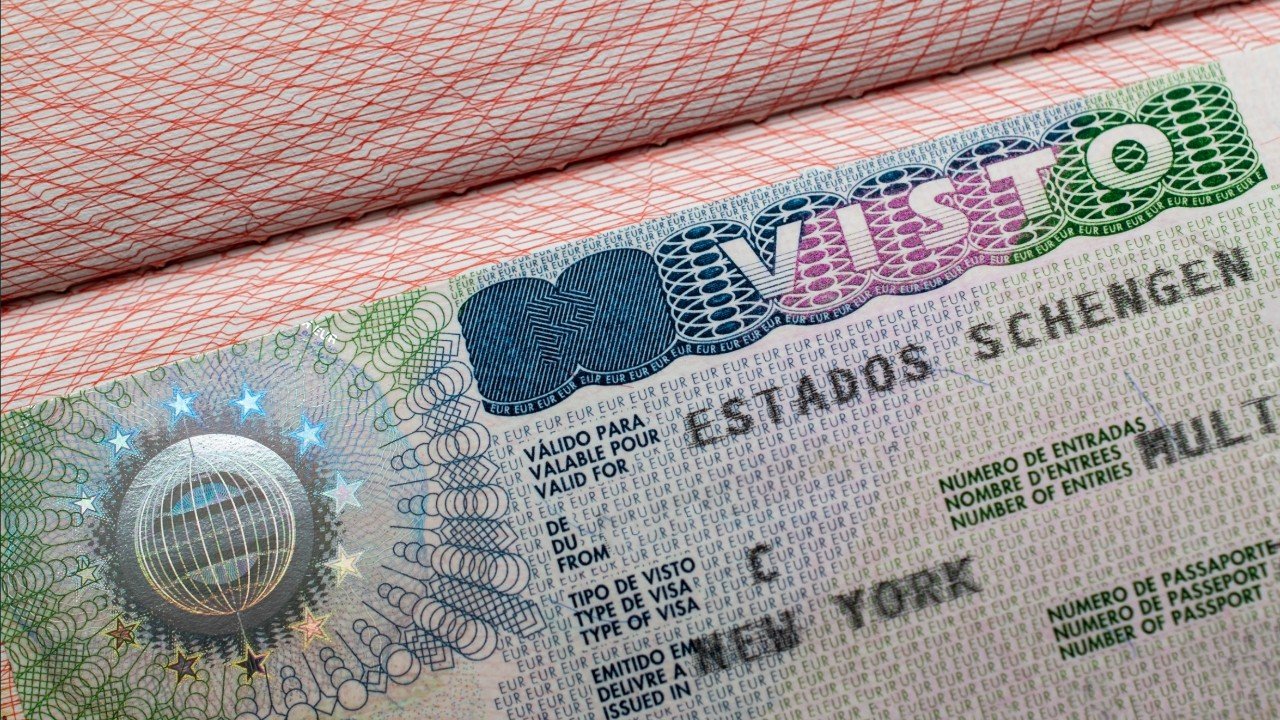
Thinking about a European holiday? Whether you are picturing a summer in Spain, a business trip to Germany, or a romantic visit to Paris, you will likely need a Schengen visa. Getting one is a key step, but many applications are turned down because of small errors.

In 2024, nearly 15% of all Schengen visa applications were denied, which affected over 1.7 million people. The frustrating part is that many of these rejections were due to simple, avoidable mistakes. This guide breaks down the most common reasons for rejection and shows you how to get your application right the first time.

1. Incomplete or Incorrect Paperwork

The most frequent reason for a visa denial is also the easiest to prevent. A mistake as small as using an old form, forgetting a signature, or providing a blurry copy of your passport can lead to a rejection. All your documents are checked to make sure the details match. Your passport number, travel dates, and financial records must all line up perfectly. Always use the latest checklist from the embassy and double-check every single detail before you submit.

2. Not Showing Enough Money

The embassy needs to be sure you can pay for your trip. You must show proof that you have enough money to cover the daily costs for the country you plan to visit.

Here are a few examples of daily minimums:

  • France: €120 per day
  • Spain: €100 per day
  • Germany: €45 per day

It is important to show a stable bank balance over several months. Avoid making large, last-minute deposits into your account, as this can look suspicious to visa officers.

3. Unclear Travel Plans

If your travel plans are confusing or do not match your documents, your application will raise concerns. Your trip needs to sound believable and be well-planned. Be ready to answer questions like: What cities will you see? Where will you stay? How will you travel between places?

Include hotel bookings, flight reservations, and a day-by-day schedule to make your plans clear and traceable. If you are staying with friends or family, you must include a signed letter of invitation.

4. No Travel Insurance

Travel insurance is a must-have. You are required to have a policy that provides at least €30,000 in coverage for medical emergencies. This policy must be valid for the entire Schengen area. The coverage should include emergency medical care, hospital stays, and the cost to return you home if you become seriously ill. If your policy information is not clear or the dates do not match your trip, your application will be denied.

5. Problems with Your Passport

Your passport must meet several conditions. Make sure it was issued within the last 10 years and is valid for at least three months after you plan to leave Europe. It also needs to have at least two blank pages and be in good condition. A small tear or a missing page could cause a problem. If your passport is damaged or close to expiring, it is best to renew it before you apply for the visa.

6. Past Visa Issues

If you have overstayed a previous visa or broken immigration rules in the past, the visa system will have a record of it. Do not try to hide these issues. It is much better to be honest and explain what happened, providing documents if you can. Hiding a problem is almost always worse than explaining it.

7. Weak Connection to Your Home Country

Visa officers need to be confident that you will return home after your trip. You can show this by providing proof of your ties to your home country.

Examples include:

  • Proof of employment
  • Property ownership documents
  • Evidence of family responsibilities
  • Proof of ongoing studies

These documents help build a case that your life is settled at home and you do not plan to stay in Europe illegally.

8. Applying for the Wrong Type of Visa

There are different kinds of Schengen visas, such as those for short stays, long stays, or airport transit. Applying for the wrong one can cause an immediate rejection. For example, if you are going on a 10-day vacation, do not apply for a long-term visa. If you are only changing planes at a European airport, you might need a transit visa. Make sure your application matches the true reason for your trip.

9. Applying Too Late

Visa processing can take weeks, and appointment times fill up quickly. Do not leave your application to the last minute. It is best to apply at least two to three months before you plan to travel, especially during busy times like summer. Rushing often leads to mistakes.

10. Missing Extra Documents

Even if you have all the basic paperwork, leaving out other supporting documents can make your application weaker. Think of these extra papers as a way to make your case stronger.

Helpful additions can include:

  • Tax returns
  • A letter from your employer
  • Proof of investments
  • Credit card statements

The more proof you can provide, the better your chances are.

Getting a Schengen visa is about telling a clear and honest story, with the documents to back it up. Be organized and specific in your application. Most importantly, give yourself plenty of time. Your application is more than just paperwork; it is your ticket to see Europe.

June 11, 2025 0 comments
0 FacebookTwitterPinterestEmail
Your Guide to Last-Minute Holiday Bookings
Budget TravelFamily TravelSolo TravelTravel Tips

Your Guide to Last-Minute Holiday Bookings

by Travel Geek June 9, 2025
written by Travel Geek

Ever felt the urge to pack a bag and leave town with almost no notice? You’re not alone. Last-minute holiday bookings have become a popular way to travel, especially for those craving a quick escape. While spontaneous getaways can lead to exciting adventures and great deals, they also come with challenges.

In this guide, we’ll walk you through everything you need to know about last-minute travel—from when to book, to who it suits best, and how to make it work in your favor.


What Is a “Last-Minute” Holiday?

The term “last minute” usually means booking within two weeks of your trip. Some people even consider it to be within six days—or in extreme cases, just hours before takeoff. This short window can bring major savings or serious headaches, depending on how you approach it.


Why Travel Companies Offer Last-Minute Deals

Last-minute deals aren’t random. Airlines, hotels, and rental properties often lower their prices to fill empty spots. Rather than letting a seat or room go unused, they offer discounts to bring in any revenue they can.

This system helps you snag a great deal—especially during slower travel periods or in less crowded destinations.


The Rise of Spontaneous Getaways

Thanks to mobile apps and fast booking tools, last-minute travel is easier than ever. Many travelers, especially millennials, use apps to find deals and lock in plans within days—or even hours. Almost half of millennials recently booked a trip on short notice, often influenced by a good discount.


Pros and Cons of Last-Minute Travel

✅ The Upsides

1. You Can Save Big
Airlines and hotels drop prices when demand is low, so you could get a luxury experience for a much lower cost.

2. Flexible Travel Means Less Stress Later
Plans change. When you book closer to your travel date, you reduce the chance of needing to cancel or lose money on changes.

3. Unexpected Adventures
Without a fixed itinerary, you’re more open to exploring new places and trying things you hadn’t planned. These surprises often lead to the best memories.

4. Less Crowds, More Upgrades
If you travel during off-peak times, you might find fewer tourists around and get lucky with free upgrades or extra perks.


❌ The Downsides

1. Fewer Choices
Popular spots may be fully booked. You might need to settle for less ideal flight times or accommodations.

2. Prices Can Be Higher in Busy Seasons
When demand spikes—like during holidays or major events—last-minute prices can actually shoot up by 50% or more.

3. It’s Not for the Over-Planner
Less time to plan means more stress for people who prefer organized, detailed trips. You could miss out on popular attractions or feel rushed making decisions.

4. Comfort May Take a Hit
Be ready to give up things like preferred flight times, seat choices, or top-rated hotels.


Is Last-Minute Travel Right for You?

Here are the types of travelers who thrive with last-minute bookings:

  • Flexible explorers who are open to changing dates, destinations, and plans.

  • Adventure seekers who love the thrill of spontaneity.

  • Budget-conscious travelers looking for the best price over perfect plans.

  • Solo travelers or couples who find it easier to adapt.

  • Millennials and tech-savvy travelers who use booking apps and follow travel deal sites.

And those who might want to avoid it:

  • Families or large groups needing coordination.

  • Travelers with specific destinations or activities in mind.

  • Those who dislike uncertainty or need a strict plan.

  • Luxury travelers wanting top-tier experiences and amenities.


When and Where to Find the Best Last-Minute Deals

✔ Travel during the shoulder seasons
Late September to early November, or late April to early June, usually brings better prices, good weather, and fewer crowds.

✔ Book midweek and early in the morning
Tuesdays or Wednesdays often have lower prices. Booking around 3 AM can help you score deals on flights.

✔ Choose less popular destinations
Off-the-beaten-path towns and regions are more likely to have last-minute availability.

✔ Focus on hotels, vacation rentals, and cruises
These are the most common places offering short-notice discounts.


Pro Tips for Booking Last-Minute Holidays

  • Be flexible with your destination, travel dates, and departure airport.

  • Use tools like HotelTonight, Google Flights, Skyscanner, and Airbnb.

  • Look for package deals that include flights, hotels, and activities.

  • Consider road trips if flights are too pricey or complicated.

  • Always check nearby airports and off-peak days for better rates.

  • Pack light—ideally a carry-on only—to skip extra fees and move faster.

  • Sign up for newsletters and follow travel companies on social media for flash sales.


Budget Tips for the Trip Itself

Once you’re at your destination:

  • Cook a few meals to save money if your accommodation has a kitchen.

  • Eat lunch out instead of dinner—menus are often cheaper.

  • Use public transportation and walk when you can.

  • Take advantage of free or low-cost local events and attractions.

Last-minute travel is exciting, and it can save you a lot of money. But it’s not for everyone. It’s best suited for flexible, budget-conscious travelers who don’t mind a little uncertainty. If that sounds like you, it might just be your new favorite way to travel.

As long as you go in with the right mindset—and a few smart tools—you can enjoy all the fun and freedom of a spontaneous holiday without the stress.

June 9, 2025 0 comments
0 FacebookTwitterPinterestEmail
Turkey Introduces Fines for Unbuckling Before Your Plane Stops
DestinationsEuropeTransportationTravel TipsTurkey

Turkey Introduces Fines for Unbuckling Before Your Plane Stops

by Travel Geek June 2, 2025
written by Travel Geek

Are you planning a trip to Turkey? Or perhaps flying with a Turkish airline? Get ready for a new rule that could hit your wallet! The Turkish aviation authorities have recently introduced a significant fine for passengers who unbuckle their seatbelts, stand up, or open overhead compartments before their aircraft has come to a complete stop at the gate.

This new regulation aims to enhance passenger safety and streamline disembarkation processes, addressing growing concerns about unruly passenger behavior on Turkish flights.

What’s the New Rule in Turkey?

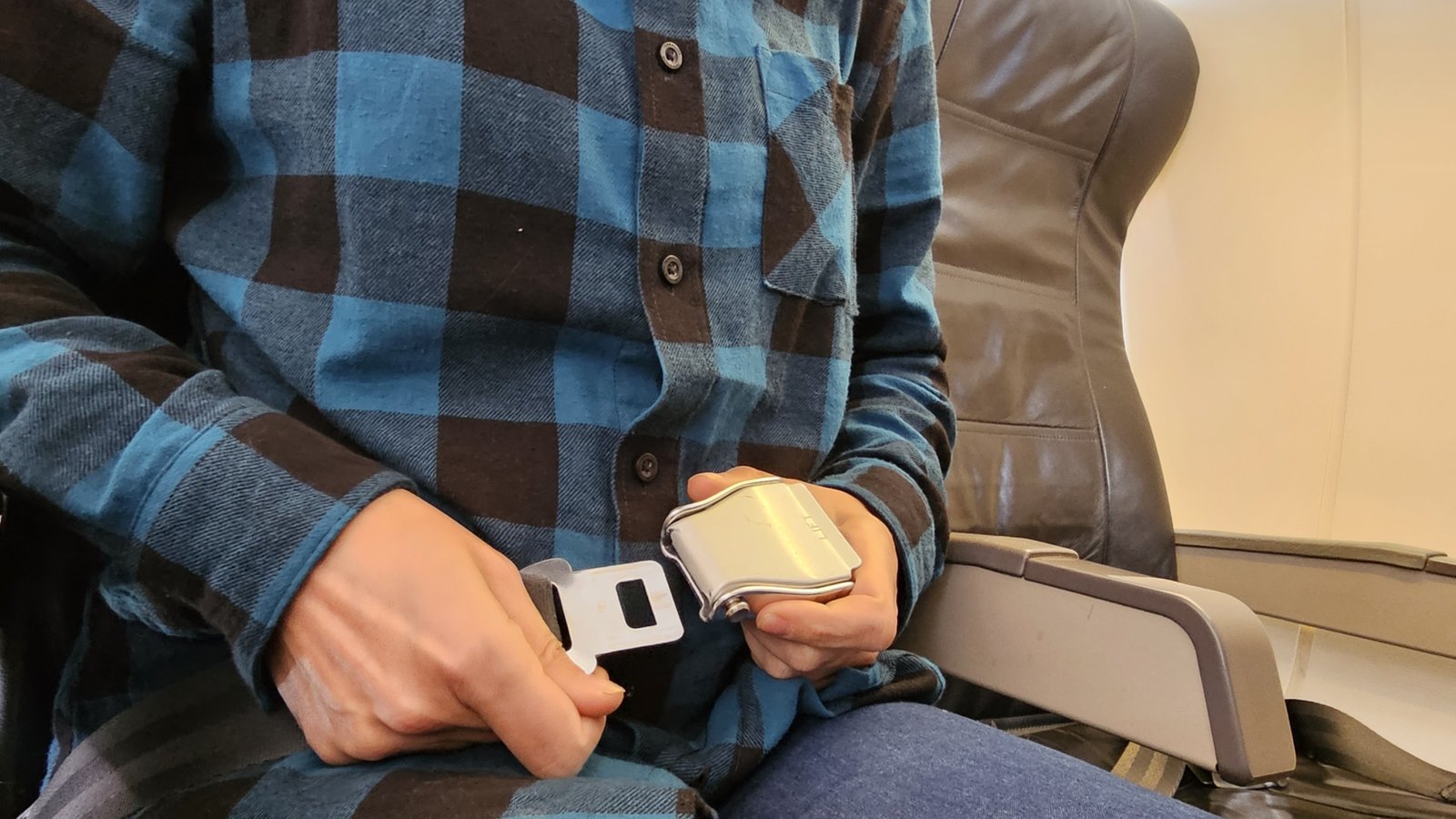
Effective May 2025, the Turkish Directorate General of Civil Aviation (DGCA) has mandated that passengers on commercial flights operating in Turkey, including those landing in the country, must remain seated with their seatbelts fastened until the aircraft has fully stopped at its parking position and the “fasten seatbelt” sign has been turned off.

The specific actions that can lead to a fine include:

  • Unbuckling your seatbelt.
  • Entering an aisle.
  • Opening overhead compartments.

Why the New Regulation?

The DGCA states that the new measure is a direct response to a rise in passenger complaints and flight inspection findings. Many passengers have been observed standing up prematurely before the aircraft reaches its final parking spot, leading to:

  • Safety Concerns: Risk of injury due to sudden braking or unexpected movements of the aircraft. This can affect both passengers and cabin crew.
  • Baggage Safety: Potential for items to fall from overhead compartments, injuring passengers or damaging property.
  • Disruption to Disembarkation: Impeding the smooth flow of passengers and causing delays for those with priority or connecting flights.
  • Unruly Behavior: A general disregard for safety protocols and instructions from the cabin crew.

How Much is the Fine?

While the official DGCA circular doesn’t specify an exact amount, Turkish media outlets widely report that violators could face fines of up to 2,603 Turkish Lira (approximately $70 USD or €62). This amount is equivalent to a significant sum for many travelers and is intended to act as a serious deterrent.

How Will it Be Enforced?

Airlines operating in Turkey are now required to update their in-flight announcements to clearly warn passengers about the new regulation. Cabin crew will be responsible for documenting any violations. If a passenger is observed unbuckling or standing prematurely, their details will be recorded in a “Disruptive Passenger Report” and submitted to the DGCA, which will then process the fine.

Turkish Airlines has already confirmed it has updated its pre-landing announcements to reflect this new rule, ensuring passengers are fully aware of the consequences.

Is This Unique to Turkey?

While most aviation authorities worldwide (like the FAA in the US, EASA in Europe, and the UK CAA) require passengers to keep their seatbelts fastened during taxiing, takeoff, and landing, and allow for penalties for unruly or non-compliant behavior, Turkey’s approach is notably direct.

In many other countries, simply unbuckling a seatbelt before a full stop might fall under general “failure to obey crew instructions” or “disruptive passenger” rules, with fines typically applied in conjunction with more severe infractions. Turkey, however, has introduced a specific financial penalty for this particular action, making its stance quite distinct.

What Does This Mean for Travelers?

For anyone flying to or within Turkey, the message is clear: stay seated and buckled until the seatbelt sign is off and the aircraft has completely stopped. This new regulation emphasizes the importance of passenger safety and adherence to crew instructions. By following this simple rule, you can ensure a smoother disembarkation process and avoid an unexpected fine during your travels to or from Turkey.

June 2, 2025 0 comments
0 FacebookTwitterPinterestEmail
10 Common Reasons Airlines Deny Boarding
Budget TravelFamily TravelLuxury TravelSolo TravelTravel Tips

10 Common Reasons Airlines Deny Boarding

by Travel Geek May 17, 2025
written by Travel Geek

Imagine this: your bags are packed, your passport is in hand, and you’re ready for that much-needed getaway. You arrive at the airport, breeze through security, and head to the gate, only to be told you won’t be boarding your flight. It’s a frustrating scenario that’s becoming increasingly common in 2025. Airlines are denying boarding to more travelers than ever before, and the reasons might surprise you.

To help you avoid this travel nightmare, here are ten common reasons airlines might deny you boarding, along with essential tips on how to steer clear of these pitfalls.

The Top 10 Reasons for Denied Boarding

 1. Damaged Passport

That seemingly minor tear, water stain, or loose corner on your passport could be a one-way ticket to being denied boarding. Many countries now have strict rules about passport condition, and airlines are following suit. Why? Because if they fly you to a destination and you’re denied entry due to your passport’s condition, the airline is responsible for flying you back. Even a faded photo can be an issue.

  • How to Avoid: Inspect your passport carefully before every trip. If it shows any signs of damage, no matter how small, consider getting a replacement well in advance of your travel date.

2. Minimum Passport Validity

Thinking a few months left on your passport is enough? Think again. A growing number of countries require your passport to be valid for at least six months after your arrival date. This rule protects immigration systems and prevents overstays. Airlines also want to avoid the cost and fines associated with flying you back home if you don’t meet this requirement.

  • How to Avoid: Check your passport’s expiration date and the validity requirements of your destination country well before booking your trip. Renew your passport if it’s within nine months of expiring to be safe.

3. Wrong or Missing Name on Ticket

A simple typo or using a nickname can cause significant problems at the airport. Airlines and security are becoming increasingly strict about name mismatches between your ticket and your identification. What used to be a minor issue can now lead to denied boarding. For example, if your ID says “Jonathan” and your ticket says “John,” you could be stopped.

  • How to Avoid: Always book your flight using the exact name that appears on your official travel identification. Double-check your booking confirmation for any errors immediately after purchasing your ticket.

4. Missing or Invalid Visa

Excited about your international adventure but forgot to check visa requirements? This is a common oversight that can lead to denied boarding. Visa rules are complex and vary greatly depending on your nationality and destination. If you don’t have the required visa, or if it’s expired, the airline can refuse to board you.

  • How to Avoid: Research the visa requirements for your destination country before you book your international travel. Consult the official embassy or immigration website of your destination, as requirements can change.

5. Disruptive Behavior

Beyond just being intoxicated, any behavior that an airline considers disruptive or unsafe can lead to being denied boarding. Airlines have the right to refuse service to passengers who pose a risk to the safety and comfort of other passengers and crew.

  • How to Avoid: Be mindful of your behavior at the airport and on the aircraft. Travel with respect for those around you and adhere to airline policies.

6. Security Concerns

Airlines and airport security prioritize safety above all else. If your behavior or appearance raises security concerns, even if unintentional, you may be denied boarding. Security personnel are trained to identify potential risks, and while it can be frustrating, these measures are in place for everyone’s protection.

  • How to Avoid: Cooperate fully with all security procedures and personnel. Be prepared for additional screening if required.

7. Refusal to Follow Crew Instructions

Airlines are becoming increasingly less tolerant of passengers who do not follow instructions from crew members. Once you are at the gate or on the plane, it is essential to comply with all instructions, even if they seem minor. These instructions are in place to ensure the safety and order of the flight.

  • How to Avoid: Listen carefully to all announcements and instructions from airline staff and flight crew and follow them promptly.

8. Visa on Arrival Details

While convenient, visa on arrival programs often have specific requirements that airlines may require you to prove before boarding. This could include showing passport photos, proof of accommodation, evidence of onward travel, or even pre-registering online. If you cannot provide these documents, the airline might deny you boarding.

  • How to Avoid: Research the specific requirements for visa on arrival destinations well in advance of your trip. Don’t assume that just because a visa is available on arrival that there are no prerequisites.

9. Appearing Unwell

Airlines have a responsibility to protect the well-being of everyone on board. If you appear to be too sick to fly, you might be denied boarding. This is to prevent the spread of contagious illnesses and ensure you don’t require medical assistance during the flight.

  • How to Avoid: If you are feeling unwell before your flight, consider consulting a doctor and potentially rescheduling your travel to avoid issues at the airport and protect other passengers.

10. Social Media Activity

This might seem surprising, but in some cases, airlines or border officials may review a passenger’s social media activity. If they find content that raises concerns about security risks or suggests you intend to violate travel regulations, you could be denied boarding.

  • How to Avoid: Be mindful of what you post online, especially when it comes to your travel plans or anything that could be misinterpreted as a security threat or intent to break rules.


Being denied boarding is a frustrating experience that can easily derail your travel plans. By being aware of these common reasons and taking the necessary precautions, you can significantly reduce your risk and ensure a smooth start to your journey. 

May 17, 2025 0 comments
0 FacebookTwitterPinterestEmail
20 Beautiful, Less-Visited Countries Worth Discovering
Budget TravelFamily TravelLuxury TravelSolo TravelSustainable TravelTravel Tips

20 Beautiful, Less-Visited Countries Worth Discovering

by Travel Geek May 13, 2025
written by Travel Geek

Tired of crowded tourist spots and long lines? There are amazing places on Earth, rich in beauty and culture, that see very few visitors. These destinations offer unique experiences away from the usual hustle. Let’s explore 20 of the least visited countries that might deserve a place on your travel list.

20. Mongolia

mongolia

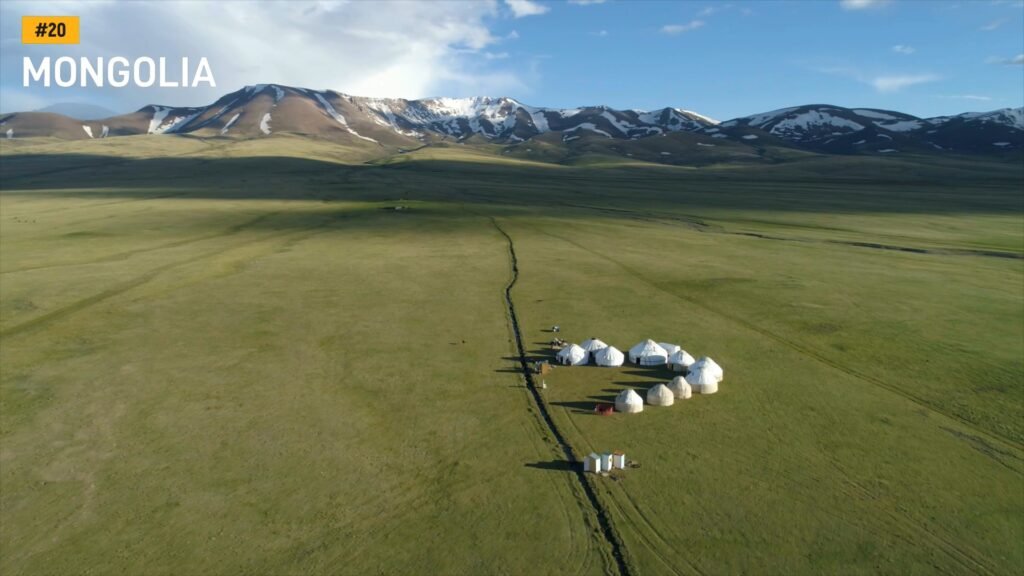
With only about 301,000 visitors, Mongolia is a vast land where time seems to move slower. Imagine wide-open steppes, striking deserts like the Gobi, and tall mountains. You can experience nomadic life by staying in traditional gers (yurts) and riding horses. The Gobi Desert is famous for its Bactrian camels and the Flaming Cliffs, where dinosaur fossils have been found. Key attractions include the Gandantegchinlen Monastery in the capital, Ulaanbaatar, the ancient capital Karakorum with the Erdene Zuu Monastery, and beautiful national parks like Gorkhi-Terelj and Altai Tavan Bogd. For a unique cultural experience, visit during the Naadam Festival in July to see traditional wrestling, horse racing, and archery.

19. Guyana

guyana

Guyana, often called South America’s secret jungle escape, is seeing more visitors as flights to its capital, Georgetown, increase. This nation stands out with its Caribbean-influenced culture and colonial architecture. Its main draw is its stunning nature. Highlights include the incredible Kaieteur Falls, the world’s tallest single-drop waterfall, and deep Amazonian rainforests. These forests are home to rare wildlife, such as the vibrant Guianan cock-of-the-rock. Guyana offers a mix of cultural experiences and wild, natural beauty.

18. French Polynesia

french polynesia

Receiving just 261,000 visitors, French Polynesia is more than just Bora Bora. Think clear lagoons and unique Polynesian culture. Islands like Mo’orea, Taha’a, and Rangiroa offer similar beauty with fewer crowds. You can dive with manta rays, explore lush volcanic mountains, hike to waterfalls, or relax on white-sand beaches. Enjoying traditional Tahitian dances by firelight is another memorable experience. Activities like snorkeling, kayaking, and exploring ancient temples (marae) are popular.

17. Trinidad and Tobago

trinadad and tobago

This twin-island nation often gets overlooked compared to other Caribbean destinations. Trinidad, the larger island, is famous for hosting the Caribbean’s biggest Carnival celebration. Tobago offers a more relaxed pace with white-sand beaches, coral reefs, and the Main Ridge Forest Reserve, the oldest legally protected rainforest in the Western Hemisphere. It’s a place offering both vibrant energy and peaceful relaxation. Note that there has been a recent travel advisory due to crime, so checking current travel advice is recommended.

16. Dominica

dominica

Known as the ‘Nature Island’, Dominica attracts travelers looking for rugged nature instead of large resorts. It received 233,000 visitors. The island features unique sights like Boiling Lake, a flooded fumarole that’s the second-largest of its kind globally, volcanic peaks, and numerous waterfalls hidden in the rainforest. Hiking to Boiling Lake through the Valley of Desolation is a challenging but rewarding trek. Dominica also offers chances to swim with sperm whales offshore. It’s a destination prized for its raw, natural state.

15. Myanmar

myanmar

Despite receiving only 233,000 visitors, Myanmar offers visitors incredible sights. Key attractions include the ancient city of Bagan, home to thousands of temples and pagodas. Inle Lake provides a unique view of life on the water, with floating gardens and villages inhabited by the Intha people, known for their leg-rowing technique. You can explore ancient pagodas at Indein village near the lake. Other highlights include the U-Bein Bridge near Mandalay and observing traditional life, like lotus weaving. The country is rich in history and spiritual atmosphere. (Note: Check current travel advisories before planning a trip).

14. Saint Vincent and the Grenadines

saint vincent

This Caribbean nation, made up of 32 islands and cays (only nine inhabited), saw just 210,000 visitors. It’s known for quiet coves, harbors filled with yachts, and great island-hopping opportunities. Popular spots include the Tobago Cays Marine Park for snorkeling with turtles and exploring coral reefs. On the main island, Saint Vincent, you can hike the La Soufrière volcano (guide required), visit the historic Fort Charlotte for views, or stroll through the old St. Vincent Botanical Gardens. Bequia offers relaxed beaches and plantation tours, while Mustique is known as a private escape.

13. Moldova

moldova

Located between Romania and Ukraine, Moldova welcomed only 162,000 visitors. It’s a peaceful country known for its extensive vineyards and wineries, like Cricova and Mileștii Mici, which has one of the world’s largest wine cellars. Moldovan cuisine features traditional dishes often using walnuts. The capital, Chișinău, offers parks and museums. Visitors can enjoy wine tours, explore monasteries, and experience the country’s rustic charm. The annual National Wine Day celebrates its winemaking heritage.

12. Djibouti

djibouti

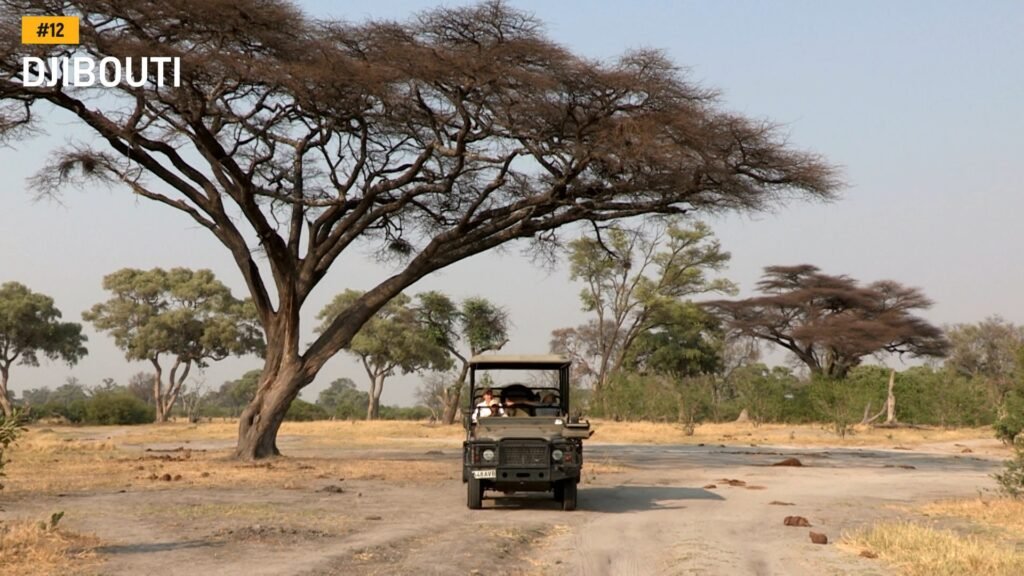
This small nation on the Horn of Africa received 145,000 visitors. Djibouti boasts diverse and striking landscapes, from the salt flats and lowest point in Africa at Lac Assal to the otherworldly limestone chimneys of Lac Abbé. Volcanic areas, hot springs, and rugged canyons add to its unique scenery. It’s a place that offers incredible photographic opportunities and a chance to see geological wonders often compared to lunar landscapes.

11. New Caledonia

new caledonia

Welcoming 139,000 visitors, this French territory in the South Pacific is surrounded by the world’s largest coral lagoon, a UNESCO World Heritage site. This marine ecosystem is vital to the indigenous Kanak people. Visitors can experience a blend of French influence and Kanak culture. Explore the capital, Nouméa, visit the Tjibaou Cultural Centre to learn about Kanak traditions, hike in Blue River Park, or enjoy water activities like snorkeling and diving in the lagoon. Respecting Kanak customs, like the ‘customary gesture’ (la Coutume) when visiting tribal areas, is important.

10. Angola

angola

With 130,000 visitors, Angola is a large West African nation offering dramatic contrasts. From the moon-like landscape of Miradouro da Lua near Luanda to the powerful Kalandula Falls (one of Africa’s largest by volume), the scenery is impressive. The country has a rich history tied to the Kingdom of Ndongo and its independence from Portugal in 1975. Explore national parks like Kissama, discover colonial architecture in cities, or relax on coastal beaches. Angola presents a mix of culture, history, and natural beauty still largely undiscovered by tourists.

9. Burkina Faso

burkina faso

Burkina Faso attracted 116,000 visitors and is known for its cultural depth. Key sites include the striking Grand Mosque of Bobo-Dioulasso, an excellent example of Sudano-Sahelian mud architecture, and the Loropéni Ruins, a UNESCO World Heritage site consisting of ancient stone walls. Bobo-Dioulasso, the country’s second city, is a cultural hub, especially for traditional music. Near Banfora, you can find the Karfiguéla waterfalls and the unusual rock formations of the Dômes de Fabedougou.

8. Cook Islands

cook islands

Receiving 121,000 visitors, the Cook Islands offer a classic South Pacific escape with turquoise lagoons and palm trees. A local rule states no building can be taller than a coconut tree. Located in the same time zone as Hawaii, these islands maintain strong ties to New Zealand but have their own unique Polynesian culture. Rarotonga is the main island with hiking trails and cultural villages. Aitutaki is famed for its stunning lagoon, ideal for snorkeling, kayaking, and boat tours. The islands pride themselves on a relaxed atmosphere – there are famously no traffic lights here.

7. Liechtenstein

liechtenstein

This tiny principality, nestled between Switzerland and Austria, welcomed 101,000 tourists. As one of only two doubly landlocked countries, Liechtenstein offers Alpine beauty on a small scale. Vaduz Castle, the Prince’s residence, overlooks the capital, Vaduz. While the castle isn’t open to the public, the country boasts numerous hiking trails through mountains and forests, like the Princes’ Way Hike or the Liechtenstein Trail connecting its villages. Gutenberg Castle in Balzers is another historic site. It’s a place full of mountain charm.

6. Papua New Guinea

papua new guinea

With only 69,000 visitors, Papua New Guinea (PNG) is one of the most culturally diverse places on Earth, home to over 800 distinct languages. It offers experiences like jungle trekking, observing unique tribal festivals, and world-class diving along its coastlines and islands. The famous Kokoda Track offers a challenging trek through rugged terrain significant in WWII history. Visitors can engage with diverse local cultures, explore volcanic landscapes, and discover remote natural beauty.

5. Vanuatu

vanuatu

Vanuatu, an archipelago of around 83 islands, saw 65,000 visitors. It’s a destination for adventure lovers. You can hike up to the rim of active volcanoes like Mount Yasur on Tanna, dive on famous WWII shipwrecks such as the SS President Coolidge off Espiritu Santo, or experience unique cultural traditions like the Naghol land diving on Pentecost Island. The islands offer lush rainforests, beautiful beaches, and vibrant coral reefs for snorkeling and diving. It’s a remote and welcoming place.

4. Samoa

samoa

Samoa, receiving 51,000 tourists, is known for its strong cultural pride and emphasis on Fa’a Samoa (the Samoan Way) – a lifestyle centered on family and respect. The islands offer stunning natural beauty, including lush rainforests, waterfalls like those in O Le Pupu-Pue National Park, and pristine beaches and lagoons. Visit the To Sua Ocean Trench, a unique swimming hole, or explore the lava fields on Savai’i. Samoa promotes a slower pace of life, inviting visitors to relax and connect with its rich Polynesian culture. Famously, Samoa shifted its time zone in 2011, skipping a full day to align better with Australia and New Zealand.

3. Tonga

tonga

The Kingdom of Tonga welcomed just 22,000 visitors. This Polynesian nation is one of the few places where you can swim with migrating humpback whales (from July to October). Comprising over 170 islands (many uninhabited), Tonga offers island hopping, diving, kayaking, and exploring ancient archaeological sites. Tongan culture is deeply rooted, and the country is unique in the region for never having lost its indigenous governance. It provides a chance to experience Polynesian traditions without large resort crowds.

2. Bhutan

bhutan

Located high in the Himalayas, Bhutan saw only 21,000 visitors. The kingdom is famous for its philosophy of Gross National Happiness (GNH), prioritizing well-being over economic growth. It’s the world’s only carbon-negative country, emphasizing sustainability and environmental protection. Visitors can explore ancient monasteries like the iconic Tiger’s Nest (Paro Taktsang), witness colorful festivals (Tshechus), and trek through stunning mountain landscapes. Bhutan offers a unique spiritual and cultural journey. (Note: Bhutan has specific tourism regulations, including a daily sustainable development fee).

1. Kiribati

kiribati

Topping the list as the least visited country is Kiribati, with just 2,000 visitors. This remote nation consists of 33 low-lying coral atolls spread across the central Pacific Ocean near the equator. Its islands, like Kiritimati (Christmas Island) and those in the Phoenix Islands Protected Area (a UNESCO World Heritage site), offer world-class fishing, diving, and birdwatching in pristine marine environments. Kiribati faces significant threats from climate change and rising sea levels, making a visit a poignant look at environmental vulnerability. Its remoteness and unique geography offer a truly off-the-grid experience.

These 20 countries show that incredible beauty, adventure, and authentic cultural experiences can be found far from the usual tourist trails. Exploring these less-visited corners of the globe can offer rewarding and unique travel memories.

May 13, 2025 0 comments
0 FacebookTwitterPinterestEmail
The Middle Seat Survival Guide
TransportationTravel Tips

The Middle Seat Survival Guide: Easy Comfort Tips

by Travel Geek May 8, 2025
written by Travel Geek

Let’s be honest, the middle seat isn’t most people’s first choice when flying. It can feel a bit cramped and less convenient than the window or aisle. But getting a middle seat doesn’t mean your flight is ruined! With some practical tips, you can significantly boost your comfort and have a much better travel experience.

The armrest situation is often a point of confusion. Here’s the simple rule: the middle seat passenger gets both armrests. It’s the common courtesy to give the person in the middle a little extra space since they don’t have a window to lean on or an aisle to stretch into easily. Getting your arms on those rests early is a good tactic.   

Making yourself comfortable in the seat is essential. Invest in a good neck pillow that supports your head, especially if you plan to sleep. A small cushion for your lower back can also ease discomfort on longer flights. These simple items are game-changers for middle seat comfort.    

Maximize your personal space by stowing your main carry-on bag in the overhead bin. This frees up valuable legroom under the seat in front of you. Keep important items in a smaller bag or a seat-back organizer that’s easy to reach without bending down.    

A well-packed comfort kit is your friend. Be sure to include noise-canceling headphones to block out unwanted sounds, an eye mask for sleeping, and essentials like hand sanitizer and lip balm. Bringing a reusable water bottle is also a great way to stay hydrated throughout the flight.    

Choose your outfit wisely. Wear comfortable, loose clothing that you can layer. This way, you can adjust to the cabin temperature easily. Slip-on shoes are convenient for taking off and putting back on during the flight.    

Bring your own water and snacks! This is a simple but effective way to stay comfortable and avoid having to ask neighbors to move every time you need something.    

When you need to get up to stretch or use the restroom, try to do it during a time that’s least likely to disturb your seatmates, like before the drink or meal service.    

If you want to try and avoid the middle seat, book your flights early and check in as soon as possible to pick your seat. But if you do get one, remember that being polite and considerate of your neighbors makes a big difference for everyone.

You can definitely make the middle seat more comfortable. By using these practical tips and focusing on what you can control, you can have a much more enjoyable flight. Wishing you comfortable journeys!

May 8, 2025 0 comments
0 FacebookTwitterPinterestEmail
How to Find Hidden Gems Using Google Maps
Budget TravelFamily TravelSolo TravelSustainable TravelTravel Tips

How to Find Hidden Gems Using Google Maps

by Travel Geek May 6, 2025
written by Travel Geek

In an era of mass tourism and homogenized travel experiences, the allure of the “hidden gem” has grown exponentially. These are not merely destinations but experiences – unique, less-trodden locations offering exceptional cultural, historical, natural, or recreational encounters, far from the usual tourist throngs. A hidden gem is a secret treasure on the world map, a place that offers a more genuine connection with local culture and unspoiled landscapes, an antidote to overtourism. They range from the ethereal landscapes of the Faroe Islands to the untold tales of Salina Island’s winding lanes in Italy, or the verdant vistas of Sapa, Vietnam. The defining characteristics often include authenticity, fewer crowds, and the opportunity for a more intimate and real experience, where visitors can connect with locals and the community.

The quest for these unconventional spots stems from a desire for discovery and adventure, a chance to establish deep cultural connections and engage with communities beyond a superficial level. Such exploration offers a break from “cookie-cutter vacations,” providing memories filled with unexpected encounters and breathtaking landscapes. However, the very nature of a hidden gem—being not widely known or recognized despite its exceptional quality —presents a paradox in our hyper-connected digital age. The tools that aid in their discovery, particularly Google Maps, can also contribute to their “un-hiding,” potentially diminishing the qualities that made them special. This report provides an expert guide to navigating this complex landscape, leveraging the full potential of Google Maps and complementary digital resources to unearth these treasures responsibly and effectively.

Understanding the “Hidden Gem” in the Digital Age

Defining the Undiscovered: Characteristics of a True Gem

A hidden gem destination transcends typical tourist locales by offering unique and less-visited experiences that are rich in cultural, historical, natural, or recreational value. These locations are distinguished by their authenticity and a notable absence of the over-commercialization and crowds that often plague popular attractions. Imagine the Faroe Islands, where one might feel like the sole observer at the world’s edge, or Salina Island in Italy, where each path whispers an untold story. Sapa in Vietnam, with its expansive green landscapes, offers another example of a place where the experience is deeply intertwined with the local environment and culture.

A key element is the capacity to provide a more authentic cultural experience, allowing visitors to connect with local communities in a meaningful way, rather than being just another face in a crowd. This might involve witnessing traditional customs, tasting local dishes prepared by local hands, or learning about daily life from the residents themselves. Furthermore, unspoiled natural beauty is often a hallmark, whether it’s a secluded beach, a charming village nestled in mountains, or a serene hiking trail far from mainstream guides. These places haven’t been overrun, allowing for a more intimate connection with both the culture and the landscape.

The Allure of the Unconventional: Why We Seek the Unseen

The pursuit of hidden gems is driven by a desire for experiences that go beyond the conventional tourist trail. It offers a sense of discovery and adventure that is increasingly rare in a world where information is readily available. Stumbling upon a secret garden or a rare collectible evokes a similar thrill—exciting and deeply satisfying. This “unexpected delight” enriches the travel experience, offering a chance to step away from predictable itineraries and embark on journeys filled with surprises and genuine connections.

Beyond the thrill, exploring hidden gems allows for deeper cultural connections. Visitors are not merely observers but can become participants, engaging with local traditions, celebrating with communities, and learning about unique crafts and arts. This type of tourism can also provide sustainable economic support to these communities, fostering a reciprocal relationship where travelers gain insight into local lives while contributing to their well-being and the preservation of cultural heritage. Ultimately, hidden gems promise an escape into the unknown, a deviation from mass-produced travel, and an opportunity to create unique memories rooted in authentic interactions and unspoiled environments.

The “Hidden Gem” Paradox in the Information Era: A Delicate Balance

The very concept of a “hidden gem” is inherently paradoxical in the digital age. By definition, these are places or experiences not widely known or written about in mainstream guidebooks. However, the digital tools that empower individuals to find these locations, such as Google Maps, social media, and travel blogs, also play a role in revealing them to a wider audience. This creates a delicate balance: the act of discovery and sharing can inadvertently lead to the very over-tourism and commercialization that hidden gems are an escape from.

The ease with which information can be disseminated online means that a once-secluded spot can quickly become popular, potentially diminishing its authentic charm and overwhelming local infrastructure or delicate ecosystems. Some critics argue that the term “hidden gem” is overused by bloggers and media, leading to the popularization and potential degradation of these special places. This underscores the responsibility that comes with discovery—a need to consider the impact of one’s visit and the way information is shared, to avoid loving these places to death.

Mastering Google Maps for Initial Reconnaissance

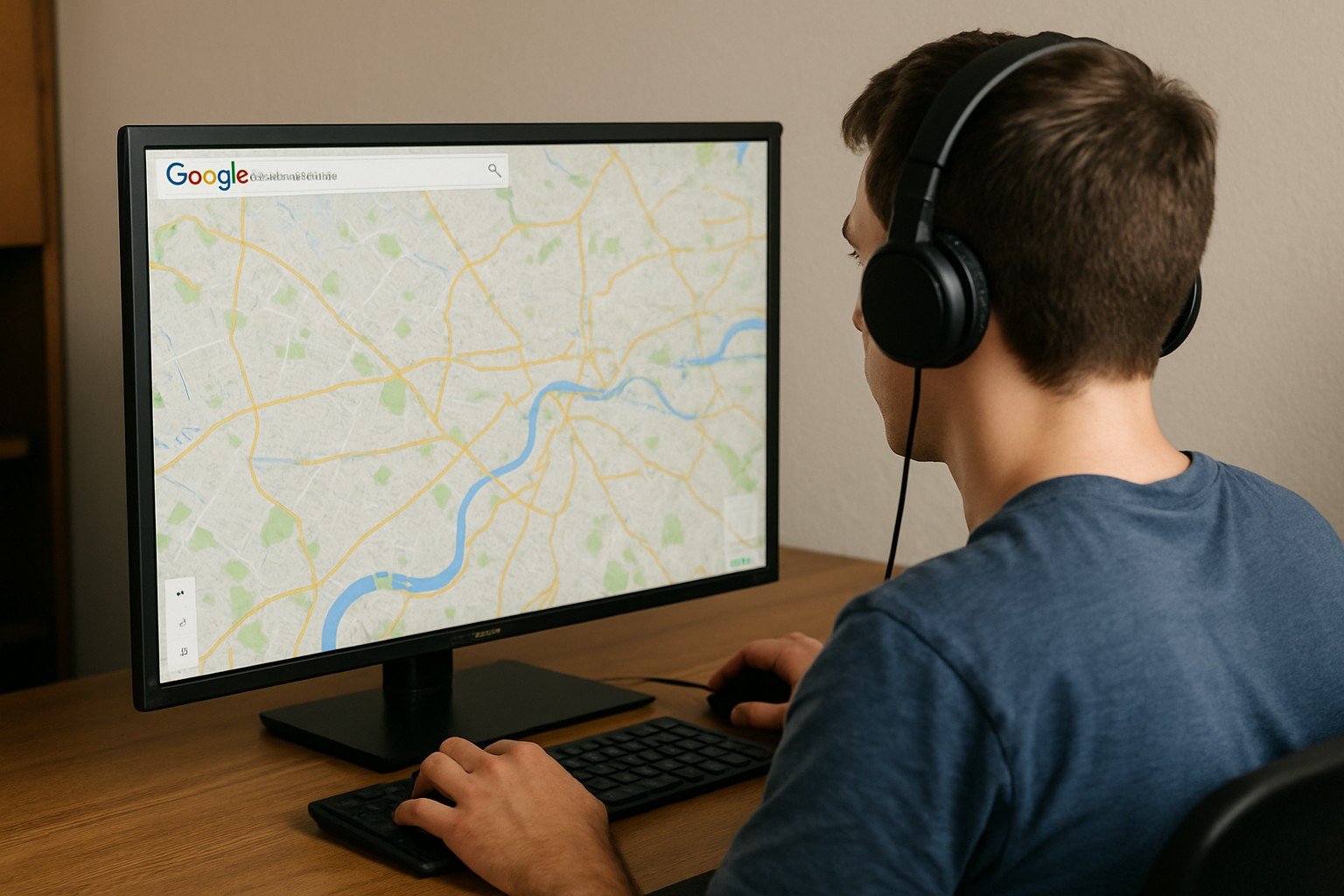
Google Maps serves as a foundational tool for the modern explorer. Its rich datasets, diverse functionalities, and user-generated content provide an unparalleled starting point for identifying potential hidden gems. However, effective use requires moving beyond simple address lookups and employing more nuanced strategies.

Strategic Searching: Beyond Basic Queries

To unearth less obvious locations, search queries within Google Maps must be precise and descriptive. Instead of generic terms, one should employ phrases that hint at the desired qualities of a hidden gem. For instance, searching for “unassuming cafes in [city name],” “quiet viewpoints near [specific landmark],” or “local artisan shops in [particular neighborhood]” can yield more targeted results. Google’s local search algorithms primarily consider relevance, distance, and prominence. While prominence might highlight well-known places, carefully chosen keywords can steer the algorithm towards results that better match the “hidden” criteria. The use of terms like “near” in conjunction with a point of interest (e.g., “bookstore near Central Park”) or leveraging the category buttons (which adapt based on transportation mode) can further refine the search. This strategic approach helps filter out the noise of mainstream attractions and focus on potentially overlooked establishments.

Leveraging the “Explore” Tab: Your AI-Powered Local Guide

The “Explore” tab in Google Maps functions as an AI-powered local guide, offering a dynamic way to discover nearby points of interest. Accessible typically from the bottom of the app’s home screen , it presents suggestions for restaurants, attractions, events, and more. The feature is structured into sections such as “Trending now,” which highlights currently popular spots; “For you,” which provides personalized recommendations based on user history and Google activity; and “Nearby,” which categorizes interesting places by type (e.g., food, shops, things to do).

Users can apply filters like “open now,” “top-rated,” or “cheap eats” to tailor their exploration. Significantly, Google is increasingly integrating generative AI into Maps, enabling the “Explore” feature to analyze detailed information about millions of places along with trusted insights from its vast community of contributors to make nuanced suggestions. For instance, a user could ask for “places with a vintage vibe in SF,” and the AI would analyze business information, photos, ratings, and reviews to provide relevant suggestions organized into helpful categories. This capability is particularly valuable for finding hidden gems, as it can surface places based on real-time insights and subtle user preferences that might not be apparent through standard searches, leading to discoveries beyond the obvious tourist destinations.

The Art of Digital Wandering: Satellite and Street View Exploration

Beyond keyword searches and curated suggestions, direct visual exploration of Google Maps offers a powerful method for serendipitous discovery. This “digital wandering” involves using Satellite View and Street View to scrutinize areas for tell-tale signs of hidden gems.

Satellite View allows for a bird’s-eye perspective, ideal for spotting unusual structures, secluded natural features, unpaved paths leading to unknown destinations, or subtle signs of human activity in remote areas. Visual cues to look for include overgrown vegetation or lack of maintenance (which might indicate abandoned sites, a niche type of hidden gem), unique geological formations, isolated buildings not appearing on standard maps, or patterns that seem out of place. For example, explorers have used satellite imagery to identify ancient geoglyphs like the Nazca Lines or the Badlands Guardian. Following natural or man-made corridors like rivers or old railway tracks can also lead to forgotten historical or commercial sites.

Street View, activated by dragging the “Pegman” icon onto the map, provides an immersive ground-level perspective. This allows for virtual “walks” down streets, alleys, and even some trails, revealing small, unassuming storefronts, local art installations, community gardens, or interesting architectural details that are not visible from a satellite image or a main road. Creative applications of Street View include scouting neighborhoods for their character, checking for parking or transit accessibility near a potential gem, or even reverse-looking up a destination when an exact address is unknown. A particularly useful feature is the ability to view historical Street View imagery (“See more dates”). This allows users to see how an area has changed over time, potentially uncovering gems that no longer exist or understanding the evolution of current ones. Furthermore, user-contributed -degree photos, often found in areas Google’s Street View cars haven’t reached or inside establishments, can offer unique perspectives and closer looks at potential hidden gems.

Organizing Your Discoveries: The Power of Lists and Saved Places

As potential hidden gems are identified through various Google Maps features, an organizational system becomes crucial. The platform’s “Save” feature and the ability to create custom lists are invaluable for this purpose. Users can bookmark locations and categorize them into lists such as “Want to Go,” “Potential Hidden Gems [City Name],” or thematic lists like “Authentic Local Eateries”.

A key practice is to add detailed notes to each saved place. These notes can include why the location was saved, the source of the recommendation (e.g., a specific blog or a friend’s tip), a particular dish to try at a restaurant, a unique feature to look for, or opening hours if they are unusual. This transforms Google Maps into a personalized discovery log and a powerful tool for itinerary planning. Creating these lists is straightforward: find a place, tap “Save,” and then choose an existing list or create a new one, often with the option to add a custom icon for easy visual identification on the map. For more extensive organization or backup, these lists can sometimes be exported using Google Takeout, which provides the data in a format that can then be converted into a spreadsheet. This systematic approach ensures that promising leads are not forgotten and can be easily revisited or integrated into future travel plans.

The Local Guides Program: A Community of Knowledge Sharers

Google’s Local Guides program represents a vast, global community of users who actively contribute reviews, photos, edits, and new place information to Google Maps. These contributions significantly enrich the platform’s data, inform millions of users worldwide, and help support small businesses by increasing their visibility. For the hidden gem hunter, the content generated by Local Guides can be a rich source of leads.

Identifying credible Local Guides is key. Seek out contributors who have attained higher levels in the program (indicated by points and badges), demonstrate consistency in the quality of their contributions, and often highlight local, niche, or unique spots rather than just mainstream tourist attractions. Their reviews and photos can offer genuine insights into lesser-known places. In some cities, Google has piloted a feature allowing users to follow select Local Guides, whose recommendations then surface more prominently within the app. By paying attention to the contributions of dedicated Local Guides, users can tap into a distributed network of on-the-ground explorers who may have already unearthed the kinds of authentic experiences being sought. The detailed narratives and candid photos shared by these individuals often provide the subtle clues that distinguish a true hidden gem.

Deep Dive Analysis: Triangulating Information for True Gems

While Google Maps provides a powerful foundation, the art of unearthing true hidden gems often lies in synthesizing information from a variety of sources and critically analyzing user-generated content. This multi-layered approach allows for a more nuanced understanding of a place’s character and authenticity.

Beyond the Map: Integrating External Resources

To move beyond the geographical data and basic reviews in Google Maps, integrating insights from external resources is crucial. Each platform offers a different lens through which to view a potential hidden gem:

  • Local Blogs: Searching for terms like “[destination] local travel blog” can uncover writers with intimate knowledge of their city. These blogs often feature personal narratives, detailed descriptions of atmosphere, and tips for spots not found in conventional guidebooks. They provide the “why” and “how it feels” that raw data might miss.
  • Atlas Obscura: This curated database is dedicated to “weird and wonderful” attractions globally. It’s an excellent source for truly offbeat and unique experiences, from quirky museums to obscure historical sites, that align perfectly with the hidden gem ethos.
  • Social Media Platforms:
    • Instagram: Useful for visual discovery. Searching “[destination] + travel” or specific hashtags (though their utility can vary) can reveal aesthetically interesting places. Following local photographers or travel accounts can also yield leads. The visual nature helps assess the “vibe.”
    • Pinterest: Functions as a visual search engine often linking to blog posts. Searches like “[destination] travel,” “places to eat [destination],” or “hidden gems [destination]” can collate numerous ideas.
    • Reddit: Destination-specific subreddits are goldmines for candid advice from locals and fellow travelers. Searching within these communities for terms like “hidden gems,” “local favorites,” or “secret spots” can yield unfiltered recommendations. Google’s search algorithms are increasingly recognizing the value of this user-generated content, with Reddit threads appearing more frequently in search results for “hidden gem” queries.
    • TikTok and YouTube: These video platforms offer dynamic portrayals of places. Searching “[destination] + travel,” “[destination] + hidden gem,” or specific food queries can provide visual tours and firsthand accounts that text or static photos cannot.
    • Local Facebook Groups: These can offer hyper-local, often real-time recommendations for events, new openings, or truly under-the-radar spots known only to residents.
  • Tourism Websites: While often focused on mainstream attractions, official tourism sites can be useful for identifying less-touristed regions or smaller towns within a larger area. These can then become the focus of more detailed Google Maps exploration.
  • OSINT (Open Source Intelligence) Mindset: Although  lists specific OSINT tools, the underlying mindset is highly relevant. Finding hidden gems is a form of open-source intelligence gathering—collecting information from publicly available sources and piecing together a coherent picture.

The true power emerges when these resources are used in conjunction. For example, an intriguing photo on Instagram might lead to a passionate blog review, which then prompts a verification of location, accessibility, and broader public sentiment via Google Maps reviews and Street View. This triangulation of information provides a much more robust and reliable assessment of a potential hidden gem than relying on any single source. It acknowledges that Google Maps is the foundational layer for geographic context and broad user feedback, while external sources add narrative depth, curated perspectives, and niche insights. This synthesis is key to distinguishing genuinely special places from those that are merely less advertised. One source even highlights an instance where Google Maps lacked information about a specific road to a gem, necessitating the use of a local map, underscoring the importance of diversifying information sources.

Reading Between the Lines (and Pixels): Advanced Analysis of User-Generated Content

User-generated content (UGC) on Google Maps—photos and reviews—is a treasure trove of information, but extracting the signals of a true hidden gem requires a discerning eye and an ability to interpret subtle cues.

Deciphering Photo Clues:

The visual information shared by users can speak volumes:

  • Authenticity vs. Artifice: Look for a prevalence of candid, unpolished photos taken by various users, rather than relying solely on professional, often staged, business-uploaded images. Multiple authentic perspectives suggest genuine visitor experiences.
  • Atmosphere and “Vibe”: Pay close attention to elements like lighting, decor, the type of crowd (or its absence), and the overall ambiance conveyed by the photos. Does the imagery suggest a cozy, bustling, artistic, rustic, or tranquil environment? Does this align with the “hidden gem” characteristics being sought? As noted, “Today’s customer is all about vibes”.
  • Indicators of Uniqueness: Do the photos highlight unusual features, unique products, local art, distinctive architecture, or breathtaking views not commonly found elsewhere?. Google’s AI itself analyzes photos to determine what makes a place interesting.
  • “Discover through photos” Feature: This Google Maps feature explicitly uses images to enhance search. When searching for specific items or experiences (e.g., “vintage shop,” “artisan coffee”), the photos pinned to map locations can reveal unique offerings that signify a hidden gem.
  • AI-Generated Photo Carousels and Summaries: Google’s evolving AI now creates photo carousels and review summaries for places. These should be scrutinized for visual or textual hints of uniqueness or local favor.

Unlocking Review Secrets: Identifying “Hidden Gem” Keywords and Sentiments:

The language used in reviews is rich with indicators:

  • Specific Keywords and Phrases: Beyond the obvious “hidden gem,” certain phrases are strong indicators. The table below provides a lexicon of such terms. The presence of these terms, especially when repeated by multiple independent reviewers, is a significant signal.
  • Sentiment Analysis:
    • Positive Indicators: Look for passionate, enthusiastic language; detailed accounts of positive experiences; mentions of friendly and engaging local staff or owners; descriptions of unique offerings or qualities; a stated desire to return; and explicit recommendations to friends.
    • Contrast with Negativity (for other places): Reviews that describe other nearby establishments as “too crowded,” a “tourist trap,” “overpriced,” or “inauthentic” can, by contrast, highlight the special nature of the place you are investigating.
  • Reviewer Profile Clues: As previously noted, the credibility of the reviewer matters. A Local Guide with a history of thoughtful reviews for unique, local spots lends more weight to their assessment of a place as a “hidden gem”.
  • Google’s “Gems List 💎”: Google Maps has introduced lists, including a “Gems list 💎,” which suggests the platform’s own algorithms are attempting to identify and categorize such noteworthy places.

The subtext of reviews and the candid nature of user-submitted photos often reveal more about a place’s “hidden gem” quality than its official description or even its overall star rating. Official business descriptions are marketing tools designed to appeal broadly. In contrast, user reviews and photos, ideally, offer more objective or at least genuinely personal perspectives. Learning to “read” this user-generated content—to discern authenticity, passion, and unique value from generic praise or marketing hype—is a critical skill for the modern explorer.

“Hidden Gem” Lexicon: Keywords and Phrases in Reviews

Keyword/Phrase

Potential Indication

Search Strategy within Reviews

“Local favorite”

Frequented by locals, not primarily for tourists

Use Maps’ review search; look for mentions in positive reviews

“Off the beaten path”

Not on main tourist routes, requires some effort to find

Check reviews mentioning travel to the location

“Authentic [cuisine/experience]”

Genuine, true to its origins, not diluted for tourists

Search for specific cultural or culinary terms

“Undiscovered”

Not widely known, feels like a personal find

Often used with superlatives (e.g., “undiscovered paradise”)

“Real [city/region] vibe”

Captures the true essence of the local culture/atmosphere

Look for comparisons to more touristy areas

“Not for tourists”

Implies an experience tailored to or preferred by locals

May appear in reviews contrasting it with tourist traps

“Quiet escape”

Offers tranquility, away from crowds and noise

Search for terms like “peaceful,” “relaxing”

“Worth the search/effort”

May be hard to find but the experience justifies it

Indicates a rewarding experience despite potential inconvenience

“Unassuming” / “Modest”

Simple exterior or setup, but high quality offering

Often paired with surprise at the quality found

“Hole-in-the-wall”

Small, often unpretentious, but with excellent food/character

Common for eateries; look for mentions of size and quality

“Insider tip”

Feels like a secret shared by those in the know

May be found in more detailed, narrative reviews

“Secret spot”

Implies exclusivity or being known to a select few

Often used for natural attractions or unique viewpoints

“Friendly owner/staff”

Indicates personal touch, good service, local connection

Look for mentions of specific interactions with personnel

“Unique offering”

Provides something not easily found elsewhere

Search for terms describing specific unusual products or services

“Best kept secret”

Similar to “secret spot,” emphasizes its hidden nature

Often used with a tone of reluctance to share widely


The “Explore Along Your Route” Feature: A Goldmine for Road Trip Discoveries

For travelers undertaking road trips, Google Maps offers a particularly useful feature called “Explore along your route”. When a user is navigating to a destination, this tool can proactively suggest interesting local stops, such as restaurants, points of interest, or scenic views, that lie along or near the planned drive. To utilize it, after entering a destination and tapping “Directions,” the user can select “Add stops” (or a similar option, as UI may vary). The map will then display pins for potential locations, or users can swipe up from the bottom of the screen to see categorized suggestions.

This feature is a boon for discovering hidden gems during transit for several reasons:

  • Facilitates Serendipity: It surfaces places that the traveler might not have actively searched for, making it ideal for spontaneous discoveries. The tool aims to find these gems “without you having to go dig for them on your own”.
  • Contextual Relevance: The suggestions are directly relevant to the user’s path, making them practical and easy to incorporate into the journey without significant detours.
  • Focus on Local Favorites: The feature is designed to identify “local favorites” , which often share characteristics with hidden gems—authenticity, local patronage, and unique charm.

In essence, “Explore along your route” automates some of the “digital wandering” process by proactively suggesting points of interest. This is especially valuable for long drives where manually researching every potential stop in small towns or rural areas would be prohibitively time-consuming. It allows travelers to inject spontaneity and local flavor into their journeys with minimal pre-planning for each intermediary stop, potentially leading to the discovery of charming local diners, unexpected viewpoints, or small, unique attractions that would otherwise be missed.

The Responsible Explorer: Navigating Hidden Gems with Awareness and Respect

The pursuit of hidden gems, while rewarding, carries with it inherent responsibilities. The act of discovery, especially when amplified by digital tools, can have profound impacts on the places and communities encountered. A conscientious approach is therefore paramount.

The Ethics of Discovery: Overtourism and Protecting Local Sanctuaries

The “hidden gem” paradox highlights a core ethical challenge: the very act of discovering and popularizing a previously unknown or little-visited spot can diminish the unique qualities that made it attractive in the first place. Increased visitor numbers, often a consequence of online exposure, can lead to overtourism, negatively affecting local habitats, communities, and the authentic experience that drew explorers initially. Some bloggers and online personalities have faced criticism for overusing the “hidden gem” label or for revealing sensitive locations that subsequently become overrun and damaged.

This is particularly concerning for vulnerable communities or delicate natural environments that may not be equipped to handle a sudden influx of tourists. Tourists, in their quest for the “undiscovered,” might inadvertently enter areas that prefer to remain somewhat “hidden” or where local resources are strained. There’s also a critique of a potentially “colonialist” mindset, where the focus is on “being the first” to “discover” a place, often disregarding the fact that these locations are already known and cherished by local populations to whom they are not hidden at all.

Conversely, responsible exploration can be beneficial. Many true hidden gems prioritize sustainable tourism practices, and respectful visitation can provide vital economic support to these communities, helping to preserve their cultural and natural heritage. The discoverer, therefore, plays a role in the future of that place. It is not merely about personal gain but involves a consideration of the carrying capacity of the location, the desires of the local community, and the long-term preservation of its unique character. The pursuit of hidden gems should be guided by a desire for genuine connection and mutual respect, rather than mere acquisition of an “off-the-beaten-path” experience.

Safety First: Practical Tips for Venturing Off the Beaten Path

Exploring hidden gems often means venturing into areas that are less frequented, less developed, and potentially less secure than mainstream tourist destinations. Consequently, personal safety becomes a more active and critical concern. While well-trodden paths usually have established safety infrastructure, information, and a degree of oversight, off-the-beaten-path locations may lack these, increasing potential risks such as poorly maintained trails, areas with higher crime rates, or a lack of readily available emergency services. The explorer must therefore take greater personal responsibility for their safety through proactive research and cautious behavior. Key safety practices include :

  • Thorough Research: Before embarking, learn about local customs, cultural norms, potential environmental hazards (wildlife, terrain, weather), and any specific safety concerns or advisories for the area.
  • Blend In: Dress modestly and appropriately for the local culture. Avoid displaying flashy jewelry or expensive gadgets that might attract unwanted attention.
  • Stay Connected: Share your detailed itinerary with friends or family and establish regular check-in times. Ensure your phone is charged and consider carrying a portable power bank.
  • Trust Your Instincts and Stay Aware: Be mindful of your surroundings at all times. If a situation or place feels unsafe, leave.
  • Secure Accommodations: If staying overnight, choose reputable hotels, guesthouses, or homestays with positive reviews. Prioritize places with secure locks, well-lit entrances, and readily available emergency contact information.
  • Travel Light: Pack only essentials and leave unnecessary valuables at home or secured in your primary accommodation. This makes you less of a target and more mobile.
  • Learn Basic Phrases: Knowing a few basic phrases in the local language can be invaluable for simple interactions, asking for help, and showing respect, which can contribute to safer and more positive encounters.
  • Check Local News and Advisories: Stay updated on any local news, weather warnings, or safety advisories, especially regarding any potential risks in the specific areas you plan to visit.

Sharing Wisely: Balancing Enthusiasm with Preservation

The joy of discovering a hidden gem often comes with an enthusiastic urge to share it with others. However, as discussed, unfettered sharing, especially on public digital platforms, can lead to the very consequences—overtourism, cultural dilution, environmental strain—that diminish the gem’s value. This presents a dilemma: how to share the excitement of discovery without contributing to the potential ruin of the discovered place.

There is no single answer, but a thoughtful, nuanced approach to sharing is essential:

  • Consider Your Audience: Sharing a discovery with a few like-minded, respectful friends is vastly different from broadcasting precise coordinates in a public blog post, a viral social media update, or a widely indexed online forum.
  • Consider What to Share: Instead of pinpointing exact locations of very fragile or sensitive spots (e.g., a delicate ecosystem, a very small family-run eatery unprepared for crowds), perhaps share the type of experience, the general region, or the lessons learned from the discovery.
  • Consider How to Share: If sharing publicly, accompany the information with clear notes on responsible visitation. This includes emphasizing respect for local culture and customs, adherence to “Leave No Trace” principles (especially for natural areas), and encouragement to support local businesses and artisans authentically.
  • Amplify Local Voices: Where possible, highlight and promote the perspectives of local people or community-led tourism initiatives rather than solely focusing on your own narrative of “discovery.”
  • “Leave No Trace” Principles: For natural hidden gems, explicitly promote these principles: plan ahead and prepare, travel and camp on durable surfaces, dispose of waste properly, leave what you find, minimize campfire impacts, respect wildlife, and be considerate of other visitors.

The decision to share, and how to do so, requires a conscious balancing act between personal enthusiasm and a commitment to the preservation of the place and the well-being of its community.

Charting Your Own Course: Becoming a Hidden Gem Hunter

The journey to becoming a proficient hidden gem hunter is one of continuous learning, developing a keen observational eye, and embracing a mindset of curiosity and respect. It involves mastering digital tools while also understanding their limitations and ethical implications.

Recap of Key Strategies

Successfully unearthing hidden gems using Google Maps and associated digital resources hinges on a multi-faceted approach:

  • Strategic Google Maps Utilization: This includes employing precise search queries, effectively leveraging the “Explore” tab and its AI-driven suggestions, meticulously analyzing Satellite and Street View imagery for subtle clues and diligently organizing discoveries using lists and notes.
  • Integration of External Resources: Cross-referencing findings from Google Maps with insights from local blogs, specialized databases like Atlas Obscura, and diverse social media platforms (Instagram, Pinterest, Reddit, TikTok, YouTube, Facebook groups) is crucial for building a comprehensive understanding.
  • Advanced Analysis of User-Generated Content: Developing the ability to “read between the lines” of reviews by identifying specific keywords and sentiments and critically assessing the authenticity and implications of user-submitted photos, is key to distinguishing true gems.
  • Responsible and Safe Exploration: Prioritizing personal safety through thorough research and cautious behaviour and approaching discoveries with an ethical awareness of potential impacts on local communities and environments, are non-negotiable aspects of the process.

Cultivating the Explorer’s Mindset

Beyond technical skills, finding hidden gems is fostered by a particular mindset:

  • Curiosity: A genuine and persistent interest in the world, both near and far, fuels the desire to look beyond the obvious.
  • Patience and Persistence: True hidden gems are, by their nature, not always easy to find. The search requires dedication, as not every lead will result in a significant discovery.
  • Openness to Serendipity: While planning is important, some of the most rewarding discoveries are accidental. Allowing for unplanned adventures, detours, and chance encounters can lead to unexpected treasures.
  • Keen Observation Skills: Developing an eye for detail—noticing the unusual, the out-of-place, or the subtly significant—is vital both when navigating digital maps and when exploring in the real world.
  • Continuous Learning: The digital landscape is constantly evolving. New tools, platforms, and features emerge regularly. Staying updated on how these can be used for discovery enhances one’s capabilities as an explorer.

Final Encouragement: The World Awaits Your Discovery

The world is replete with undiscovered corners and unique experiences, waiting for those willing to look a little closer and dig a little deeper. Armed with the strategies and awareness outlined in this report, individuals are well-equipped to move beyond the conventional and chart their own courses of discovery. Hidden gems are not confined to remote, exotic landscapes; they can be found in overlooked neighborhoods of one’s own city, down unassuming country roads, or in the stories of local artisans. The true reward lies not just in finding these places, but in the authentic connections and enriched perspectives gained along the way. Embrace the journey with curiosity, respect, and an open heart—the world indeed awaits your discovery.

Conclusion: The Evolving Art of Digital Exploration

Google Maps has undeniably revolutionized how individuals navigate and perceive the world, serving as an extraordinarily powerful initial tool in the quest for hidden gems. Its comprehensive mapping data, satellite and street-level imagery, and vast repository of user-generated content offer an unparalleled starting point for any would-be explorer. However, as this analysis has demonstrated, unearthing truly unique and authentic local spots—the genuine hidden gems—requires a more sophisticated engagement with the platform and a broader digital literacy.

Mastery in this domain involves moving beyond basic searches to employ strategic querying, leveraging AI-driven features like the “Explore” tab and “Explore along your route,” and conducting meticulous visual reconnaissance using Satellite and Street View. Crucially, it demands the critical analysis of user-generated photos and reviews, deciphering subtle linguistic and visual cues that hint at a place’s authentic character.

Yet, Google Maps alone is often insufficient. The most effective hidden gem hunters are those who triangulate information, cross-referencing potential leads from Maps with the rich narratives of local blogs, the curated oddities of platforms like Atlas Obscura, and the diverse, often candid, perspectives found on social media channels such as Reddit, Instagram, and specialized forums. This synthesis of data from disparate sources allows for a more holistic and reliable assessment.

Furthermore, the pursuit of hidden gems is not merely a technical exercise but an ethical one. The responsible explorer acknowledges the paradox of discovery—that revealing a gem can alter its nature—and navigates this with sensitivity. This includes prioritizing personal safety when venturing off the beaten path, respecting local cultures and environments, and making conscious decisions about how, when, and with whom discoveries are shared to mitigate negative impacts like overtourism.

Actionable Recommendations for the Aspiring Hidden Gem Hunter:

  1. Develop a Multi-Layered Research Approach: Do not rely solely on Google Maps. Cultivate proficiency in using a diverse array of online resources—blogs, forums, social media, niche travel sites—to gather a wider range of perspectives and information.
  2. Hone Analytical Skills for User-Generated Content: Learn to critically evaluate the language of reviews for keywords and sentiments indicative of authenticity and local favor. Scrutinize photos for genuine atmosphere and unique details rather than just polished presentations.
  3. Embrace Digital Wandering with Purpose: Utilize Google Maps’ Satellite and Street View not just for navigation, but as tools for active visual exploration, looking for anomalies, un-marked paths, and subtle signs of interesting, lesser-known locations.
  4. Prioritize Safety and Ethical Considerations: Always conduct thorough safety research before exploring less-trafficked areas. Be acutely aware of the potential impact your visit and any subsequent sharing might have on the local community and environment.
  5. Cultivate the Explorer’s Mindset: Approach the search with curiosity, patience, an openness to serendipity, and a commitment to continuous learning as digital tools and information landscapes evolve.

Ultimately, finding hidden gems is an art form that blends digital acumen with an adventurous spirit and a deep respect for the places and people encountered. By adopting these advanced strategies and maintaining a conscientious approach, explorers can continue to unearth the world’s unique treasures in a way that is both rewarding and responsible.


May 6, 2025 0 comments
0 FacebookTwitterPinterestEmail
Keep Your Passport Safe: Guide for Traveler
SafetyTravel Tips

Keep Your Passport Safe in 2025: Guide for Travelers

by Travel Geek May 4, 2025
written by Travel Geek

Traveling to another country is exciting. Your passport is the key to this adventure; it proves who you are and where you’re from. But losing it or having it stolen can turn your dream trip into a nightmare. It can cause big headaches, cost you money, and even put you at risk of someone stealing your identity.

This guide breaks down how to keep your passport safe when you travel, especially looking ahead to 2025. We’ll talk about the dangers, where you’re most at risk, how thieves operate, and simple steps you can take to protect yourself. If the worst happens, we’ll also cover what to do.

The Ongoing Problem of Passport Security

Passports are really important, and that’s why bad guys want them. When you lose your passport overseas, it’s not just a small problem. You might miss flights, have to pay for extra hotel nights, and the big worry is someone using your identity to commit crimes.

Even though we don’t have exact numbers for passport theft in 2025, looking at recent years tells us a lot. Hundreds of thousands of passports from countries like the United States, Canada, and the UK go missing each year. In Australia, the number of lost and stolen passports went up significantly recently as more people started traveling again after the pandemic. This tells us that as more of us travel, there might be more chances for theft.

Some places are worse than others. Big cities like Paris see thousands of US passports lost or stolen each year, often by pickpockets in tourist areas. For Australians, popular travel spots like the US and UK are where they often lose passports, while places like Italy and France are where they’re more likely to get stolen. Sadly, stolen passport information is valuable to criminals online, who can use it for identity theft. Because of these risks, more and more services are popping up to help travelers protect their identities.

So, even though we can’t say exactly what will happen in 2025, it looks like keeping your passport safe will continue to be a big deal for everyone traveling abroad.

Where Are You Most Likely to Lose Your Passport?

Thieves tend to hang out where there are lots of travelers who might be distracted or not know their way around. Knowing these risky places can help you be more careful.

  • Airports, Train Stations, and Bus Terminals: These busy places are prime spots for thieves. When you’re arriving or leaving, you might be tired or confused, making it easier for someone to pickpocket you or snatch your bag. Be extra careful on crowded trains and buses that go to popular tourist spots. Sometimes, thieves even grab bags just as the doors are closing. Leaving your passport in a seat pocket on a plane can also cause trouble later. Even your checked luggage isn’t completely safe.
  • Tourist Attractions and Crowded Streets: Museums, famous buildings, markets, and just generally crowded areas are hotspots. Tourists often look like tourists, and criminals might think they have more money and aren’t paying close attention. Flea markets can also be risky because of the crowds and easy ways for thieves to escape.
  • Hotels and Other Lodgings: You’re not completely safe even where you’re staying. Thefts can happen in hotel lobbies. While your room might seem private, sometimes staff or others can get in and steal things or even copy your documents. Even hotel safes aren’t always foolproof. Hostels, with shared spaces, have their own risks.
  • Restaurants, Bars, and Cafes: If you’re eating or drinking, especially outside, keep an eye on your bags. Thieves often target bags left on the back of chairs or under tables. Bars are also common places where people report losing or having their passports stolen.
  • Other Public Places: Be careful at beaches and pools where you might leave your things while swimming. Public restrooms can also be places for quick grab-and-run thefts. Even areas around public telephones have been known for pickpockets.

Many countries issue warnings about these kinds of places. For example, Costa Rica warns about passport theft during busy tourist times, often involving teams of thieves. Guatemala advises travelers about pickpockets in tourist spots and markets. France and the UK also warn about pickpocketing and passport theft in tourist areas and on public transport. It’s a common problem in many different parts of the world.

How Do Passport Thieves Operate?

To protect yourself, it helps to know how thieves work. They have different methods, from simple tricks to more planned attacks.

  • Pickpocketing: This is the classic move – quietly taking wallets, passports, or other valuables from your pockets or bags in crowded places. Tourists are often targets because they might have more cash and aren’t as aware of their surroundings.
  • Distraction: Often, thieves work together. One person will create a distraction – maybe ask for directions, spill something on you, start a fight, or just bump into you – while another person steals your stuff.
  • Snatching: This involves grabbing your purse, bag, phone, or backpack and running off quickly, sometimes on foot or on a motorcycle. Sometimes they even cut the straps of your bag first.
  • Theft from Unattended Items: Thieves will grab things you leave alone for even a moment. This could be your bag on a chair in a restaurant, your stuff on a seat on a train, or valuables left out in your hotel room.
  • Theft from Cars: Criminals might break into parked cars to steal luggage or anything valuable they can see.
  • RFID Skimming: This is a more modern threat. Some passports have chips that can be read wirelessly. Thieves can use special readers to steal the information on these chips without even touching your passport.
  • Hotel Room Entry: Sometimes, thieves can get into hotel rooms, maybe with help from someone on the inside. They might steal your passport or other documents, or even copy information from your electronics.
  • Scams: Thieves can also use tricks to get your information or money. They might pretend to be officials or create fake websites offering passport services. There are also scams designed to steal your credit card details.

Because thieves use so many different methods, you need to be aware of your surroundings and also protect yourself against specific threats like electronic skimming.

What Happens When Your Passport Is Lost or Stolen?

Losing your passport is more than just an inconvenience. It can lead to serious problems:

  • Identity Theft: This is the biggest long-term risk. Your passport has a lot of personal information that criminals can use to steal your identity. They can use it to open bank accounts, get credit cards, or create fake IDs. Stolen passport details are sold online. Reporting your passport as lost or stolen right away is important to cancel it and make it harder for criminals to use.
  • Financial Loss: You’ll have to pay fees to get emergency travel documents or a new passport. You might also miss flights, have to stay in hotels longer while you wait for new documents, and deal with costs related to identity theft.
  • Travel Disruption: Without a valid passport, you can’t travel internationally. Getting replacement documents takes time. You’ll likely have to visit an embassy during business hours, which can cause big delays and might even cut your trip short. Embassies usually can’t issue passports on weekends or holidays.
  • Potential for Use in Other Crimes: Stolen passports can be used by criminals and terrorists for illegal activities like crossing borders, human trafficking, or creating fake identities. International efforts are in place to try and catch these stolen passports.

Because of all these serious problems, it’s really important to do everything you can to protect your passport. It’s not just a travel paper; it’s a key piece of your identity.

How to Protect Your Passport: Smart Strategies

Given the risks, it’s important to have a few layers of security for your passport. This includes how you carry it, what you do at your hotel, having backup copies, and using technology wisely. Being aware of your surroundings is key to all of this.

While You’re Out and About: Secure Carrying and Awareness

How you carry your passport when you’re traveling or sightseeing makes a big difference.

  • Carry it Hidden: Money belts worn under your clothes, neck pouches tucked under your shirt, or similar hidden carriers are the safest way to keep your passport, important cards, and emergency cash. This makes it hard for pickpockets to get to them and keeps them out of sight.
  • Use Secure Bags: If you carry your passport in a bag, choose one with security features. Look for bags with zippers that lock, material that’s hard to cut, straps that can’t be easily slashed, compartments that block RFID signals, and straps you can attach to something fixed like a chair leg or wear across your body. In crowded places like subways, wearing a backpack on your chest can give you more control.
  • Use Hidden Pockets: Some travel clothes have hidden zippered pockets inside, which are another good place for valuables.
  • Don’t Use Easy-to-Reach Spots: Never carry your passport in your back trouser pocket, an open purse or tote bag, or an outside pocket of your backpack. These are easy targets for pickpockets.
  • Pay Attention to Your Surroundings: Always be aware of what’s going on around you, especially in risky areas like crowded tourist spots, public transport hubs, and markets. Watch out for anyone acting suspiciously or trying to distract you. Don’t show off expensive things that might attract attention.
  • Keep Your Bag Close: When you’re sitting in cafes, restaurants, or on transport, keep your bag in contact with you. Loop a strap around your arm or leg, or attach it to a chair leg. Never leave your bag alone, even for a second.
  • Only Take it When You Need It: Only carry your actual passport when you absolutely have to – like for crossing borders, checking in for flights, or registering at hotels. For things like proving your age at a bar, see if a photocopy or a digital copy on your phone will work. But always check if copies are acceptable locally.

At Your Hotel: Smart Security Practices

Security should also be a concern where you’re staying.

  • Use Hotel Safes Wisely: In-room safes are often recommended for storing your passport and other valuables when you’re not carrying them. However, remember that these safes aren’t perfect. Hotel staff might have access, and in some countries, even security services could. Think about how secure the hotel and the area seem. Another option is to lock your valuables in your own sturdy luggage with a good padlock. Portable travel safes that you can lock to furniture are also an idea.
  • Don’t Forget the Safe: It’s easy to leave things behind in the hotel safe when you check out. To help you remember, try putting one of your shoes in the safe with your passport (you probably won’t leave with only one shoe). You can also set multiple reminders on your phone for checkout day or make it a habit to do a final check of the room, including the safe, before you leave.
  • Make Your Room More Secure: When you’re in your room, use all the locks available. Engage deadbolts, privacy latches, or security chains. These often offer better protection against someone entering without permission (even with a key card or master key) than just the regular door lock. Be especially careful with connecting doors between rooms, as they might not be very secure. For extra security, especially in higher-risk areas, you could consider a portable door alarm or jammer.
  • Keep Things Out of Sight: Don’t leave your passport or other tempting valuables like cameras or electronics where they can be easily seen in your hotel room, even if you’re just stepping out for a moment. Put things away to avoid tempting hotel staff or anyone else who might get into your room.
  • Lock Your Luggage: Especially in shared places like hostels, use your own padlocks to lock the zippers on your backpacks and suitcases. Even in private hotel rooms, locking your luggage adds another layer of security if someone gets into your room or if you decide not to use the hotel safe.

No single security measure is foolproof. The best approach is to combine secure ways of carrying your passport when you’re out with careful use of hotel security (understanding its limits) and your own luggage locks. Simple habits, like the “shoe in the safe” trick, can help prevent common mistakes like forgetting things.

Have Backups: Physical and Digital Copies Are Key

Having copies of your passport and other important documents isn’t just a good idea; it’s essential for being prepared for problems.

  • Helps with Replacement: If your passport is lost or stolen, having copies of the main information page and any visas can make it much faster to get an emergency travel document or a new passport from your embassy or consulate. They often need proof of who you are and your citizenship, and copies can help with that.
  • Physical Copies: Make clear photocopies of your passport’s photo page, any visa pages, your driver’s license, credit cards (front and back), and your flight tickets. Importantly, keep these physical copies in a different place from your original documents. For example, keep your originals in a money belt and the copies locked in your main luggage at the hotel, or the other way around. You should also think about leaving a set of copies with someone you trust back home.
  • Digital Copies: Scan or take clear photos of the same important documents and store them safely in digital form. You can save them to a secure cloud storage service (with strong, unique passwords and two-factor authentication), email them to yourself using an encrypted email service, or store them on a password-protected and encrypted USB drive or your phone. Digital copies are great because you can access them from anywhere with internet, even if you lose all your physical belongings.
  • Keep Your Copies Safe: Both physical and digital copies need protection. Don’t just carry physical copies loosely where they can easily get lost or seen. Digital copies are also valuable to identity thieves, so make sure they are protected with strong, unique passwords and encryption. Avoid looking at sensitive digital files on public Wi-Fi or computers you don’t trust.
  • Copies for ID: In some less important situations, like showing ID at a bar or sometimes even if the police ask for ID, a copy of your passport might be acceptable instead of the real thing. This means you don’t have to carry your actual passport around as much, reducing the risk of losing it or having it stolen. However, always check local rules, as official things like crossing borders or checking into hotels will always require your original passport.

Having both physical and digital copies, stored securely and separately from your original passport, gives you important backup. While digital copies are easy to get to in an emergency, you need to be careful with their digital security. This two-pronged approach makes sure that even in a bad situation, you’ll likely have the information you need to start getting things back on track.

Tech Tools for Security: RFID Blockers and Trackers

Technology can also help you keep your passport safe, addressing some modern threats and helping you find things if they go missing.

  • RFID Blocking: Modern passports have RFID chips that store your picture and personal details. To protect against electronic pickpocketing, where thieves use readers to steal this information wirelessly, you can use RFID-blocking wallets, passport sleeves, or bags. These items have special materials that block radio signals, stopping anyone from scanning your passport chip without your knowledge. This directly protects against a specific type of electronic theft.
  • Tracking Devices: Small Bluetooth or GPS tracking devices, like Apple AirTags or similar products, can be attached to your passport, its holder, or the bag you carry it in. If you misplace it, you might be able to see its location using a smartphone app, which could help you find it. However, these devices have limits: they need battery power and to be near a network (for GPS or other people’s Bluetooth devices to detect them). Also, they won’t stop someone from stealing your passport in the first place. If you think your passport has been stolen, it’s important to contact the local police instead of trying to confront the thief yourself based on the tracker information.
  • The Rise of Digital Checks: More and more borders, airports, and other checkpoints are using passport readers for security and to speed things up. This trend makes protecting the digital information on your passport, like with RFID blocking, even more important.

While these tech tools can be helpful, they should be seen as extra layers of security, not replacements for basic precautions. RFID blockers only protect against one specific type of electronic theft, and trackers mainly help you find lost items, not prevent theft. Staying alert, carrying your passport securely, and being aware of your surroundings are still the most important things you can do. Technology can help support these practices by reducing some modern risks and potentially helping you recover lost items.

What to Do If Your Passport Is Lost or Stolen Abroad

Even if you take all the right steps, passports can still get lost or stolen. Knowing what to do right away can make the situation less stressful, cost you less money, and reduce security risks, while also helping you get the travel documents you need faster.

Immediate Action Plan

If you realize your passport is missing while you’re abroad, follow these steps:

  • Stay Calm and Think: Panicking won’t help. Take a moment to breathe and think carefully about where you’ve been. Check your pockets, bags, and hotel room (look under the bed, between cushions, and in drawers). If you think you might have left it somewhere like a hotel, restaurant, or on transport, call them.
  • Report to the Local Police: If you believe your passport was stolen, or if you can’t find it after looking everywhere, report it to the local police immediately. Get an official, written police report. You’ll likely need this report when you contact your embassy for replacement documents and for your travel insurance claim. Even if the police don’t want to give you a report for something just “lost,” make sure you document that you tried to report it.
  • Contact Your Embassy or Consulate: Get in touch with the nearest embassy or consulate of your home country as soon as possible. The staff there can guide you on how to get an emergency travel document or a new passport. If you need to travel soon, let them know your travel plans so they can try to help you quickly. Always use official government websites to find the correct contact information for embassies and consulates to avoid fake websites.
  • Officially Cancel Your Passport: This is really important to prevent identity theft. Report the loss or theft directly to the passport-issuing authority in your country through their official channels. This will cancel your passport in international systems. For example, US citizens can report it online, by phone, or by mail. UK citizens can report it online.
  • Notify Financial Institutions: If your credit cards, debit cards, or other financial documents were also lost or stolen, call the banks or companies that issued them right away to cancel your cards and stop any unauthorized use.
  • Get Support: If you have a travel assistance service, like Global Rescue, contact them for help. Let your hotel know what happened or ask for help from local tourist information offices; they might be able to help with language issues or contacting the authorities. Reach out to family or friends back home for support or if you need financial help.

Getting Emergency Travel Documents (ETDs)

If your passport is lost or stolen when you’re abroad, an ETD is often what you need to get home.

  • What They Are and What They Can Do: An ETD is a temporary document your embassy or consulate can give you to allow you to travel, usually back to your home country. Sometimes, if needed, it can help you travel to another destination. It’s not the same as a full passport. It’s usually only valid for your planned trip and for a limited time (for example, UK ETDs might let you travel through a maximum of 5 countries).
  • How to Apply: You’ll almost always need to go to the embassy or consulate in person to apply for an ETD. The exact things you need can vary slightly depending on your country, but usually include:
    • Completed application forms.
    • Recent passport-sized photos that meet the official rules.
    • Proof of who you are (like a driver’s license, national ID card, an old passport, or copies of your lost/stolen passport).
    • Proof of your citizenship (like a birth certificate, citizenship certificate, or a copy of your lost/stolen passport).
    • The police report about the loss or theft.
    • Details of your travel plans (flight bookings, etc.).
    • Payment of a fee (unless there’s a special emergency, like being a victim of a serious crime, where they might waive the fee).
  • How Long it Takes and When You Can Get One: While embassy staff will try to help travelers quickly, especially if they need to travel soon, getting an ETD takes time. They usually only issue them during their regular business hours (Monday to Friday). It can take a couple of working days after you apply to get the document. Getting one outside of these hours (on weekends or holidays) is usually only for life-or-death emergencies and isn’t guaranteed.
  • After You Travel: When you get back home using an ETD, the border officials might take the document from you. You’ll then need to apply for a new, full passport through the normal process in your country if you plan to travel internationally again. Some emergency passports issued by the US might be valid for longer (up to a year) but you might still need to exchange them for a full passport later.

Getting an ETD involves dealing with paperwork and rules in a stressful situation, often when you’re stuck in a foreign country. Having copies of your important documents and knowing what steps to take beforehand can make this difficult process much easier and faster. Keep in mind that embassies usually only operate during regular business hours, which can cause significant delays to your travel plans.

Understanding Your Travel Insurance for Passport Problems

Travel insurance can be a helpful financial safety net, but it’s important to know what it usually covers – and what it doesn’t – when it comes to lost or stolen passports.

  • What Might Be Covered: Policies can vary a lot, but some things they might cover include:
    • Cost of Emergency Documents: Paying back the reasonable costs you have to pay to get the necessary ETDs or replacement visas so you can get home.
    • Travel Delay: Covering some expenses (like extra hotel nights or meals) if your trip is delayed because you need to replace a lost or stolen passport.
    • Trip Interruption: Paying you back for parts of your trip that you prepaid and can’t get a refund for if you miss a big part of your trip (like 50% or more) because of the passport issue.
    • Trip Cancellation (Sometimes): Some policies might cover canceling your trip if your passport was stolen shortly before you were supposed to leave and you tried hard to replace it but couldn’t travel. They usually don’t cover canceling a trip just because you lost your passport before traveling.
  • What’s Usually Not Covered: Travelers should know what travel insurance generally doesn’t pay for:
    • Passport Value/Replacement Cost: The actual cost of getting a new, full passport or the “value” of the lost or stolen one itself. Passports and visas are often specifically excluded from coverage for lost or damaged luggage.
    • Cancellation Because You Don’t Have a Valid Passport: Claims for canceling a trip because you forgot your passport, let it expire, or lost it (not stolen) before traveling are usually denied.
    • Helping You Enter a Country Without Documents: Insurance can’t help you get into a country if you don’t have the required passport or visas.
  • What You Need to Make a Claim: To make a successful claim for a stolen passport, insurance companies almost always require a copy of the official police report that you filed right after it happened. You’ll also need receipts and other proof of any expenses you’re claiming (like the ETD fee or extra hotel nights).
  • The Bigger Picture of Insurance: While the research didn’t focus a lot on passport-related insurance claims in 2024, the problems that happen when you lose your passport (like travel delays or having to cut your trip short) can sometimes be covered under broader parts of your policy, like emergency medical or trip cancellation/delay. The travel insurance market is growing as more people travel and become aware of the risks, including the need for protection against unexpected events like losing your documents.

Travel insurance can be a helpful backup, but it mainly deals with the financial costs that come from losing or having your passport stolen – like the cost of emergency documents and delays – rather than replacing the passport itself. It’s important to read your policy carefully, understand the difference between losing and having your passport stolen for cancellation coverage, and make sure you meet all the requirements for a claim (especially getting a police report if it was stolen). However, the best way to deal with this is to prevent it from happening in the first place.

Stay Alert and Be Ready for Safe Travels

Losing or having your passport stolen is a real and ongoing risk for people traveling to other countries. This is because a passport is very valuable for identity theft, and there are many opportunities for thieves when more people are traveling around the world. While we can’t know exactly how many passports will be stolen in 2025, the recent rise in these incidents in some areas, along with the consistently high number of lost and stolen passports reported each year and the increasing sophistication of identity thieves, suggests that this will continue to be a serious concern for travelers.

The best way to protect yourself is to be prepared and take steps to prevent it from happening. Always be aware of your surroundings, especially in crowded places like transport hubs, tourist spots, and restaurants. Use secure ways to carry your passport, like money belts worn under your clothes or bags designed to prevent theft. Make smart use of security features where you’re staying, like hotel safes (but know their limits and use reminders), and use your own locks on your luggage. Also, it’s really important to have backup copies of your essential documents, both physical and digital, stored in separate, safe places.

Being ready for the worst is just as important. Know what to do immediately if your passport is lost or stolen – stay calm, report it to the local police and your embassy or consulate right away, and officially cancel your passport. Understanding how to get emergency travel documents can help you get back on track and minimize travel disruptions.

In the end, while you can’t completely stop the risk of passport theft, if you’re informed, alert, and prepared, you can greatly reduce your chances of becoming a victim. By consistently using good security habits and knowing how to react if something bad happens, you can travel internationally in 2025 and beyond with more confidence and safety.

May 4, 2025 0 comments
0 FacebookTwitterPinterestEmail
Emerging Travel Trends Shaping the 2025 Landscape
Budget TravelFamily TravelLuxury TravelSolo TravelTravel Tips

Emerging Travel Trends Shaping the 2025 Landscape

by Travel Geek April 28, 2025
written by Travel Geek

Travel is always changing, and 2025 looks like a year with some big shifts. New technology, what people care about most, and the effects of things like climate are shaping how and why we take trips. Here are three main ways travel is changing:

1. AI Doing More Than Just Planning

You might already use AI like ChatGPT to get travel ideas or help plan. But in 2025, AI is becoming more active. Think of it like a smart helper that can actually go online and search for flights and hotels, and even make the bookings for you. It can handle details without you having to click through lots of steps.

This is happening because AI technology is getting much better. Also, many travelers, especially younger people, are comfortable using AI for their trips. They want planning and booking to be easy and feel made just for them. These AI helpers can learn what you like – maybe you always fly a certain airline or need a specific type of seat – and find options that fit perfectly. They could also help manage your trip as you go, like finding a new taxi if your flight is delayed.

This change means finding and booking trips could become much simpler for you. For travel companies, it means figuring out how to work with these AI helpers, which might change where people book their trips.

2. Traveling With a Specific Goal

More and more, travelers want trips to have a clear purpose beyond just relaxing. They’re looking for experiences that mean something, help them connect with others, or let them learn or achieve a goal.

This includes things like:

  • Wellness that Goes Deeper: Not just spas, but trips focused on mental or physical health, disconnecting from phones, or just getting good rest.
  • Seeing the Stars: Traveling to places with very dark skies just to look at stars and planets.
  • Going for Events: Planning trips around concerts, big sports games, or festivals they really want to see.
  • Real Connections: Wanting to truly experience local culture, maybe learning a skill or joining local activities, instead of just seeing the sights.

People are looking for these kinds of trips because they value experiences over things, want a break from always being online, see interesting ideas on social media, and look for ways to connect with others. This means there’s more interest in specific types of travel, and companies need to offer unique trips that match these interests.

3. Picking Trips Based on Heat and Crowds

Travelers are now making choices about where and when to go based on real issues like extreme heat and places being too crowded.

  • Cooler Spots: With hotter summers in many places, people are looking for “Coolcations” – trips to destinations known for cooler weather, especially during the warm months. They might head north or look for places by the water.
  • Going Around the Crowds: People are more aware of how too many tourists can harm popular spots or just make the experience less enjoyable. So, they’re choosing “Detour Destinations” – places that offer similar experiences to famous ones but are less known and have fewer people.

This is a direct reaction to climate changes and seeing problems caused by overtourism. People want their trips to be comfortable and sometimes feel more responsible by visiting less crowded places. It means we might see more people traveling at different times of the year or exploring places that haven’t been tourist hotspots before. This could help spread visitors out, but those new spots need to be ready to handle more visitors carefully.

What This Means

Overall, travel in 2025 is becoming smarter thanks to AI, more personal because people want trips with purpose, and more thoughtful as travelers consider the environment and crowds. Travel companies need to be ready for these changes, offering personalized options, thinking about how to travel responsibly, and using new technology to make trips better. It’s a time when how travelers see value is changing – it’s about the experience, the ease, and fitting with their personal values, not just the cost.

April 28, 2025 0 comments
0 FacebookTwitterPinterestEmail
Is Welcome Pickups Legit?
TransportationTravel Tips

Is Welcome Pickups Legit?

by Travel Geek April 22, 2025
written by Travel Geek

Navigating a new city can be exciting, but getting from the airport or port to your accommodation often adds a layer of stress. Will the taxi rip you off? Is ride-sharing reliable here? Is public transport too complicated with luggage? Enter services like Welcome Pickups, which promise a seamless, friendly, pre-booked transfer experience.

But with so many online services out there, a crucial question arises: Is Welcome Pickups legit? Are they a trustworthy company, or could you end up stranded? We’ve dug into the details based on available research, company information, and widespread customer feedback to give you a clear picture.

The Short Answer: Yes, Welcome Pickups is a legitimate, registered business. However, like many large-scale service providers, their operational reliability can be inconsistent.

Now, let’s dive into the specifics.

What is Welcome Pickups All About?

Welcome Pickups positions itself as more than just a transfer service. Their mission is to be your “friend on the ground,” aiming to provide a warm, personalized welcome and a “wholesome travel experience” from arrival. They primarily focus on pre-booked airport and port transfers but also offer in-city rides and even sightseeing tours in many locations.

Their core value proposition is built on features designed to ease traveler anxiety:

  • Personalized Meet & Greet: A driver meets you directly at arrivals, often with a sign.
  • Vetted, English-Speaking Drivers: Drivers are reportedly handpicked, vetted, and trained to be friendly, knowledgeable locals.
  • Guaranteed Fixed Prices: You know the price upfront when booking, avoiding surprises from traffic or detours.
  • Flight Monitoring: They claim to track your flight and adjust pickup times accordingly, offering complimentary waiting time.
  • 24/7 Customer Support: Advertised access to support whenever you need it.
  • Travel Extras: Option to book things like skip-the-line tickets or essentials alongside your transfer.
  • Family-Friendly Options: Availability of child seats.

Operating in over 350 cities across 99 destinations worldwide, Welcome Pickups has a significant global footprint. They also boast high aggregate customer ratings on many platforms (like 4.9/5 on Reviews.io and Google Play) and have received TripAdvisor Travelers’ Choice Awards, suggesting many customers have positive experiences. They also have partnerships with recognized players like Visa, Cloudbeds, and various airlines and hotels, which further points to them being an established entity.

Verifying Welcome Pickups’ Legitimacy

To address the “legit” question head-on, we looked into their business registration. The research confirms that Welcome Pickups operates under the legal entity WELCOME TRAVEL TECHNOLOGIES HOLDINGS LIMITED.

Key facts about their registration:

  • Legal Status: Registered as an active Private Limited Company in the United Kingdom (England and Wales).
  • Registration Number: 10879236
  • Incorporation Date: 24 July 2017
  • Registered Office: Seven Stars House, 1 Wheler Road, Coventry, West Midlands, England, CV3 4LB.
  • VAT Number: GB289078646
  • Management: Listed active directors are Alexandros Sotirios Trimis, Savvas Georgiou, and Apostolos Apostolakis.

These verifiable details from official sources like Companies House in the UK confirm that Welcome Pickups is indeed a real, legally registered business, not a fly-by-night operation or a scam in the sense of not existing. They have a physical address, are registered for tax, and have listed management.

So, from a legal business standpoint, Welcome Pickups is unequivocally legitimate.

The Welcome Pickups Experience: Promises vs. Reality

Here’s where the picture becomes more nuanced. While the company is legitimate and many travelers report excellent experiences, there’s a notable pattern of issues detailed in numerous customer reviews and forums.

The Positive Side (What Works Well for Many):

Many travelers who have positive experiences praise Welcome Pickups for delivering on their promises:

  • Excellent Drivers: Drivers are frequently described as punctual, friendly, helpful, and genuinely knowledgeable locals who speak good English. They often go the extra mile, offering tips and making travelers feel welcome.
  • Smooth & Convenient: The meet-and-greet service is highly valued, providing peace of mind upon arrival, especially in unfamiliar locations. The fixed price is appreciated for avoiding uncertainty.
  • Good Communication: Receiving driver details in advance and having the in-app chat feature is often highlighted as helpful.
  • Clean Vehicles: Many reviews mention clean and comfortable cars.

These positive accounts align perfectly with Welcome Pickups’ marketed image and explain their high average ratings.

The Concerning Side (Where Reliability Falters):

Despite the many positive reviews, a significant volume of detailed negative feedback points to recurring, serious service failures. These experiences often stand in stark contrast to the company’s promises:

  1. Last-Minute Cancellations: This is perhaps the most critical and frequently reported issue. Travelers report their bookings being cancelled by Welcome Pickups or the assigned driver with very little notice – sometimes just hours, or even while they are already en route to the pickup point. This leaves travelers stranded and scrambling for alternative transport, often at higher costs.
  2. Poor Handling of Flight Delays: A major source of cancellations appears to be flight delays. Despite advertising flight monitoring and a grace waiting period, numerous users report their rides were cancelled because of a delay, seemingly without the system or driver accommodating the change. This directly undermines a key selling point for airport transfers.
  3. Inconsistent Driver Behavior: While many drivers are excellent, negative reports include drivers being unprofessional, rude, unhelpful, or even refusing service (e.g., over luggage disagreements, even when luggage details were provided). Issues with drivers going to the wrong pickup spot or getting lost have also been reported.
  4. Inadequate Customer Support: When problems occur, especially cancellations or service failures, the reported experience with customer support is often poor. Users describe difficulties getting through, receiving unhelpful or generic responses, and facing significant challenges or outright refusal when seeking refunds, even for services not rendered. Resolution sometimes only seems to happen after a public negative review.

This stark difference between glowing reviews and severe complaints suggests that the quality of service can be highly variable. It appears to resemble a “platform lottery,” where your experience might depend heavily on the specific driver and local operator assigned to your booking, rather than a uniformly high standard guaranteed by the company centrally. This is a common challenge for companies operating on a platform model, connecting users with a vast network of local service providers.

Pricing: Are You Paying a Premium?

Welcome Pickups uses a fixed-price model, meaning the price quoted at booking is what you pay. This offers cost certainty, which is valuable. However, the research indicates that Welcome Pickups generally charges a premium compared to standard airport taxis or ride-sharing services in many cities.

Looking at the examples provided in the research:

  • Paris (CDG): Welcome Pickups (€63) is comparable to official fixed taxi fares (€56-€65).
  • Athens (ATH): Welcome Pickups (€49 daytime) is consistently more expensive than the standard fixed taxi fare (€40 daytime). The premium is about €9.
  • Rome (FCO): Welcome Pickups (€60 to city center) is slightly more expensive than the official fixed taxi fare (€55).

While the premium might be minor (€5-€10) in some cases, it can be more significant for larger vehicles or destinations outside fixed-fare zones.

Whether this premium offers good value depends on your priorities and, crucially, on whether the service is delivered without issue. If you receive the promised personalized, hassle-free experience, the fixed price and added convenience might justify the cost. However, if you face a last-minute cancellation or other issues, paying a premium for a service that failed to materialize can be a significant source of frustration and feeling like you’ve overpaid.

Understanding the Cancellation Policy

Welcome Pickups has a clear, but rigid, cancellation policy.

  • Cancel 24+ hours before pickup: You can get a 100% Flex Coupon (valid for a year) or an 80% cash refund (they keep 20%).
  • Cancel Less than 24 hours before pickup: No refund or coupon is offered.

While transparent, this policy creates a significant risk for travelers, especially with airport transfers. Flight delays and cancellations often occur within the 24-hour window. If your flight is delayed and Welcome Pickups cancels your ride (despite their flight monitoring claim) within 24 hours of the original pickup time, you could lose the entire amount paid, even though the disruption was not your fault. This policy, combined with reported flight monitoring failures, is a major point of contention for dissatisfied customers and clashes with the promise of a stress-free service.

The Verdict: Legit, But Proceed with Caution

To circle back to the main question: Is Welcome Pickups legit?

Yes, absolutely. Welcome Pickups is a real, legally registered, and operating business. It is not a scam designed purely to steal your money without providing any service. They facilitate many successful transfers daily, and many customers have genuinely positive experiences that match the company’s marketing.

However, legitimacy does not guarantee reliability. Based on the recurring and credible complaints documented in the research, Welcome Pickups suffers from operational inconsistencies, particularly regarding last-minute cancellations (often linked to flight delays) and challenges with responsive customer support when issues arise.

It’s a service with a great concept and strong potential, but the execution appears to be variable, leading to a non-negligible risk of significant disruption for a portion of its users.

Recommendations for Travelers Considering Welcome Pickups

If you’re considering booking with Welcome Pickups, here’s what you should do based on this assessment:

  1. Weigh the Risks and Benefits: Understand the premium you are paying for the potential convenience and features. Be aware that there is a documented risk of cancellation or other service issues, particularly if your flight is delayed.
  2. Consider Your Destination and Timing: Research recent reviews for Welcome Pickups specifically in the city you’re traveling to, as service quality may vary by location. Be extra cautious when booking for critical transfers where delays are likely (e.g., late-night arrivals, tight connections).
  3. Always Have a Backup Plan: Do not rely solely on Welcome Pickups, especially for airport pickups. Have ride-sharing apps installed, know the location of official taxi stands, and understand basic public transport options before you travel.
  4. Understand the Cancellation Policy: Be fully aware that cancelling within 24 hours, for any reason, means you will likely lose your payment or only receive a voucher. Factor this financial risk into your decision.
  5. Communicate Proactively (But Manage Expectations): While they monitor flights, if you have a significant delay, try communicating via the app chat or contact number, but understand this may not prevent a cancellation within the 24-hour window.
  6. Compare Alternatives: Get quotes from official taxis (especially where fixed fares apply), local reputable transfer companies, and ride-sharing services for your specific route and time to see how Welcome Pickups’ price compares and assess the alternatives’ reported reliability.

Welcome Pickups offers an attractive vision of stress-free, personalized transfers. For many travelers, they deliver on this promise, providing excellent service. However, the evidence of recurring last-minute cancellations, issues handling flight delays, and frustrating customer support experiences means that while the company is legally legitimate, its operational reliability is not consistently guaranteed.

Booking with Welcome Pickups means accepting a degree of risk in exchange for potential convenience. Proceed with caution, have a backup plan ready, and ensure you understand their policies before committing.

April 22, 2025 0 comments
0 FacebookTwitterPinterestEmail
Newer Posts
Older Posts

Follow Us

Facebook Twitter Instagram Pinterest Youtube Tiktok

Recent Posts

  • Asia Fuel Crisis 2026: Should You Cancel Your Travel Plans?

    March 31, 2026
  • Guide to Crossing the Thailand-Laos Border via Friendship Bridge IV

    March 28, 2026
  • How to See the Best of Nizwa, Oman in One Day

    March 27, 2026
  • Is Cancel For Any Reason (CFAR) Travel Insurance Worth It?

    March 26, 2026
  • What to Pack: 7 Travel Items That Actually Matter in 2026

    March 25, 2026

Categories

  • Destinations (77)
    • Africa (7)
      • Egypt (2)
      • Kenya (2)
      • Morocco (3)
      • Namibia (1)
      • Rwanda (1)
      • South Africa (2)
      • Tanzania (1)
      • Zambia (1)
    • Asia (66)
      • Bhutan (1)
      • Cambodia (1)
      • China (2)
      • Indonesia (7)
      • Laos (1)
      • Malaysia (2)
      • Maldives (1)
      • Nepal (2)
      • Thailand (58)
      • Turkmenistan (1)
      • Vietnam (3)
    • Europe (12)
      • Bulgaria (1)
      • Croatia (1)
      • Georgia (3)
      • Greece (2)
      • Iceland (1)
      • Ireland (1)
      • Italy (1)
      • Montenegro (1)
      • Norway (1)
      • Portugal (2)
      • Scotland (1)
      • Spain (1)
      • Switzerland (1)
      • Turkey (5)
    • Middle East (5)
      • Jordan (1)
      • Oman (1)
      • UAE (2)
    • North America (5)
      • Canada (1)
      • Mexico (1)
      • USA (4)
    • Oceania (3)
      • Australia (1)
      • New Zealand (2)
    • South America (7)
      • Argentina (1)
      • Bolivia (2)
      • Chile (4)
      • Costa Rica (3)
      • Dominica (1)
      • Ecuador (1)
      • Peru (2)
  • Travel Gear (64)
    • Clothing (15)
    • Luggage (10)
    • Photography Gear (7)
    • Security Gear (8)
    • Travel Accessories (21)
    • Travel Electronics (10)
  • Travel Tips (217)
    • Budget Travel (42)
    • Family Travel (35)
    • Food and Dining (16)
    • Health and Wellness (48)
    • Luxury Travel (24)
    • Packing (12)
    • Safety (19)
    • Solo Travel (33)
    • Sustainable Travel (12)
    • Transportation (45)
    • Travel Insurance (14)
    • Visa and Immigration (13)

Subscribe to our newsletter and be the first to know about our latest and greatest news, exclusive offers, and funny cat videos (yes, we promise to include those too)..

We don’t spam! Read our privacy policy for more info.

You’ve been successfully subscribed to our newsletter!

  • About Us
  • Destinations
  • Travel Tips
  • Travel Gear
  • Contact Us
  • Terms and Conditions
  • Privacy policy
  • Refund and Cancelation Policy

© Copyright 2026 FitcationHQ

FitcationHQ
FitcationHQ
  • Home
  • Travel Planning
  • Destinations
    • Africa
      • Egypt
      • Kenya
      • Morocco
      • Mozambique
      • Namibia
      • Rwanda
      • South Africa
      • Tanzania
    • Asia
      • Bhutan
      • Cambodia
      • China
      • Indonesia
      • Laos
      • Malaysia
      • Maldives
      • Nepal
      • Thailand
      • Turkmenistan
    • Europe
      • Bulgaria
      • Croatia
      • Georgia
      • Greece
      • Iceland
      • Ireland
      • Italy
      • Montenegro
      • Norway
      • Portugal
      • Scotland
      • Turkey
    • Middle East
      • Jordan
      • UAE
    • North America
      • Canada
      • USA
    • Oceania
      • New Zealand
    • South America
      • Argentina
      • Bolivia
      • Chile
      • Costa Rica
      • Ecuador
      • Peru
  • Travel Tips
    • Budget Travel
    • Family Travel
    • Food and Dining
    • Health and Wellness
    • Luxury Travel
    • Packing
    • Safety
    • Solo Travel
    • Transportation
    • Travel Insurance
    • Sustainable Travel
    • Visa and Immigration
  • Travel Gear
    • Luggage
    • Clothing
    • Photography Gear
    • Security Gear
    • Travel Accessories
    • Travel Electronics

Shopping Cart

Close

No products in the cart.

Close