1. 🏕️ The Short Answer
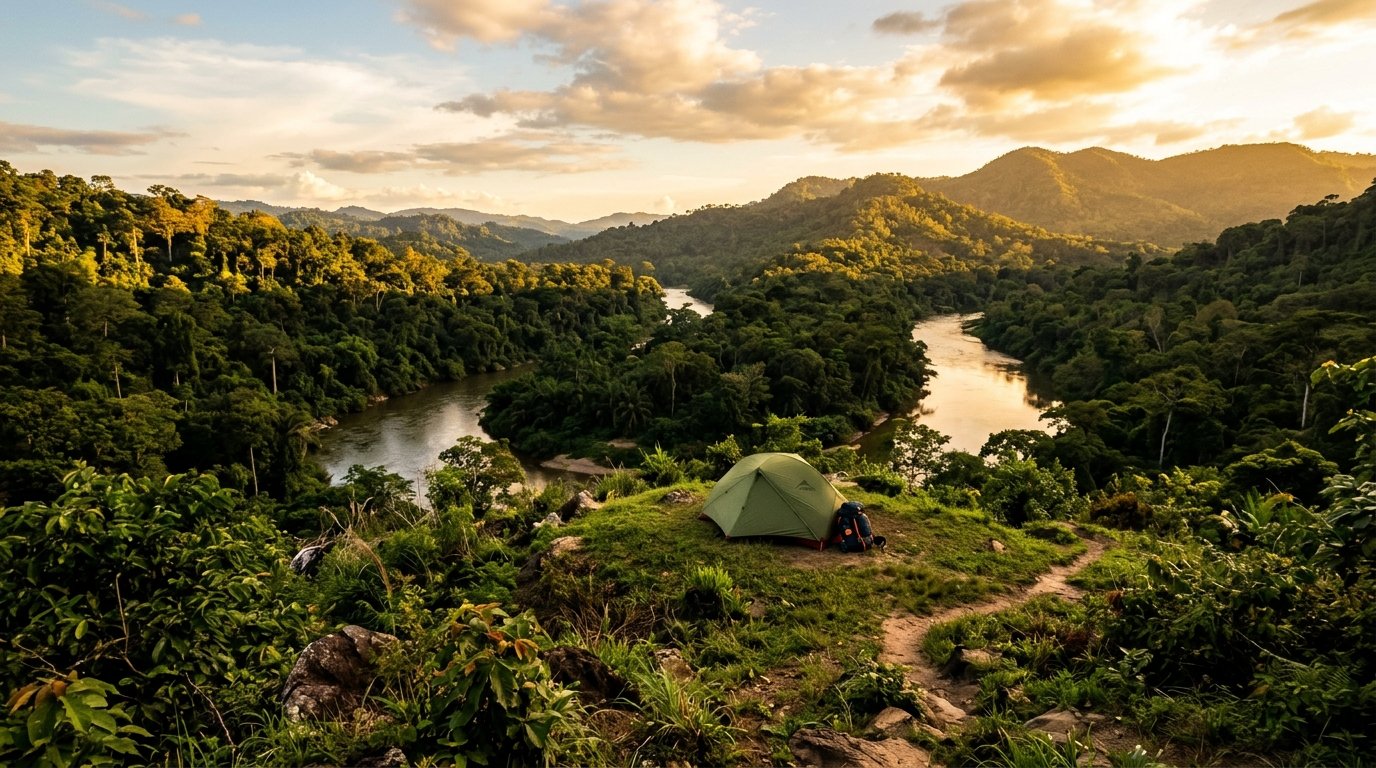
Wild camping and overlanding in Liberia exist in a legal grey area; there is no blanket “right to roam” or formal wild camping legislation, but it is generally tolerated if you follow cultural protocols. For foreign tourists, camping is less about strict state laws and almost entirely about securing community permission and ensuring personal safety. While wild camping is possible and frequently done by overland travelers, you must always seek approval from local village chiefs, landowners, or town leadership before pitching a tent or parking a camper.
2. 🌲 Wild & Dispersed Camping Rules
- Is it legal? There are no specific national laws outright prohibiting wild camping for tourists on public land, but because most land is managed by the state, private owners, or local communities, you cannot simply pull off the road and camp invisibly.
- Permission is Mandatory: If you find a spot near a settlement, you must present yourself to the local town chief or village elders to ask for permission. This is a vital cultural protocol in Liberia. Often, they will grant permission and may even offer a safe place to park, though a small donation or gift is customary.
- Duration and Distance Rules: There are no codified rules dictating how many nights you can stay or how far you must be from roads. This is negotiated entirely with the local community or landowner on a case-by-case basis.
- Enforcement: You will not encounter police patrolling random bush areas looking for illegal campers. However, if you camp secretly without local permission and are discovered, it is considered highly suspicious and disrespectful, which can lead to misunderstandings or being forced to leave.
3. 🏞️ National Park & Protected Area Rules
- Permit System: Protected areas, most notably Sapo National Park, require official entry permits. You must obtain clearance and pay conservation fees (typically $25 to $50 USD) through the Forestry Development Authority (FDA) either in Monrovia or at the regional park office before entering the bush.
- Designated Sites & Guides: You cannot freely wander or wild camp independently inside national parks. Access into the interior rainforest of Sapo National Park requires hiring an official ranger and porters. Camping is restricted to designated clearings or community-run eco-lodges (such as Sapo Ecolodge, which offers elevated tent platforms for campers).
- Seasonal Considerations: While there are no strict seasonal closures, the rainy season (May to October) makes the dirt roads to national parks virtually impassable. Tourism and camping are heavily dictated by weather, making the dry season (November to April) the safest and most practical window for backcountry travel.
4. 🚐 Van Life & Overnight Vehicle Sleeping
- Vehicle Sleeping: Sleeping in your 4×4 or overland vehicle is a common practice for trans-African travelers. However, casually sleeping on the side of a public highway or in a random car park is highly discouraged due to safety and security risks.
- Parking vs. Camping: Liberian traffic laws do not strictly distinguish between parking and camping. The main concern for van-lifers is not traffic enforcement, but vulnerability to theft or unwanted attention if left visible from the road.
- Where to Park: There are no official European-style designated rest stops. Overlanders typically rely on platforms like the iOverlander app to find secure overnight parking. Safe options usually include negotiating to park inside the walled compounds of guesthouses, religious missions, surf clubs (like those in Robertsport), or even police checkpoints where officials can keep an eye on your vehicle.
5. 🔥 Campfires & Practical Restrictions
- Campfires: There are no nationwide bans on open campfires. Wood fires are the primary cooking method for many rural Liberians. However, tourists should exercise common sense, use established fire rings when available, and strictly avoid lighting fires in protected dense forest reserves unless guided by a ranger.
- No-Camp Zones: Tourists should strictly avoid camping near military bases, mining concessions, and sensitive border regions outside of official crossings. Additionally, avoid wild camping on unpatrolled beaches, especially near Monrovia, due to the high risk of crime and armed robbery.
6. 🔗 Official Sources & Links
Because tourism infrastructure is limited and rules are subject to change, always verify current conditions, road access, and permit requirements before your trip.
- Forestry Development Authority (FDA) of Liberia – For national park permits and protected forest regulations.
- Liberia Ministry of Information, Cultural Affairs and Tourism (MICAT) – For general travel advisories and tourism guidelines.
Disclaimer: Land-use laws, visa regulations, and security situations in West Africa change frequently. The information in this guide is for recreational planning purposes. Travelers should consult current government travel advisories and verify local rules with authorities upon arrival.

Adrenaline junkie with a passion for exploring off-the-beaten-path destinations and finding unique ways to stay active. Expect stunning scenery, challenging workouts, awesome travel tips and a whole lot of fun. Let’s get sweaty and explore the world together!