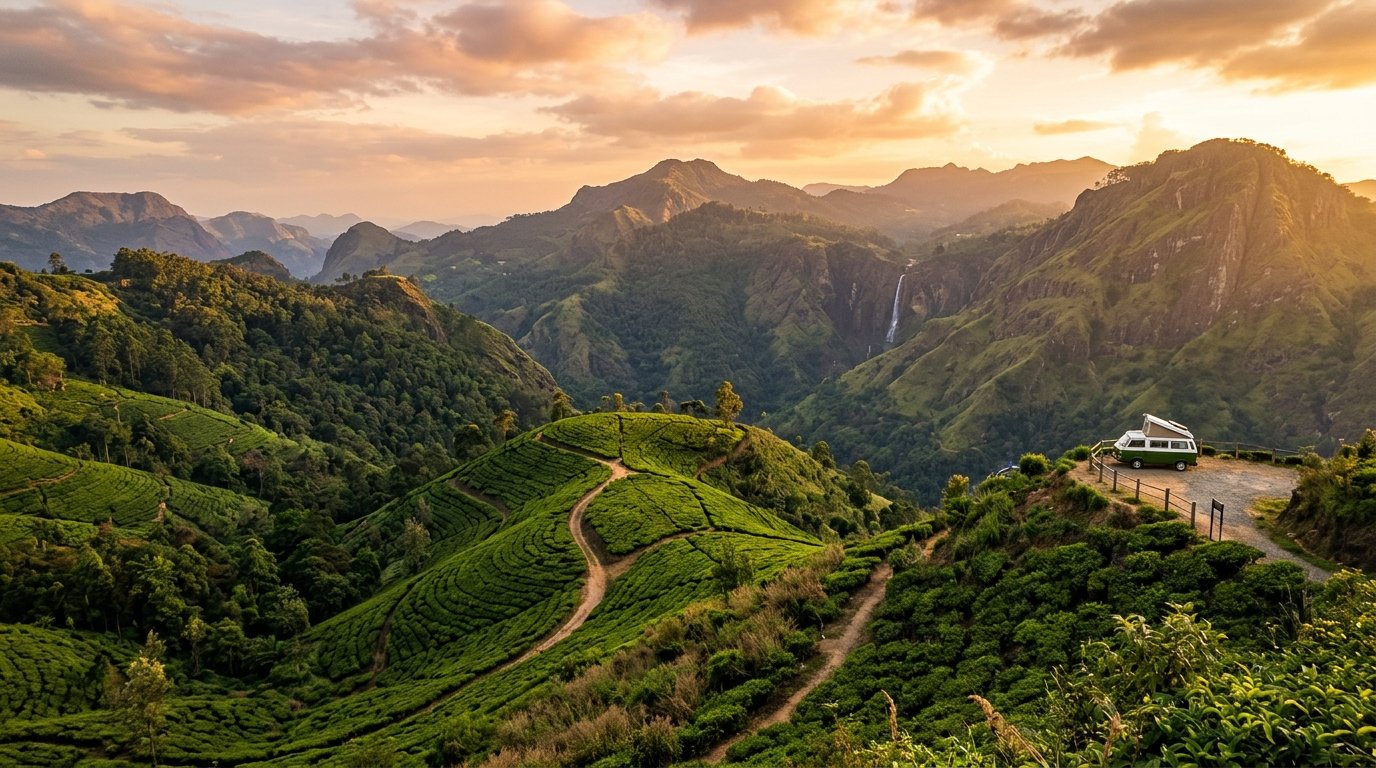
1. 🏕️ The Short Answer
For foreign tourists visiting Sri Lanka, informal wild or dispersed camping on public land is generally illegal and heavily restricted. Because of strict environmental protections, complex land ownership laws, and serious wildlife hazards (such as free-roaming elephants and leopards), camping is essentially confined to officially designated campsites, private eco-camps, and permitted zones within national parks.
2. 🌲 Wild & Dispersed Camping Rules
- Is camping outside official campsites legal for tourists on public land? No. There is no “right to roam” or blanket right to wild camp in Sri Lanka. Public land is overseen by various agencies (like the Forest Department and the Department of Wildlife Conservation), and pitching a tent in a random forest, beach, or roadside without a permit is illegal. Private land, including tea estates, strictly requires the landowner’s prior consent.
- Are there duration limits or distance rules? Because wild camping is prohibited, standard distance rules do not apply. If you obtain permission to camp on private land or a border village, duration and placement are entirely up to the local landowner or estate manager.
- Is this actively enforced? Yes. Rangers, local police, and even local communities actively discourage unauthorized camping. Enforcement is strict in the highlands, coastal zones, and protected areas. Unauthorized camping can result in fines, and wandering blindly into the bush is highly discouraged due to the prevalence of dangerous wildlife.
3. 🏞️ National Park & Protected Area Rules
- Do national parks have a separate camping permit system? Yes. Lands managed by the Department of Wildlife Conservation (DWC) require specific permits for overnight stays. You cannot simply show up at a park entrance with a tent and walk in.
- Is camping restricted to designated sites? Absolutely. In parks like Yala, Wilpattu, or Udawalawe, you may only camp at officially designated DWC campsites or stay in private safari eco-camps situated in the buffer zones. Advance booking through the DWC or a licensed tour operator is mandatory. Furthermore, tourists are usually required to have a park ranger or guide accompany them at all times while inside the reserve.
- Are there seasonal closures? Yes. Parks and specific trails (such as parts of the Knuckles Mountain Range) may close access to campsites during heavy monsoon rains, extreme droughts, or peak fire seasons. Always verify park accessibility before planning your trip.
4. 🚐 Van Life & Overnight Vehicle Sleeping
- Is it legal to sleep overnight in a vehicle? Van life culture is virtually non-existent for foreign tourists in Sri Lanka. While briefly resting or taking a nap in your car is not expressly illegal, overnight sleeping in vehicles on public roadsides, town car parks, or beaches is highly unusual and likely to attract police scrutiny or security concerns.
- Parking vs. Camping: Sri Lankan law does not formally distinguish between “parking” and “camping” in a way that protects van-lifers. If you are sleeping in a vehicle in a public area, authorities will likely view it as unauthorized camping or loitering.
- Are there designated overnight areas? There is no public network of “aires” or dedicated RV rest areas. If you are traveling in a rented campervan, you will need to arrange overnight parking at licensed tourist campsites, private property, or guesthouses with the owner’s explicit permission.
5. 🔥 Campfires & Practical Restrictions
- Are open campfires allowed? Open campfires are strictly prohibited in all National Parks, Forest Department reserves, and open grasslands due to the high risk of wildfires. Portable gas camping stoves are generally permitted for cooking. If you are staying at a private eco-camp, fires are only allowed in their specifically constructed fire pits.
- Key no-camp zones tourists should avoid:
- Strict Natural Reserves: These are scientifically protected zones completely closed to the public.
- Elephant Corridors: Pitching a tent anywhere near dry-zone wildlife corridors is incredibly dangerous. A curious or startled wild elephant in an unmanaged camp is a life-threatening hazard.
- Archaeological and Sacred Sites: Camping near temples, ruins, or religious sites is strictly forbidden and highly disrespectful.
6. 🔗 Official Sources & Links
To book national park campsites or verify current regulations, consult the following official authorities:
- Department of Wildlife Conservation (DWC) – For national parks and protected wildlife areas.
- Forest Department Sri Lanka – For forest reserves and conservation forests like the Knuckles Mountain Range.
- Sri Lanka Tourism Development Authority (SLTDA) – For general tourism and licensed private campsite guidelines.
Disclaimer: Land-use and recreational camping laws change frequently. The information provided is for educational purposes. Always verify current local regulations, obtain necessary permits, and prioritize wildlife safety before embarking on your trip to Sri Lanka.

Adrenaline junkie with a passion for exploring off-the-beaten-path destinations and finding unique ways to stay active. Expect stunning scenery, challenging workouts, awesome travel tips and a whole lot of fun. Let’s get sweaty and explore the world together!