1. 🏕️ The Short Answer
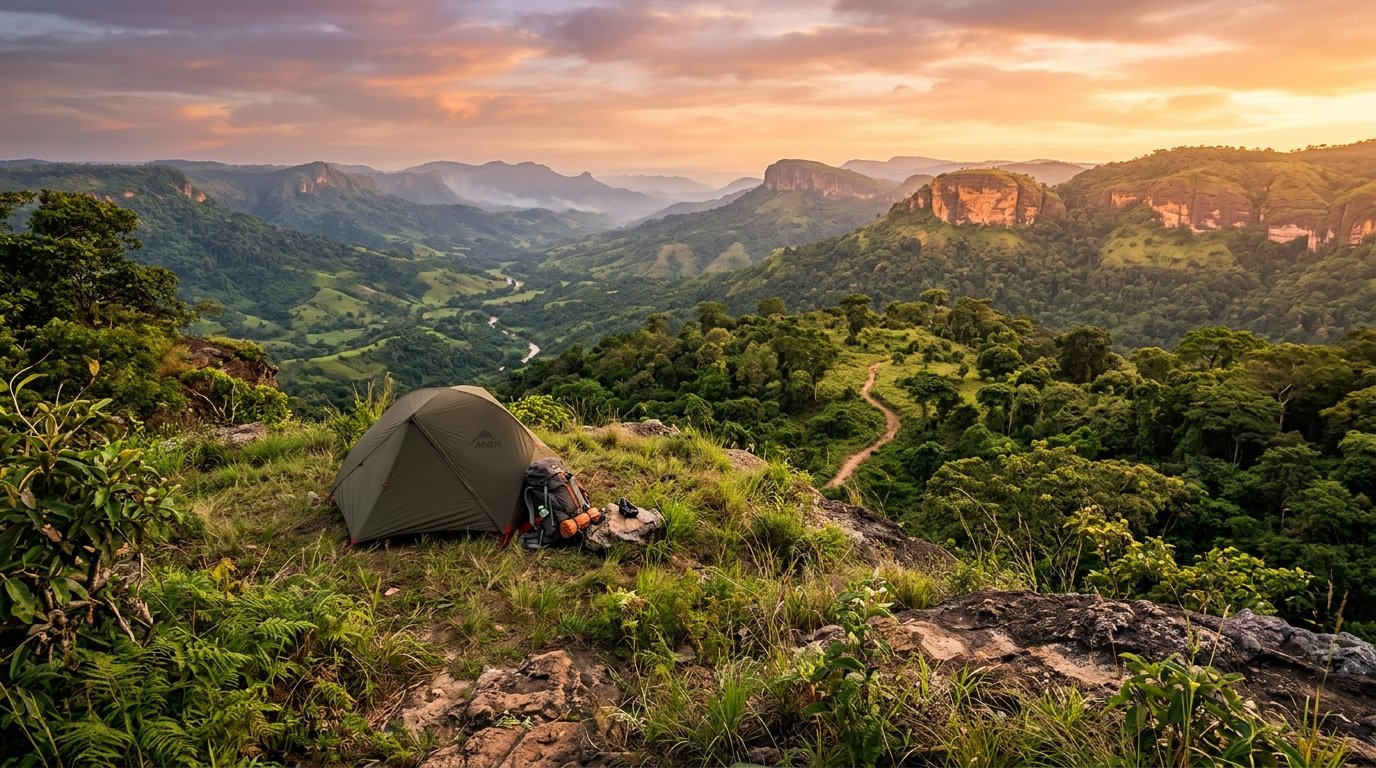
Wild and dispersed camping is generally tolerated and very common for overland tourists in Guinea, provided you follow local customs by asking the village chief for permission when setting up near settlements. While there is no strict legal ban on wild camping for foreigners, independent travel here requires high self-sufficiency, an awareness of customary land rights, and acute attention to regional security.
2. 🌲 Wild & Dispersed Camping Rules
- Legal Status on Public Land: Guinea does not have strict national laws prohibiting wild camping for tourists. However, land outside major cities is governed by customary law. You are almost always on land belonging to a local community or tribe.
- Distance & Duration Limits: There are no official distance or duration limits dictated by the government. The general rule of thumb is to stay out of sight of main roads for safety. If you wish to camp near a village, farm, or water source used by locals, you must introduce yourself to the chef de village (village chief) to ask for permission.
- Enforcement: Formal enforcement by rangers or police is practically non-existent in the bush. Instead, regulations are enforced socially by the locals. Gaining village permission usually ensures your safety, as the community will then view you as their guest and look out for you.
3. 🏞️ National Park & Protected Area Rules
- Permit Systems: Guinea’s protected areas, such as the Parc National du Haut Niger and the Mount Nimba Strict Nature Reserve, require official permits before entry. These are usually obtained in nearby regional towns or via the Ministry of Environment.
- Designated Sites & Booking: Infrastructure is incredibly basic. Haut Niger is wild and mostly lacks tourist facilities, requiring DIY bush camping, though visitors often coordinate with the Centre de Conservation pour Chimpanzés (CCC) for designated access. Mount Nimba, a highly protected UNESCO World Heritage site, heavily restricts access; camping is typically limited to the park’s periphery and you must be accompanied by an official eco-guard.
- Seasonal Closures: While hard legal closures are rare, Guinea experiences a brutal rainy season from May to October. During this time, dirt tracks inside national parks turn into deep mud, making backcountry access physically impossible and extremely dangerous.
4. 🚐 Van Life & Overnight Vehicle Sleeping
- Overnight Sleeping: Sleeping in your 4×4, campervan, or rooftop tent is completely legal and serves as the primary way tourists overland through West Africa.
- Parking vs. Camping: Guinean law does not formally distinguish between parking and camping for recreational vehicles. However, parking overnight on the shoulder of major highways or near city centers is highly discouraged due to the high risk of traffic accidents, banditry, and nighttime police checkpoints.
- Designated Areas: Western-style campsites or RV parks do not exist. Instead, van lifers utilize remote natural landmarks, such as the popular Kambadaga Waterfalls, or pay a small fee to park securely inside the walled compounds of local hotels, Catholic missions, or campements (basic local lodges).
5. 🔥 Campfires & Practical Restrictions
- Campfire Rules: Open fires are generally permitted and heavily utilized by locals for cooking. However, during the dry “Harmattan” season (November to April), vegetation is extremely dry. Tourists must use extreme caution, as accidental bushfires can spread rapidly, devastate local agriculture, and result in severe community backlash.
- No-Camp Zones: Tourists must strictly avoid camping near military installations, active mining concessions (particularly the massive bauxite and iron ore mines in the Boké and Nimba regions), and sensitive border zones (such as the borders with Mali and Liberia) where smuggling and security tensions remain high.
6. 🔗 Official Sources & Links
Because formal tourism infrastructure and online resources are limited in Guinea, always consult official Guinean authorities and trusted travel advisories before departure:
- Guinea Official E-Visa and Border Portal (Police aux Frontières)
- U.S. Department of State – Guinea Travel Advisory
Disclaimer: Land-use laws, national park access, and security conditions in West Africa can change rapidly. Always verify current regulations with local authorities, respect customary community rules, and consult official government travel sources before embarking on your trip.

Adrenaline junkie with a passion for exploring off-the-beaten-path destinations and finding unique ways to stay active. Expect stunning scenery, challenging workouts, awesome travel tips and a whole lot of fun. Let’s get sweaty and explore the world together!