1. 🏕️ The Short Answer
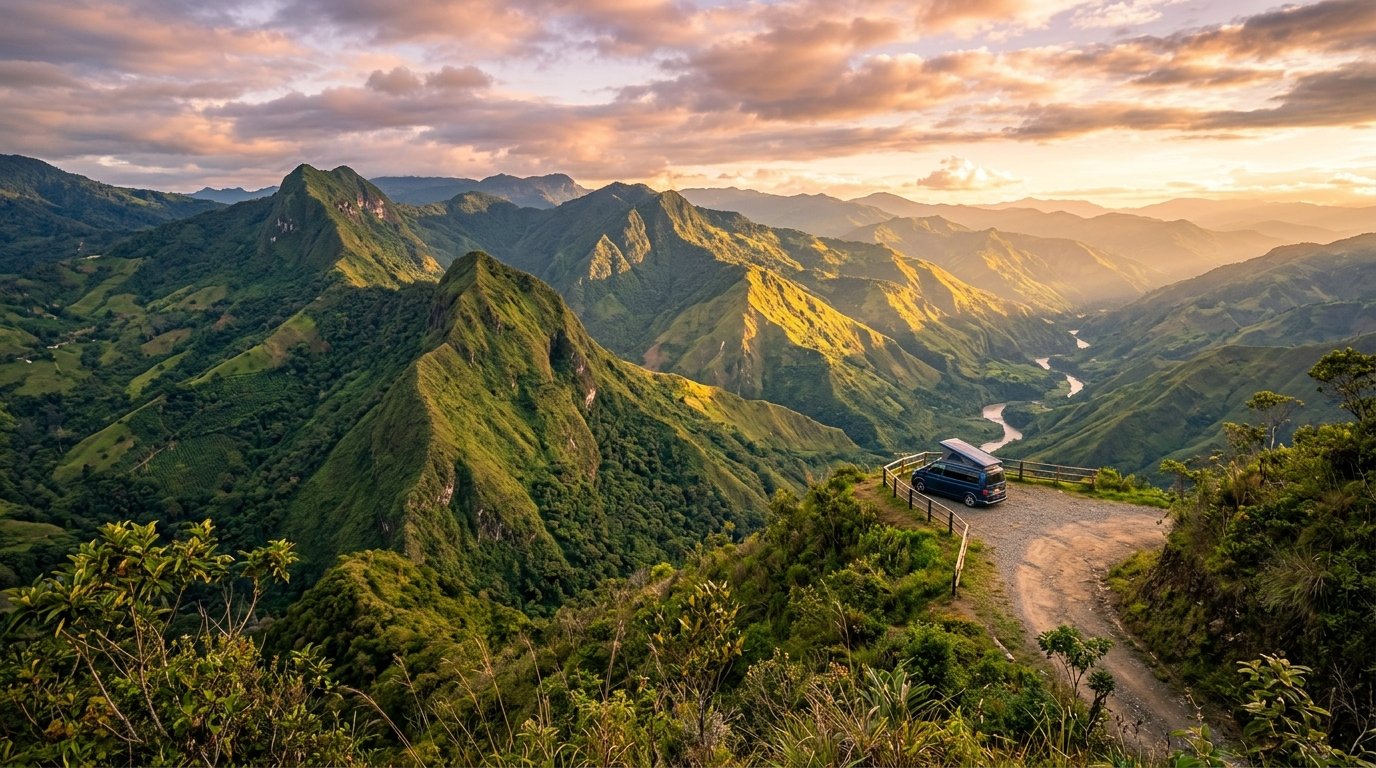
Wild and dispersed camping in Colombia exists in a legal grey area but is generally discouraged and effectively prohibited on public roadsides and in non-designated protected areas. While not explicitly outlawed nationwide, foreign tourists are strongly advised to stick to designated campsites, eco-lodges, or private land with explicit owner permission due to strict environmental protections and regional security concerns.
2. 🌲 Wild & Dispersed Camping Rules
- Legality on Public Land: There is no overarching federal law explicitly protecting a tourist’s right to wild camp on public lands. In practice, setting up a tent outside of official campsites or on public roadsides is highly restricted and strongly discouraged. It is customary and often mandatory to ask for permission from local landowners or community leaders before camping in rural areas.
- Duration and Distance Rules: Because wild camping is not formally regulated as a recreational right, there are no specific federal duration limits (e.g., “max 2 nights”). Instead, travelers should expect to be moved along if they camp near public roads, sensitive water sources, or without community permission.
- Enforcement: Enforcement is less about rangers issuing formal citations and more about local police or military moving tourists along for their own safety. Security is a major priority in Colombia, and authorities actively prevent tourists from sleeping in isolated, unregulated areas.
3. 🏞️ National Park & Protected Area Rules
- Permits and Booking: Colombia’s national parks (Parques Nacionales Naturales) are highly regulated. Many parks require advance booking. For example, Chingaza National Park requires access requests to be submitted at least 15 days in advance and enforces strict daily visitor caps.
- Designated Sites Only: Camping is strictly restricted to designated campsites inside the parks. Wilderness or backcountry dispersed camping is completely banned to protect fragile ecosystems like the high-altitude páramos.
- Seasonal Closures: Seasonal closures are heavily enforced and common. Tayrona National Park, for instance, completely closes to the public three times a year (typically in February, June, and October/November) to allow the ecosystem to recover and to permit local indigenous communities to perform cultural and spiritual cleanings. Other parks restrict access to specific trails or glacier areas to protect both the environment and indigenous sacred grounds.
4. 🚐 Van Life & Overnight Vehicle Sleeping
- Overnight Parking Laws: While driving and parking your vehicle is legal, sleeping in a vehicle overnight on public roads, city streets, or rural highways is strongly discouraged and often prohibited by municipal ordinances.
- Parking vs. Camping: Colombian local law and enforcement do distinguish between parking a vehicle and setting up camp. Deploying awnings, setting up chairs, or visibly sleeping in a van on a public street can attract police attention.
- Designated Areas: Colombia does not have a formal network of public RV rest areas or “aires”. Van lifers and overlanders must rely on apps like iOverlander to find safe, privately-owned parking lots, hostel grounds, or eco-lodges that allow overnight vehicle sleeping for a small fee. Official campgrounds remain the safest and most practical solution.
5. 🔥 Campfires & Practical Restrictions
- Campfire Rules: Open campfires are strictly prohibited inside all National Natural Parks, reserves, and high-altitude areas to prevent devastating wildfires and protect fragile flora. Gas or liquid fuel camping stoves are generally permitted for cooking. You may only have open fires in designated fire pits at private, commercial campsites.
- No-Camp Zones: Tourists must absolutely avoid camping in the Darién Gap (the border region between Colombia and Panama) due to extreme environmental hazards, lack of infrastructure, and the presence of illegal armed groups. Travelers must also avoid restricted indigenous reserves (such as the eastern side of El Cocuy), active military zones, and any isolated rural roads in border regions.
6. 🔗 Official Sources & Links
To verify the latest camping regulations, park closures, and entry requirements, travelers should consult the following official sources:
- Parques Nacionales Naturales de Colombia – The official government authority for national park rules, camping permits, and seasonal closures.
- Colombia.Travel – The official national tourism board for travel advisories and destination guidelines.
Disclaimer: Environmental laws, park closures, and land-use regulations in Colombia change frequently due to ecological conservation efforts, indigenous rights, and regional security conditions. Always verify current rules with official local sources, park rangers, or a trusted travel advisory before embarking on your trip.

Adrenaline junkie with a passion for exploring off-the-beaten-path destinations and finding unique ways to stay active. Expect stunning scenery, challenging workouts, awesome travel tips and a whole lot of fun. Let’s get sweaty and explore the world together!