
1. 🏕️ The Short Answer
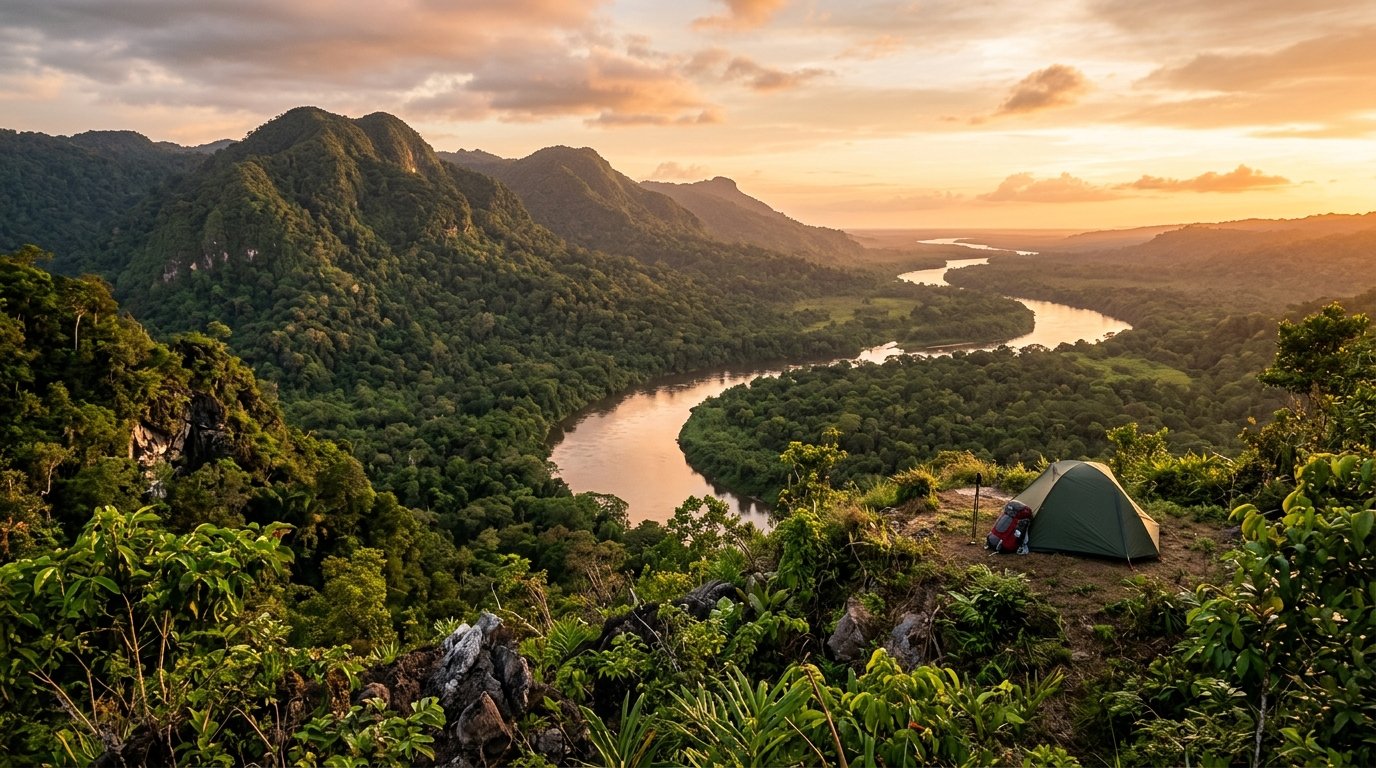
In Suriname, spontaneous wild or dispersed camping is highly conditional, heavily restricted, and effectively illegal for tourists without prior planning and explicit consent. Because the vast majority of the interior consists of either government-protected nature reserves or lands stewarded by Indigenous and Maroon communities, you cannot simply pitch a tent anywhere; permission from local village leaders or official park permits are strictly required.
2. 🌲 Wild & Dispersed Camping Rules
- Legality on Public/Community Land: True wild camping outside official sites is not legally protected as a blanket right. To camp in the jungle interior, you must seek permission from the local village chief (Captain) or tribal leader before setting up camp on their ancestral lands.
- Rules and Limits: Because wild camping operates in a legal grey area heavily dependent on local consent, there are no standardized national distance or duration rules. Limits are set entirely by the local land managers or village leaders granting you access.
- Enforcement: Enforcement is handled locally rather than by national police. If you camp without permission on community land, you will be asked to leave by locals. Furthermore, independent wild camping is highly discouraged in practice—the extreme environment (dense rainforest, heat, humidity, dangerous wildlife) makes roaming without a local guide incredibly dangerous.
3. 🏞️ National Park & Protected Area Rules
- Permits and Booking: Camping in protected areas, such as the Central Suriname Nature Reserve or Brownsberg Nature Park, requires permits and advance reservations. These are typically coordinated through STINASU (Foundation for Nature Conservation in Suriname) or authorized local tour operators.
- Designated Sites Only: You cannot clear a spot in the jungle. Camping is strictly restricted to designated clearings (such as the main plateau at Brownsberg or specific basecamps like Raleighvallen).
- Seasonal Constraints: While there are no formal fire-season closures, Suriname experiences intense rainy seasons (roughly April–August and December–January). During these months, dirt roads wash out, rivers flood, and certain campsites or trails become completely inaccessible, resulting in functional seasonal closures.
4. 🚐 Van Life & Overnight Vehicle Sleeping
- Legality of Sleeping in Vehicles: There is no specific national traffic law prohibiting a tourist from sleeping inside a parked vehicle. However, doing so in urban areas like Paramaribo will likely draw police attention for security checks or loitering.
- Parking vs. Camping: Like in many countries, setting up chairs, an awning, or cooking gear outside your vehicle crosses the line from “parking” to “camping” and is not tolerated on public streets, highway pull-outs, or urban lots.
- Infrastructure & Designated Areas: “Van life” is virtually non-existent for tourists in Suriname. The country lacks a network of paved interior roads, and there are no dedicated overnight rest areas (aires) or RV parks. Travelers driving 4x4s with rooftop tents must rely on paid eco-lodges, private guesthouses, or explicit permission from villagers to park safely overnight.
5. 🔥 Campfires & Practical Restrictions
- Campfire Rules: Open campfires are generally permitted in designated fire rings at official park campsites or along riverbanks when approved by a local guide. However, you should exercise extreme caution during dry seasons and never cut live rainforest vegetation for firewood.
- Practical Jungle Restrictions: Due to aggressive insects (bullet ants, mosquitoes), venomous snakes (like the fer-de-lance), and heavy rainfall, sleeping in ground tents is highly discouraged. Suspended jungle hammocks with built-in mosquito nets and rain tarps are the mandatory standard for overnighting in the Surinamese rainforest.
- No-Camp Zones: Tourists must avoid border regions near French Guiana and Guyana, which are heavily monitored due to illegal gold mining and smuggling. Additionally, active logging concessions, mining zones, and military installations are strict no-go zones.
6. 🔗 Official Sources & Links
For the most up-to-date information, local eco-tourism guides, and conservation rules, always consult:
- Suriname Tourism Foundation – Official travel, regional, and tourism guidelines.
- STINASU (Foundation for Nature Conservation in Suriname) – The primary authority for booking lodging, camping spots, and paying conservation fees for Suriname’s protected nature reserves.
Disclaimer: Land-use laws, tribal regulations, and camping access change frequently. Travelers should always verify current rules, obtain necessary permits, and consult with official local authorities or indigenous leaders before their trip.

Adrenaline junkie with a passion for exploring off-the-beaten-path destinations and finding unique ways to stay active. Expect stunning scenery, challenging workouts, awesome travel tips and a whole lot of fun. Let’s get sweaty and explore the world together!