
1. 🏕️ The Short Answer
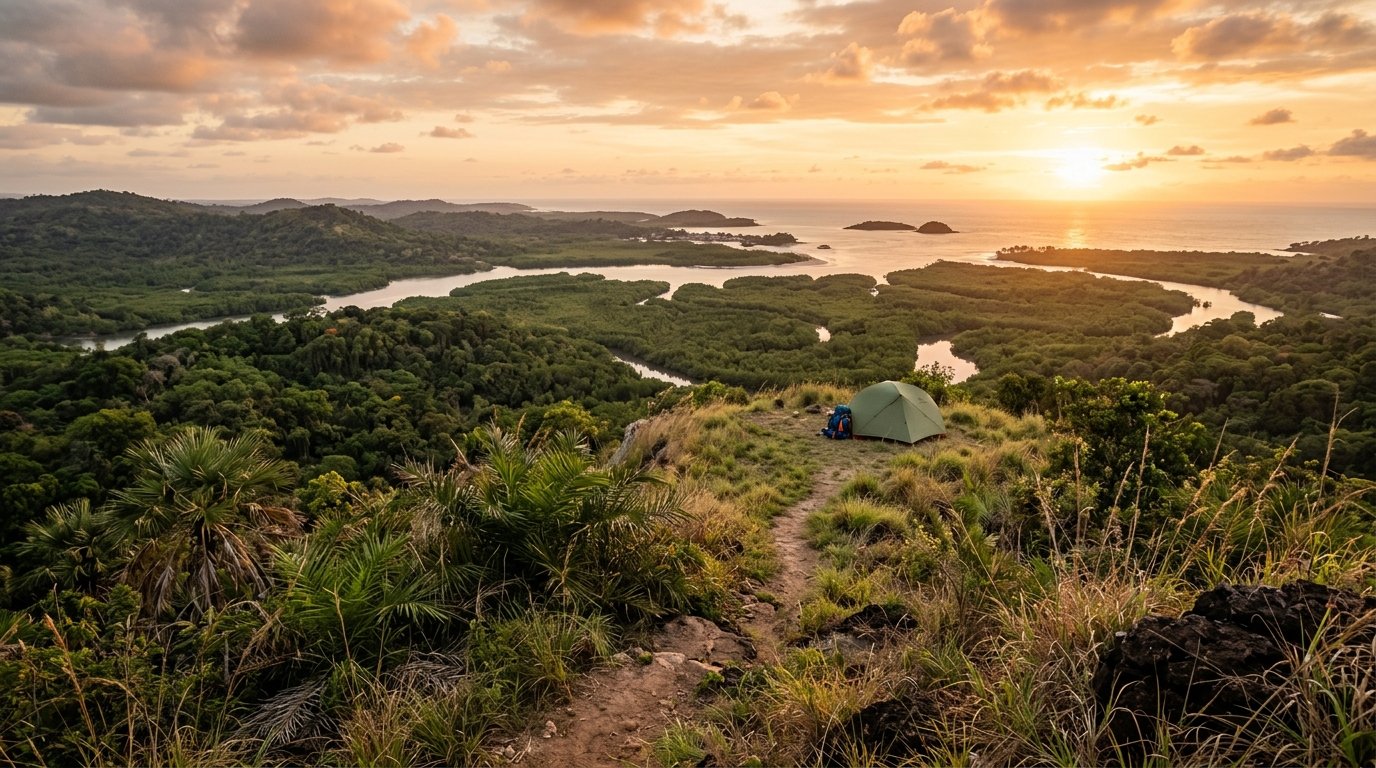
In Guinea-Bissau, wild and dispersed camping exists in a legal grey area; it is not strictly prohibited on public land, but instead operates on an informal, permission-based system with local village communities. For foreign tourists and overlanders, wild camping is generally tolerated and safe in rural areas as long as you seek consent from the local village chief (chefe de tabanca) before setting up camp.
2. 🌲 Wild & Dispersed Camping Rules
- Legality on public land: There is no specific national law banning tourists from wild camping. However, because rural land is communally managed and subsistence farming is widespread, you are expected to ask permission from local community leaders or landowners before pitching a tent or parking off-road.
- Duration and distance limits: There are no formal, legally mandated duration limits or distance rules from roads. As a practical rule, avoid camping directly in agricultural fields, cashew orchards, or near community water wells without explicit permission, and keep a low profile to avoid drawing large, curious crowds.
- Enforcement: Active enforcement by police or rangers regarding where you sleep is incredibly rare. The authorities at frequent road checkpoints are mainly concerned with checking your passport, visa, and vehicle passavant (customs document), not policing your choice of wild campsite.
3. 🏞️ National Park & Protected Area Rules
- Permits: Protected areas like Orango National Park, Cantanhez Forest, and João Vieira e Poilão Marine National Park do not have a standardized online camping permit system. Access and overnight stays must typically be arranged locally or through the Institute of Biodiversity and Protected Areas (IBAP) or specialized eco-tourism operators.
- Designated sites and booking: Formal, western-style campgrounds do not exist in the parks. Most visitors stay in basic eco-lodges or village huts. If you wish to camp, it must be negotiated in advance with local park guides, and you will likely be directed to designated village perimeters.
- Seasonal closures: While not legally “closed,” many national parks and rural areas become virtually inaccessible during the heavy wet season (June to October) when dirt roads turn into impassable swamps. Bushfire risk in the dry season (November to May) also prompts local restrictions on accessing certain forest zones.
4. 🚐 Van Life & Overnight Vehicle Sleeping
- Sleeping in vehicles: It is legal to sleep in your vehicle overnight. There are no specific road laws prohibiting tourists from resting in a parked vehicle.
- Parking vs. Camping: Local law does not formally distinguish between “parking” and “camping” as seen in many European countries. If you are safely off the roadway, the primary concern is just local permission and physical safety rather than a traffic violation.
- Designated areas: There are zero official motorhome aires or designated RV rest stops in the country. Overlanders usually “bush camp” in remote spots, or for better security in towns like Bissau, pay a small fee to park overnight inside the guarded compounds of hotels, Catholic missions, or local businesses.
5. 🔥 Campfires & Practical Restrictions
- Campfires: Open campfires are generally allowed and are a normal part of daily life for locals. However, tourists must exercise extreme caution during the dry season (November to May), as dry Harmattan winds create a massive bushfire risk. Always use established fire rings if available, or clear dry brush completely.
- No-camp zones: Never camp near military installations, government buildings, border checkpoints, or critical infrastructure. It is also highly advised to avoid wild camping in the immediate vicinity of the northern border with Senegal (the Casamance region) due to historical regional instability and occasional smuggling activity.
6. 🔗 Official Sources & Links
For official information regarding protected areas and eco-tourism, visit the Institute of Biodiversity and Protected Areas (IBAP). For general travel advisories, entry protocols, and safety information, check a trusted government travel advisory, such as the Government of Canada Travel Advisory for Guinea-Bissau.
Disclaimer: Camping and land-use laws, as well as local security situations, change frequently. The information provided is for educational planning purposes. Always verify current rules, road conditions, and safety advisories with official local authorities or trusted guides before embarking on your trip.

Adrenaline junkie with a passion for exploring off-the-beaten-path destinations and finding unique ways to stay active. Expect stunning scenery, challenging workouts, awesome travel tips and a whole lot of fun. Let’s get sweaty and explore the world together!