
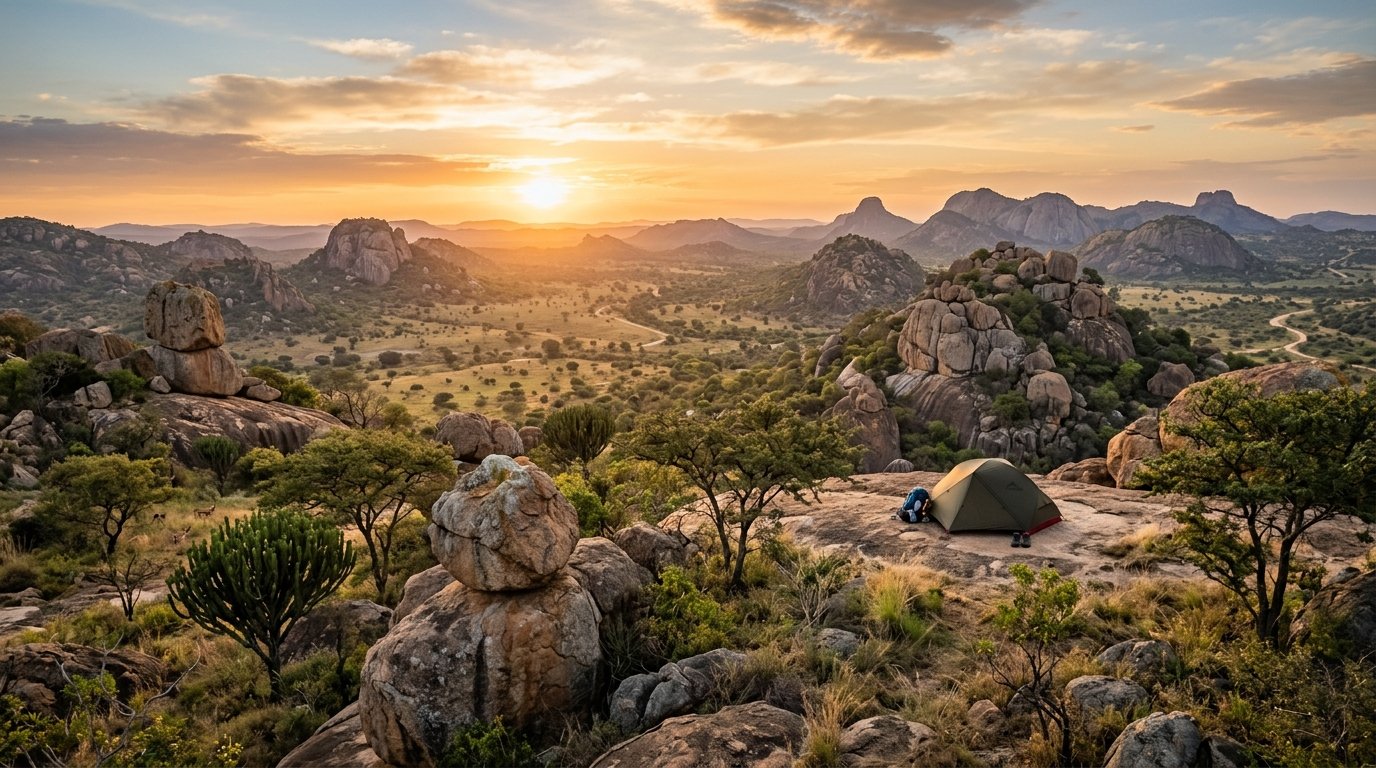
1. 🏕️ The Short Answer
In Zimbabwe, spontaneous wild or dispersed camping is effectively illegal and highly discouraged for foreign tourists. Overnight stays are strictly controlled through national park frameworks, private conservancies, and communal land boundaries, requiring travelers to use designated campsites. Due to intense anti-poaching enforcement and the very real dangers of roaming wildlife, pitching a tent or parking a campervan wherever you please is simply not an option.
2. 🌲 Wild & Dispersed Camping Rules
- Legality on Public Land: Tourists cannot legally camp outside of official, designated campsites on public land or within national parks. Attempting to do so is a direct violation of the Parks and Wildlife Act.
- Private and Communal Land: Camping on private farms or community-owned land requires explicit, prior permission from the landowner or local village chief. Without this, you are trespassing.
- Enforcement and Safety: Rules are actively and strictly enforced. Because of the aggressive fight against wildlife poaching, park rangers will treat anyone found sleeping in unauthorized bush areas with high suspicion. Furthermore, the lack of fences in many areas means you are entirely exposed to dangerous wildlife (lions, elephants, hyenas, hippos, etc.).
3. 🏞️ National Park & Protected Area Rules
- Permit and Booking System: The Zimbabwe Parks and Wildlife Management Authority (ZimParks) operates a strict booking system. You must book your campsite well in advance, especially for popular destinations like Mana Pools, Hwange, and Gonarezhou. Sites range from communal camps with ablution blocks to rugged “exclusive” sites with no facilities.
- Designated Sites Only: You may only camp in the specific site allocated to you upon check-in. Moving to a different spot, or setting up camp at a picnic site or wildlife viewing blind, is strictly prohibited.
- Seasonal Closures: Many remote campsites and dirt tracks become inaccessible during the rainy season (November to April). Parks may enforce seasonal closures of certain 4×4 routes and camps due to flooding and impassable mud.
4. 🚐 Van Life & Overnight Vehicle Sleeping
- Roadside Sleeping is Banned: Sleeping overnight in your vehicle at public car parks, lay-bys, or on the side of the highway is strongly discouraged and generally illegal under local by-laws.
- Security and Police Presence: Zimbabwe has frequent police checkpoints and roadblocks. A vehicle parked overnight on the roadside will attract police scrutiny and poses a massive safety risk regarding opportunistic crime, poor road visibility, and wildlife.
- No European-Style Aires: There is no concept of “aires” or free overnight rest stops for campervans in Zimbabwe. Roof-top tent campers and van-lifers must always pay to book a spot at a private campsite, national park camp, or a lodge that permits vehicle camping.
5. 🔥 Campfires & Practical Restrictions
- Strict Campfire Rules: Veld fires (wildfires) are a massive ecological and safety threat in Zimbabwe. Spontaneous open fires are completely banned in the wild. You may only light campfires in designated concrete or metal fire pits provided at official campsites. Always ensure fires are completely extinguished before sleeping.
- Firewood Gathering: Collecting firewood, flora, soil, or kindling from inside national parks is strictly prohibited. You must purchase your firewood from local vendors outside the park boundaries or at the official camp reception.
- No-Camp Zones: Avoid pulling over or lingering near border zones, military installations, diamond mining regions (such as Marange), and sensitive government buildings (especially in Harare). Loitering or taking photos in these areas is strictly forbidden and can lead to immediate arrest.
6. 🔗 Official Sources & Links
For the most accurate, up-to-date information on booking and park rules, always refer to the official authorities:
- Zimbabwe Parks and Wildlife Management Authority (ZimParks) – For official national park regulations, booking exclusive campsites, and checking current park fees.
- Zimbabwe Tourism Authority – For general travel advisories, safety tips, and certified tourism operators.
Disclaimer: Camping regulations, land-use laws, road conditions, and park fees in Zimbabwe are subject to change. Always verify current rules and safety advisories with official local authorities or a registered tour operator before embarking on your trip.

Adrenaline junkie with a passion for exploring off-the-beaten-path destinations and finding unique ways to stay active. Expect stunning scenery, challenging workouts, awesome travel tips and a whole lot of fun. Let’s get sweaty and explore the world together!