
1. 🏕️ The Short Answer
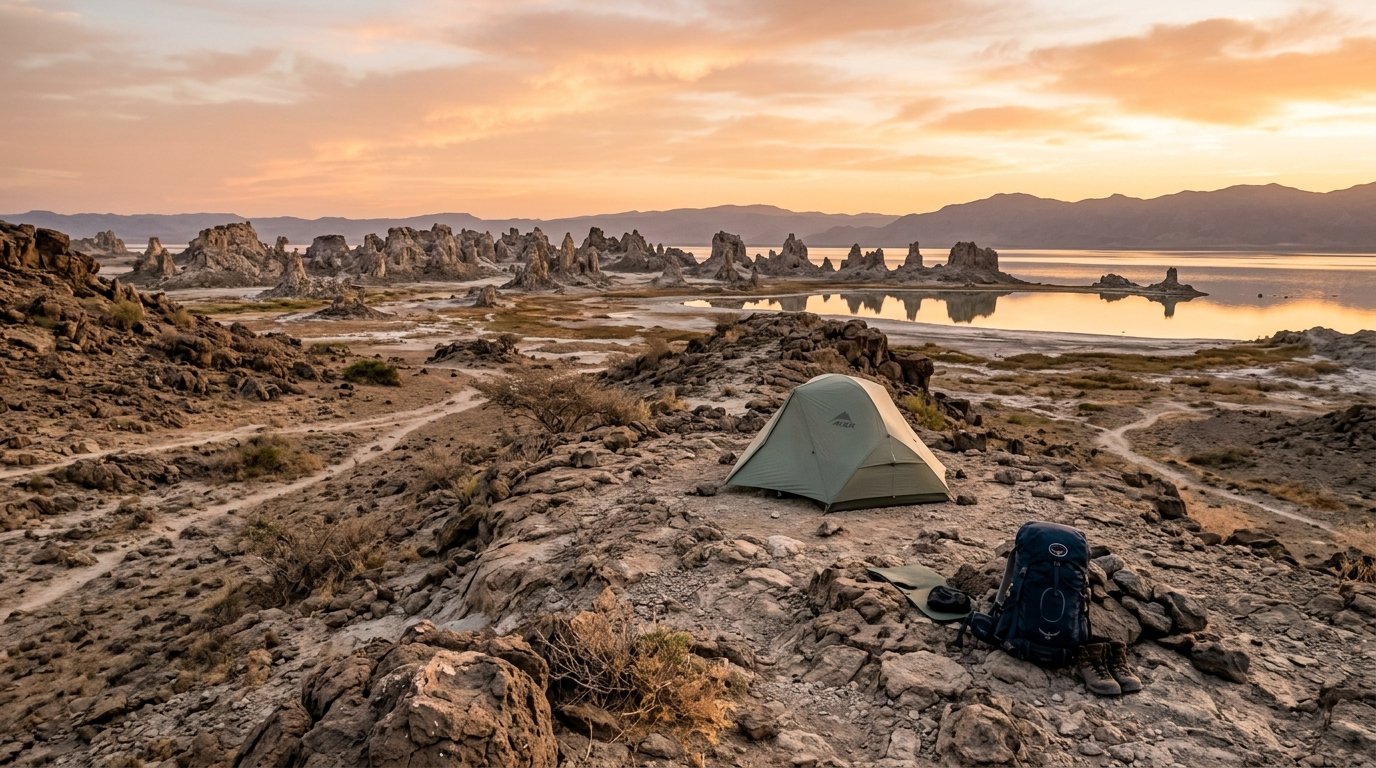
For foreign tourists in Djibouti, true independent wild camping and van life are effectively highly restricted and strongly discouraged due to severe security concerns, extreme desert environments, and the prevalence of sensitive military zones. While sleeping under the stars is a popular way to experience natural wonders like Lake Abbé and Lake Assal, it is almost exclusively done through guided tours staying at designated, locally-run “tourist camps” (campements) or organized bivouacs.
2. 🌲 Wild & Dispersed Camping Rules
- Is camping outside official campsites legal? There is no western-style framework that explicitly regulates or permits pitching a tent on public land. Much of the land outside the capital is either tribally administered by nomadic Afar and Somali communities or falls under strict military jurisdiction. Independent, unofficial dispersed camping is highly suspicious to authorities and generally not tolerated.
- Distance and duration rules: There are no codified duration limits (e.g., a 14-day rule). However, if you are traveling overland, you are expected to secure permission from local village elders to park or stop on their ancestral lands.
- Enforcement: Enforcement by local police and the military is highly active. If you are found camping independently in the remote desert, you will likely be intercepted by military patrols, heavily questioned, and told to move along—or potentially detained if suspected of espionage or smuggling.
3. 🏞️ National Park & Protected Area Rules
- Permit systems: Djibouti does not have a central, self-serve camping permit system for its protected areas like Day Forest National Park (Goda Mountains). Access, fees, and overnight stays are typically arranged directly through local tour operators.
- Designated sites: Camping in these areas is restricted to designated semi-permanent sites (such as the Ditilou Camp in the mountains or the rustic traditional huts at Lake Abbé). Advance booking via a tour operator is practically required to ensure food, water, and space are available.
- Seasonal closures: While not legally “closed,” the summer months (May to September) bring lethal daytime temperatures well over 45°C (113°F). Many tourist camps scale back operations or close completely during this season due to the extreme heat and harsh Khamsin winds.
4. 🚐 Van Life & Overnight Vehicle Sleeping
- Is it legal to sleep in a vehicle? While not explicitly outlawed in a traffic code, sleeping overnight in a vehicle on roadsides, in public car parks, or at rest stops is extremely unsafe and practically unheard of for foreign tourists.
- Parking vs. Camping: Local law does not formally distinguish between the two for recreational vehicles, largely because “van life” culture does not exist here. If you park overnight on a roadside, you will be viewed by authorities as a stranded, vulnerable motorist or a security anomaly.
- Designated areas: There are absolutely no designated overnight areas, RV parks, or “aires” in Djibouti. Independent overlanders crossing the country in 4x4s must negotiate overnight parking inside guarded hotel lots, local guesthouses, or official tourist camps.
5. 🔥 Campfires & Practical Restrictions
- Campfire regulations: Open fires are generally allowed and are a staple of local nomadic culture for cooking. However, in Day Forest National Park (the country’s only major forested area), you must exercise extreme caution to prevent wildfires. In the desert, firewood is incredibly scarce, so you must bring your own fuel.
- CRITICAL No-Camp Zones:
- Military Areas: Djibouti hosts multiple foreign military bases (U.S. Camp Lemonnier, as well as French, Japanese, and Chinese installations). Do not camp near, fly drones around, or photograph these areas.
- Border Regions: Absolutely do not camp within 10 miles of the Eritrean border (Tadjoura and Obock regions) or near the Somali/Somaliland border. These are highly sensitive military zones with active border tensions and a historic risk of unexploded landmines.
- Lake Assal Salt Pans: While you can bivouac on higher ground nearby with a guide, do not attempt to camp directly on the lowest salt plains without local expertise, as the terrain can be treacherous.
6. 🔗 Official Sources & Links
Because local regulations and regional security situations shift rapidly, you should always consult official travel advisories before planning any overland or camping trip to Djibouti:
- U.S. Department of State: Djibouti Travel Advisory (Crucial for up-to-date border and military zone restrictions)
- National Tourism Office of Djibouti (ONTD)
Disclaimer: Camping regulations, land-use laws, military zoning, and security climates in the Horn of Africa change frequently. Always verify current restrictions with your local embassy and strongly consider hiring a registered local guide or tour operator before attempting any backcountry travel in Djibouti.

Adrenaline junkie with a passion for exploring off-the-beaten-path destinations and finding unique ways to stay active. Expect stunning scenery, challenging workouts, awesome travel tips and a whole lot of fun. Let’s get sweaty and explore the world together!