
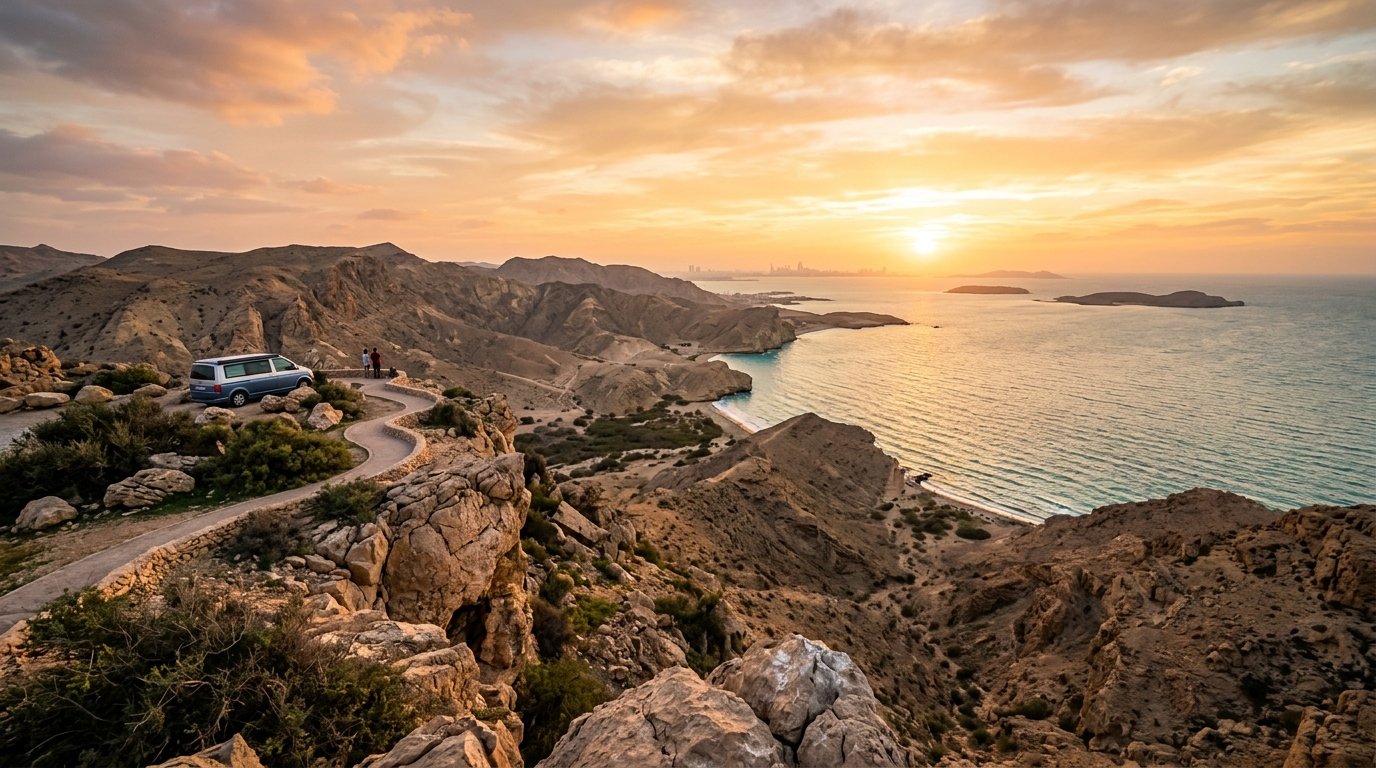
1. 🏕️ The Short Answer
Wild and dispersed camping is effectively illegal and highly restricted for tourists in Bahrain, as the island nation is small, densely populated, and tightly regulated. Legal camping is almost exclusively confined to a strict, government-regulated winter season (typically November to March) in designated zones within the Sakhir Desert, requiring official registration, security deposits, and permits.
2. 🌲 Wild & Dispersed Camping Rules
- Informal Camping is Prohibited: Spontaneous, wild camping outside of official, registered campsites on public land or beaches is generally not permitted for tourists. Most land is either private, urbanized, or designated for municipal, military, and commercial use.
- Permits are Mandatory: To camp legally in the desert, campers must register via the Southern Governorate’s digital “Khayyam” app, submit a registration form, pay a site-cleanliness security deposit, and receive an official sticker.
- Strict Enforcement: This is actively enforced. Police, civil defense, and municipal authorities regularly patrol desert and coastal zones. Unregistered tents are dismantled, and owners are held liable for removal expenses and potential fines.
3. 🏞️ National Park & Protected Area Rules
- No Traditional National Parks: Bahrain does not have a traditional, sprawling national park system. It has protected wildlife reserves, such as Al Areen Wildlife Park, but public wilderness camping inside these specific eco-reserves is strictly forbidden.
- Seasonal Restrictions: The official camping zones in the south are subject to strict seasonal windows (usually November 20 to February 20) to take advantage of cooler weather. Camping is strictly banned during the sweltering summer months.
- Security Closures: The camping season can be abruptly suspended by the government due to security or public safety concerns (as seen in a sudden nationwide closure in March 2026). Always check current local security advisories before planning a trip.
4. 🚐 Van Life & Overnight Vehicle Sleeping
- Not Culturally or Legally Established: Van life is virtually non-existent in Bahrain. Sleeping overnight in a vehicle in public car parks, beaches, or roadsides is highly discouraged and not legally supported as a recreational activity.
- Police Scrutiny: Because informal overnighting is uncommon, local authorities and security patrols will view someone sleeping in a parked car as highly suspicious. You will almost certainly be questioned, searched, or told to move along.
- No Designated Areas: There are no European-style “aires,” RV parks, or designated overnight rest stops for foreign tourists. Overland travelers visiting Bahrain typically rely on securing traditional hotel accommodations rather than sleeping in their vehicles.
5. 🔥 Campfires & Practical Restrictions
- Campfire Rules: Open campfires are tied to local Gulf culture and are permitted only within officially registered desert campsites during the winter season. Wood gathering is typically not an option in the desert environment; you must bring your own fuel and strictly adhere to municipal safety standards.
- Strict No-Camp Zones: You must strictly avoid setting up anywhere near military bases, royal properties, oil and gas infrastructure, or the King Fahd Causeway border region.
- Photography Warnings: Regional tensions mean security is high. Never take photos or film near military installations, government buildings, or damaged infrastructure while exploring outdoors, as this carries severe legal penalties under local enforcement.
6. 🔗 Official Sources & Links
For the most accurate and up-to-date information, tourists should consult the following official Bahraini resources before planning any outdoor stays:
- The Southern Governorate of Bahrain (Oversees the official winter camping season and Khayyam permit initiatives)
- Bahrain Tourism and Exhibitions Authority (Official visitor information)
Disclaimer: Land-use laws, camping regulations, and security advisories change frequently. The information in this guide is for educational purposes. Always verify current rules and secure necessary permits from official local government sources directly before your trip.

Adrenaline junkie with a passion for exploring off-the-beaten-path destinations and finding unique ways to stay active. Expect stunning scenery, challenging workouts, awesome travel tips and a whole lot of fun. Let’s get sweaty and explore the world together!