
1. 🏕️ The Short Answer
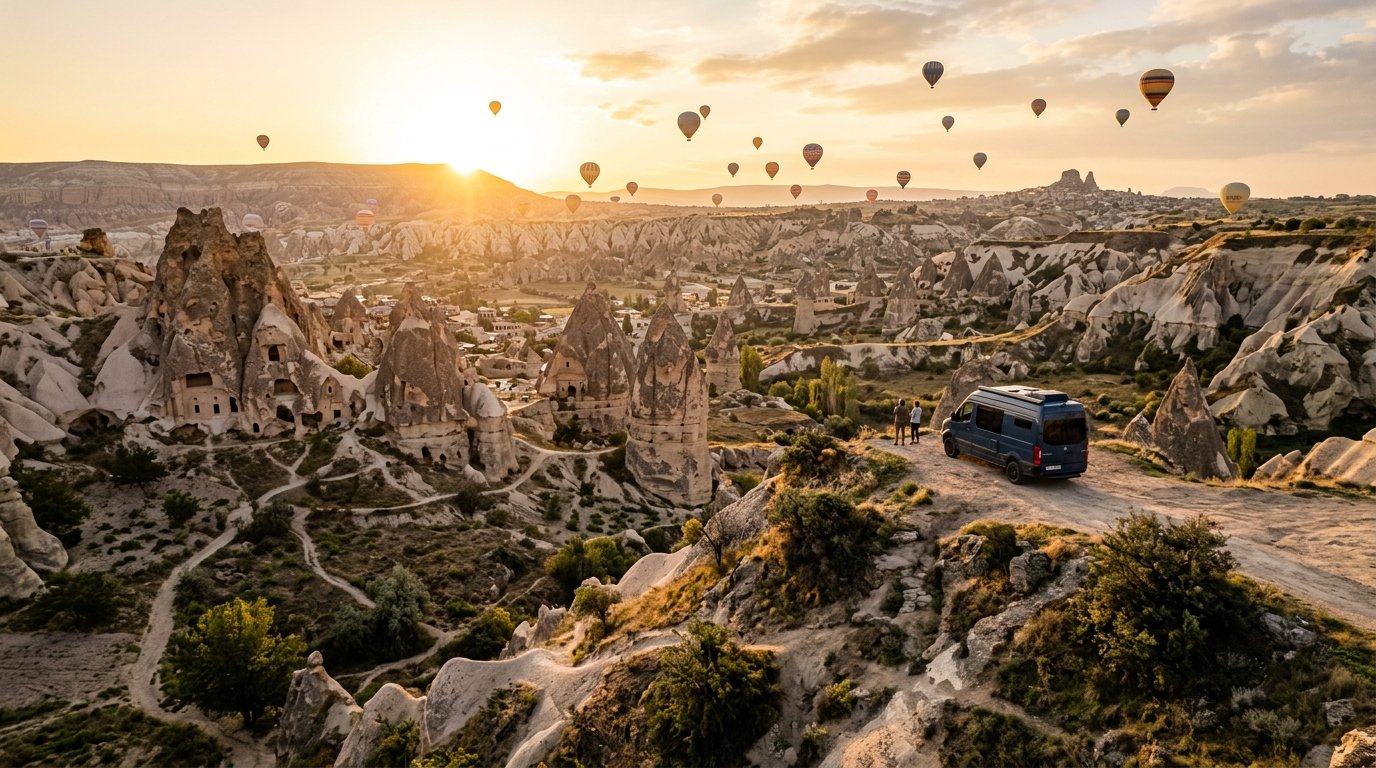
While wild camping is technically illegal on unregistered land in Turkey, it is widely tolerated, culturally accepted, and practically safe for tourists in most rural areas. As long as you are respectful, avoid military zones, and adhere strictly to seasonal wildfire bans, you will rarely experience issues; however, strict enforcement applies within National Parks and during the high-risk summer fire season.
2. 🌲 Wild & Dispersed Camping Rules
- Legality & Tolerance: Turkish law technically forbids camping outside of official sites, but this rule is almost never enforced against tourists in rural areas, mountains, or remote beaches. The traditional “yayla” (highland pasture) culture makes dispersed camping a common and accepted practice.
- Duration & Distance: There are no strict distance rules from roads, but you should avoid camping near private property, agricultural land, or directly in the center of rural villages without asking permission. A 1-2 night stay in a single spot is the unspoken maximum for avoiding unwanted attention.
- Enforcement: In practice, the local police or Jandarma (rural gendarmerie) may occasionally check your passport for security reasons, but they will rarely ask you to move unless you are in a prohibited area, creating a disturbance, or violating a fire ban.
3. 🏞️ National Park & Protected Area Rules
- Designated Sites Only: In Turkish National Parks (Milli Parklar) and nature reserves, wild camping is strictly forbidden and actively monitored by the Gendarmerie, sometimes even using drones. You must use officially designated campsites to avoid fines.
- Permits & Booking: You do not need a general permit to enter parks, but you must pay standard entrance fees. Campsites within parks are usually operated by private concessionaires or municipalities and can be booked upon arrival, though advance booking is highly recommended during peak summer months.
- Seasonal Closures: Strict closures apply during the summer fire season. During this time, authorities often ban entry to forested areas and national parks completely to prevent wildfires.
4. 🚐 Van Life & Overnight Vehicle Sleeping
- Parking vs. Camping: Turkish law distinguishes between parking and camping. Sleeping overnight inside a legally parked campervan or vehicle is generally permitted under standard traffic laws.
- Overnight Sleeping: You can safely sleep in your vehicle at highway rest stops, public car parks, and roadsides. However, setting up an outdoor camp by rolling out awnings or setting up tables and chairs shifts your status from “parking” to “camping,” which is discouraged in urban or highly visible areas.
- Designated Areas: Turkey is very camper-friendly. Many municipalities offer free or low-cost parks equipped with basic facilities, often combined with local picnic areas known as piknik alanı.
5. 🔥 Campfires & Practical Restrictions
- Campfire Bans (Critical for 2026): Open fires are strictly prohibited in and around wooded areas across most of Turkey during the summer, typically from June to late October. In 2026, provinces like Istanbul, Ankara, and Antalya have enacted total forest access bans and strict zero-tolerance policies for campfires, barbecues, and camp stoves due to severe wildfire risks.
- Military & Border Zones: Never camp near military bases, gendarmerie checkpoints, or sensitive border regions. These areas are heavily monitored, and camping here will lead to immediate questioning and eviction.
- Archaeological Sites: Pitching a tent near or inside un-fenced ancient ruins is illegal and heavily frowned upon.
6. 🔗 Official Sources & Links
For the most current information on forest closures, national park regulations, and tourism advisories, travelers should consult:
Disclaimer: Land-use laws, national park regulations, and seasonal fire bans in Turkey change frequently. Always verify current local restrictions with official sources or the local authorities before embarking on your camping trip.

Adrenaline junkie with a passion for exploring off-the-beaten-path destinations and finding unique ways to stay active. Expect stunning scenery, challenging workouts, awesome travel tips and a whole lot of fun. Let’s get sweaty and explore the world together!